
Table of Contents
- Why October works: the honest case
- What the weather means for a retreat schedule
- Where to base a retreat in October: three areas
- Serra de Tramuntana
- Southwest coast and the Palma area
- Northeast coast
- Things to do in October that complement a retreat
- October festivals and cultural calendar
- Practical planning for a retreat in October
- Who should (and shouldn't) go to Mallorca in October
- Frequently asked questions
- Is October a good time to visit Mallorca?
- Can you swim in Mallorca in October?
- Are things still open in Mallorca in October?
- Why is Mallorca so cheap in October?
- How often does it rain in October in Mallorca?
- What should I pack for Mallorca in October?
- Plan your next retreat
The olive harvest in the Mallorcan interior runs through October. Small nets laid under the trees, a particular low-angled light by mid-morning, and a landscape that has stopped performing for tourists and gone back to being itself. The beaches still hold heat. The Tramuntana mountains are walkable again without the July haze. The restaurants fill at local hours, not tourist ones.
Most people know Mallorca as a summer destination. October is when it becomes a retreat destination, in both the informal and the formal sense. This guide is for the traveler who is specifically weighing a structured retreat program in October and wants an honest read on why the timing works, where to base yourself, and what to expect from the weather.
Why October works: the honest case
October is not a consolation month. It is the first genuinely comfortable month for certain kinds of travel on the island.
Air temperatures settle between 22 and 24C through most of the month. The Mediterranean holds at around 22C, warm enough for swimming without a wetsuit. August heat that makes afternoon outdoor activity punishing is gone. Rain is possible, typically brief afternoon showers rather than sustained grey days, averaging around seven to eight rain days across the full month.
Crowds drop sharply. Visitor numbers fall 50 to 60 percent from the August peak. Popular beaches lose their shoulder-to-shoulder density. The access road into Deia, gridlocked with rental cars in summer, is navigable again. Restaurants accept walk-ins. Hiking trails in the Tramuntana are quiet enough to hear what they actually sound like.
Prices follow the crowd numbers down. Accommodation runs 30 to 40 percent cheaper than July or August for equivalent properties. Flights from UK and Northern European cities remain frequent and well-priced through mid-October, then thin out. Retreat centers adjust shoulder-season rates but not program quality. You get the same instructors, the same structured programming, for less money at fewer people.
Early October is more settled than late October. If your retreat is flexible in timing, early-to-mid October gives you the best odds of consistent morning sun with only occasional afternoon rain. From the third week onward, showers become more frequent and some tourist-oriented businesses begin shutting for winter. Plan accordingly.
A rough weekly breakdown of October conditions, based on historical Mediterranean averages:
| Week | Avg High | Avg Low | Sea Temp | Typical Rain Days |
|---|---|---|---|---|
| Week 1 (Oct 1-7) | 24-25°C | 17-18°C | 23°C | 1 |
| Week 2 (Oct 8-14) | 23-24°C | 16-17°C | 22°C | 2 |
| Week 3 (Oct 15-21) | 22-23°C | 15-16°C | 22°C | 2 |
| Week 4 (Oct 22-31) | 20-22°C | 13-15°C | 21°C | 3 |
These are approximations, not guarantees. October weather on the island is more stable than Northern European autumn but less predictable than July.
What the weather means for a retreat schedule
The October weather pattern in Mallorca maps naturally onto how retreat programs are typically structured, and that alignment is not accidental to why the format works here.
Mornings are clear and settled. The sun rises over the Tramuntana ridgeline around 7:30, and for the next four to five hours, conditions are good for outdoor practice: yoga on a terrace, a trail walk through the Tramuntana foothills, a swim at a cove that had 200 people on it in August and has eight now. Retreat programs that build outdoor morning sessions into their schedule are drawing on a reliable October pattern.
Afternoon showers, when they come, arrive mid-afternoon. That maps cleanly onto indoor session time: workshops, bodywork appointments, one-to-one sessions, rest periods. The island dries quickly after rain. By early evening, temperatures drop to around 14C, cool enough that a communal dinner outdoors requires a layer, warm enough that it remains comfortable. Evening sessions, talks, or group reflection feel appropriate in that temperature range in a way they do not at 30C.
A retreat program built around Mallorca in October is not fighting the weather. It is reading it. A typical October retreat day:
- Morning (7:30 to 12:00): outdoor sessions - yoga on a terrace, trail walking, open-water swimming. Conditions are reliable through most of the month.
- Afternoon (13:00 to 17:00): indoor work - workshops, bodywork, rest, individual sessions. Showers arrive here, if they come at all.
- Evening (18:00 onward): communal time at 14 to 16C. Al fresco dining works with a layer. Talks and group sessions feel right in cooler air.
That structure holds across most of the month.
Where to base a retreat in October: three areas
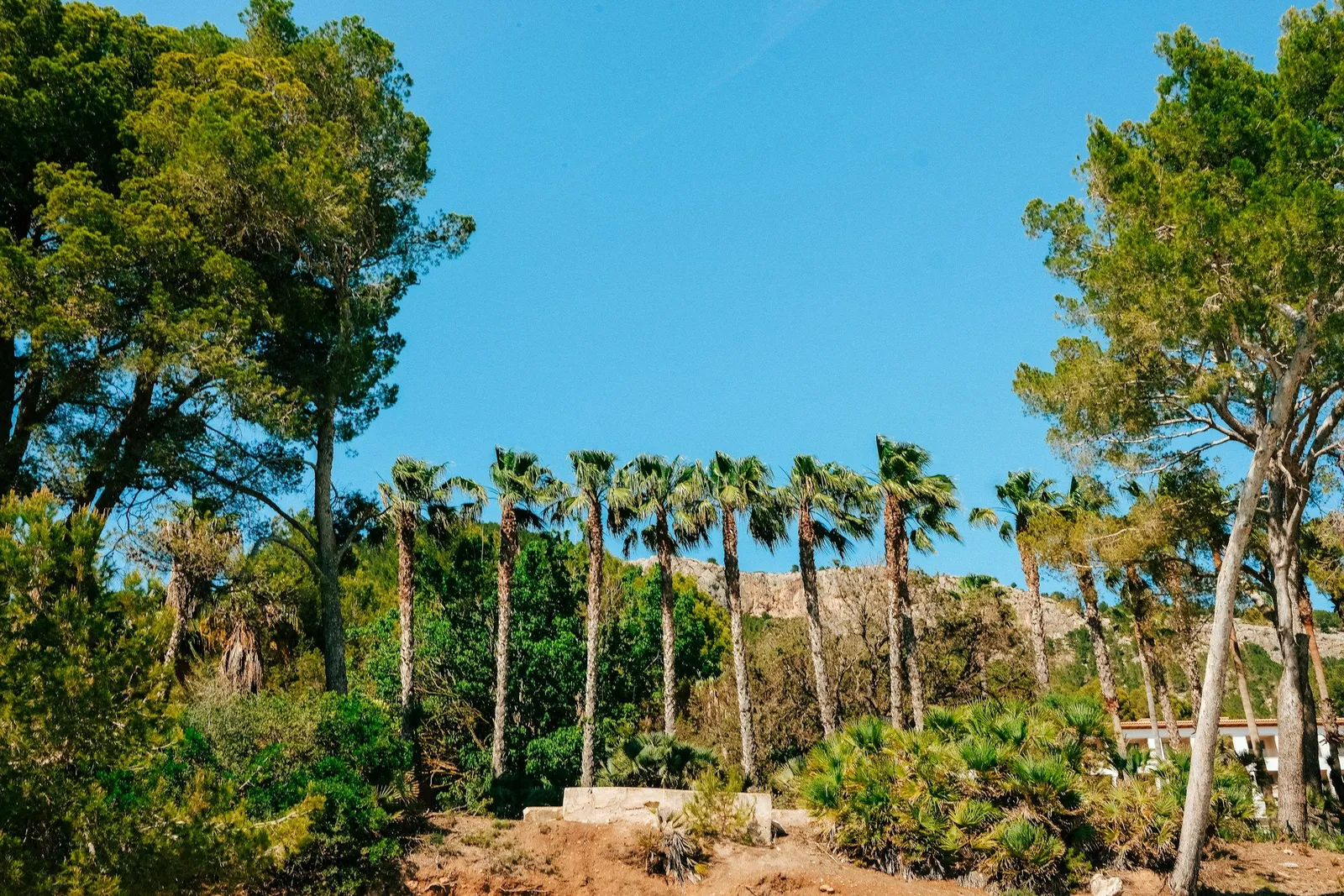
The island divides into three distinct retreat-friendly zones, each with a different character in October. Where you base yourself shapes what kind of program makes sense.
Serra de Tramuntana
The mountain range along the northwest coast. Inscribed as a UNESCO World Heritage Cultural Landscape in 2011, the Tramuntana covers the island's oldest rural architecture: stone villages, terraced hillsides, ancient irrigation channels, olive groves older than most cities. In October, the light in the Tramuntana has a quality the summer haze removes: clear, low, with long shadows by mid-afternoon.
This zone suits hiking retreats, silence retreats, and creative retreats. Programs that build structured trail walks into their daily schedule have access to a trail network that is dramatically less trafficked in October than in spring. The villages of Deia, Valldemossa, and Soller each have distinct characters: Deia is the artists' village, Valldemossa is the most visited (and still worth it), Soller has a working port town quality that feels less curated. Most retreat centers in this zone operate year-round, not seasonally.
Temperature in the Tramuntana runs two to three degrees cooler than the coast. Pack a mid-layer even for morning sessions.
Southwest coast and the Palma area
More sheltered and warmer than the mountains. Palma provides a working city infrastructure that retreat travelers sometimes underestimate: good transport links, quality food markets, neighborhoods worth spending an evening in. The southwest coast concentrates the island's yoga studios and structured wellness centers, many running multi-day programs with flexible scheduling. This zone is accessible for travelers arriving directly into Palma airport and suits yoga retreats, multi-day wellness programs, and anyone who wants to combine retreat days with urban access.
Northeast coast
The quieter quadrant. Towns like Arta and the area around Cala Ratjada feel genuinely remote from the tourist version of the island, even in July, and in October they are almost entirely local. The landscape here is rawer than the northwest: scrubland, red-earth tracks, coves with no facilities. Programs that operate here tend to be small, informal, and walking-oriented. The retreat density is lower than the other two zones, which means advance research matters more.
Things to do in October that complement a retreat
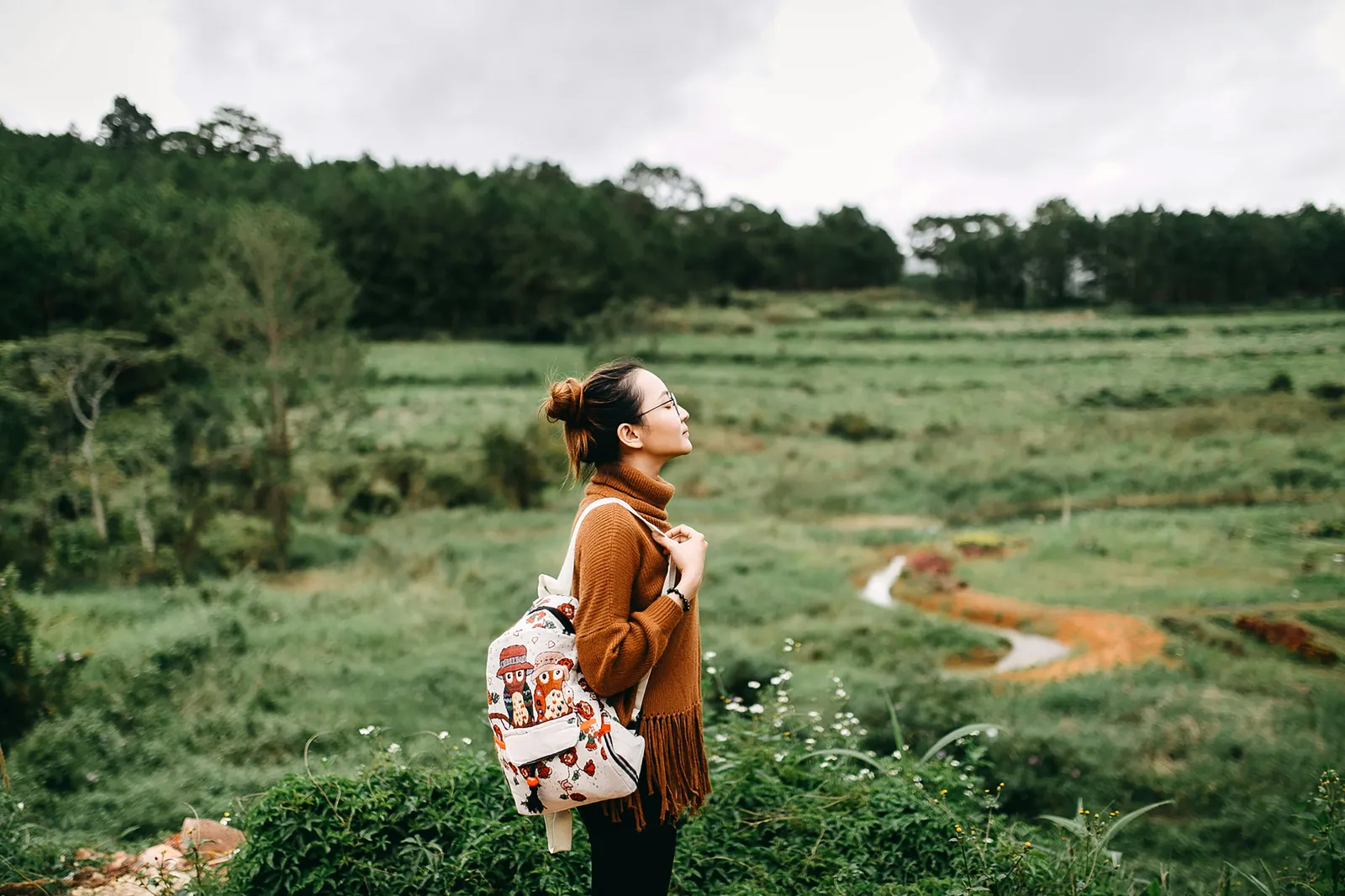
The structure of a retreat leaves deliberate gaps: free afternoons, a rest day, evenings with no scheduled program. In October, those gaps fill easily.
Hiking. The Tramuntana trail network, which includes sections of the GR221 long-distance route, is at its best in October. Cooler temperatures and thin crowds mean the classic routes between villages (Deia to Soller, Soller to Fornalutx, Valldemossa to Deia) are walkable without the exertion cost of doing them in summer heat. Day-trip logistics are straightforward from either Palma or the mountain villages.
Cycling. The interior roads of the island, popular with road cyclists year-round, are genuinely quiet in October. The flat agricultural plain between Palma and Inca, and the more demanding climbs up toward the Tramuntana, are both viable depending on fitness level. Road bike rental is available in Palma and Soller; advance booking is less critical than in spring's cycling season.
Swimming. Sea temperature holds around 22C through most of October. The beaches that are impractical in August because of crowd density, such as Es Trenc on the south coast or Cala Mesquida in the northeast, are accessible in October and still warm enough to swim without discomfort. Go on a weekday morning for the closest thing to a private beach the island offers.
Palma and Deia. Palma's old town, cathedral, and the Llotja building warrant an afternoon regardless of what your retreat schedule includes. Deia is worth the drive for an evening meal in the village even if your program is based elsewhere. In October, the queuing and the ambient noise that make both places exhausting in summer is largely gone.
Harvest season. The olive and almond harvests run through October. Local food markets in towns like Inca, Llucmajor, and Sineu stock the season's produce, and the quality of local olive oil at this time of year is notably different from the bottled version available year-round. Worth factoring into a rest day itinerary.
October festivals and cultural calendar
Specific event dates shift year to year, so verify current listings before you book travel around them. The consistent pattern:
Sa Fira, Llucmajor (late October). One of the largest traditional fairs on the island. Agricultural produce, craft goods, local food, a particular cross-section of the island's non-tourist population that summer visitors rarely encounter. The scale is genuinely local rather than touristic.
Binissalem wine harvest. The island's wine region, centered on Binissalem in the interior plain, celebrates the grape harvest in early-to-mid October. The harvest itself is workmanlike rather than festive, but small bodegas open for visits and the new wine is available.
Festival de Jazz de Llucmajor. Jazz performances across several days in October. Program varies annually; check the current listing.
Practical planning for a retreat in October
What to pack. Light layers are sufficient for daytime. Add a mid-layer (fleece or light jacket) for mountain areas and evenings. A light rain layer packs small and earns its weight in late October. Swimwear is still useful through most of the month. Solid walking shoes for village streets and trails. This is not a heavy-packing trip.
Getting there. Direct flights from UK, German, Dutch, and Scandinavian airports to Palma (PMI) run frequently through mid-October, then thin out toward November. Book flights by early September for the best selection. From most Northern European cities, flight time is two to two and a half hours.
Getting around. A rental car is practical for Tramuntana-based retreats, where the train and bus connections are limited. Palma-based programs are accessible without a car. Road conditions in the Tramuntana require attention: the mountain roads are narrow, with blind corners and sheer drops, and a small car is easier to manage than an SUV. Bus connections between Palma and Soller (including the historic wooden tram into Port de Soller) are worth using as day-trip alternatives to driving that stretch.
When to book. Four to six weeks ahead is reasonable for most retreat programs in October. The shoulder season does not mean empty; quality programs with small group sizes fill mid-October slots before high-season travelers would expect. If you are targeting a specific program with a specific facilitator, confirm availability earlier.
What stays open. Most hotels, restaurants, and retreat centers operate at full capacity through mid-October, then begin transitioning to winter schedules. Beach clubs and some seasonal restaurants close from late October. The core of the island's infrastructure: markets, supermarkets, pharmacies, fuel, the historic train, public hiking trails, year-round restaurants in Palma and the mountain villages, remains fully operational through the month.
If October and Mallorca is your direction, yoga and wellness retreat programs with October availability are listed at retreat-vacation.com/all/c/yoga-retreats.
Who should (and shouldn't) go to Mallorca in October
This trip suits you if: you are looking for a structured retreat program (yoga, wellness, hiking, silence, creative) with reliable morning outdoor conditions and post-summer calm. If you want warm-weather travel without peak-season prices or crowds. If you travel solo or as a couple and are happy self-directing your off-program time. If recovering from a high-pressure summer and wanting a genuine reset before the end of the year.
Consider alternatives if: you need guaranteed beach days every day and are inflexible about late-afternoon rain. If you are traveling with children who need consistent warm-water swimming and guaranteed full tourist-season access. If you require every museum, beach club, and seasonal attraction to be operating at full capacity.
For readers considering a similar shoulder-season retreat window in a tropical destination, Costa Rica in August covers a comparable calculus in a different climate context. For the broader picture of what shoulder-season pricing looks like for retreat programs, affordable wellness retreats runs through the price bands and what each one buys.
Frequently asked questions
Is October a good time to visit Mallorca?
Yes. Early-to-mid October has air temperatures of 22 to 24C, sea temperature around 22C, and 50 to 60 percent fewer tourists than August, with accommodation prices down 30 to 40 percent. The caveat is late October: showers become more frequent from the third week onward, and some seasonal businesses start closing. Rain is typically brief afternoon showers rather than sustained grey days. If you have flexibility, aim for the first three weeks of October.
Can you swim in Mallorca in October?
Yes, comfortably. The Mediterranean holds around 22C through most of October, which is warm enough for swimming without a wetsuit. It cools toward the end of the month but remains swimmable. The bonus in October is that popular swimming coves have a fraction of August's crowd density, making spots that are impractical in summer genuinely enjoyable.
Are things still open in Mallorca in October?
Most things, yes, through mid-October. Hotels, restaurants, retreat centers, markets, and public infrastructure are at full operation through mid-month. Some seasonal beach clubs and tourist-oriented restaurants begin closing in late October as operators shift to winter schedules. The permanent infrastructure of the island, including Palma old town, the historic Soller train, public trails, and year-round local restaurants, operates throughout the month.
Why is Mallorca so cheap in October?
Hotels and retreat centers cut accommodation rates by 30 to 40 percent compared to July and August because summer tourism demand drops sharply after school holidays end. Flights from UK and Northern European cities follow the same pattern. The value window runs roughly from the end of September through mid-October before some properties close for winter rather than competing further on price.
How often does it rain in October in Mallorca?
Around seven to eight rain days on average across the full month, based on historical Mediterranean weather patterns. The rain typically arrives as brief afternoon showers rather than sustained grey days. Mornings are generally clear. Late October sees more frequent rain than early October. A light rain layer is worth packing; canceling a trip to Mallorca in October because of rain risk would be overcorrecting.
What should I pack for Mallorca in October?
Light clothing for daytime, a mid-layer (fleece or light jacket) for evenings and mountain areas, a packable rain jacket for the second half of the month, and swimwear because the sea is still warm. Comfortable walking shoes are more useful than sandals if you plan any Tramuntana hiking or village walking. Leave the heavy winter gear at home.
Plan your next retreat
If October is the month and Mallorca is the destination, the next step is finding a program that fits how you want to spend those days. The yoga and wellness retreat scene on the island is real: Tramuntana foothills, southwest coast studios, and walking-based programs in the northeast, most of them running at shoulder-season prices through mid-October. The timing caveat from earlier applies here too: quality programs with small group sizes fill mid-October slots before most high-season travelers would expect. Browsing now rather than in September is the practical move.
Browse yoga and wellness retreats in Mallorca and across the Mediterranean, with October availability, at retreat-vacation.com/all/c/yoga-retreats.