
Table of Contents
- What "green season" actually means in August
- Why August works well for a retreat
- The veranillo window: when to book
- Where to base a retreat in August: three regions
- August wildlife: what you will actually witness
- August cultural calendar
- Practical planning for August
- Who should go (and who should reconsider)
- Frequently asked questions
- Is August a good time to visit Costa Rica?
- What is the weather like in Costa Rica in August?
- What is the veranillo in Costa Rica?
- Is Costa Rica expensive in August?
- Is August a good time for whale watching in Costa Rica?
- What should I pack for Costa Rica in August?
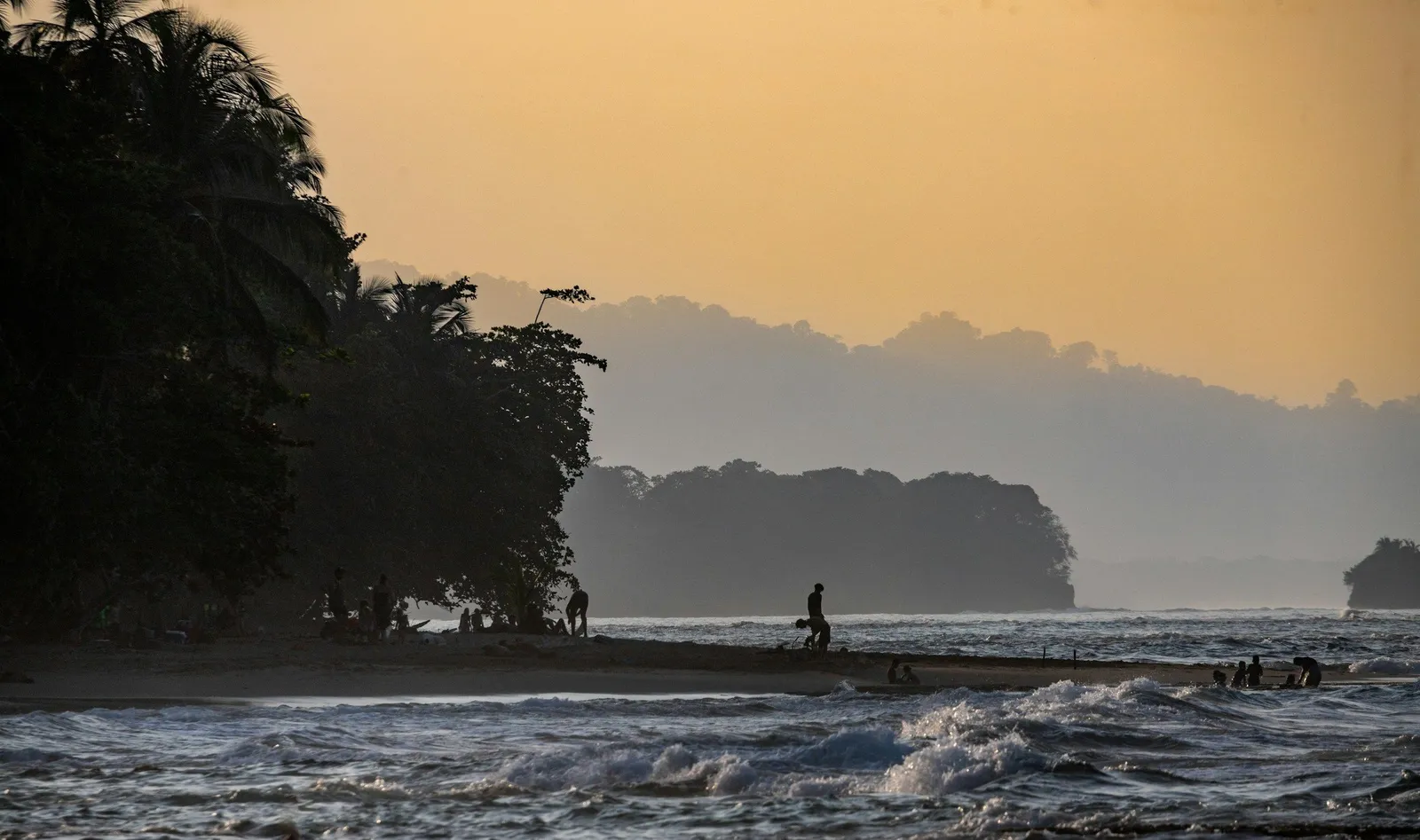
The morning practice ends at 8:30. By 9 a.m. you're eating gallo pinto on a wooden terrace while a howler monkey announces itself from the tree line fifty meters away. By early afternoon, when the rain arrives in sheets off the Pacific, you're back inside for a pranayama workshop. By evening the sky clears, the frogs start up, and the air smells like wet earth and something floral you can never quite name.
August is when Costa Rica looks like the photographs.
This guide is for the traveler who has already decided they want a retreat stay rather than a resort vacation, and is trying to figure out whether August is a viable month. The short answer is yes, with caveats. The nuances are what this guide is for.
What "green season" actually means in August
"Green season" is the local euphemism for rainy season, which runs roughly May through November. August sits in the middle. What it means in practice depends heavily on where in the country you are.
The general pattern across most of Costa Rica: mornings are typically clear or partly cloudy. Significant rain arrives in the afternoon, usually between 2 and 4 p.m., sometimes continuing into the evening. Overnight it often clears. This rhythm is consistent enough that retreat programs and tour operators build their schedules around it: morning hikes, yoga sessions, and excursions; indoor workshops and meals during the afternoon rain; evening optional activities if skies cooperate.
Regional variation matters more than national averages:
Guanacaste and the Nicoya Peninsula (where Nosara, Tamarindo, and Santa Teresa are based): drier than the rest of the country in August, due to the veranillo effect described below. Daytime highs 86-92°F (30-33°C). The most reliable August destinations for outdoor morning practice.
Central Pacific coast (Manuel Antonio, Uvita, Osa Peninsula): more consistent afternoon rainfall, but mornings remain workable. Daytime highs 84-90°F (29-32°C). Also peak humpback whale territory.
Central Valley and San José: moderate temperatures, 75-85°F (24-29°C), with afternoon rain following the same general pattern. Nights cooler than the coast.
Caribbean coast (Puerto Viejo, Tortuguero corridor): opposite seasonality from the Pacific. August is actually one of the drier months on this side. Temperatures around 82-88°F (28-31°C). The Caribbean gets its heaviest rain in December and January, not August.
Humidity is high everywhere on the Pacific side in August. This is not a surprise. The question is whether your program structure accommodates it, and most retreat centers that have been operating in Costa Rica for more than a few seasons have built their schedules to work with the weather rather than against it.
| Region | August weather | Temperatures | Best retreat fit |
|---|---|---|---|
| Guanacaste / Nicoya Peninsula | Driest; veranillo effect most pronounced | 86-92°F (30-33°C) | Yoga, surf-and-yoga |
| Central Pacific (Manuel Antonio, Uvita) | Regular afternoon rain; mornings workable | 84-90°F (29-32°C) | Wildlife-paired wellness |
| Central Valley / San José | Moderate rain, cooler nights | 75-85°F (24-29°C) | Workshops, shorter programs |
| Caribbean Coast (Puerto Viejo) | Drier than Pacific side in August | 82-88°F (28-31°C) | Off-grid mindfulness |
Why August works well for a retreat
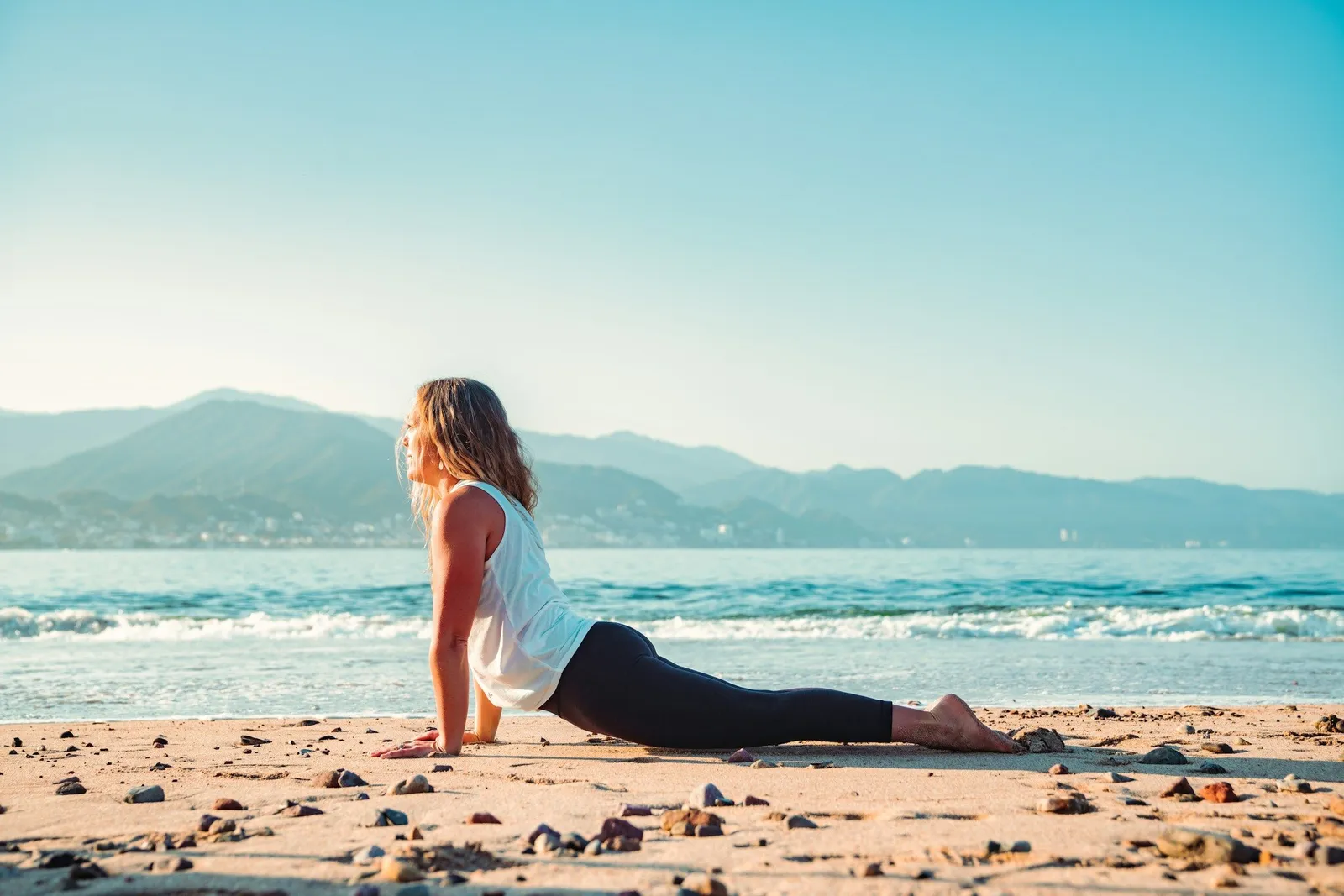
The honest argument for August as a retreat month:
Lower cost. Green season pricing is typically 25-35% below what the same program costs in December through March. The retreat programming is identical. The weather is different. Whether the trade-off makes sense depends on what you are actually there to do. For program-focused guests, the savings are meaningful. For guests who need guaranteed sunshine for every outdoor activity, peak season is the better fit.
Smaller groups. Most established retreat centers in Costa Rica operate with meaningfully smaller groups in August than in peak season. That translates to more contact time with facilitators, easier schedule adjustments, and a quieter property overall.
Rain is retreat-compatible. Structured retreat programming runs in the morning and early afternoon: yoga, meditation, bodywork. The afternoon rain typically arrives when groups are in a workshop, at lunch, or resting. Retreat operators in Costa Rica chose morning schedules precisely because the climate works that way. If your retreat center has covered outdoor spaces, which most established ones do, the afternoon rain is ambient sound rather than a disruption.
Landscape quality. The country looks different in the green season. Saturated color. Rivers running high. The rainforest doing what a rainforest is supposed to do. For a retreat stay where the setting is part of the experience, August delivers better visual material than December.
For a broader overview of what a wellness retreat typically includes regardless of season, see what a wellness retreat involves. For price-band framing across retreat types and regions, affordable wellness retreats covers the categories in detail.
The veranillo window: when to book
The veranillo is a natural pause in the Pacific rainy season, typically falling mid-July to early August. During this window, the Inter-Tropical Convergence Zone (the band of atmospheric activity that drives Pacific-side rain) shifts northward, reducing rainfall significantly along the Nicoya Peninsula and Guanacaste. In practical terms, the first two weeks of August are often the driest stretch of the entire green season on the Pacific coast.
It is a tendency rather than a guarantee. Individual years vary. Some veranillos arrive late or break down early. But the pattern is consistent enough that experienced Costa Rica travelers factor it into their booking decisions.
Practical implication: if you want the best green-season conditions, target arrivals between August 1 and 14. A retreat starting in the first week of August, based in Nosara or Santa Teresa, can offer conditions that compare favorably to the shoulder months of November and April. After mid-August the rainy season reasserts itself more consistently across all regions.
Ready to look at programs? Browse yoga retreats at retreat-vacation.com filtered by Costa Rica and surrounding warm-season destinations.
Where to base a retreat in August: three regions
Guanacaste and the Nicoya Peninsula (Nosara, Santa Teresa, Tamarindo)
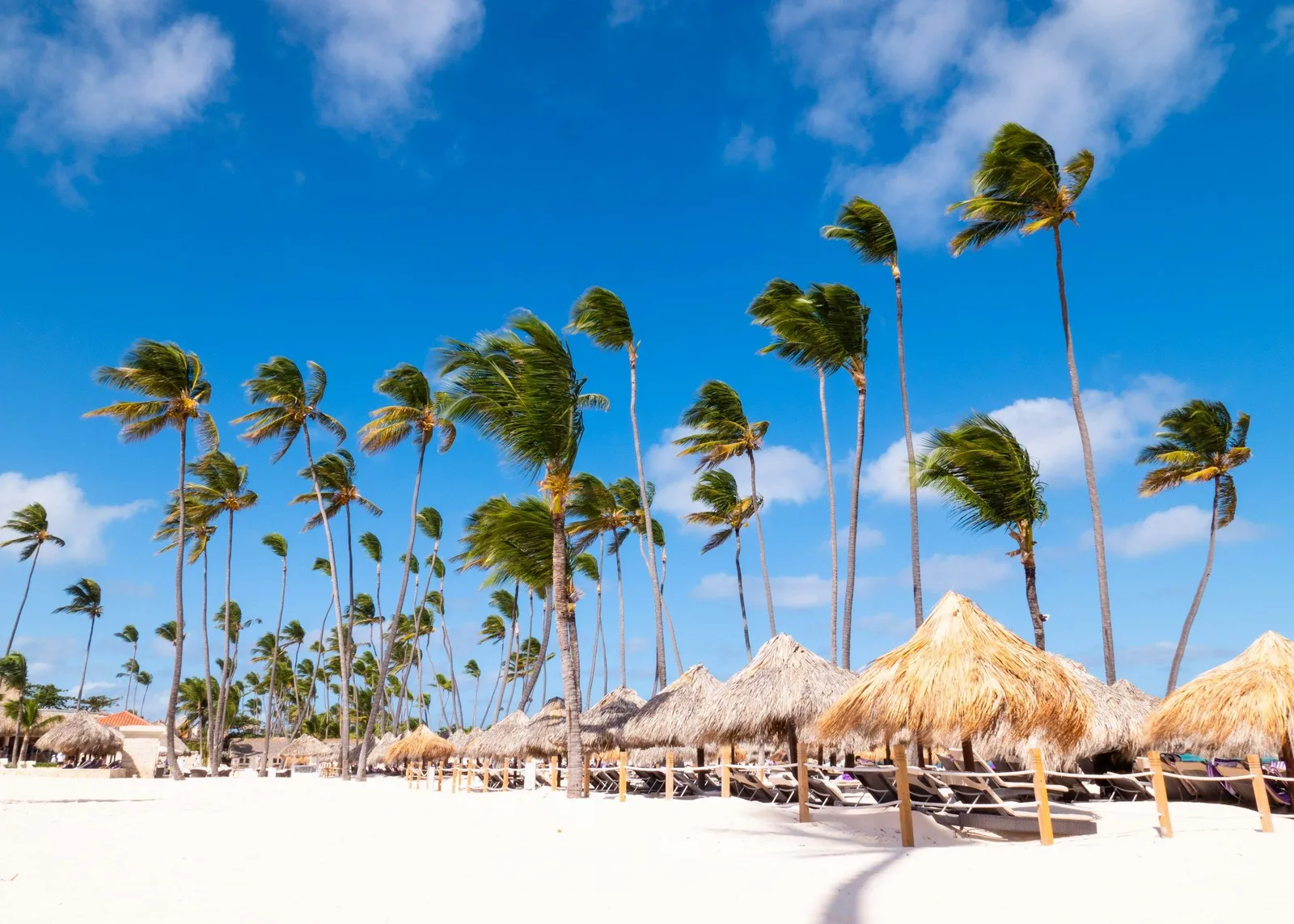
The strongest case for an August retreat in Costa Rica. Veranillo dries the Pacific coast significantly during early August. This region has built one of the most established yoga and surf retreat ecosystems in the Americas: open-air shalas, certified teacher training programs, a strong local community of practitioners. Morning sessions in an outdoor shala with jungle views and dry conditions are genuinely available here in early August. Evenings cool slightly compared to the lowland coast. 4WD access is necessary for some retreat centers near Nosara and the southern Nicoya coast during green season. Book transport in advance.
Best for: yoga retreats, surf-and-yoga combinations, yoga retreats for beginners who want a well-supported introduction in a mature retreat hub.
Central Pacific (Manuel Antonio, Uvita, Osa Peninsula)
Wetter than Guanacaste in August, but the wildlife argument is hard to ignore. This is peak humpback whale season. Southern-hemisphere humpbacks reach maximum concentration near Uvita and Marino Ballena National Park from August through September. Many retreat centers in this corridor include whale-watching excursions as part of their programming, or can arrange them separately. Manuel Antonio has reliable road access and strong infrastructure. Osa Peninsula is wilder, more remote, and more expensive to reach, but offers the most intact rainforest experience in Central America.
Best for: guests who want wilderness immersion alongside retreat programming, and those who want to combine yoga or meditation with whale watching.
Caribbean Coast (Puerto Viejo, Tortuguero corridor)
August is one of the drier months on the Caribbean side, which runs on opposite seasonality to the Pacific. This makes it one of the few Costa Rican regions where green-season risks are actually lower in August than in other months. Tortuguero is active with sea turtle nesting through August, a short boat-accessible detour from the retreat circuit. Puerto Viejo has a growing retreat scene, smaller and less polished than Nosara, anchored around holistic health practitioners and small jungle-edge wellness studios rather than large yoga campuses. Access is by shuttle or bus from San José (no driving); transportation is reliable and accommodation quality varies more widely than on the Pacific side. Worth considering for travelers who want a less-trafficked experience, value the specific wildlife timing, or want to combine a retreat with independent Caribbean coast travel.
Best for: off-grid mindfulness and nature immersion; turtle nesting season as a retreat complement; travelers who prefer smaller, local retreat operations.
August wildlife: what you will actually witness
Three August-specific wildlife events are worth planning around:
Humpback whale migration. Southern-hemisphere humpbacks arrive in Costa Rican Pacific waters from June onward and reach peak concentration August through September near Uvita. Marino Ballena National Park has some of the most reliable humpback sightings in the Americas during this window. Half-day boat trips are available from Uvita town and can be booked through most Central Pacific retreat centers.
Sea turtle nesting. Green turtles nest at Tortuguero on the Caribbean coast with peak activity July through October, making August ideal timing. Guided night walks onto the nesting beaches are carefully managed: group sizes limited, no flash photography, licensed guides required. Tortuguero holds one of the most documented green turtle recovery stories in the Western hemisphere.
Rainforest activity. Wet season is when wildlife is most active across the board: sloths, capuchin and howler monkeys, resplendent quetzals at higher elevations, and hundreds of migratory and resident bird species. Lush, wet conditions suit both the animals and the photographers.
August cultural calendar
Three national events fall in August that affect logistics:
August 2: Virgin of Los Angeles Day. Costa Rica's most important religious pilgrimage. An estimated two million participants walk to the Basilica in Cartago over the preceding days and night. Roads near Cartago are significantly congested on August 1-2. Retreat centers east of San José may have limited transport access those days. If your program includes a day trip toward the Central Valley, plan around this date.
August 15: Mother's Day (national holiday). Banks, schools, and government offices are closed. Street celebrations in most towns. Generally not disruptive for retreat stays, but worth knowing if you're arriving this day and need services.
Practical planning for August
What to pack: lightweight quick-dry fabrics throughout; a packable rain jacket or poncho; a waterproof cover for your daypack; reef-safe sunscreen; insect repellent with DEET or picaridin for jungle areas; light layers for air-conditioned interiors and cooler evenings at elevation.
Getting there and around: 4WD is strongly advisable if your retreat center sits in the Nicoya Peninsula interior or on the Osa Peninsula. For the main hubs (Nosara, Tamarindo, Manuel Antonio, Monteverde, Puerto Viejo), shared shuttle services from San José are reliable and substantially cheaper than rental cars for solo travelers. Book shuttles in advance even in green season. Road conditions on unpaved routes deteriorate significantly after heavy rains.
Booking lead time: quality retreat centers fill in August even at green-season capacity. Four to six weeks minimum for August starts. Whale-watching excursions from Uvita should be confirmed as included in your package or booked separately before you arrive.
Who should go (and who should reconsider)
Go in August if:
- The retreat programming is the center of the trip, not daily beach weather
- Green-season pricing (25-35% below peak) is a meaningful factor
- You want smaller groups and more contact time with facilitators
- Wildlife timing matters: whale watching and turtle nesting are August arguments that do not apply to any other month
Reconsider if:
- You need reliable afternoon outdoor access (paddleboarding, hiking, beach time) and cannot build around afternoon rain
- You are arriving mid-to-late August in Guanacaste and the veranillo window has likely closed
- Humidity in lowland coastal areas is a genuine health consideration (heart conditions, respiratory sensitivities)
- You are primarily visiting for beach time and not doing a structured retreat program
For comparable green-season retreat logic in other destinations, Bali in June applies the same seasonal analysis to Southeast Asia, and Mallorca in October covers shoulder-season timing for Mediterranean retreat options.
Frequently asked questions
Is August a good time to visit Costa Rica?
Yes, with caveats. August is mid-green season: afternoon rain is a daily reality on the Pacific side, humidity is high on the coasts, and some inland roads are rough. That said, August is also peak humpback whale season, peak turtle nesting season at Tortuguero, prices are 25-35% below peak, and groups are smaller. For a retreat stay built around morning programming, the rain pattern fits a full schedule. The veranillo window (early August) delivers the best weather of the green season on the Pacific coast.
What is the weather like in Costa Rica in August?
Mornings are typically clear to partly cloudy. Afternoon rain arrives between 2 and 4 p.m. on most Pacific-side days. Coastal temperatures range from 84-90°F (29-32°C). The Central Valley runs cooler at 75-85°F (24-29°C). The Caribbean coast has opposite seasonality and is actually drier in August than most of the year.
What is the veranillo in Costa Rica?
The veranillo is a natural break in the Pacific rainy season, typically mid-July to early August. The Inter-Tropical Convergence Zone shifts northward during this window, reducing rainfall significantly on the Nicoya Peninsula and Guanacaste. For retreat travelers, the practical takeaway is that the first two weeks of August are often the driest and most reliable weather window of the entire green season. It is a meteorological tendency, not a guarantee, and varies year to year.
Is Costa Rica expensive in August?
No. August is green season, which is Costa Rica's low season for tourism. Retreat programs, accommodation, and tours typically run 25-35% below December-March peak rates. This gap is meaningful for multi-day retreat stays where accommodation is a major cost component.
Is August a good time for whale watching in Costa Rica?
August is peak season. Southern-hemisphere humpbacks migrate to Costa Rican Pacific waters from June onward, and the highest concentrations sit off Uvita and Marino Ballena National Park in August and September. If you are timing a retreat trip around a specific experience, this is the month. No other month offers comparable humpback density on this coastline.
What should I pack for Costa Rica in August?
Lightweight quick-dry layers, a packable rain jacket, a waterproof daypack cover, reef-safe sunscreen, and insect repellent. For retreat stays, comfortable practice clothing that dries quickly. Light long sleeves for air-conditioned interiors and cooler evenings at elevation. Leave anything you would be upset to get wet or muddy.
Plan your next retreat: browse over 1,000 curated yoga and wellness programs, including options in Costa Rica, at retreat-vacation.com. Filter by dates, style, and duration to find programs available during the August green season.