
Table of Contents
- What Makes a Place Spiritual?
- The 10 Most Spiritual Places in the World
- Bodh Gaya, India
- Varanasi, India
- Rishikesh, India
- Jerusalem, Israel
- Sedona, Arizona, USA
- Mount Kailash, Tibet
- Angkor Wat, Cambodia
- Kyoto, Japan
- Uluru, Australia
- Glastonbury, England
- How These Places Inspire a Retreat Experience
- Frequently asked questions
- What is the most spiritual place on Earth?
- What makes a place spiritually significant?
- Can you do a meditation or spiritual retreat at these places?
- Where can you go for spiritual healing?
- What is sacred geography?
- Which country is the most spiritual in the world?
- Plan your next retreat
The Ganga Aarti in Varanasi begins just before dark. Priests in saffron carry brass lamps the size of small trees, moving in precise arcs over the river. The crowd behind them (pilgrims from every Indian state, students from the ashrams up the hill, a scattering of travelers from elsewhere) stands without speaking for the twenty minutes it lasts. Then the lamps are set down, the chanting ends, and everyone disperses into the lanes of the old city as if nothing happened. It happens every night.
That quality of collective intention, accumulated over centuries, is what separates a spiritually significant place from a beautiful one. Both can stop your breath. Only one carries the weight of what humans have brought to it across time.
This guide covers ten places where that weight is most evident, across six continents and most of the world's major spiritual traditions. It is not a booking page. It is an honest look at where spiritual experience concentrates, and how a retreat nearby can translate that experience into something you take home.
What Makes a Place Spiritual?
Sacred geography is the study of how humans have marked specific landscapes as spiritually significant over time. The field covers everything from ancient pilgrimage routes to the energy-vortex sites mapped by New Age practitioners in Sedona. What the sites share is not a supernatural quality, but a human one: generations of concentrated spiritual practice in one location.
Some places derive their significance from a single event or person (Bodh Gaya, where the Buddha reached enlightenment under a fig tree). Others accumulated meaning gradually, through layer after layer of cultural practice (Jerusalem, where three faiths converged over three thousand years). A few carry significance that is inseparable from the land itself, in the sense that indigenous spiritual traditions grant landscape an identity that predates any pilgrimage route (Uluru).
For most visitors, the effect is simpler than any of those frameworks: you arrive, and something slows down. Whether that is the place or what you bring to it is a question worth sitting with.
If the idea of a structured spiritual retreat interests you as much as the destination itself, what a spiritual retreat is covers the full picture of how these programs work and what to expect.
The 10 Most Spiritual Places in the World
Bodh Gaya, India
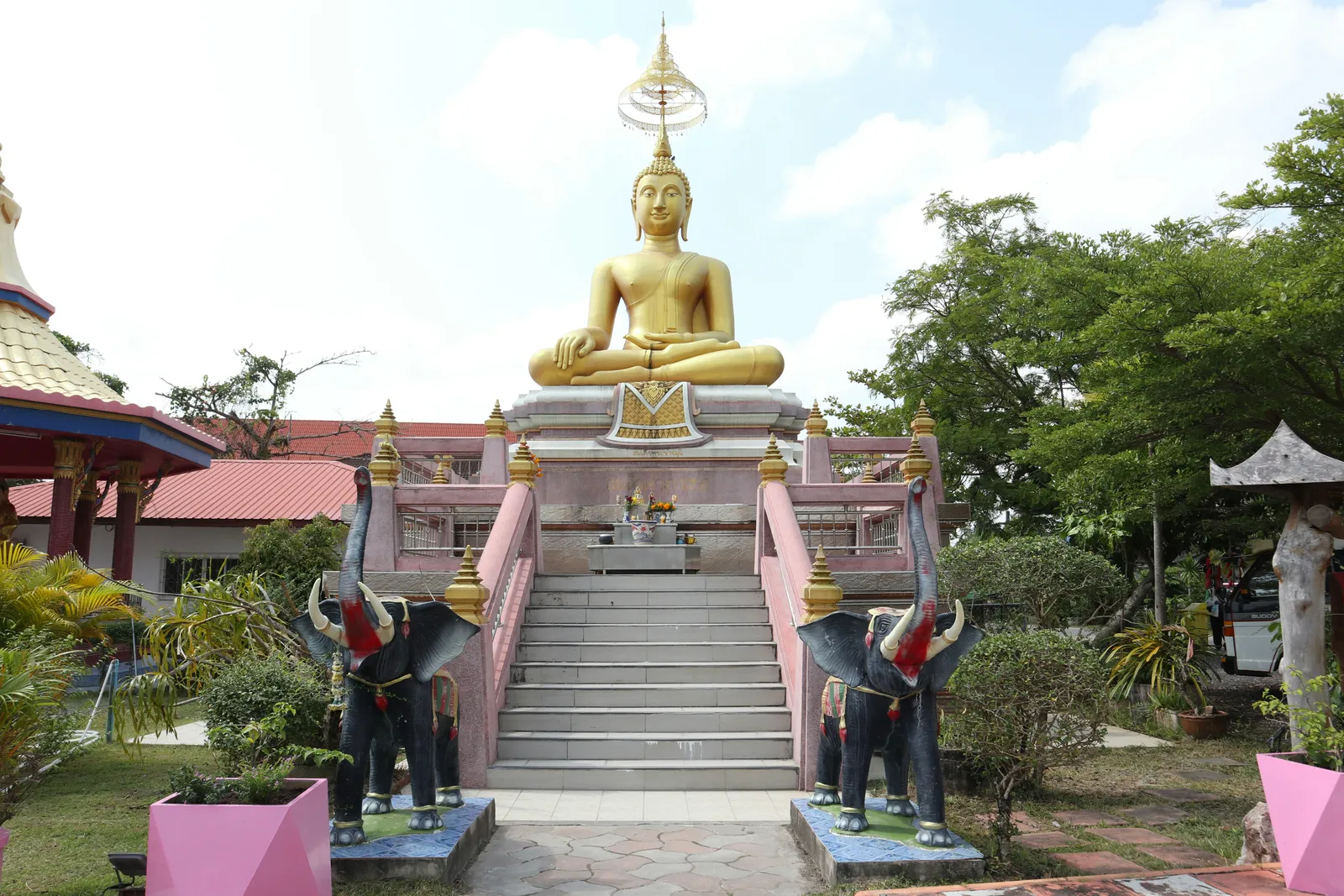
Bodh Gaya is the site of the Buddha's enlightenment, and the most important place in Buddhism. The Mahabodhi Temple, a UNESCO-listed complex built on the spot where Siddhartha Gautama is said to have sat under the Bodhi Tree in the 5th century BCE, draws pilgrims from every Buddhist nation on earth: monks in burgundy robes from Myanmar, nuns in white from South Korea, lay practitioners from California.
The current descendant of the original Bodhi Tree still stands at the temple's center. People walk around it slowly, touching the bark or simply sitting nearby. There is no obvious ritual instruction. Everyone seems to arrive at the same quiet posture independently.
Bodh Gaya has one of the highest concentrations of meditation centers in Asia. A week of structured silent practice at a residential center in the region is among the most accessible entry points into Vipassana and Buddhist-lineage meditation programs available globally, including at the budget end of the price range.
Varanasi, India
The oldest continuously inhabited city in the world, Varanasi has been a place of Hindu pilgrimage for at least three thousand years. The ghats that step down to the Ganges are the spiritual center: Hindus come to bathe, to perform rituals for the dead, and in some cases to die here, in the belief that doing so grants liberation from the cycle of rebirth.
This is also the spiritual healing dimension that draws non-religious seekers. The river, the cremation grounds, and the rituals practiced openly on the ghats confront visitors with impermanence in a way that most wellness programs spend considerable effort trying to simulate. Varanasi offers it without effort.
Meditation and yoga retreats in the Varanasi region range from budget stays at Ganges-side ashrams to structured programs at established centers further from the city center, running from three days to three weeks.
Rishikesh, India
Rishikesh sits in the foothills of the Himalayas where the Ganges descends from the mountains, and has been known as a center of yoga and meditation for over a century. The Beatles visited in 1968, which introduced the city to a Western audience. The retreat infrastructure that grew up around that interest has made Rishikesh one of the highest-density retreat locations anywhere in the world.
The Ganga Aarti ceremony at one of the river's prominent ashrams takes place every evening at the ghats, free and open to everyone. The discipline expected inside the ashrams is real: early mornings, vegetarian food, minimal possessions. The environment rewards it.
Stays in the Rishikesh region cover the full price spectrum: yoga teacher training programs, silent Vipassana retreats, Ayurvedic health stays, and shorter weekend formats at mid-range centers. The infrastructure for budget and mid-band stays is excellent here compared to most retreat destinations globally.
Jerusalem, Israel
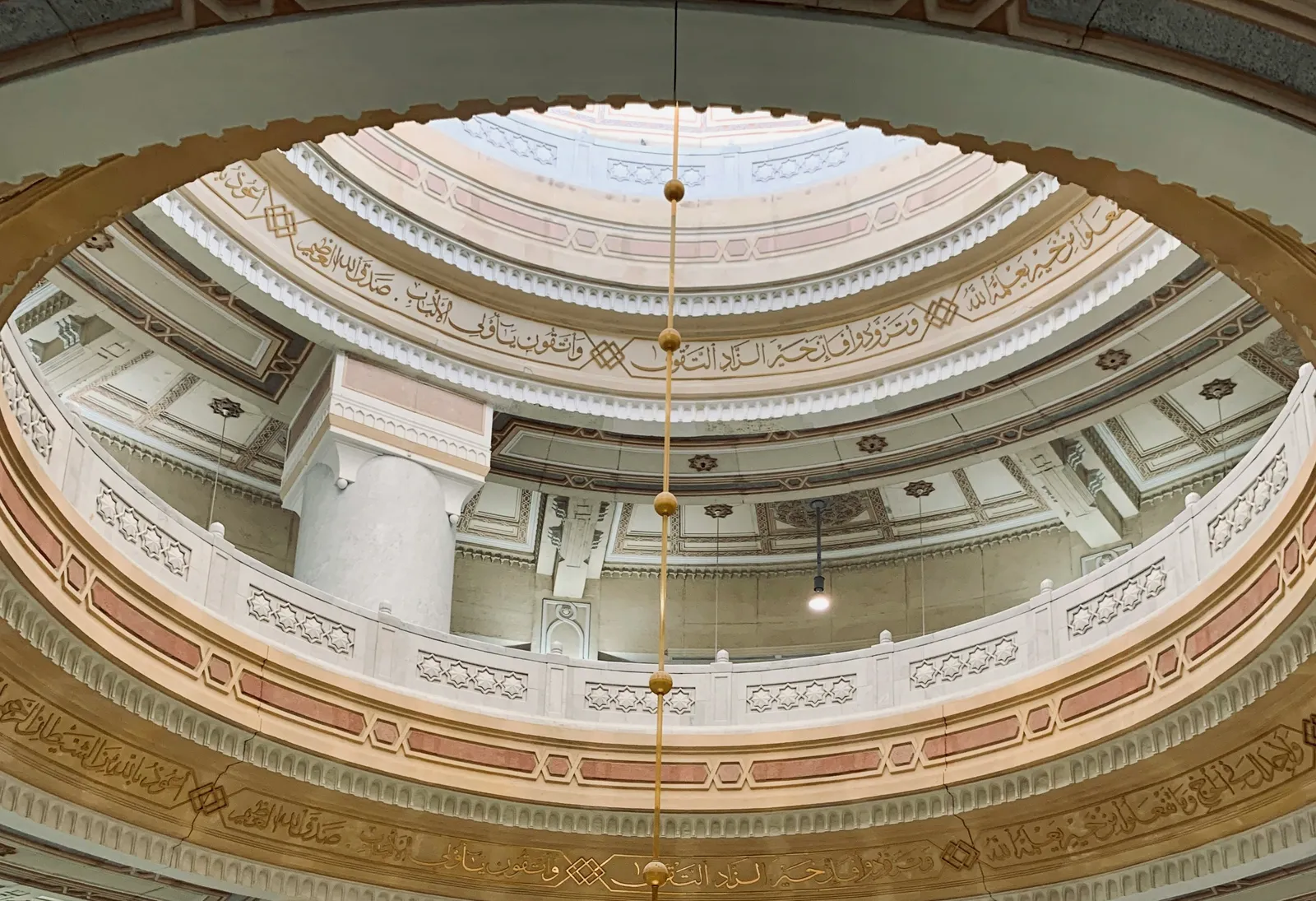
Jerusalem is the only city in the world that is simultaneously holy to Judaism, Christianity, and Islam. The Western Wall, the Church of the Holy Sepulchre, and the Al-Aqsa Mosque compound are within walking distance of each other in the Old City. Pilgrims from each tradition have been arriving for centuries; the weight of that convergence is palpable in the stone streets.
Multi-faith contemplative retreats in the greater Jerusalem region tend to run in the quieter shoulder periods outside Passover, Easter, and Ramadan. The format is typically three to five days in residential properties in the Judean Hills or the Ein Gedi region near the Dead Sea: a mix of interfaith dialogue, silent prayer, meditation, and guided site visits. The retreat infrastructure here is smaller and less standardized than in India or the US Southwest, which for some readers is the appeal. Programs are often led by chaplains or interfaith facilitators rather than secular wellness practitioners.
Sedona, Arizona, USA
Sedona's red sandstone formations are visually dramatic by any measure. The spiritual significance attributed to them is newer, and explicitly outside any major religious tradition: the concept of energy vortexes (sites believed to concentrate earth energy in ways that support meditation and healing) emerged in the late 20th century and has been formalized into a cottage industry of tours and retreat programs.
Set aside the metaphysics and what remains is a high-altitude desert landscape with a strong retreat infrastructure and some of the most reliably clear skies in the American West. Silent meditation retreats, breathwork programs, and yoga intensives at mid-range properties in the Sedona area are numerous and well-reviewed. The region attracts a particular kind of non-denominational spiritual seeker for whom the setting matters as much as the program.
Retreats in the Sedona area span the mid-to-upper price band. The nearest airport is Phoenix (two hours), which keeps the logistics manageable for US-based visitors.
Mount Kailash, Tibet
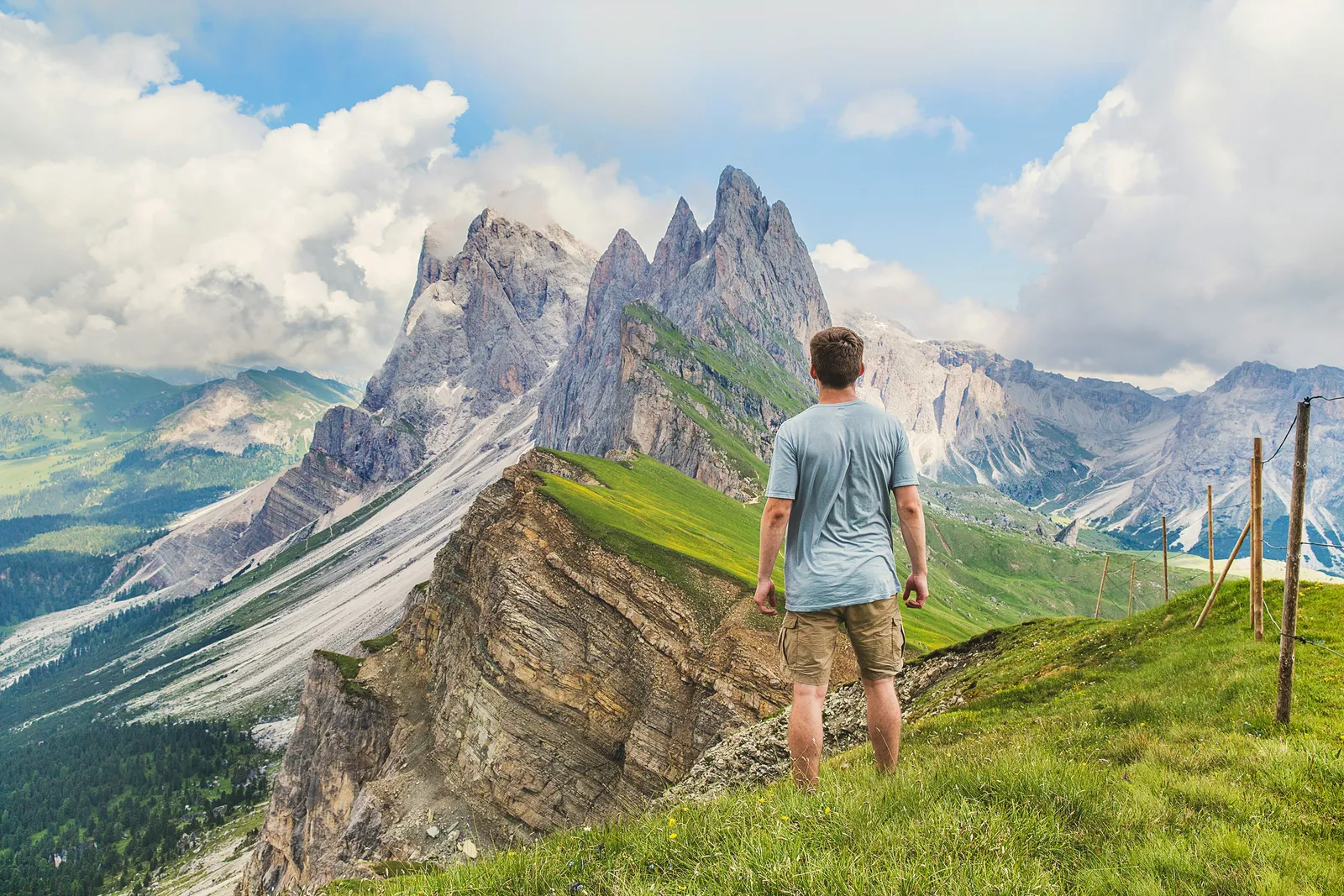
No one has climbed Mount Kailash, and it is not permitted to try. The mountain is sacred in four traditions simultaneously: Hinduism considers it the abode of Lord Shiva; Tibetan Buddhism places it at the center of the universe; Jainism holds it as the site of the first Jain master's enlightenment; and the indigenous Bon religion of Tibet has honored it longer than any of them.
The ritual circumambulation of the mountain (the kora, roughly 52 kilometers) takes three days and involves significant altitude. It is one of the most demanding pilgrimage routes practiced regularly anywhere in the world. Pilgrims complete it in a single circuit; Tibetan Buddhists sometimes prostrate their way around, which takes several weeks.
Practical note: accessing Mount Kailash requires a Tibet Travel Permit, and permits have been intermittently restricted. Verify current permit status before making travel arrangements.
Angkor Wat, Cambodia
Built in the 12th century as a Hindu temple and later converted to Buddhism, Angkor Wat is the largest religious monument in the world. The complex covers more than 400 acres of the Cambodian jungle near Siem Reap, and its towers are aligned with the solar equinox in a way that suggests deliberate cosmological intent in the original design.
Sunrise at Angkor Wat, watching the towers emerge from their own reflection in the moat, is one of those moments that travel writers reach for superlatives to describe and fail anyway. The site receives significant tourist traffic; arriving before 5:30 a.m. gives you twenty minutes of relative quiet before the groups arrive.
The Siem Reap region has developed a mid-band retreat infrastructure around the site. Programs typically run five to seven days, combining morning and evening meditation or yoga sessions with guided morning visits to the complex before the crowds arrive. The Theravada Buddhist tradition that shaped Angkor's later history runs through many of the programs: insight meditation, walking meditation on the causeways, and evening dharma talks at temple sites outside the main complex. This is a retreat format that earns its setting rather than just borrowing it for aesthetics.
Kyoto, Japan
Kyoto has more UNESCO World Heritage sites concentrated within a single city than almost anywhere on earth: 17 temples and shrines, including the Fushimi Inari trail and the moss gardens of Saiho-ji. The city preserves the temple-stay tradition (shukubo) in active use: travelers sleep in a monk's room at a working monastery, wake for morning chanting, eat vegetarian temple meals (shojin ryori), and practice zazen under instruction.
This is the closest thing Japan has to the ashram-stay format that dominates the Indian retreat scene, and the physical setting, low lacquered tables, raked gravel gardens, the sound of temple bells in the evening, is harder to replicate anywhere else.
Kyoto is expensive by Japanese standards, but mid-range options exist, particularly in temple districts slightly removed from the main tourist circuits. A five-day shukubo stay with daily Zen practice is one of the most culturally specific retreat experiences available to Western visitors anywhere in Asia.
Uluru, Australia
Uluru (also known as Ayers Rock) is a sandstone monolith rising 348 meters from the flat red plains of the Northern Territory. It is sacred to the Anangu people, the traditional custodians of the land, for whom it represents the center of creation stories that have been told for at least 30,000 years.
Climbing Uluru was permanently closed in 2019, following decades of requests from the Anangu community and a formal process through Parks Australia. Most visitors today walk the 10-kilometer base circuit, which offers a ground-level perspective on the site's scale and the rock art in its caves. Anangu rangers conduct guided tours that provide context their own traditions consider appropriate to share.
Retreats in the broader Red Centre region are sparse, though the Northern Territory supports some meditation and mindfulness programs designed around the landscape.
Glastonbury, England
Glastonbury occupies a strange position in the history of sacred places: it has been a site of Christian pilgrimage since at least the 7th century (the ruins of Glastonbury Abbey date to that period), and simultaneously the center of modern British mythology around the Arthurian tradition, the Holy Grail, and ley lines connecting ancient sacred sites across the country.
The Tor, a conical hill rising above the Somerset Levels with a ruined medieval tower at its summit, is accessible on foot from the town center. The Chalice Well gardens at its base are maintained as a contemplative space, with the red-stained water of the spring flowing through a formal garden open year-round.
UK-based retreat programs in the Somerset countryside draw on the layered spiritual identity of the place: some run within a contemplative Christian frame (centered on the abbey's monastic tradition), others work within earth-based or neo-pagan practice informed by the site's pre-Christian associations. A third strand is non-denominational: mindfulness and meditation retreats that use the landscape's stillness without committing to any single tradition. Weekend formats are common given the UK retreat market's shorter-break preference; some programs extend to four or five days. Price band sits in the mid-range, broadly accessible for European visitors with shorter flight times than the Indian or Asian destinations on this list.
How These Places Inspire a Retreat Experience
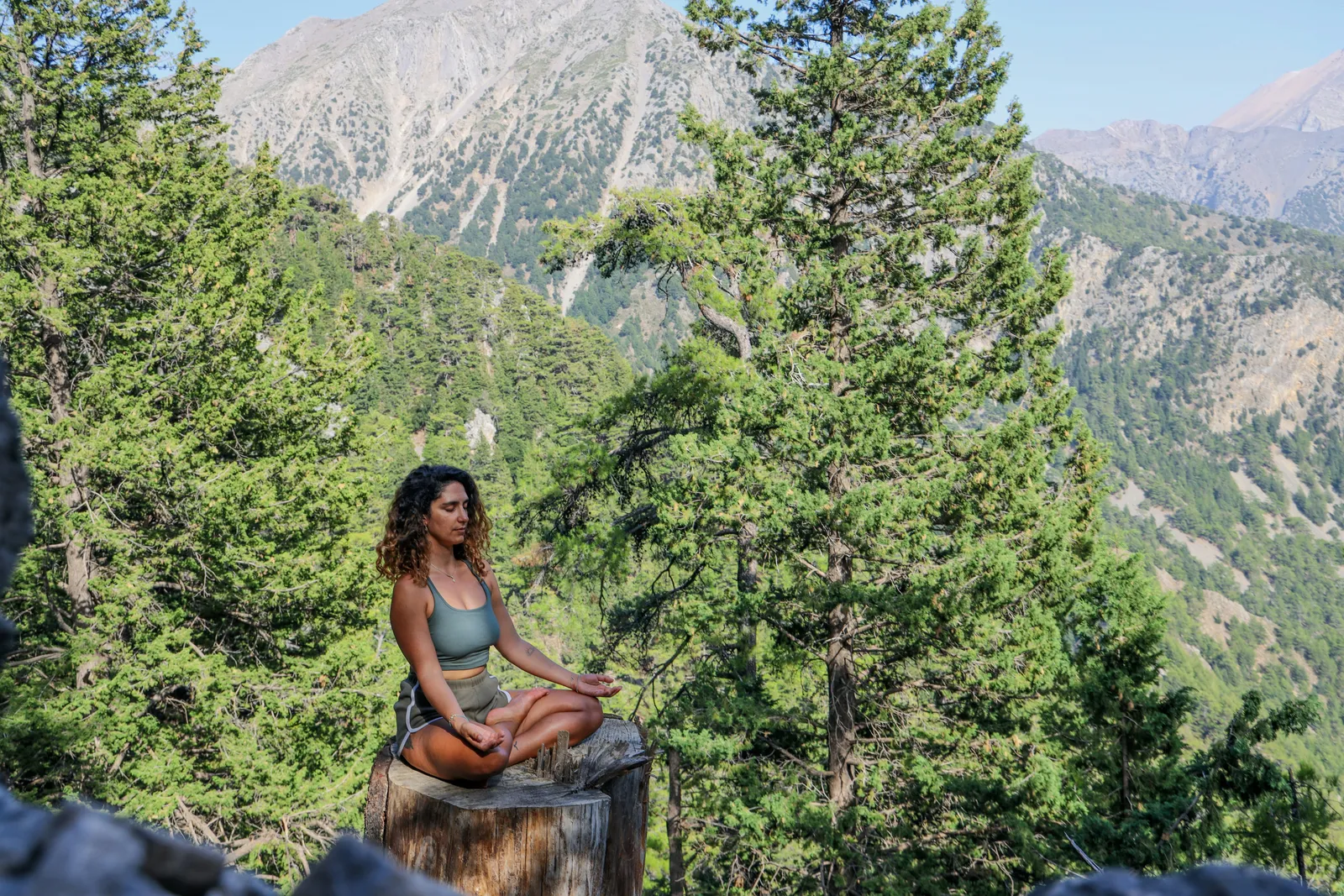
Visiting a place like Bodh Gaya or Kyoto tends to produce one of two reactions. The first is a feeling that the place has done the work, that simply being there was enough. The second is a hunger for depth that the visit itself didn't quite satisfy.
The retreat format exists for the second group. A week of structured meditation practice in the Bodh Gaya region, a Zen shukubo stay in the Kyoto countryside, a breathwork intensive in the Sedona high desert: each of these takes the quality of the place and provides a container that lets you stay in it long enough to change something.
The distinction between visiting a sacred site and doing a retreat near one is the difference between reading about something and practicing it. Both have value. The retreat extends the visit into the body.
Browse meditation and spiritual retreat programs at retreat-vacation.com to find structured programs near many of these destinations.
For programs specifically designed around spiritual deepening, the spiritual awakening retreats guide covers retreat formats that align most closely with the intention behind these destinations. For a curated selection of programs bookable in and near these regions, the best spiritual retreats in the world guide is the logical next step.
Frequently asked questions
What is the most spiritual place on Earth?
Bodh Gaya is considered the holiest site in Buddhism; Mecca holds that position in Islam; Jerusalem holds it across all three Abrahamic faiths; and Varanasi holds it in Hinduism. For non-denominational seekers, Rishikesh and Sedona consistently attract the largest communities outside any single religious tradition. No single answer cuts across all traditions, but the question is more useful when reframed: which tradition or approach resonates with you, and which site represents it at its deepest?
What makes a place spiritually significant?
A combination of religious history, landscape, and the accumulated weight of collective practice. The field of sacred geography looks at how humans have marked specific locations as spiritually meaningful across cultures and centuries. Some places carry significance because of a historical event (Bodh Gaya, Mahabodhi Temple). Others because of landscape qualities that multiple independent traditions have treated as spiritually active (Sedona, Uluru). Most carry both.
Can you do a meditation or spiritual retreat at these places?
Yes, at most of them. Rishikesh and Bodh Gaya are among the highest-density retreat locations in Asia, with programs running from budget ashram stays to mid-range structured intensives. Sedona has a well-developed retreat infrastructure at the mid-to-upper price band. Kyoto offers the shukubo temple-stay format. Jerusalem and Glastonbury have smaller but active retreat programs. Uluru and Mount Kailash are primarily pilgrimage rather than retreat destinations, though the broader regions around them support some program infrastructure. Browse curated meditation and spiritual retreat programs at retreat-vacation.com.
Where can you go for spiritual healing?
The places most consistently associated with healing-oriented spiritual travel are Varanasi (Ganges rituals, which Hindu tradition associates with purification and release), Rishikesh (yoga and Ayurvedic programs with a healing focus), Sedona (energy practices and integrative health retreats), and the Dead Sea region (mineral waters with well-documented dermatological benefits, historically framed in spiritual terms by multiple traditions). Each addresses healing through a different lens, which means the right answer depends on what you mean by healing: physical, emotional, or existential.
What is sacred geography?
Sacred geography is the academic and cultural study of how specific places on earth have been designated as spiritually significant by human communities across history. The term covers both the religious (pilgrimage sites, temples, shrines) and the landscape-based (mountains, rivers, forests treated as living sacred entities in animist traditions). What the sites on this list share is not a common metaphysics but a common pattern: generations of people traveling to a specific spot to practice something they considered spiritually important. That concentration of intention, repeated over centuries, is what gives these places their particular quality.
Which country is the most spiritual in the world?
One rough proxy: Wayfairer Travel, a UK luxury travel company, publishes a Global Spirituality Index that scores countries across seven factors including religious diversity, spiritual sights, and quality of life. By their methodology, Canada ranks first overall, followed by Italy, India, Japan, and the UK. India places in the top five for the density of spiritual sights and the breadth of active religious practice. Japan ranks consistently high for the integration of spiritual practice into daily life through the Shinto and Buddhist traditions.
Plan your next retreat
The places on this list have accumulated their significance across centuries. A retreat nearby gives you more time to absorb it than a day visit does.
Browse over 1,000 curated meditation and spiritual retreat programs at retreat-vacation.com. The catalogue covers silent meditation retreats in the Bodh Gaya and Rishikesh regions, Zen-style temple-stay programs in Japan, desert meditation intensives in the American Southwest, and retreat programs in the UK and Europe for readers who want the depth without long-haul travel. Filter by length, region, and program style to find the format that matches where you are in your own practice.