
Table of Contents
- What is a spirituality retreat (and how it differs from a general retreat)
- Why retreat deepens practice in ways daily life doesn't
- What actually happens during a spirituality retreat
- Forms of spirituality retreat: matching format to your practice
- Before and after: making the retreat stick
- How to choose a spirituality retreat
- Frequently asked questions
- What is a spirituality retreat?
- Do you need to be religious to go on a spirituality retreat?
- How long should a spirituality retreat be?
- What actually happens at a spirituality retreat?
- Are spirituality retreats worth it?
- What are the benefits of a spirituality retreat?
- Plan your next retreat
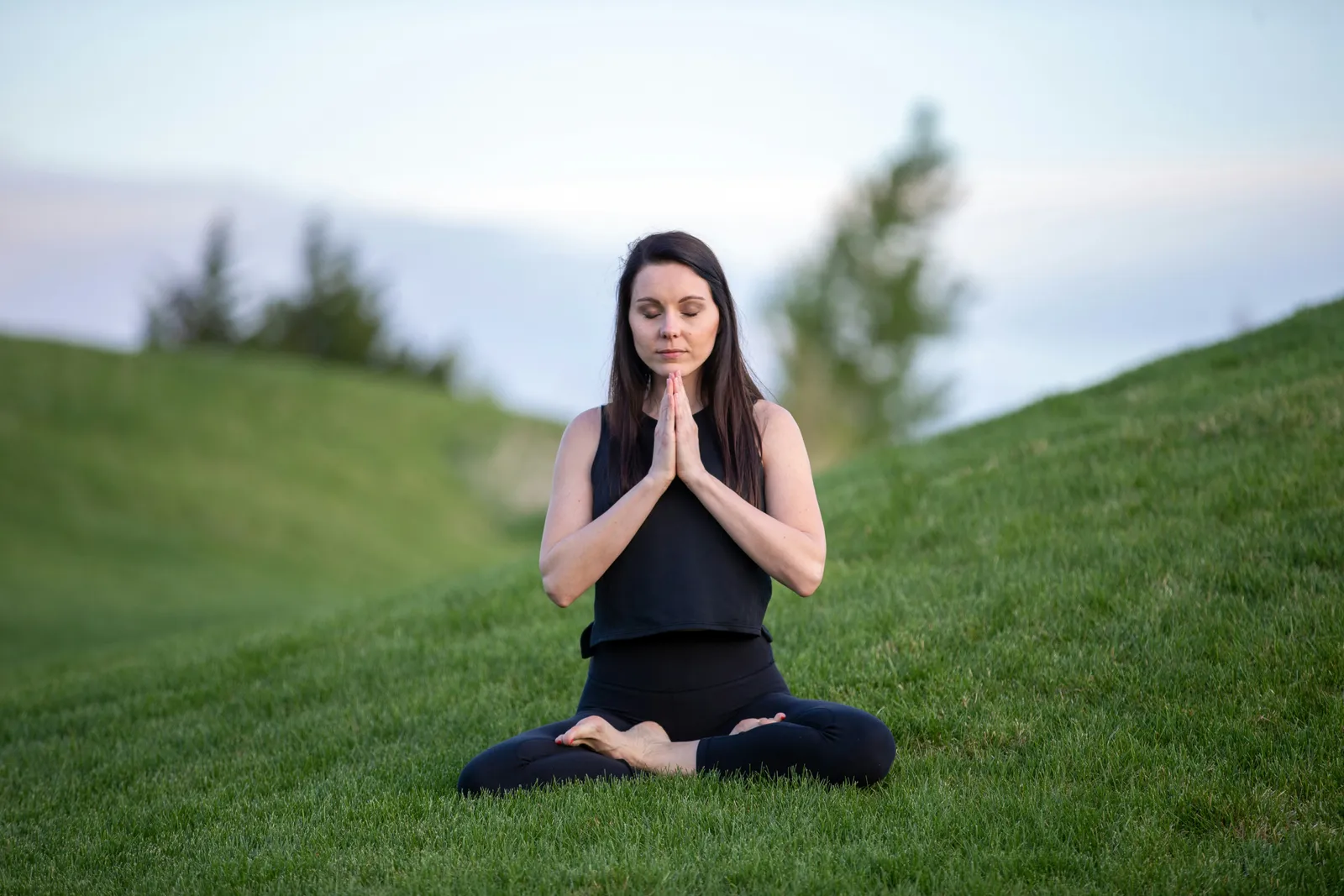
On the third morning of a five-day retreat in a mountain center, something shifts. Not a revelation. The restlessness of the first two days - the mental ticker tape, the phantom urge to check your phone - hasn't disappeared. It's just become less interesting than what's underneath it. That is what a spirituality retreat can do that daily practice at home rarely manages: clear enough space for the practice to take root differently.
This is not a guide to what a spiritual retreat is. For that, what a spiritual retreat is is the right starting point. This guide covers what a retreat does for your spiritual practice, what to expect inside the experience, and how to choose a program that actually advances something rather than just pausing it.
What is a spirituality retreat (and how it differs from a general retreat)
A spirituality retreat is a structured period of withdrawal oriented specifically toward deepening your personal spiritual practice, whatever form that takes. It differs from a wellness retreat in orientation: the focus is inward and contemplative rather than primarily physical restoration. It differs from a general vacation in structure: the days have an intentional arc. Many people find it as a self discovery retreat - a dedicated period to examine what they actually believe, what sustains them, and what they want to build going forward.
The majority of formats today are secular or non-denominational. "Spiritual" in this context means the inner life - your relationship with meaning, presence, and self-understanding. Religion is one container for that, but not the only one. Most retreat programs, whether they center on meditation, yoga, contemplation, or nature immersion, welcome practitioners across and outside religious traditions.
For a full overview of the traditions, formats, and what to expect at a spiritual retreat generally, see our guide to what a spiritual retreat is. This article picks up where that one ends.
Why retreat deepens practice in ways daily life doesn't
Here is the problem with daily spiritual practice: life interrupts it. The inbox fills, the morning sit gets cut short. Dinner runs late, the evening walk doesn't happen. The intention stays intact; the conditions don't.
A retreat removes the conditions problem. For three to ten days, meals are planned, the schedule is set, and the only demand on your attention is the practice itself. What becomes possible in that container is qualitatively different from what's possible in fifteen-minute windows between obligations.
The research supports this. A 2018 systematic review of 23 studies involving 2,592 participants found that residential retreat experiences consistently produced benefits across health, wellbeing, and emotional regulation measures, persisting from immediately post-retreat to five years later (BMC Complementary and Alternative Medicine, PMID 29316909). A 2024 review found that the benefits of meditation retreats are more enduring than those of standard vacations, with emotional regulation gains sustained up to ten weeks after returning home (Cureus, PMC11626984). Both reviews note that gains hold most strongly when retreat practices are maintained afterward.
One retreat does not permanently rewrite a practice. What it does is deepen the groove - making the practice at home easier to return to, quieting the threshold resistance that causes most daily practices to fail. The reset is genuine. The longer arc it enables requires follow-through on your side.
For the specific mechanics of silence-based formats, where all of this happens without words, see what a silent retreat involves.
What actually happens during a spirituality retreat
The outer arc of a five-day retreat looks roughly like this: morning practice at 6 or 7 a.m. (meditation, yoga, or breathwork), breakfast in silence or near-silence, a mid-morning teaching or guided session, an open afternoon for walking or solo practice or journaling, an afternoon group session, dinner, an evening sitting or talk, lights out. The schedule repeats with variations.
The inner arc is less predictable.
Day one: arrival restlessness. The mind is still running its usual program. The phone is off or in a drawer. The brain keeps reaching for it. Thoughts about work, unresolved conversations, the email you forgot to send. This is normal and not a sign the retreat isn't working.
Day two or three: the first settling. The mental background noise doesn't disappear but it becomes quieter. The practice sessions start to feel less like effort and more like return. Something clarifies.
Last day and re-entry: this is the most underestimated phase. The practice is alive. The question is what happens when you pick up your phone and drive home. Protect re-entry as carefully as you protected the retreat itself. The first 48 hours set the tone for the month.
An honest note: some retreat experiences surface difficult emotions. Extended meditation or contemplative practice can bring grief, frustration, or old memories forward. This is not a malfunction - it is part of how the practice works. A program with experienced facilitators will hold this; a program without experienced facilitators will not. Checking for this before booking matters more than checking the accommodation photos.
Forms of spirituality retreat: matching format to your practice
The format categories below hold across providers. Specific programs rotate seasonally on retreat-vacation.com.
Meditation-based programs. The most accessible entry point. Three to ten days of structured daily sits, often with a teacher available for individual meetings. Format ranges from facilitated group retreats for beginners to long-format silent programs of ten days or more for those with an established practice. For silent programs specifically, what a silent retreat involves covers the structure in detail.
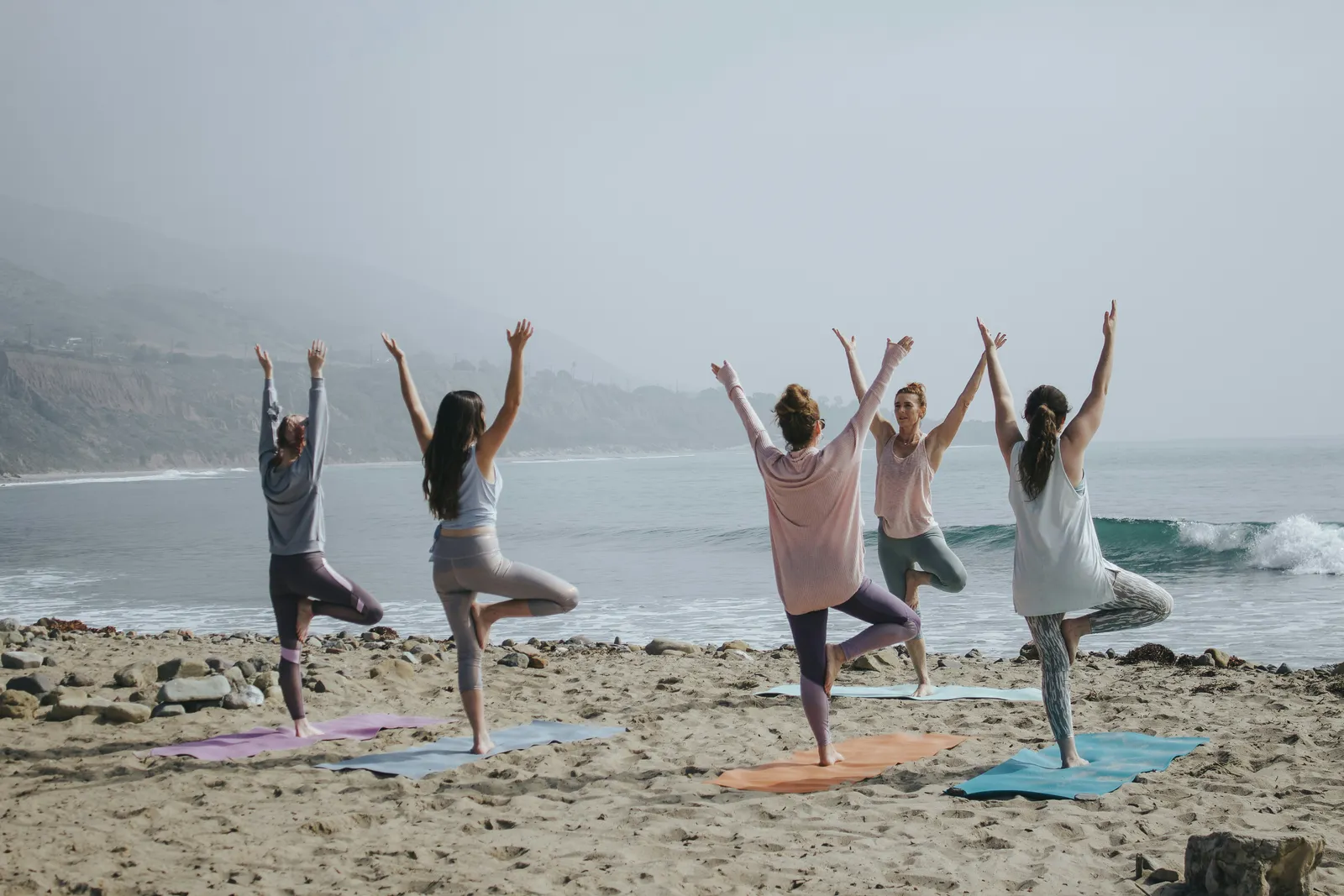
Yoga and breathwork retreats. Practice deepens through the body: asana, pranayama, and movement as access points to stillness. A useful starting point for those who find sitting difficult - not as a bypass of the sitting practice but as a way into it. Most yoga retreat schedules incorporate morning and evening meditation sessions around the movement work, so the sitting tends to follow naturally.
Contemplative and tradition-rooted programs. For practitioners working within a specific tradition - Buddhist, Christian, Vedantic, Sufi, or others. Structure typically includes teachings, chanting or prayer, periods of silence, and group practice. Most centers welcome participants from outside the tradition on most programs, but read the program description carefully. A Benedictine monastery retreat and a secular mindfulness retreat are both "contemplative"; they feel quite different.
Nature-immersion and solo formats. Extended time in a natural setting with a personal practice structure: journaling, walking, minimal technology, and whatever daily practice you already have. The defining feature is that you bring the practice rather than being taught one. Best suited to those with an existing practice who want to deepen it rather than be introduced to one. Vision quest and wilderness formats belong here.
Guided inner-work programs. Less silence, more facilitated verbal processing. Journaling prompts, group sharing, individual sessions with a practitioner. The spiritual dimension comes through inquiry into meaning, values, and pattern rather than through silent contemplative practice. If your inner life tends to open through conversation and reflection rather than stillness, this is the format to look for. Some people arrive describing this as a soul retreat or a soul searching retreat - a few days to reconnect with what matters and decide what comes next. All these formats carry that possibility; the difference is in the method.
Before and after: making the retreat stick
This is the section most retreat guides skip. It is also the most important one.
Before. Set an intention, not a goal. Goals are measurable. Intentions are directional. "I want to feel more present in my daily life" is an intention. "I want to build a permanent twice-daily practice starting next Monday" is a goal the retreat cannot guarantee. Write your intention down before you arrive. A sentence is enough.
If you don't have a daily practice, start one before the retreat. Even ten minutes. The program will then deepen something rather than introduce something cold. It will also make the first day considerably easier.
During. The temptation on day one or two is to manage the retreat rather than be in it: strategize the schedule, skip the sessions that feel uncomfortable, negotiate an early departure. The countermove is to stay with the discomfort. Most retreat participants report that the sessions they wanted to skip were where the most shifted.
After. This is where the gains hold or don't. The 2024 review (PMC11626984) found that benefits persist most strongly when retreat practices are maintained post-retreat. What this means in practice: one small daily practice, kept small enough to survive a full working week. Not the entire retreat schedule transplanted to your kitchen. A morning ten-minute sit is maintainable. A two-hour program generally is not.
Journal for 30 days after returning, even briefly. Protect some silence in the first hour of each morning for the first two weeks. Give the quieter version of yourself some runway before the ordinary schedule reclaims it.
For readers whose starting point is exhaustion rather than curiosity, see burnout recovery retreats. For those interested in broader self-healing practices alongside retreat, how to heal yourself covers overlapping territory.
How to choose a spirituality retreat

A short checklist before you book.
Start with your current practice, not an ideal version of it. What do you actually do now? Sitting meditation, yoga, journaling, prayer, time in nature? The retreat should deepen or expand something you already recognize, not introduce a framework you'll have to evaluate while also being on retreat. If you have no existing practice, a structured facilitated retreat is the right format - not a solo immersion.
Match length to experience level. First-timers do well with three to five days, facilitated and structured. Those with an existing practice often find five to seven days allows deeper integration than a weekend does. Established practitioners who want to push further: ten days or a longer silent format. A long weekend counts. It just isn't a substitute for something longer.
Read the tradition framing before booking, not after. "Spiritual" on a program website can mean Buddhist, Christian, secular mindfulness, Vedantic, shamanic, or something loosely described as "consciousness work." These are not interchangeable. What matters is whether the daily schedule and the facilitator's approach align with your own practice or intention. Confusion about this is almost always pre-booking confusion that a careful read of the program page would have resolved.
Check facilitator credentials for anything beyond a light yoga-and-meditation weekend. Look for verifiable training, published participant testimonials, and transparency about the program structure. Vague language about inner change with no visible schedule is a consistent red flag.
Think through the practical variables. Group size affects how much individual attention you'll get from facilitators. A private room makes interiority easier; a shared dormitory is cheaper but harder to go deep in. Food approach matters over three to ten days in ways it doesn't matter for a weekend trip. These variables affect price in ways worth mapping before you budget.
For destination inspiration across the regions where the strongest programs cluster, see the most spiritual places in the world.
Frequently asked questions
What is a spirituality retreat?
A structured program designed to deepen your personal spiritual practice through immersion in meditation, silence, contemplation, or inward-facing activities. Unlike a wellness retreat, the orientation is toward the inner life: meaning, presence, and self-understanding rather than primarily physical wellbeing. For a full overview of the tradition and formats, see our guide to what a spiritual retreat is.
Do you need to be religious to go on a spirituality retreat?
No. The majority of retreat programs today are secular or non-denominational, rooted in mindfulness, yoga, or contemplative psychology rather than a specific religious tradition. Spirituality in this context means your personal relationship with meaning and presence, not religious observance. Some programs are tradition-specific. Check individual descriptions if this matters to your choice.
How long should a spirituality retreat be?
For first-timers, three to five days is a practical starting point: long enough to settle and do real work, short enough to commit to before attempting a longer program. Those with an existing practice often find seven to ten days allows deeper integration. A single well-structured weekend can restart a stalled practice when longer time is unavailable.
What actually happens at a spirituality retreat?
A typical day includes morning and evening practice sessions (meditation, yoga, or breathwork), meals that are often silent or mindful, periods of solitude, solo reflection time, and optional teachings or group sharing. The balance between structured and open time varies by program. First-timers are often surprised by how much of the scheduled time is unstructured - it's in that space, not the formal sessions, where the practice tends to settle.
Are spirituality retreats worth it?
Research suggests yes for most people who attend. A 2018 systematic review of 23 studies and 2,592 participants found consistent post-retreat health benefits across all study populations, from immediately after retreat to five years later (BMC Complementary and Alternative Medicine, PMID 29316909). A 2024 review found retreat benefits more enduring than a standard vacation, with emotional regulation gains sustained up to ten weeks post-retreat (Cureus, PMC11626984). Benefits appear strongest when retreat practices are maintained afterward.
What are the benefits of a spirituality retreat?
The two strongest signals from the research: improved emotional regulation and a lasting reset to daily practice. A 2018 review of 23 studies found benefits persisting from immediately post-retreat to five years later across health and wellbeing measures. A 2024 review found these gains held up to ten weeks after returning home - significantly longer than benefits from a standard vacation. Beyond the data, practitioners consistently report one thing: the practice becomes easier to maintain after a retreat than before it. The threshold resistance that breaks most daily practices lowers.
Plan your next retreat
Browse over 1,000 curated self-discovery and spirituality retreats at retreat-vacation.com. The catalogue covers meditation-based programs from structured beginner retreats to extended silent formats, yoga and breathwork retreats, contemplative programs within specific traditions, and nature-immersion formats across Europe, Asia, and the Americas. Filter by length and location to surface programs that match your current practice level. Most residential programs in the fall 2026 calendar fill two to three months in advance. Filter by your travel window first if your dates are fixed.