
Table of Contents
- What is a wellness retreat: a working definition
- Types of wellness retreats
- What actually happens at a wellness retreat: a typical day
- Why the retreat setting changes the outcome
- Who a wellness retreat is for (and who should wait)
- How to choose the right wellness retreat
- Frequently asked questions
- What is the difference between a wellness retreat and a wellness resort?
- What do you actually do at a wellness retreat?
- How long does a wellness retreat last?
- Are wellness retreats worth it?
- Who should go to a wellness retreat?
- How is a wellness retreat different from a regular vacation?
- Plan your next retreat
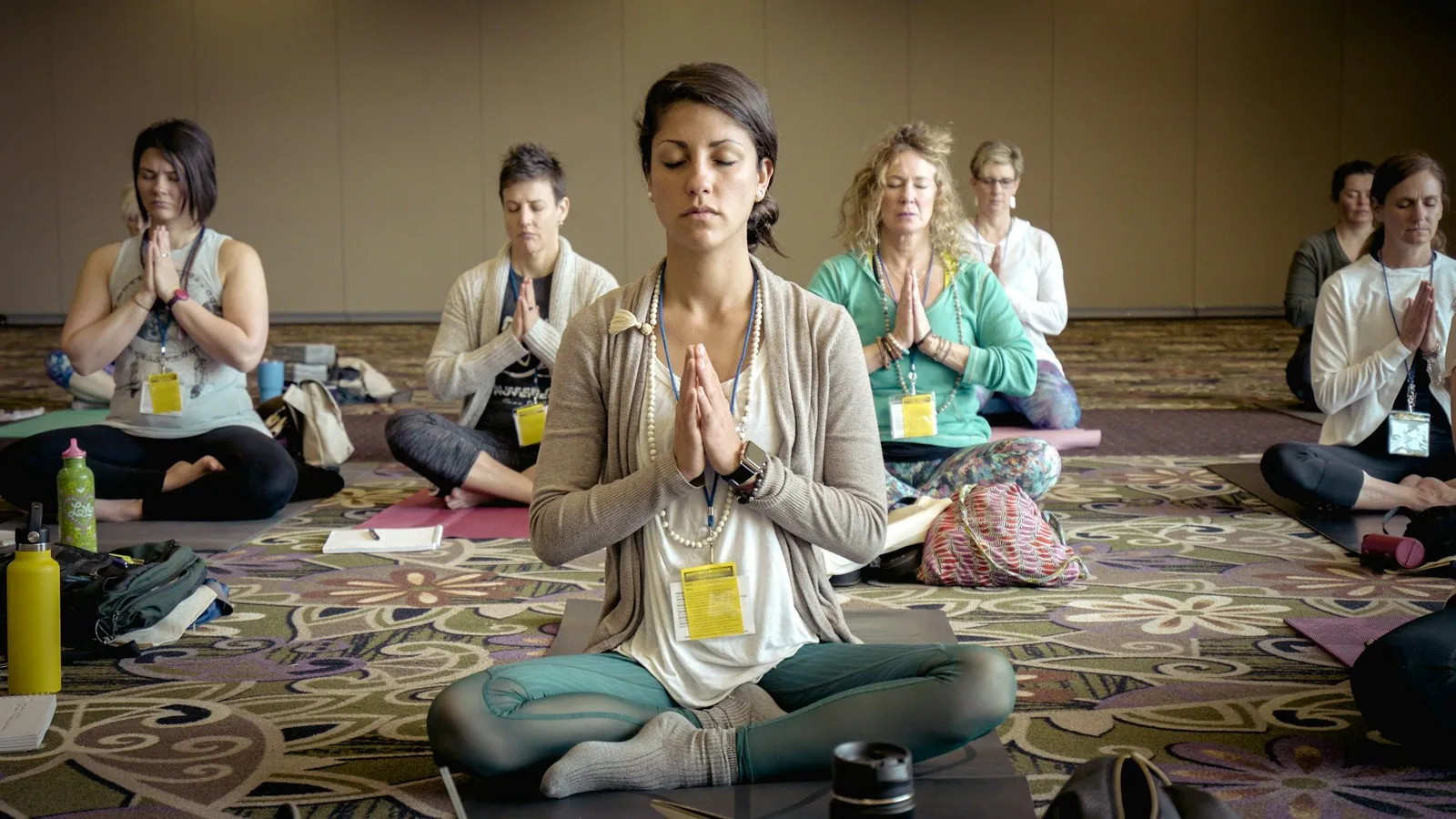
The first morning, the bell rings at five-forty-five. You are in the mountains, and there is still mist in the valley when you walk to the practice pavilion. Twenty other people file in without speaking. That silence is not awkward. It is the first structured thing you will do together. By eight, you have stretched, breathed deliberately for forty minutes, and eaten breakfast without looking at a screen. You are not on vacation. You are on a retreat.
A wellness retreat is a specific thing. It has a daily structure, a shared intention among participants, and a set of practices designed to improve how you feel physically, mentally, or both. It is not a hotel with a spa. It is not a yoga class you attend once. Understanding the difference saves time when choosing and sets realistic expectations when you arrive.
What is a wellness retreat: a working definition
A wellness retreat is a residential program, usually three to seven days, in which participants follow a structured daily schedule focused on physical and mental well-being. The core elements are consistent across almost every format: guided movement, intentional rest, nourishing food, and some form of mindfulness or introspective practice. What varies is the emphasis, the modality, the setting, and the price.
The clearest distinction is between a retreat and a resort. At a resort, you choose your activities from a menu and keep your own schedule. At a retreat, the schedule is set for you. That constraint is the point. Structure removes the low-grade decision fatigue that keeps most people from actually resting, even on vacation.
A retreat is also distinct from a day spa, a single yoga class, or a weekend at a country inn. Those are pleasant. A retreat has more intentional architecture: the day is designed for cumulative effect, not individual sessions. To understand what that looks like in the activities, what wellness activities typically include covers the daily practice layer in detail.
Types of wellness retreats
The term wellness retreat covers a wide range of formats. Knowing which type fits your primary need focuses the search considerably.
Yoga and movement retreats. The most common format. Multiple daily yoga sessions, often with meditation, breathwork, or pranayama integrated. Suitable for all experience levels; beginners and advanced practitioners typically attend the same retreat, with modifications offered.
Meditation and mindfulness retreats. Less physical movement, more contemplative practice. Ranges from silent retreats (no speaking during the program) to guided mindfulness workshops with structured conversation.
Detox and nutrition retreats. Clean-eating protocols, juice cleanses, or Ayurvedic dietary programs. Typically combine nutrition with movement and sleep hygiene education.
Fitness and weight management retreats. Higher-intensity movement, nutritional coaching, and habit formation. Closest to a structured health intervention. For this specific format, what to expect at a weight loss retreat goes deeper.
Spiritual retreats. Focused on inner work, contemplation, or tradition-specific practice (Buddhist, yoga philosophy, secular mindfulness). Varies widely in intensity and belief requirement.
Digital detox retreats. No phones, no laptops, structured offline time. Can overlay any of the above formats; increasingly offered as a standalone feature rather than a side-effect of the schedule.
Creative and arts retreats. Writing, painting, ceramics, or music integrated with wellness practices. Less about physical health, more about creative unblocking and extended focus.
Couples retreats. Structured programming for two people together, from yoga-focused formats to evidence-based therapy intensives. Covered in the couples healing retreat guide.
Ready to compare options across these types? Browse programs by type at retreat-vacation.com and filter by format, length, and region.
What actually happens at a wellness retreat: a typical day
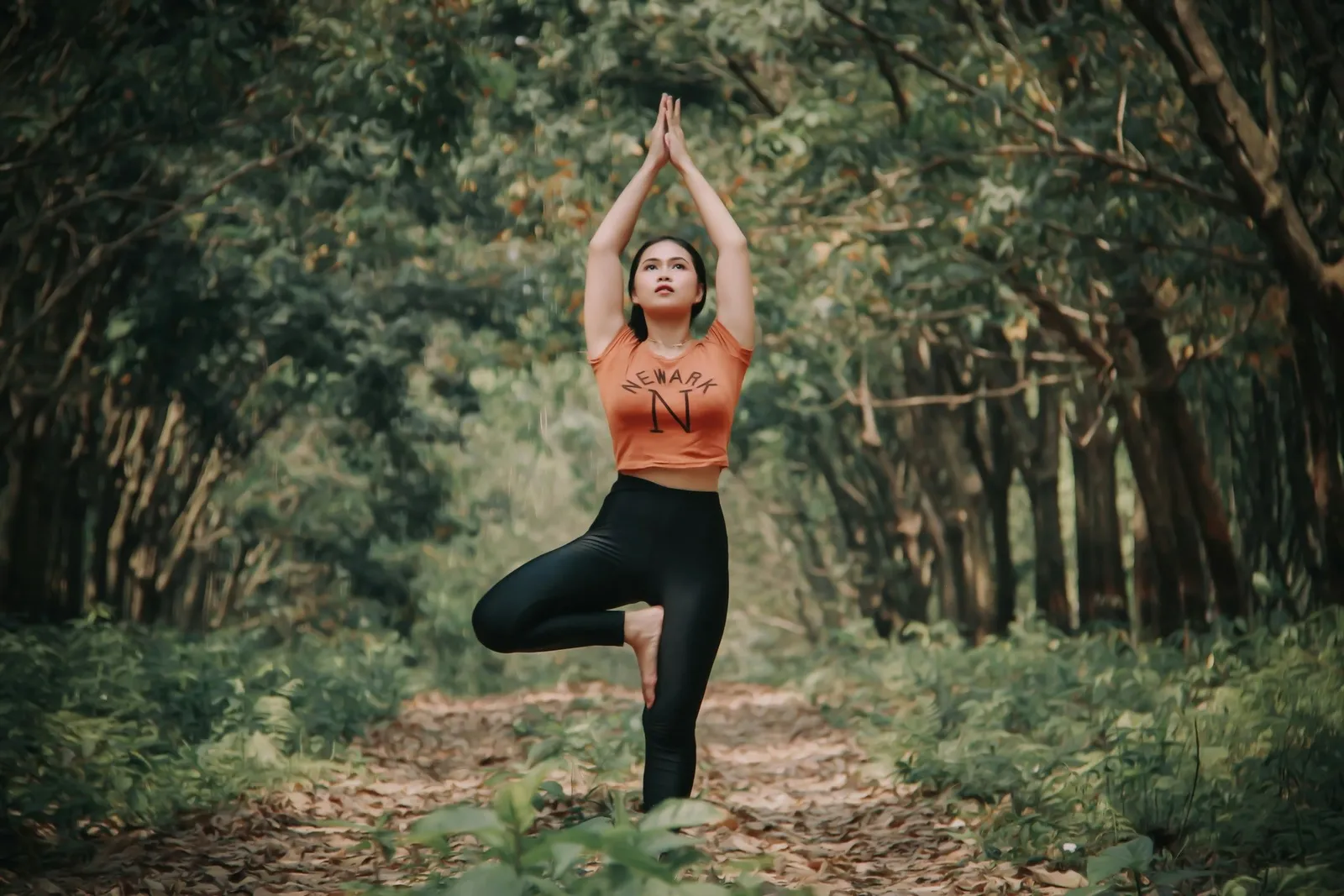
No two retreats run identically, but the structural pattern is consistent enough to describe.
5:45 to 7:00 a.m. Wake-up, sometimes a short nature walk, arrival in the practice space before breakfast. The early start is intentional: the quieter mind before the day fully activates is considered optimal for movement and contemplative practices.
7:00 to 8:30 a.m. Morning movement session. Yoga, tai chi, qigong, or guided stretching, depending on the program. Usually the main physical practice of the day.
8:30 to 9:30 a.m. Breakfast. Typically whole-food, plant-leaning, eaten together. No phones at the table is a standard policy on most programs.
9:30 a.m. to noon. Workshop or teaching session. Could be a class on stress physiology, a breathwork session, a cooking demonstration, a journaling practice, or a discussion of retreat themes. This is the educational or inquiry layer of the day.
Noon to 2:00 p.m. Lunch, free time, optional bodywork appointments (massage, Ayurvedic treatments, usually at extra cost).
2:00 to 5:00 p.m. Afternoon session or free time. Often lighter than the morning: hikes, creative practices, partner exercises, or continued rest.
5:00 to 7:00 p.m. Evening yoga or restorative session. Dinner.
7:00 to 9:00 p.m. Optional lecture, group sharing, or wind-down. Phones off or in a communal basket.
This is the median template. A three-day introductory retreat runs lighter. A ten-day intensive extends the depth. A silent retreat removes the group conversation layer entirely.
Why the retreat setting changes the outcome

The same yoga class you could attend at home, practiced for five consecutive days in a retreat setting, produces different results. That is not marketing copy. It reflects how context shapes practice.
At home, you work around interruptions. At a retreat, the structure removes them. No cooking decisions, no commute, no ambient inbox. Cognitive load drops. When cognitive load drops, practice deepens faster.
Group dynamic compounds the effect. Practicing alongside people who have also stepped outside ordinary life, with a shared purpose, creates a kind of social commitment that solo home practice cannot replicate. Social support is among the most consistently effective buffers against chronic stress response, a pattern documented across decades of behavioral research and summarized in the APA's overview on stress. A retreat builds that environment deliberately.
The residential format also extends the practice window. Most people manage forty to ninety minutes of deliberate wellness practice per day at home on a good week. At a retreat, the structured day runs six to eight hours. That compression shifts baseline patterns in ways that shorter inputs do not.
What a retreat cannot do: fix a chronic health condition in one week, replace ongoing therapy or medical care, or produce changes that outlast your habits at home unless you build on them afterward. The gains from a retreat are most durable when they anchor into small, consistent practices in the weeks that follow.
Who a wellness retreat is for (and who should wait)

A wellness retreat is a good fit when three things are true:
- You have chronic stress, physical stagnation, or low-grade depletion that your current routine is not shifting.
- You are willing to follow someone else's schedule for three to seven days.
- Your primary goal is structured reset and skill-building, not the photographs.
A wellness retreat is not the right first step when:
- You are managing acute mental health symptoms that need clinical assessment. A retreat provides general wellness practices. It is not a therapeutic intervention for depression, anxiety disorders, or trauma. Clinical support is the appropriate entry point.
- You are in active burnout that has not been medically evaluated. For that, burnout recovery retreats covers the format specifically designed for post-burnout recovery.
- Your budget requires debt to attend. Financial pressure undermines the reset. For what is genuinely available at lower price bands, our affordable wellness retreats guide is the starting point.
- You expect one retreat to permanently change your life. It can shift your baseline. The durability depends on what you do in the weeks after.
Many first-time retreat participants are working professionals in their thirties and forties looking for a structured way out of a routine that has stopped working. The format serves that profile well.
How to choose the right wellness retreat
A short decision sequence for narrowing from "wellness retreat" as a category to a specific program.
Identify your primary need first. Rest and decompression? Movement reset? Mindfulness skills? Ayurvedic protocol? Your answer determines which type from the section above applies.
Match length to goal. A weekend (three days) delivers rest and an introduction. A week allows for habit formation. Two to three weeks is the window for deeper protocol-based programs.
Set a realistic budget. Price range for a week is wide: a working ashram or developing-market center can run well under $1,000 including everything; a private suite at a premium North American or Caribbean property can reach several thousand dollars for the same week. For honest picks across the price range, affordable wellness retreats is the place to start.
Solo or group. Group retreats are less expensive and provide community dynamic. Private booking with dedicated instruction exists at higher price bands.
Read the daily schedule, not the marketing page. The information that matters: how many hours of guided practice per day, what kind, what is optional versus required, what the food situation is. The photography is not the program.
For readers interested in how personal wellness habits complement retreat goals, personal wellness practices is the companion read for everyday integration.
Frequently asked questions
What is the difference between a wellness retreat and a wellness resort?
A spa resort offers amenities on demand: you book treatments, use the facilities when you choose, and set your own schedule. A wellness retreat runs a structured daily program with set times for practices, meals, and sessions. A resort produces access to facilities. A retreat produces a structured experience. Neither is better, but they serve different needs.
What do you actually do at a wellness retreat?
The core activities on most programs are guided movement (yoga, tai chi, or similar), meditation or breathwork sessions, communally prepared meals, and workshops on topics like stress management, sleep, or nutrition. Most programs also include unstructured free time and optional bodywork treatments at extra cost. The exact mix depends on the retreat type.
How long does a wellness retreat last?
Programs range from one-day immersions to three-week intensive stays. Most first-timers choose a long weekend (three to four days) or a week-long program. Weekend retreats suit rest and orientation. A full week allows for the schedule to become habitual and for deeper workshop content. Fourteen-day-plus programs are specialized: Ayurvedic protocols, extended silent retreats, or intensive fitness programs.
Are wellness retreats worth it?
For structured reset and skill-building, yes, for most people who choose a program that matches their actual primary goal. The retreats that disappoint are almost always chosen for the setting and the photographs rather than for what the daily schedule actually involves. The setting is irrelevant if you do not want to practice the core activity twice a day.
Who should go to a wellness retreat?
Most people who benefit are managing chronic stress, low energy, or physical stagnation that their current routine is not shifting. They want more than passive rest and are willing to follow a structured schedule. They are not managing acute clinical symptoms that require medical or therapeutic intervention.
How is a wellness retreat different from a regular vacation?
A vacation is self-directed: you choose activities, set your own pace, and explore at will. A retreat is structured: the schedule is set, the practices are guided, and the intention is explicit. A vacation is good for recovering energy. A retreat is better for changing a pattern. If your current routine is draining you faster than a week of beaches can refill you, the retreat format is probably the more useful option.
Plan your next retreat
Browse over 1,000 curated retreat programs at retreat-vacation.com. Filter by retreat type, program length, region, and price band to find options that match your primary goal. The catalogue covers yoga and meditation retreats, detox programs, fitness-focused stays, digital detox formats, and Ayurvedic programs across every price tier. Most week-long fall 2026 programs begin filling in summer, so filtering by your travel window first narrows the options faster.