
Table of Contents
- What are wellness activities?
- The 7 types of wellness activities
- Physical wellness activities
- Mental wellness activities
- Social wellness activities
- Spiritual wellness activities
- Environmental wellness activities
- Nutritional wellness activities
- Creative wellness activities
- Why a retreat setting changes how these activities work
- What wellness activities look like at a retreat
- How to choose a retreat based on what you actually need
- Frequently asked questions
- What are the 7 areas of wellness?
- What wellness activities are most common at retreats?
- How long does a wellness retreat need to be to feel a difference?
- Are wellness retreat activities suitable for beginners?
- What is the difference between wellness activities at a retreat and therapy?
- Find your next wellness retreat
The first yoga class of the day starts at 7 a.m. The instructor does not ask how you slept. She opens the door to the outdoor shala, cold mountain air rolls in, and class begins. By the time you reach savasana forty-five minutes later, the morning fog has lifted enough to show the ridge line. That is one wellness activity. The retreat you are at offers eight more before dinner.
This guide covers what wellness activities are, how the seven recognized dimensions of wellness map to specific practices, and why the retreat format tends to produce results that self-directed practice at home does not. For context on the broader retreat format itself, what a wellness retreat is is the orientation read.
What are wellness activities?
Wellness activities are practices you do with the explicit goal of improving your health across one or more dimensions: physical, mental, social, spiritual, environmental, nutritional, and creative. The word "activities" distinguishes them from passive rest. You are doing something, not just not working.
The seven-dimension model comes from behavioral health research and is used by most professional wellness programs to avoid the trap of treating only one dimension (usually the physical) and neglecting others. A gym membership hits one dimension. A well-designed retreat typically hits four or five in a single week.
The most useful working definition: a wellness activity is a structured practice with a measurable or observable outcome, done consistently enough to produce a change you can feel. Meditation is a wellness activity. Reading quietly on a Tuesday evening may or may not be, depending on whether it is a practice or just avoidance.
The 7 types of wellness activities
Physical wellness activities
Physical wellness activities improve cardiovascular function, muscular strength, flexibility, and body composition. The category is wide: yoga, pilates, trail running, cold-water swimming, strength training, and breathwork all qualify.
At retreats, physical activities are scheduled, coached, and sequenced across the week rather than left to individual initiative. A yoga program might begin with a gentler yin practice on day one (arrival day, unknown bodies in the room) and progress to a more demanding flow by day four. That progression is deliberate.
The World Health Organization recommends at least 150 minutes of moderate-intensity aerobic activity per week for adults, plus muscle-strengthening activities twice weekly. A six-day retreat can cover that threshold in the first three days.
Mental wellness activities
Mental wellness activities build cognitive resilience: the ability to manage stress, sustain focus, process difficult emotions, and maintain a realistic relationship with your own thoughts. This includes meditation, journaling, breathwork, and structured workshop formats such as cognitive coaching and somatic work. A 2014 meta-analysis in JAMA Internal Medicine reviewing 47 randomized controlled trials found that mindfulness meditation produced small to moderate reductions in anxiety, depression, and stress-related symptoms, making it one of the better-evidenced activities in this category.

Journaling in particular works differently in a retreat context than at home. You are not squeezing ten minutes between emails. You have ninety minutes in a quiet room, a prompt, and nothing else you are supposed to be doing. The quality of what surfaces is different.
Social wellness activities
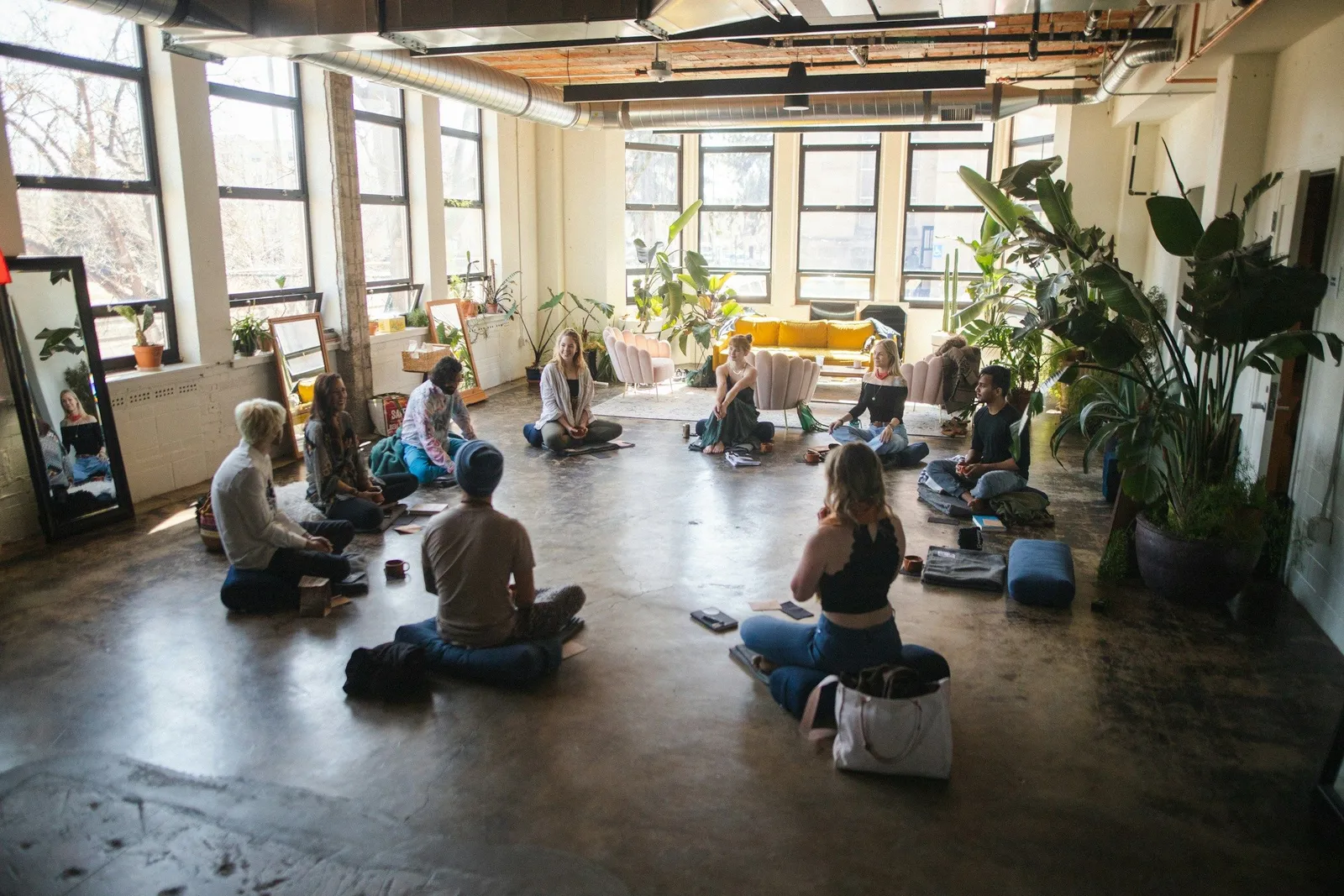
Social wellness activities strengthen your capacity to form and sustain meaningful connections. At retreats, this most often looks like group sharing circles, partner exercises, communal meals, and guided conversation formats that move beyond small talk faster than ordinary social settings permit.
The social dimension is frequently the most surprising one for participants who arrived for yoga or meditation and find that the conversation over breakfast on day three is the thing they remember longest. Proximity and shared experience accelerate intimacy in a way that organized social events at home rarely do.
Spiritual wellness activities
Spiritual wellness is not synonymous with religion. It refers to your relationship with meaning, purpose, values, and something larger than daily routine. Practices include silent meditation, intention-setting workshops, nature immersion, gratitude journaling, and sound meditation.

Silent retreats are the clearest example of spiritual wellness as a structured activity: the format removes the noise long enough for something to surface. No specific belief system is required.
Environmental wellness activities
Environmental wellness activities create a conscious relationship between you and your physical surroundings. This includes forest bathing (shinrin-yoku), barefoot walking, outdoor meditation, nature journaling, and cold-water immersion in natural bodies of water.
Time in nature is consistently associated with lower perceived stress and reduced cortisol response. A retreat in an alpine forest, a coastal property, or a river valley amplifies this simply by removing you from the urban sensory environment and placing you in a different one for days at a stretch rather than a lunch break.
Nutritional wellness activities
Nutritional wellness activities at retreats go beyond eating three clean meals. They often include cooking workshops, nutritional consultations, and guided mindful eating sessions where you eat in silence and pay attention to taste, texture, and satiety rather than eating through a screen.
Detox-format retreats build the entire daily structure around nutritional protocols: juice programs, elimination diets, Ayurvedic meal timing. These are structured as activities, not just meal service.
Creative wellness activities
Creative wellness activities use artistic expression, movement, and play as pathways to emotional processing and self-discovery. Common forms at retreats include ecstatic dance, art therapy workshops, expressive movement, and sound healing.
These tend to be the activities people arrive most skeptical about and leave most likely to recommend.
Why a retreat setting changes how these activities work
The same wellness activity in two different contexts produces different results. The mechanism is not mystical.
At home, every wellness activity requires a separate decision: what to do, when, whether you can justify the time today. At a retreat, the schedule exists. You show up. That elimination of micro-decisions (when to meditate, whether to skip the cold plunge, what to eat) removes a friction layer that derails most self-directed wellness routines within the first week.
Guided instruction prevents plateaus. An experienced instructor corrects your breath pattern in the third meditation session in a way that video instruction cannot. The tactile correction, the real-time adjustment, the dialogue about what you are noticing: these are available only in person.
Community creates accountability. When eight other people are getting up for the 6:30 a.m. cold plunge and you can hear them in the hallway, the activation threshold drops significantly.
Environment supports the nervous system. Natural settings, low-light mornings, absence of traffic noise, and physical distance from work contexts shift the autonomic nervous system toward parasympathetic activity. The retreat environment is doing part of the work before the first session starts.
A week of daily practice does not just give you seven sessions. It gives you a felt experience of what consistency produces: clearer sleep, a longer gap between stimulus and reaction, a quieter baseline. That felt sense changes the value calculation when you return home in a way that knowing it intellectually does not.
What wellness activities look like at a retreat
Most wellness retreats organize the daily schedule around two or three anchor activities and fill the rest with elective programming. A yoga-focused program might run:
- 6:30 a.m.: optional cold plunge or morning walk
- 7:00 a.m.: pranayama and morning yoga (90 minutes, full group)
- 9:00 a.m.: communal breakfast (silent or conversational depending on the program)
- 10:30 a.m.: workshop (meditation, journaling, somatic session, or guest speaker)
- 12:30 p.m.: lunch
- 2:00 to 5:00 p.m.: free time, optional treatments, personal practice
- 5:30 p.m.: afternoon yoga or movement session
- 7:00 p.m.: dinner
- 8:30 p.m.: evening program (group sharing, sound bath, or early quiet time)
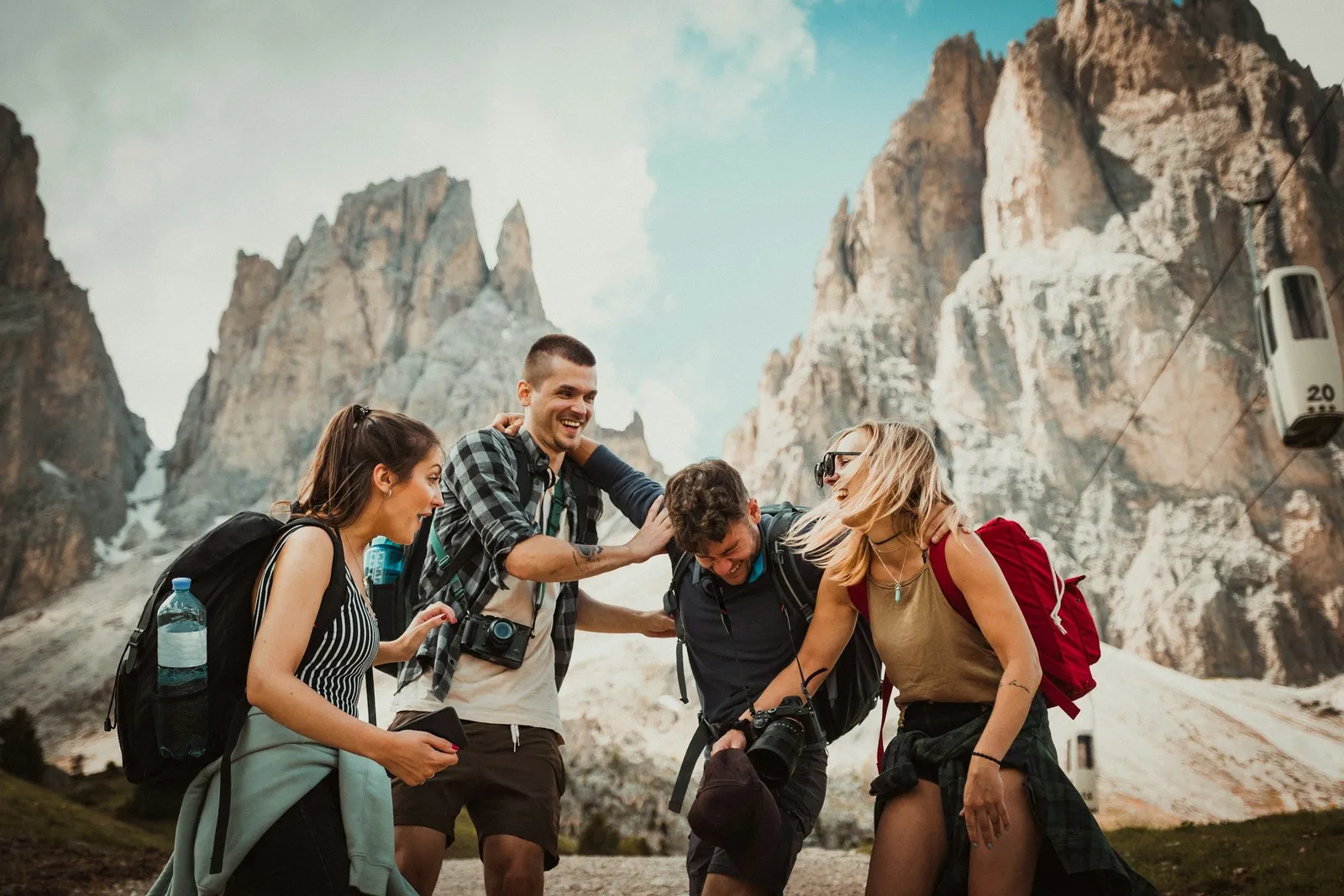
Format variations matter significantly. A silent retreat removes the social programming entirely. A detox program reorients the schedule around nutritional protocols and cleansing education. An adventure-wellness hybrid shifts the physical anchor from yoga to hiking or kayaking and builds mental and social activities around that. For travelers going alone, the social programming is often the draw rather than the add-on: solo wellness retreats covers how that format differs.
If you know which type of activities you want, you can filter by them directly: browse by activity type at retreat-vacation.com.
How to choose a retreat based on what you actually need
Start with one question: which dimension of wellness is most depleted right now?
If the answer is physical: look for programs with strong movement anchors, a published daily schedule, and qualified instruction. Check whether the physical level matches your actual fitness. Most programs offer gentle and more dynamic options, but verify before you book.
If the answer is mental: prioritize programs with dedicated meditation and workshop time rather than activity-heavy schedules. A program with three yoga classes per day and one 30-minute sit is physical, not mental.
If the answer is emotional or relational: the social programming matters most. Group sharing formats, experienced facilitators, and smaller group sizes (10 to 16 participants) indicate a program designed for depth rather than throughput. For relationship repair specifically, the couples healing retreat format is a different category.
If the answer is all of the above: a general wellness program with a balanced schedule across physical, mental, social, and nutritional dimensions is usually the right entry point. Affordable wellness retreat options starting under $2,500 per week often deliver the broadest activity variety, because the format economics favor group programming over individual amenities.
Four questions worth asking before you commit:
- Is the daily schedule published, or does the program description say "a variety of wellness activities"? Published schedules signal organized programs.
- What is the instructor-to-participant ratio for core activities?
- Is accommodation single or shared? For mentally exhausted participants, a private room matters more than one additional yoga class.
- What happens if a session is not right for you? Reputable programs have a clear opt-out protocol, not social pressure to participate in every session.
For programs focused specifically on weight management as a wellness goal, weight loss retreats cover that category in depth.
Frequently asked questions
What are the 7 areas of wellness?
The seven areas are physical, mental (or emotional), social, spiritual, environmental, nutritional, and creative wellness. Some frameworks swap nutritional and creative for occupational and financial, depending on the professional context. Retreat programs typically emphasize the first five; occupational and financial wellness are better addressed through coaching or specialized programs outside the retreat format.
What wellness activities are most common at retreats?
Yoga and meditation appear across nearly every format and region. Beyond these, breathwork (pranayama or standalone breathwork sessions), nutritional workshops, group sharing circles, sound healing, and nature-based activities (hiking, forest bathing) appear consistently in general wellness programs. More specialized retreats add cold-water immersion, art therapy, or movement improvisation to the mix.
How long does a wellness retreat need to be to feel a difference?
It depends what you are optimizing for. Three to four days is enough for most people to notice a perceptible shift in sleep quality and stress levels; it is not enough to establish a lasting practice. Seven days is the threshold most retreat practitioners use as a minimum for a complete program arc: arrival and settling, deepening, and integration. Programs shorter than three days tend to feel like a taster rather than a reset.
Are wellness retreat activities suitable for beginners?
Yes. Most general wellness retreats are designed specifically for participants with no prior experience in yoga, meditation, or any other modality on the program. Check the level description before booking: terms like "all levels," "beginners welcome," and "foundational" are meaningful signals. An advanced yoga retreat may list prerequisite experience; if the description is silent on level, ask before you commit.
What is the difference between wellness activities at a retreat and therapy?
Wellness activities are not therapy and should not be presented as a substitute for it. They operate in the prevention and resilience space: reducing stress, improving sleep, building practice habits, and supporting emotional wellbeing in people who are generally functioning well. If you are managing a diagnosed mental health condition, look for programs with licensed clinical staff or programs specifically designed as therapeutic intensives, which are a separate category. The distinction is not always obvious from marketing copy, so read the facilitator credentials carefully.
Find your next wellness retreat
The activities covered in this guide are only useful if you actually do them. A retreat removes the reasons you have been not doing them. Browse over 1,000 curated programs, filterable by activity type, region, duration, and price, at retreat-vacation.com and find the format that fits where you are right now. If you want to narrow down the type of program first, wellness retreat ideas covers the main formats and what each suits.