
Table of Contents
- What Makes a Silent Yoga Retreat Different
- What Happens at a Silent Yoga Retreat: A Typical Day
- The Honest First 48 Hours
- Who Silent Yoga Retreats Are (and Aren't) For
- Benefits: What the Research Actually Shows
- Choosing a Silent Yoga Retreat: Duration, Style, and Setting
- Practical Preparation: How to Get Ready
- Frequently asked questions
- What is a silent yoga retreat?
- Can you still receive yoga instruction if you cannot talk?
- How long does a silent yoga retreat last?
- Do I need to be an experienced yogi to attend?
- How much does a silent yoga retreat cost?
- Is it normal to feel worse before you feel better?
- What is the difference between a silent yoga retreat and a regular yoga retreat?
- Plan your next retreat
The teacher steps to the front of the room, unrolls her mat, and sits. No welcome. No instructions. No "settle in and take a breath together." Thirty seconds of waiting that feel longer than they are, and then her eyes close. The session has begun. You realize there is nothing to say and, for the first time in a yoga class, nothing to perform.
That moment is the difference between a standard yoga retreat and a silent one. If you are new to the idea of silent retreats more broadly, what a silent retreat is covers the full context. This guide is about what happens when silence and yoga specifically combine, and what that means for your practice.
What Makes a Silent Yoga Retreat Different
A silent yoga retreat is not a quiet yoga retreat. It is a retreat where participants observe noble silence for some or all of the program: no verbal communication between participants, minimal device use, and often a restriction on reading. The yoga sessions themselves are not soundless, but the social layer is stripped out entirely.
Silence changes a yoga practice in three particular ways.
It removes the social performance layer. In a standard class, you are aware of the person next to you. You adjust your warrior two to match theirs without meaning to. You judge your forward fold against whoever is touching the floor. In a silent retreat, the room disappears in a useful way. There is no one to compare yourself to and no one watching you adjust.
It forces proprioceptive depth. In most classes, you have a teacher's voice telling you where your hips should be, when to inhale, how long to hold. Remove that and you have to listen to your own body. Practitioners consistently report that poses they have done for years feel different by day three, because they are navigating them internally for the first time.
It lets yoga's meditative dimension emerge. Yoga and meditation are one practice in its traditional framing, but contemporary studio culture separates them almost completely. A silent retreat closes that gap. Movement and stillness share the same container. For readers new to yoga retreats in general, what a yoga retreat involves is a useful orientation before choosing a silent format.
What Happens at a Silent Yoga Retreat: A Typical Day
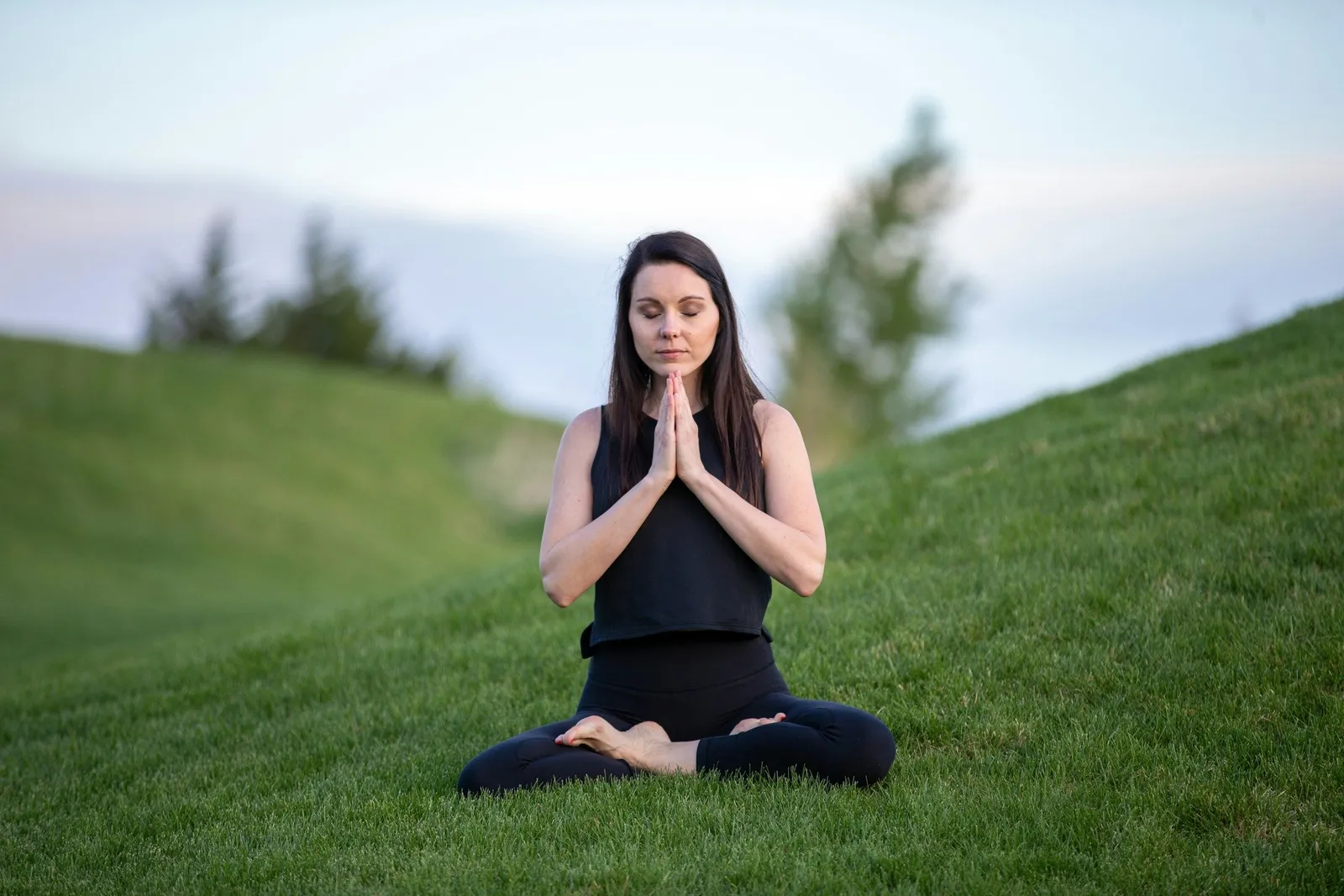
Most 5-7 day residential silent yoga retreats follow a similar daily arc. This is a representative sketch, not a specific program.
Pre-dawn (5:30 to 6:30 a.m.). Light pranayama or solo walking practice. Some programs ring a bell; others leave this as personal time. The silence makes early mornings easier than you expect: the day begins without a decision about what to say.
Morning yoga session (7:00 to 9:00 a.m.). The main physical practice. The teacher demonstrates rather than describes. Adjustments are physical, not verbal. Some programs use ambient music; others use silence only. This tends to become the deepest physical practice most participants have experienced by day three or four.
Silent breakfast. Meals are fully silent. Teachers and staff also observe silence in common areas. The first silent meal is strange; by day three, it is ordinary.
Midday practice (11:00 a.m. to 1:00 p.m.). Seated meditation, walking meditation, or gentle self-guided movement. Rest is permitted and encouraged.
Afternoon yoga (3:00 to 5:00 p.m.). Typically yin or restorative. The slower pace allows the morning's awareness to settle into the connective tissue. Emotional material surfaces more readily in yin sessions; reputable programs note this in orientation.
Evening. Many programs include an optional dharma talk or brief teacher reflection (20-30 minutes). Journaling is encouraged. Most programs ask for silence to continue until lights-out around 9:30 or 10 p.m.
The Honest First 48 Hours
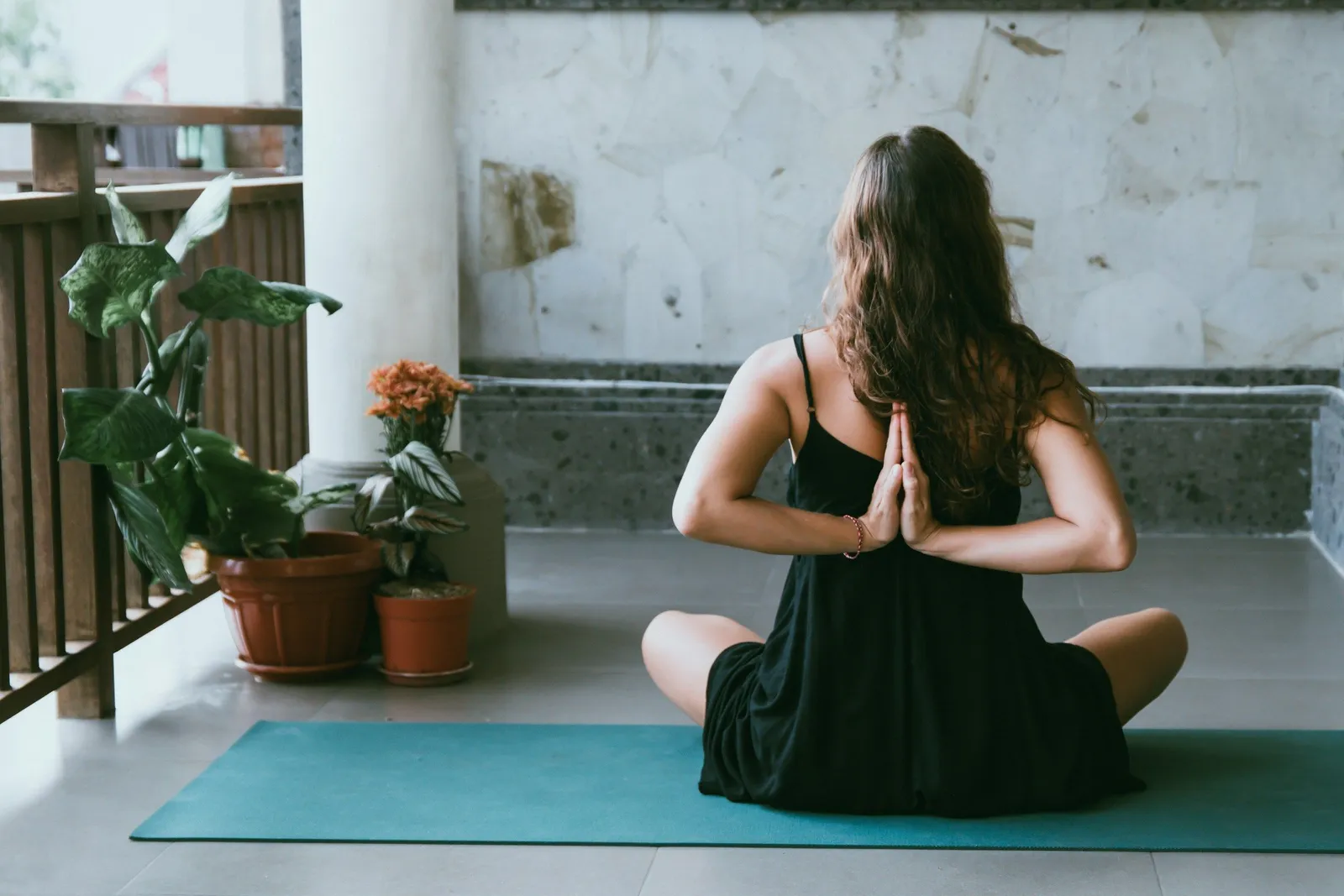
No one tells you this part honestly, so here it is.
Day one. The social discomfort peaks at meals. Sitting across from someone you do not know, not speaking, eating deliberately: for most Westerners this triggers something between mild unease and acute awkwardness. The yoga session goes well enough, but the mind runs at full speed. The urge to check your phone, which has been left in your room or handed to reception, becomes specific and insistent by mid-afternoon.
Day two. This is typically the hardest day. The mind, deprived of its usual inputs, runs louder than it does at home. Thoughts are unpleasant in a way that feels disproportionate to what is actually happening: you are fine; nothing is wrong. The body is tight in the morning session. The afternoon yin surfaces things. Some people cry. This is not a malfunction.
Day three and onward. This is when most participants describe the shift. Sensory perception sharpens noticeably. The food tastes different. The morning session that had you glancing at the clock is suddenly just your session. Silence, instead of feeling like a constraint, starts to feel like the condition under which actual practice becomes possible.
The shift is not guaranteed, and it does not happen on a fixed schedule. Some participants find it comes earlier; some later; some only in the final evening. Feeling unsettled in the first 48 hours is not a sign the retreat is wrong for you.
Who Silent Yoga Retreats Are (and Aren't) For
A good fit:
- Yoga practitioners with some regular practice who want to go deeper. Not necessarily advanced, but enough of a foundation to work from demonstration rather than verbal instruction. Several months of consistent practice is a reasonable baseline.
- People managing sustained stress or burnout whose experience of talking about the problem has not moved the needle. Silence creates a different kind of processing.
- Meditators who want a structured physical container for their practice. Silent retreats without yoga can feel underembodied; this format solves that.
Approach with care:
- Complete beginners to both yoga and meditation. The format is harder to navigate without some baseline in either practice. A yoga retreat for beginners is a more appropriate starting point.
- People in acute mental health crisis. Silence surfaces material that normally gets managed by activity and social contact. That process is valuable in the right container, but a retreat is not a clinical one.
- Anyone who needs real-time verbal instruction to practice yoga safely, for example if you have an injury that requires specific guidance for safe modification.
If you are uncertain whether you are ready, most programs offer a phone intake or email Q&A before booking. Use it.
Benefits: What the Research Actually Shows
Four benefits that hold up, and one honest note about the limits of the evidence.
Reduced stress markers. A 2024 systematic review published in PubMed Central (PMC11626984) found that residential retreat programs produce benefits that appear more enduring than vacations or outpatient mindfulness programs, including reduced cortisol and decreased C-reactive protein, a marker of systemic inflammation.
Improved body awareness. Take the teacher's voice away and you have to feel your way through your own practice. Most practitioners report that poses they have done hundreds of times feel noticeably different by day three: not harder, just unfamiliar in a useful way. The instructor's cue had been doing cognitive work they did not realize they were outsourcing.
Better sleep during the retreat. Reduced light exposure, no device use, regular physical practice, and consistent lights-out times produce measurably better sleep for most participants. Most residential retreat formats share this benefit, with or without the silent component.
Reduced inflammatory markers in programs combining yoga with dietary changes. The PMC11626984 review found roughly a 3% body weight reduction and reduced inflammatory markers in programs that combined yoga practice with structured dietary interventions. Most silent yoga retreats include vegetarian or plant-based meals as part of the format.
The honest caveat: most of the research covers meditation retreats broadly, not silent yoga retreats specifically. Studies isolating the silence-plus-yoga combination are limited. The benefits above are well-supported for residential retreat formats in general; the claim that silent yoga retreats specifically outperform non-silent ones is not yet established in the published literature.
Ready to look at what is available? Browse yoga retreat programs at retreat-vacation.com and filter by duration and style to surface silent-format options.
Choosing a Silent Yoga Retreat: Duration, Style, and Setting
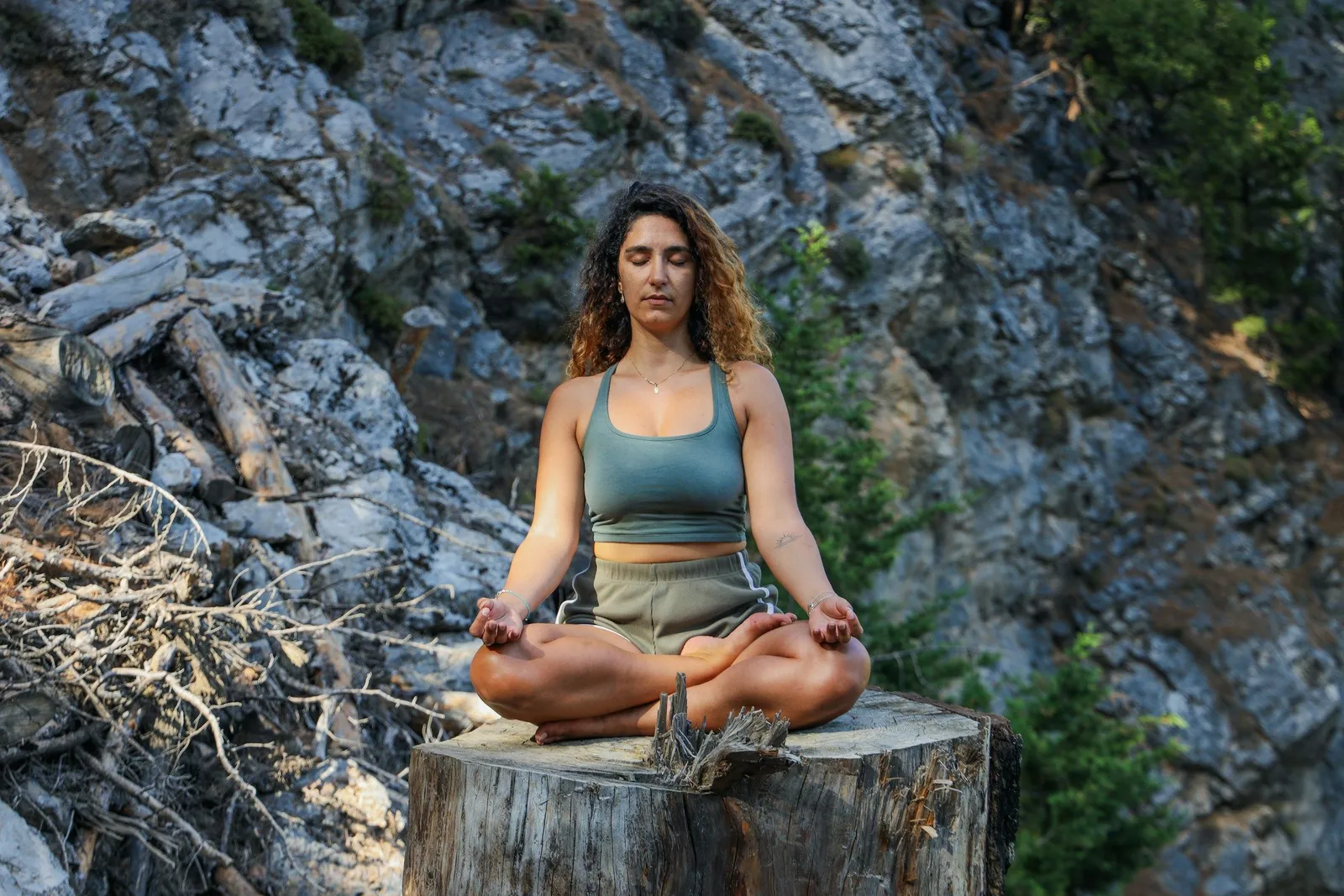
Duration
- 3-day weekend programs. The most accessible format for first-timers. Long enough to move past the initial discomfort; short enough to fit around a work schedule. The shift described in the "honest first 48 hours" section often begins just as the program ends. Still worth doing as an introduction. For the meditation-only version of this duration, 3-day silent meditation retreats covers the format in detail.
- 5-7 days. The sweet spot for practitioners with some retreat experience. Enough time for the adjustment to settle and the proprioceptive deepening to occur in a sustained way.
- 10+ days. Typically structured around an intensive format with multiple sessions per day and strict silence throughout. Best suited to people with prior retreat experience. For the tradition-specific version, Buddhist silent retreats covers the Vipassana-style programs in this duration range.
Yoga style
Yin yoga and restorative yoga are the most common in silent retreat formats. Both are slow enough to complement stillness and deep enough to surface the internal awareness that silence opens. Hatha is the next most common. Dynamic Vinyasa appears less often: the verbal sequencing that Vinyasa classes typically rely on creates friction with the silent format.
Setting and price ranges
- Central Europe (Austria, Germany, Switzerland). Accessible from North America and the UK. Programs tend to be 3-7 days in alpine and forest settings, typically small groups of 8-15 participants. Silent practice has deep roots in this region.
- Southern Europe (Portugal, Spain). Coastal and inland formats, mild climate year-round. Five to seven day programs are common, often integrating yin yoga with nature immersion.
- Southeast Asia (Bali, Thailand). The highest concentration of longer immersive programs, 7-21 days. Budget to luxury range. Donation-based Vipassana programs exist in Thailand; the yoga integration varies by program.
- North America (Pacific Coast, New England, Appalachian Mountains). Accessible for US and Canadian readers. Three to five day programs are common on the East Coast; the Pacific Northwest and California run more varied yoga styles in the silent format.
Programs in the current catalogue start from around €170 for shorter residential stays. Mid-range 5-7 day programs vary considerably by region and season. Premium multi-week formats at specialist centers reach several thousand euros. Browse current availability at retreat-vacation.com/all/c/silent-retreats (57 programs, 4.9 stars from 162 reviews). For the upper tier specifically, luxury silent retreats narrows the field.
Practical Preparation: How to Get Ready
Take 30 to 60 minutes of no-talking, no-screen time in the week before you go. Do it in the evening. The first silent meal at the retreat will still be strange, but the practice helps.
Establish your yoga baseline. Daily practice for two to three weeks before the retreat helps your body handle the schedule without the schedule becoming the focus. If you are going from near-zero to twice-daily sessions, the physical adjustment will compete with the contemplative one.
Write your intention before you go. Not a goal ("I want to feel less stressed") but a direction ("I want to understand what happens when I stop explaining myself"). Goals have a pass or fail; intentions have a compass.
Pack for comfort, not performance. Comfortable layers you can move in. An eye pillow. Your own mat if you have one. A physical journal rather than a device. Thermal socks if the setting is a mountain property.
Lower your expectations for the first 48 hours. Plan to feel uncomfortable. Plan to want to leave by day two. Knowing the discomfort arc in advance does not eliminate it, but makes it easier to wait through.
And plan your re-entry. Do not schedule a full day of calls or social obligations for the day you return. The transition from retreat silence to ordinary noise takes a day or two. Protect that buffer if you can.
Frequently asked questions
What is a silent yoga retreat?
A yoga retreat where participants observe noble silence (no verbal communication, minimal device use) for all or most of the program. Yoga sessions are taught through demonstration and physical adjustment rather than verbal instruction. For the full definition and format context, our guide to what a silent retreat is covers the broader picture.
Can you still receive yoga instruction if you cannot talk?
Instruction continues throughout. Teachers demonstrate poses rather than narrating them, and use physical adjustments for alignment corrections. Most programs also give participants a brief written orientation before silence begins, covering the basics so the silent period can start without confusion. What the silence restricts is conversation between participants, not the teacher's ability to guide practice.
How long does a silent yoga retreat last?
Most programs run 3 to 7 days. Three-day weekend formats are the most accessible for first-timers. Five to seven days is enough time for the adjustment period to pass and the deeper shift to settle in. Programs of 10 or more days typically follow an intensive Vipassana-style schedule and are better suited to practitioners with prior retreat experience.
Do I need to be an experienced yogi to attend?
Some familiarity with yoga helps, since instruction relies on demonstration rather than real-time verbal correction. A few months of regular studio practice gives you enough of a physical vocabulary to follow along. Complete beginners to yoga are better served by a yoga retreat for beginners first.
How much does a silent yoga retreat cost?
Programs in the current catalogue start from around €170 for shorter residential formats. Donation-based Vipassana programs exist at no fixed cost, but these are intensive meditation programs rather than yoga-focused retreats. Mid-range and premium programs vary significantly by region and duration; the overall range across the catalogue runs from entry-level to several thousand euros for multi-week specialist formats.
Is it normal to feel worse before you feel better?
Almost always. The first 24 to 48 hours tend to surface thoughts and feelings that normally get muffled by activity and conversation. For most participants this peaks around day two and then settles noticeably. The discomfort is a sign the format is working, not a reason to leave.
What is the difference between a silent yoga retreat and a regular yoga retreat?
The social and instructional scaffolding is removed. In a regular yoga retreat, you have a teacher talking you through each pose, other participants to glance at for reference, and small talk at meals. In a silent retreat, all three disappear. The yoga itself is the same; what changes is the internal environment in which you practice. Most practitioners report this shifts the experience substantially by day two or three, even in a program with an identical asana sequence.
Plan your next retreat
The silence changes what you can access in a yoga practice. If this guide has made the case for trying it, browse yoga retreat programs at retreat-vacation.com. Filter by duration, style, and setting to surface silent-format programs alongside the full yoga catalogue. Most 5-7 day residential programs for fall 2026 book two to three months ahead, so filtering by your travel window first saves the most time.