
Table of Contents
- What "solo" actually means at a wellness retreat
- Why going alone works for some people (and when it doesn't)
- A day inside a solo wellness retreat
- The formats and how to match one to your goal
- Solo wellness retreats for women
- How long do you need?
- What does it cost?
- What to pack (and what to leave behind)
- Frequently asked questions
- What is a solo wellness retreat?
- Are solo wellness retreats awkward or lonely?
- Why go on a wellness retreat alone?
- What do you do at a solo wellness retreat?
- How much does a solo wellness retreat cost?
- Can beginners attend solo wellness retreats?
- What should I bring to a solo wellness retreat?
- Plan your next retreat
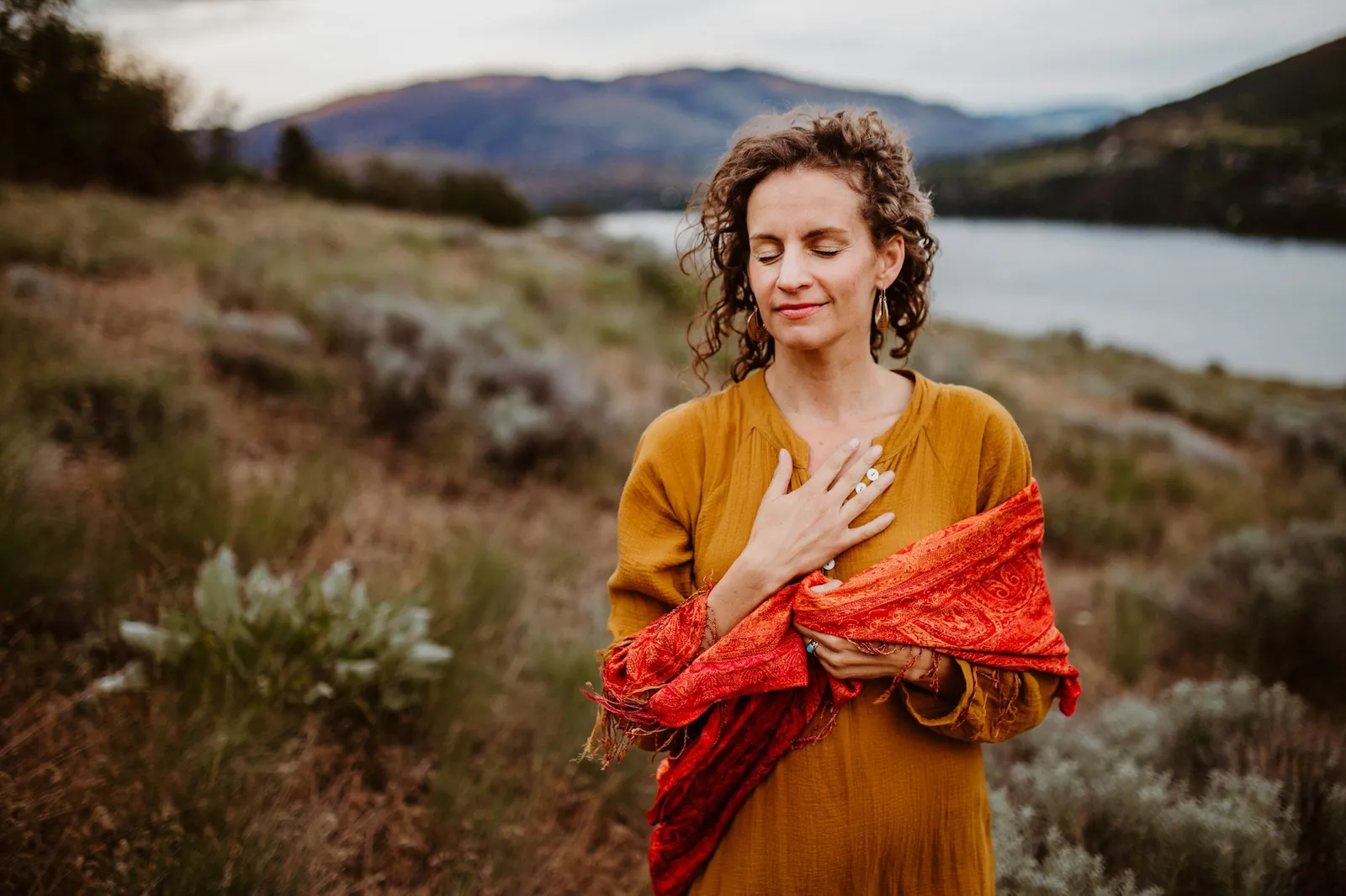
The first morning, there is no one waiting on you. You wake because the bell rang, or simply because you woke, and the day is already structured around what you need rather than around managing anyone else. No inbox. No one expecting a reply before 8. The only question is whether to start with the yoga session or sit with coffee and watch the mountains clear. That absence of obligation is not loneliness. It is the point.
Solo wellness retreats have a quiet reputation as something people do when they cannot find a travel companion, or after a difficult season. That reading misses what they actually are: a format designed for individual focus, not as a consolation. This guide covers what they are, who they suit, how to match a format to a goal, and what a week inside one actually looks like. For the foundation on what wellness retreats are at all, what a wellness retreat is covers the fundamentals.
What "solo" actually means at a wellness retreat
"Solo" means you book independently and follow your own program within the retreat's offerings. It does not mean you are alone for the week. Almost every structured wellness retreat operates on a communal model: shared meals, group yoga or meditation sessions, communal spaces, group workshops. You will be around people throughout the day. What you will not have is a fixed companion whose schedule, energy, and interests you need to manage alongside your own.
This distinction matters because it reframes the question most first-timers get stuck on: "Will it feel awkward to go alone?" Almost never. Retreats are designed to welcome people who arrive without a built-in social group. Nobody is paired up. The first meal's conversation usually takes care of itself.
Why going alone works for some people (and when it doesn't)
The practical case for solo retreat travel is about attention. When you travel with a partner or group, some portion of energy goes to managing the shared experience: are they enjoying this, do they need a break, should we skip the afternoon session. That overhead is subtle enough that most people do not notice it until it is gone.
Solo booking removes it entirely. You attend the sessions that interest you, skip the ones that do not, go to bed when you are tired, and spend free time in whatever way restores you rather than in whatever way satisfies two people at once.
It also makes it easier to go deeper in personal processing. Workshops on stress patterns, identity, or difficult emotions land differently when your partner is not sitting next to you with a reaction you need to account for. Many retreat facilitators observe that solo participants tend to move further in emotional work during intensive workshops, precisely because there is less social monitoring in the room.
When solo retreats are not the right fit: if you are going through an acute mental health crisis, a solo retreat is not a substitute for professional treatment. If you need a co-regulation partner to feel safe in a new environment, solo booking adds a layer that may work against the benefit. And if what you actually want is a shared experience with someone you care about, a solo retreat will not deliver that. For the recovery end of the spectrum, burnout recovery retreats covers what exhaustion-driven retreat travel looks like in practice.
A day inside a solo wellness retreat
The daily rhythm varies by retreat type, but the underlying logic is consistent enough to sketch. Here is roughly what a five-day yoga and mindfulness program in the mountains looks like. Your specific retreat will be different in the details, not in the structure:
- 6:45 a.m.: Optional breathwork in the outdoor pavilion.
- 7:30 a.m.: Main yoga session, 90 minutes.
- 9:00 a.m.: Communal breakfast. No assigned seating, no obligation to make conversation.
- 11:00 a.m.: Morning workshop, facilitated. Journaling, meditation, or group discussion.
- 1:00 p.m.: Lunch, then two hours of free time. Bodywork appointments for those who booked one.
- 3:30 p.m.: Afternoon movement or guided nature walk.
- 6:00 p.m.: Dinner.
- 7:30 p.m.: Evening meditation or wind-down session.
- 9:00 p.m.: Lights-down encouraged.
The structure removes decision fatigue. You do not plan your day. That removal of continuous micro-decisions is part of why many participants report feeling more rested by day two than a week of unstructured travel would achieve. For the full breakdown of what you will find in a typical program, wellness activities has the detail.
The formats and how to match one to your goal
Retreats run on formats, and formats are matched to goals. The taxonomy below is by intent, not by operator. Which specific programs are running this season at accessible price points is at retreat-vacation.com.
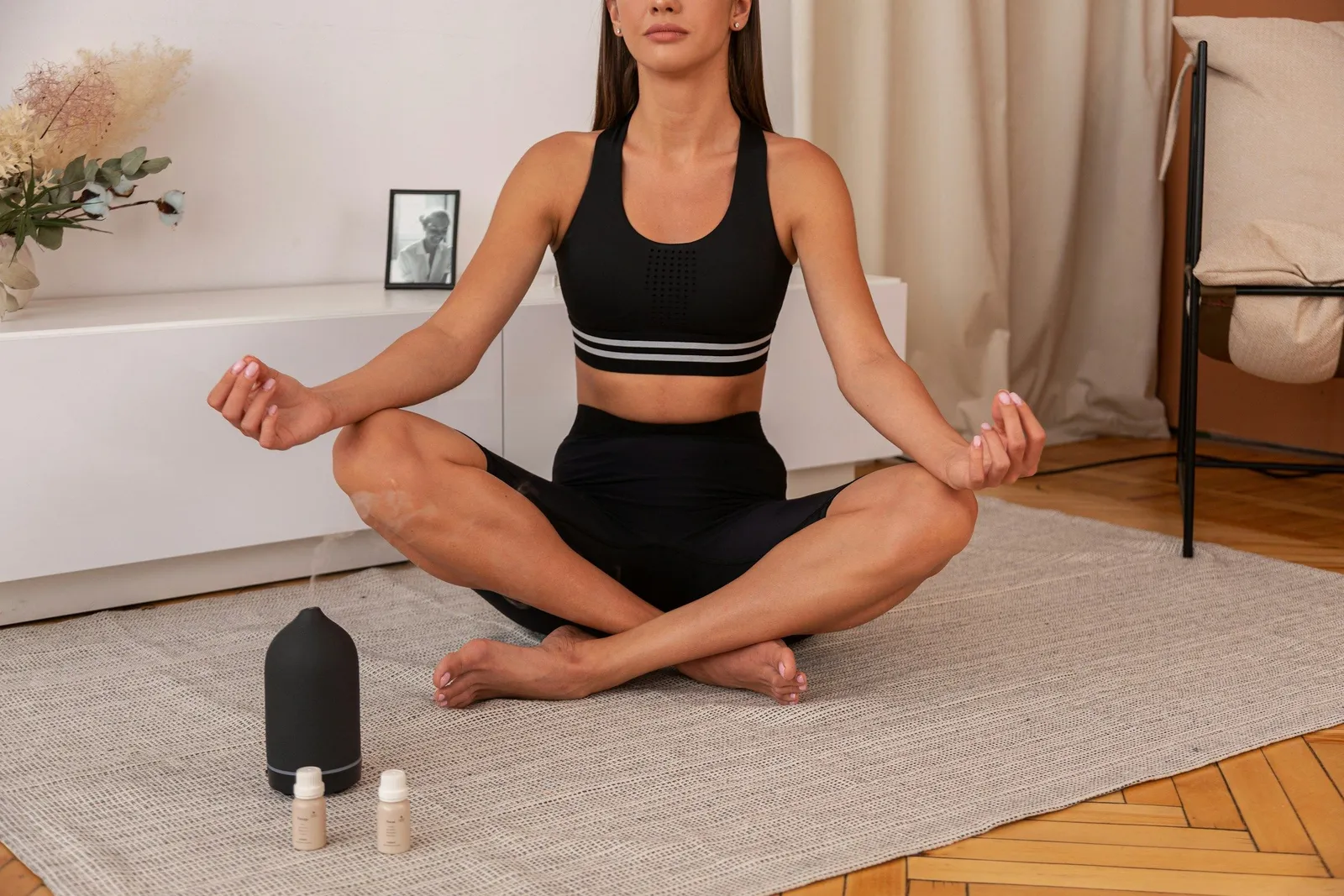
Yoga and movement retreats are the most accessible entry point. You will practice twice a day, workshop topics fill the gaps (anatomy, philosophy, breathwork), and the program does not require any existing flexibility or experience. Entry-level formats in Asia and Central America sit under $200 per day, all-in. For travelers where weight loss is the specific goal alongside the movement work, the weight loss retreat angle covers that sub-format directly.
Meditation and mindfulness programs are what to look at when the problem is mental, not physical. Attention fragmented, head full, calendar noise that follows you into the evenings. These formats are less demanding on the body and more demanding on your willingness to sit with discomfort. Northern California, New England, and the UK have dense concentrations of mid-tier programs; tradition-specific Buddhist formats are most numerous in Southeast Asia and India at lower price points. Most run 5-10 days; shorter formats exist but the first few days of a meditation retreat are typically the most uncomfortable.
Detox and nutrition retreats work well for a gut reset or a structured dietary change. Not primarily for weight loss (that is a different format). A supervised juice or plant-based protocol with a nutritionist on staff, typically 5-7 days. Mexico, Bali, and Portugal have strong representation at accessible price points.
Spa and restorative retreats are where you go when the problem is simple fatigue and the solution is bodywork, heat, rest, and nothing more demanding than a gentle morning walk. No workshops, no schedule pressure. Germany's thermal spa towns, the Austrian Alps, southern Portugal, and the Czech Republic's historic spa regions all run this format. Budget-tier thermal hotel stays are possible in Central Europe; boutique equivalents in Western Europe push significantly higher.
Adventure and nature-immersion retreats suit the solo traveler who does not want to sit still. Multi-day hiking, cold-water immersion, wild camping with guided evening reflection sessions. The therapeutic mechanism is physical challenge and environmental contrast rather than seated inner work. Nordic countries and the American Southwest are the best-developed markets for this format.
Spiritual and inner-work retreats are for deep personal processing, typically 7 days or more. These formats can include silent days, facilitated group work on identity and meaning, or ceremony depending on the tradition. The facilitator matters more here than in any other format. If the program includes trauma-informed group work or psychological depth work, verify that staff hold relevant clinical or therapeutic credentials (not just wellness certifications) before you book.
If you know which format you are looking for, you can filter by it directly: browse programs by format at retreat-vacation.com.
Solo wellness retreats for women
Women-specific retreat programs exist across every format above, and they serve a real and specific function. They differ from mixed-gender programs not in the activities offered but in the group dynamic and facilitation style. Participants tend to enter personal topics without the friction that sometimes shows up in mixed groups, and facilitators often frame discussions differently when the gender composition is homogeneous. This is not a better-or-worse judgment. It is a different environment.
What to look for in a women-specific program: a facilitator whose credentials match the depth of content being offered; if the program covers trauma or grief, verified therapeutic training matters. A clear schedule available before you book. A private room option if shared accommodation raises safety concerns.
What to look for in a mixed-gender program that works well for solo female travelers: the same facilitator credential check, clear program structure, and evidence from reviews or the operator's website that solo women regularly attend. Most quality yoga and mindfulness programs at established venues welcome solo female participants regardless of whether they are formally women-only.
How long do you need?
Weekend (2-3 days). Worth it as a first experience when time is genuinely constrained. You will get a physical reset and a taste of the format. You will not get the deeper shift most people describe as the most valuable outcome.
5-7 days. The practical sweet spot for most first-time solo retreat-goers. Enough time to settle in (the first 48 hours often feel mildly unfamiliar), shift the nervous system, and leave with at least one practiced skill. Most quality programs are built around this duration.
10-14+ days. For deeper work: intensive yoga teacher training, serious detox protocols, or when the retreat marks a deliberate life transition. The investment is proportionally larger. The gains also need to be continued after the retreat ends. What you do with the rhythm in the weeks after determines the outcome more than the duration does.
What does it cost?
A bracket is more useful than a precise figure because prices shift seasonally and vary substantially within the same format by destination and accommodation tier.
Entry tier: $100-300 per day, typically group-format yoga or meditation retreats in Asia, Central America, or Eastern Europe. All meals and sessions included; accommodation is usually shared.
Mid-range: $300-600 per day covers most structured programs in the US and Western Europe, with private accommodation. This band includes most yoga teacher training formats and structured five-to-seven-day programs.
Premium: $600+ per day applies to spa-luxury formats, medically supervised programs, or very small-group intensive work with highly credentialed facilitators.
One practical note for solo travelers: resort-style spa retreats often charge a single-supplement fee, an extra charge for occupying a double room alone. Dedicated program retreats (yoga, meditation, mindfulness) less commonly charge this. If solo supplement is a cost concern, filtering for program-first venues rather than hotel-spa hybrids usually eliminates it. The full price-tier breakdown by destination and format is in affordable wellness retreat options.
What to pack (and what to leave behind)
The functional list: comfortable clothing across layers (retreat buildings tend toward the cool end, outdoor sessions vary), a yoga mat if the program does not provide one (most do), personal care basics, and any medication you use daily in original packaging if traveling internationally.
What to leave behind: the laptop. Most retreat programs are designed around digital disconnection as part of the therapeutic mechanism. Bringing the work device defeats the format. If you cannot be fully unreachable for five days, it is worth sitting with that before you confirm the booking. For building foundational daily practices before a retreat, personal wellness covers the habits worth developing at home first.
Frequently asked questions
What is a solo wellness retreat?
A solo wellness retreat is a structured residential program (typically 3 to 10 days) that you attend independently. Most programs are communal by design: shared meals, group yoga or meditation sessions, facilitated workshops. "Solo" means you book as an individual and focus on your own goals. It does not mean you sit alone all week.
Are solo wellness retreats awkward or lonely?
For most participants, no. Retreat environments are specifically designed to welcome people who arrive independently. Shared activities create natural, low-pressure points of connection with other participants, and nobody arrives paired up. The adjustment most first-timers describe is not loneliness but a mild unfamiliarity with unstructured time during the first day, which resolves quickly as the program rhythm takes hold. The "solo" framing is the advantage of the format, not a limitation.
Why go on a wellness retreat alone?
Because without a companion, you stop managing someone else's experience alongside your own. Your schedule, your session choices, your pace through the program are entirely yours. For personal work in workshops on stress patterns or emotional habits, that freedom matters. Solo travel to a structured retreat differs from solo holiday travel: the program provides the structure and social context. You bring yourself, not a plan.
What do you do at a solo wellness retreat?
Days vary by format. Yoga retreat days are built around two sessions plus workshops. Meditation programs center on sitting practice and guided inquiry. Spa-and-restore formats are less structured. In all formats, communal meals are typically part of the day and most participants find them easier to navigate alone than they expected. Most programs run 6 to 8 hours of structured activity.
How much does a solo wellness retreat cost?
Entry tier: roughly $100-300 per day for group-format programs in Asia or Central America, meals and sessions included. Mid-range programs in the US and Western Europe typically fall in the $300-600/day range with private accommodation. Premium or medically supervised formats go higher. Solo travelers at resort-style properties sometimes face a single-supplement charge for occupying a double room alone; program-first retreats (yoga, meditation, mindfulness centers) less commonly charge this. See affordable wellness retreat options for the full breakdown.
Can beginners attend solo wellness retreats?
Yes, for most formats. Yoga and meditation programs are generally built for mixed experience levels. The exception is intensive formats that list prerequisites explicitly, such as advanced teacher training modules or some 10-day silent meditation programs. If a program description lists no prerequisites, none are required. If you want to build a foundation before going, personal wellness covers the daily practices that are worth developing at home first.
What should I bring to a solo wellness retreat?
Comfortable clothing across layers, a yoga mat if the program does not provide one (most do), personal care basics, and any prescription medication in original packaging if you are traveling internationally. What to leave behind: the laptop and work phone. Most retreat programs are built around digital disconnection as part of the therapeutic structure, and arriving with a full work setup defeats the format. Pack for the practice, not for the office.
Plan your next retreat
If you have read this far and a specific format resonated, the next step is straightforward: filter by it. Browse over 1,000 curated programs at retreat-vacation.com by format (yoga, meditation, detox, spa, adventure), duration, destination, and price range. The catalogue includes programs across every tier covered in this guide, from group-format ashram stays under $150 per day to small-group intensives at premium venues. Solo travelers book the same spots as anyone else. No companion required. Fall and spring shoulder seasons on popular five-to-seven-day formats tend to fill by midsummer, so filter by your travel window first if your dates are fixed.