

Table of Contents
- What a week-long meditation retreat actually is
- Who the week-long format is for
- The week-long arc: what happens each day
- The daily schedule at a typical 7-day retreat
- What the research says about 7-day retreats
- How to prepare for a week-long meditation retreat
- The week after: re-entry and integration
- Frequently asked questions
- What should I expect at a week-long meditation retreat?
- Is a week-long meditation retreat worth it?
- Can beginners do a week-long meditation retreat?
- How much does a week-long meditation retreat cost?
- How long should a meditation retreat last?
- What is the difference between a 3-day and a 7-day retreat?
- Plan your next retreat
By day four, the silence has changed quality. The first two days, it felt like something imposed, a social contract you were holding onto by willpower. By the end of day three, the resistance burns out. By day four, the silence is the room you are living in rather than the constraint you are tolerating. That shift is what the week-long meditation retreat format is about, and it is the part that three-day retreats rarely reach.
This guide covers what the seven-day format actually involves, who it is for, and what to expect across the arc.
What a week-long meditation retreat actually is
A week-long meditation retreat is a residential program, seven to nine days including arrival and departure, built around sustained practice in a structured environment away from ordinary life. Noble silence, a dedicated daily schedule, communal meals, and guided sitting sessions are the standard architecture. It is not a longer version of a yoga weekend or a spa stay.
The key structural difference from shorter programs: the first 48 to 72 hours of any residential retreat are typically decompression. Your nervous system slows down, mental chatter peaks, then begins to settle. At three days, you are just entering the territory where something starts to shift. At seven days, you spend four or five days in that territory. That is what the week-long format delivers that shorter stays cannot.
It sits between two other formats in the retreat landscape. The three-day retreat (covered in detail in the 3-day silent meditation retreat guide) is the accessible entry point for a working adult with no prior retreat experience. The traditional ten-day format is for practitioners ready for ten hours of sitting per day, a months-long waitlist, and a more rigorous structural commitment. The week-long format occupies the serious middle: long enough for a real shift, short enough to take a week's leave.
For a foundation on what silent retreats are across traditions and formats, the silent retreat guide is the right orientation before you commit to the week-long version.
Who the week-long format is for
The week-long format is not the right first retreat for most people.
If you have never done a residential meditation retreat before, a three-day program is the better starting point. The week-long arc has a difficult middle: days two and three tend to be the most demanding, with concentrated resistance, restlessness, and low-grade anxiety that comes from being in silence without ordinary distraction. That experience is manageable and even productive at three days. At seven days, it can be genuinely disorienting if you have no reference point.
Who the week-long format suits well:
- You have completed at least one residential retreat (even a weekend format) and found the experience useful enough to want more.
- You have a consistent personal meditation practice, at least three to five sessions per week, for six months or more.
- You are drawn specifically to what happens past the initial decompression phase and want time in the deeper territory of sustained practice.
- You are coming from a specific baseline such as prolonged stress or a period of difficult transition, where a week of structured practice is the appropriate investment rather than a weekend. For the burnout-specific angle, the burnout recovery retreat guide covers that framing in more detail.
The format does not suit you well if you have an untreated mental health crisis that needs clinical professional support rather than structured retreat, or if seven days away from work and communication is not genuinely feasible. Half-committed attendance at a full-week retreat tends to underdeliver for everyone.
The week-long arc: what happens each day
Not every program follows an identical schedule, but the arc below is recognizable across the formats that take the week-long structure seriously.
Day 1: arrival and orientation. Check-in, phone handover, orientation session. Noble silence begins after dinner in most formats. The first sit is typically 30 to 45 minutes. The mind is still running at its ordinary speed.
Day 2: peak resistance. The hardest day for most participants. The novelty has worn off and the structure has not yet become natural. Sitting practice feels effortful. The urge to leave can be surprisingly strong. This is expected, and the structure is designed to hold you through it.
Day 3: the first shift. For most people, some version of a change happens around day three. The resistance burns out. Sitting becomes less effortful. The silence begins to feel like a neutral background rather than a constraint. Many programs structure a longer or more intensive session around this point.
Days 4 to 5: the territory. This is the part of the week-long format that shorter retreats do not reach. Four or five days of sustained practice begins to show effects that a two-day retreat cannot: a quality of presence that extends beyond the cushion into meals, walking, and rest. Sensory awareness often sharpens. Reactivity slows. Some participants find a clarity about specific unresolved things that has not been available at home.
Day 6: deepening. Most programs reduce instruction and increase open practice time toward the end of the week. You are working with what you have built rather than receiving further direction.
Day 7: integration and closing. Noble silence ends. Closing circle or dialogue with the group. The formal practice concludes. The transition back to ordinary speech is often more disorienting than you expect.
The daily schedule at a typical 7-day retreat
Programs vary by tradition (secular, Buddhist-lineage, yoga-integrated), but the broad shape is consistent across serious formats:
- 5:30 to 6:30 a.m.: morning bell, optional early sitting or walking practice
- 7:00 a.m.: breakfast, typically in silence as part of the practice
- 8:30 a.m.: first structured group sit, 45 to 60 minutes
- 10:00 a.m.: walking meditation or free practice period
- 12:00 p.m.: lunch, the main meal of the day
- 1:00 to 2:30 p.m.: rest period or personal practice
- 3:00 p.m.: afternoon group sit or teacher-led session
- 5:30 p.m.: light dinner
- 7:00 p.m.: dharma talk or guided inquiry session
- 8:30 p.m.: evening sit, typically shorter
- 9:30 p.m.: noble silence continues, lights-out culture
Total guided practice runs four to six hours per day at mid-range programs. The ten-day Vipassana format runs ten hours per day and is structurally distinct. When assessing a specific program, look at total guided practice hours, not just the schedule title.
For the yoga-integrated version, where asana and movement practice are woven alongside the sitting schedule, the silent yoga retreat guide covers what that sub-format looks like and whether it suits you better than a purely sitting-based program.
What the research says about 7-day retreats
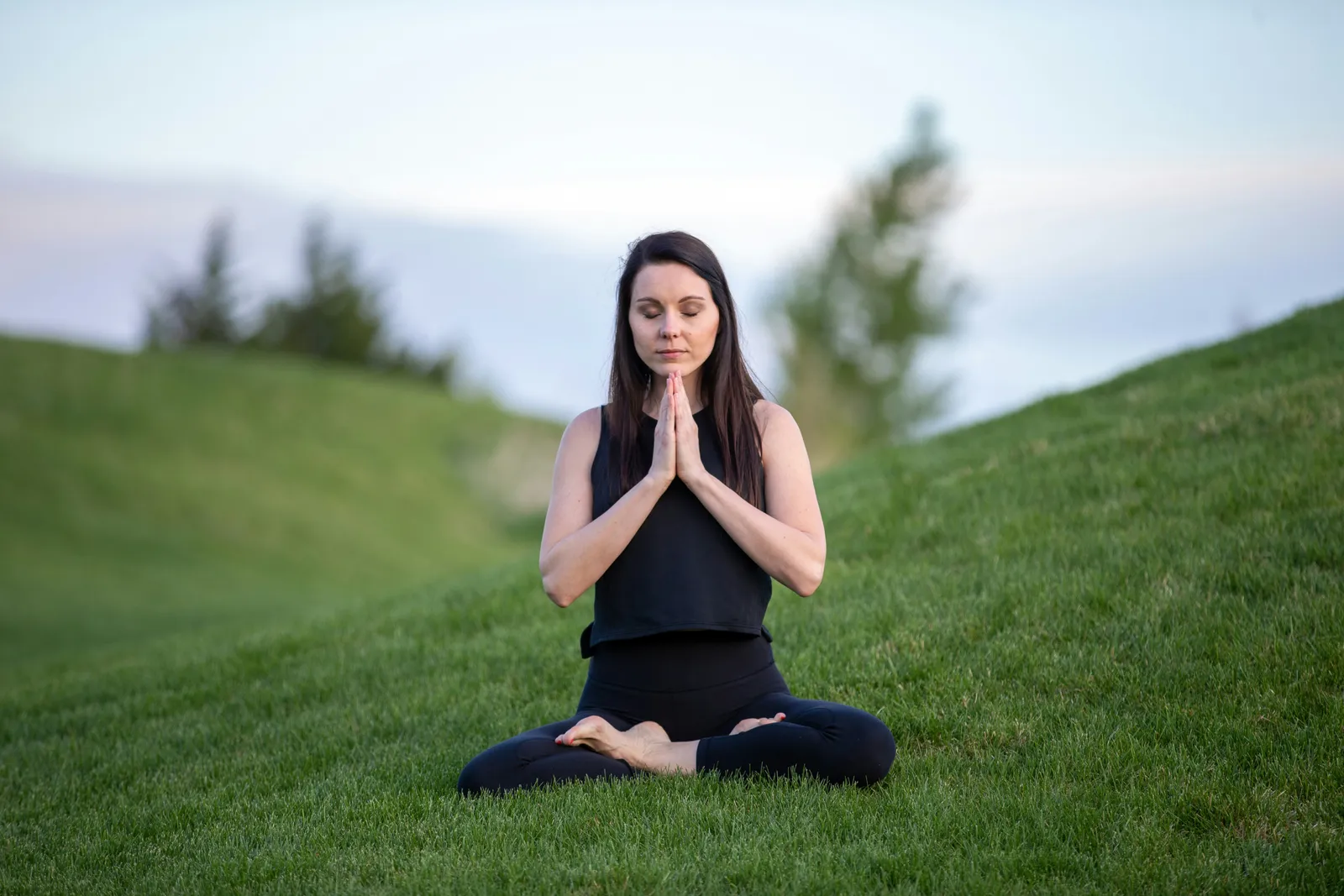
A 2024 editorial review published in Cureus (PMC11626984) examined the evidence base for residential meditation retreats and found that participants showed sustained improvements in emotional regulation and fatigue reduction for up to ten weeks after the retreat. These benefits exceeded both standard vacations, where positive effects typically diminish within a few weeks, and outpatient mindfulness programs with comparable total practice hours. The residential, immersive structure appears to produce effects that shorter or non-residential formats do not replicate.
The week-long format is where this evidence base concentrates. The ten-week durability finding correlates with programs long enough to move past the decompression phase into sustained practice. Shorter residential stays under 72 hours less frequently achieve the depth of nervous-system regulation that produces durable post-retreat outcomes. This also relates to the distinction between silent and non-silent formats, which the silence and meditation retreat comparison covers for readers choosing between them.
What this means practically: a week-long retreat is not a longer vacation. The research suggests it produces changes that hold for months, not days.
These are the programs that produce the outcomes above. If you are ready to look at what is available, browse week-long meditation retreats at retreat-vacation.com and filter by duration to surface seven-day programs specifically.
How to prepare for a week-long meditation retreat
Preparation for seven days is different from preparation for a weekend.
Practice ramp-up. In the two to three weeks before arrival, increase your daily practice by ten to fifteen minutes per session. Not because the retreat requires it, but because arriving with a somewhat settled nervous system makes the decompression phase shorter. Day two is easier when your mind is already accustomed to 30-minute sits.
Caffeine reduction. If you rely on two or more cups of coffee daily, begin reducing four to five days before arrival. Caffeine withdrawal peaks around days two to three; having it arrive during the resistance phase compounds the difficulty considerably.
Work communication buffer. Build at least a one-day buffer on both sides. Arriving the day you wrapped a major deadline, or leaving for a presentation the morning after you return, leaves no room for the actual transition the format requires.
What to pack. Comfortable loose layers, multiple pairs of warm socks (stone floors at 5:30 a.m. are cold in most retreat settings), a journal if writing is part of your practice, earplugs for light sleepers in shared accommodation. Leave the laptop. Leave books unless the program schedule explicitly includes reading time.
Mental preparation. Expect days two and three to be uncomfortable. Not poetically difficult but genuinely hard: restlessness, emotional material that surfaces, the urge to leave. Most week-long programs include a brief one-on-one with a teacher mid-week precisely for this reason. The discomfort is not a malfunction.
The week after: re-entry and integration

Coming back from seven days of silence is different from coming back from a long weekend. Most participants underestimate this.
The first conversations after the retreat ends feel loud in a specific way: not unpleasant, but dense with information. The social pace of ordinary interaction, the background screens, the ambient noise of a city or office, all arrive with more weight than before.
What helps in the first 72 hours after returning:
- Avoid scheduling high-stakes social or professional commitments for the first day back. A quiet first evening at home is a more useful re-entry than a dinner party or a team meeting.
- Eat simply. After a week of retreat kitchen food (typically plain, vegetarian, eaten in silence), complex flavors in a loud restaurant land harder than expected.
- Keep the morning practice. The most effective way to preserve what the retreat opened is to sit for 20 to 30 minutes the morning after you return, and the morning after that. This one habit does more for post-retreat durability than anything else.
- Expect a lag before you can fully process the week cognitively. Integration of a seven-day retreat tends to happen over weeks, not on the closing circle.
Programs that build in structured follow-up, a check-in session at 30 days, a group call, or an app-based accountability cadence, consistently show better outcome durability than programs that send you home with a handout. When comparing programs, look for what specifically is included after you leave. The aftercare structure is visible in programme listings on the meditation retreats category page.
Frequently asked questions
What should I expect at a week-long meditation retreat?
Expect a structured residential program with four to six hours of guided meditation per day, noble silence in most formats, communal meals eaten mindfully, minimal technology access, and a progression across the week from decompression to deepening practice. The first two to three days are usually the most difficult. Days four through seven are where the format differentiates itself from shorter programs and where most participants report the most significant experiences.
Is a week-long meditation retreat worth it?
For people with some prior meditation experience and a genuine interest in extended practice, yes. A 2024 review of residential retreat research found that benefits, including reduced stress and improved emotional regulation, persist for up to ten weeks post-retreat and exceed outcomes from standard vacations and shorter outpatient mindfulness programs. The week-long format is where those durability findings concentrate. For beginners or anyone uncertain about residential practice, a three-day retreat first is the more appropriate entry point.
Can beginners do a week-long meditation retreat?
Most programs accept participants without prior retreat experience. In practice, a prior residential stay makes the week-long format substantially more useful. The difficult middle of a seven-day retreat (typically days two and three) is easier to navigate with a reference point from a previous program. Most experienced retreat facilitators recommend starting with a three-day stay, then the week-long format once you have that foundation. The 3-day silent meditation retreat guide is the right read if you are at that earlier stage.
How much does a week-long meditation retreat cost?
Three honest ranges: Donation-based and work-trade programs at retreat centers running on the dana model: under $500 per week inclusive of food and accommodation, sometimes considerably less. Mid-range programs at established retreat properties in Europe, the US, and Southeast Asia: $500 to $1,500 per week depending on accommodation tier and region. Premium retreats with smaller groups, dedicated teachers, and better facilities: $2,000 to $4,000 per week. Travel is additional and often the dominant cost variable for international programs. The meditation retreats catalogue covers all three bands and filters by duration, so you can compare week-long options across price tiers in one place.
How long should a meditation retreat last?
It depends on your experience and goals. Three days is the right starting point for a first retreat or for someone who cannot take more than a long weekend. Seven days is appropriate once you have prior retreat experience or a sustained daily practice. Ten-plus days suit practitioners specifically seeking the deeper tradition-based format. Most facilitators recommend at least five to seven days for anyone wanting to experience what happens past the initial decompression phase.
What is the difference between a 3-day and a 7-day retreat?
The primary difference is what you access past the decompression phase. In a three-day retreat, the arc is: decompression on day one, resistance and first shift on day two, integration on day three. In a seven-day retreat, you spend four additional days in the territory that the three-day format only just touches at the end. The experience of sustained silence after day three is qualitatively different from the initial days, and that extended time is what most participants report as the most meaningful part of the week-long format.
Plan your next retreat
The 418+ programmes in the meditation retreats catalogue at retreat-vacation.com cover the full range described in this guide: donation-based and work-trade formats in the sub-$500 band, mid-range week-long programs in Southeast Asia, Central Europe, and North America, and premium small-group intensives. Filter by duration to see the seven-day options specifically, then narrow by region and accommodation tier to compare what each price band actually delivers. Most week-long programs in fall 2026 fill two to three months ahead, so filtering by your travel window first saves time.
This guide draws on residential meditation retreat research, including the 2024 Cureus editorial review of retreat outcome evidence, and editorial assessment of week-long programs currently available through retreat-vacation.com.