

Table of Contents
- What kind of retreat are you planning? (Start here)
- Step 1: Define your purpose, the question everything else depends on
- Step 2: Set your timeline - how far ahead to plan
- Step 3: Build your budget - honest numbers by retreat type
- Step 4: Choose your location and venue
- Step 5: Design your program and schedule
- Step 6: Handle the logistics without the chaos
- Retreat planning checklist
- Is now a good time? When to wait
- Step 7: Plan the integration, what happens after you leave
- Frequently asked questions
- How do you plan a retreat step by step?
- How far in advance should you plan a retreat?
- What should a retreat include?
- How do you choose a retreat location?
- How much does a retreat cost to plan?
- What is the difference between a personal retreat and a group retreat?
- Find your program
You arrive on a Friday evening. Someone shows you to your room, hands you a schedule printed on one sheet of paper, and tells you dinner is at seven. By Saturday morning, you have already started doing the thing you came here to do. That is not an accident. Someone planned it that way. This guide is for the person doing the planning.
Whether you are organizing a weekend alone, a wellness retreat for a small group, or a multi-day offsite for a team, the planning process follows the same seven-stage structure. The details change; the order does not.
What kind of retreat are you planning? (Start here)
Before anything else, name your archetype. Three planning types exist, and they require meaningfully different lead times, budgets, and program structures.
Personal or solo retreat. You are planning for yourself, or for yourself and one other person. Purpose is typically rest, reflection, or skill development. Complexity is low. Booking lead time: four to eight weeks minimum.
Small-group wellness or group retreat. You are organizing for between four and twenty people, usually with a shared interest or a specific intention (a women's retreat, a yoga immersion, a creative writing weekend). Group retreat planning raises the complexity meaningfully: dietary coordination, facilitation logistics, and the challenge of getting multiple schedules to align require more lead time than personal retreats. Plan for three to six months.
Corporate or team retreat. Twenty or more participants, organizational goals, multi-stakeholder approvals, and budget sign-off processes. The corporate retreat planning guide covers this format in depth. Lead time: six to twelve months.
This article serves all three. For inspiration on what to do during a retreat before you start planning the logistics, retreat ideas for every group type is the natural companion read. Once you know the shape of the experience, this guide handles the process.
Step 1: Define your purpose, the question everything else depends on
Choose your venue before you can answer this question and you will get the venue right and the experience wrong.
The three core retreat purposes are: rest and recovery, learning and growth, and connection and cohesion. Most retreats blend elements of all three, but one should be primary. If the primary purpose is rest and recovery, the program should be sparse, with long stretches of unscheduled time. If it is learning, the program can be denser, with structured workshops and skill sessions. If it is connection, the social architecture matters more than any individual activity.
For group and corporate retreats, the purpose definition step has an additional requirement: involve participants before you finalize it. A group retreat planned entirely around an organizer's assumptions about what the group needs, and then sprung on participants as a surprise, produces the retreats that people describe as "the one where we were bored in the mountains for three days." A brief intake survey (three questions: what do you most need from this, what would make it feel worthwhile, is there anything that would make you not attend) takes thirty minutes to write and prevents most of the reasons group retreats disappoint.
Readers planning a retreat specifically for recovery from burnout or exhaustion: the framing is different enough that burnout recovery retreats is worth reading alongside this guide.
Step 2: Set your timeline - how far ahead to plan
This is the step most first-time retreat planners underestimate. The practical minimums, by retreat type:
Personal weekend retreat: four to eight weeks before your dates. During peak season at established wellness centers, stretch to twelve weeks. The bottleneck is typically facilitator or program availability, not accommodation.
Small-group wellness retreat (four to twenty people): three to six months. Why so early? Dietary accommodation collection requires multiple rounds of follow-up. Facilitation from experienced teachers or therapists books out three to five months ahead at quality venues. And the practical logistics of getting multiple people to commit to dates require more calendar lead time than you expect.
Corporate destination retreat (twenty-plus people): six to twelve months. Budget approvals, legal review, and the logistics of coordinating large groups at destination venues make this the minimum for responsible planning.
A rough phase structure for a three-to-six-month small-group retreat:
- Three to four months out: venue selection and deposit, date confirmation, first communication to participants
- Six to eight weeks out: dietary and accessibility needs collected, facilitator briefed, schedule drafted
- Two weeks out: final headcount confirmed, transport logistics finalized, welcome materials sent
- Day before: venue walkthrough, materials set up, contingency contacts confirmed
Step 3: Build your budget - honest numbers by retreat type
Costs divide into fixed and variable buckets. Fixed: venue hire or room-night rates, facilitation fees, materials. Variable: meals (scale with dietary complexity), transport, and contingency.
Personal weekend retreat: all-in costs for a weekend at an established wellness center typically land in the low-to-mid hundreds per person, with accommodation tier as the main variable. A dorm or shared room costs meaningfully less than a private room, sometimes by half. For the full price-band breakdown, affordable wellness retreats under $2,500 walks through what each tier actually buys.
Small-group wellness retreat: per-person costs for a three-day program (covering shared accommodation, meals, and facilitation) vary considerably by venue type, destination, and facilitator credentials. Budget facilitation as a separate line item rather than assuming it is folded into the venue rate. Many first-time organizers discover this distinction when the facilitator invoice arrives after the venue deposit clears.
Corporate destination retreat: costs per person run higher than wellness programs, driven by venue scale, A/V and facilitation infrastructure, and catering requirements for larger groups. Budget a 10 to 15 percent contingency on top of any quoted estimate; hidden costs (printed materials, transport overruns, dietary exceptions) reliably appear in the final tally regardless of how careful the primary estimate was.
Two budget mistakes that are almost universal among first-time retreat planners: forgetting facilitator fees entirely (assuming the venue provides a facilitator when it does not), and underestimating dietary accommodation costs at multi-day events.
Once you have a working budget range, browsing actual programs by region and format gives you a realistic sense of what's available at each tier. Browse over 1,000 curated programs at retreat-vacation.com to filter by retreat type, accommodation tier, and duration.
Step 4: Choose your location and venue

The proximity decision is more consequential than most planners realize. A local venue (under two hours) produces a different psychological experience than a destination venue. Local removes the disruption of travel but leaves some participants mentally tethered to home logistics. Destination creates genuine separation but adds transport costs and complexity. Both are valid; neither is automatically better. Choose based on purpose: if the goal is deep rest or immersion, destination usually wins. If the goal is team cohesion with minimal friction, local often works better.
Setting types and what they actually deliver:
Nature settings (forest, mountain, coast): reduce cognitive load, increase restorative effect for stressed participants. Best for rest, recovery, and creative retreats. The what a wellness retreat involves overview explains why setting matters for the experience.
Dedicated retreat centers: purpose-built infrastructure - yoga studios, meditation halls, large group rooms, commercial kitchens that can handle dietary diversity. Higher daily rates than comparable hotels, but the facilitation infrastructure saves costs elsewhere.
Conference hotels: strong A/V, scalable, easy to book. Weakest on atmosphere and outdoor access. Acceptable for corporate retreats where the primary work is in the room; poor fit for wellness or personal formats.
Venue checklist before you commit:
- Accommodation capacity matches your headcount
- Kitchen can handle all dietary needs collected (vegan, gluten-free, allergies)
- Group session space is adequate for your program format
- Outdoor access is available and weatherproof-optional
- Cancellation policy is clear and acceptable given your risk tolerance
- For corporate retreats: A/V equipment confirmed in writing
Step 5: Design your program and schedule
The most common program design mistake is over-scheduling. A group that is tired by Saturday afternoon stops learning. A solo retreatant with every hour planned has not planned a retreat; they have planned a busy trip in a quieter location.
A working rule: no more than 60 to 70 percent of waking hours should be structured. The rest is for walking, processing, informal conversation, or simply sitting.
For personal retreats: set two or three anchoring practices (a morning movement session, an evening reflection journal, an afternoon walk without headphones) and leave the rest genuinely open. Resist the urge to fill the gaps.
For group retreats: alternate between plenary sessions (shared experience, builds cohesion) and smaller-group or individual work (deeper processing). A three-day structure that works reliably: Day one for arrival, orientation, and setting context; Day two for the heaviest programming with a long free afternoon; Day three for integration work, closing, and departure. Keep the final morning light enough that people leave energized rather than depleted.
For team and corporate retreats: the staff retreat ideas companion covers program formats and activities for professional groups specifically. For the what a silent retreat involves read, that format is at the other end of the structure spectrum and worth understanding even if you are planning something different, because the principles of pacing and spaciousness apply universally.
If you are still deciding on the type of experience - whether creative, contemplative, or active - the retreat ideas guide covers the format landscape and can sharpen your program angle before you finalize the schedule.
Step 6: Handle the logistics without the chaos
Good logistics are invisible to participants. Bad logistics are the only thing they remember.
Pre-retreat communication: send participants a one-page document covering: arrival logistics, what to bring, what the daily schedule looks like, what is and is not included, and an emergency contact. Send this two weeks before, not two days before.
Dietary and accessibility needs: collect at registration or initial sign-up. Confirm with the venue at the six-week mark. Check again one week before. Assume the first round of collection missed someone, because it usually did.
Transport logistics: clarify whether the venue is accessible without a car. If not, organize a carpooling channel or shuttle from the nearest transit hub.
Retreat planning checklist
- Venue deposit paid and confirmation in writing
- Dietary and accessibility needs collected from all participants
- Venue kitchen briefed on all dietary requirements
- Transport plan or directions shared with all participants
- Program schedule finalized and distributed
- Facilitator or instructor fully briefed with schedule and participant context
- Welcome materials prepared (schedule, purpose statement, what-to-bring list)
- Post-retreat survey drafted and ready to send within 48 hours of close
- Emergency contact and venue manager number on file
Is now a good time? When to wait
Retreats do not fix active crises. Before committing to the planning process, a short readiness check.
For group retreats: if the group is in the middle of a significant conflict, a structural reorganization, or an acute performance crisis, a retreat will either be hijacked by the tension or will produce a temporary truce that collapses within a week. Retreats work best when the group has genuine space for reflection, not when they are running from something that needs direct management first.
For personal retreats: if you are in a state of acute overwhelm or crisis, the retreat format may not serve you. The most common retreat-disappointment story involves someone who was too depleted to absorb anything, and spent three days feeling guilty about not getting enough out of it. There is a version of this that is still worth doing (sometimes the structure is the point), but be honest about your starting state.
If you are genuinely uncertain whether now is the right time, start smaller: a single day away, no schedule, no agenda. If you cannot sit with that for eight hours, a four-day residential program will not fix the problem underneath. If you can, the longer format will probably serve you well.
Step 7: Plan the integration, what happens after you leave
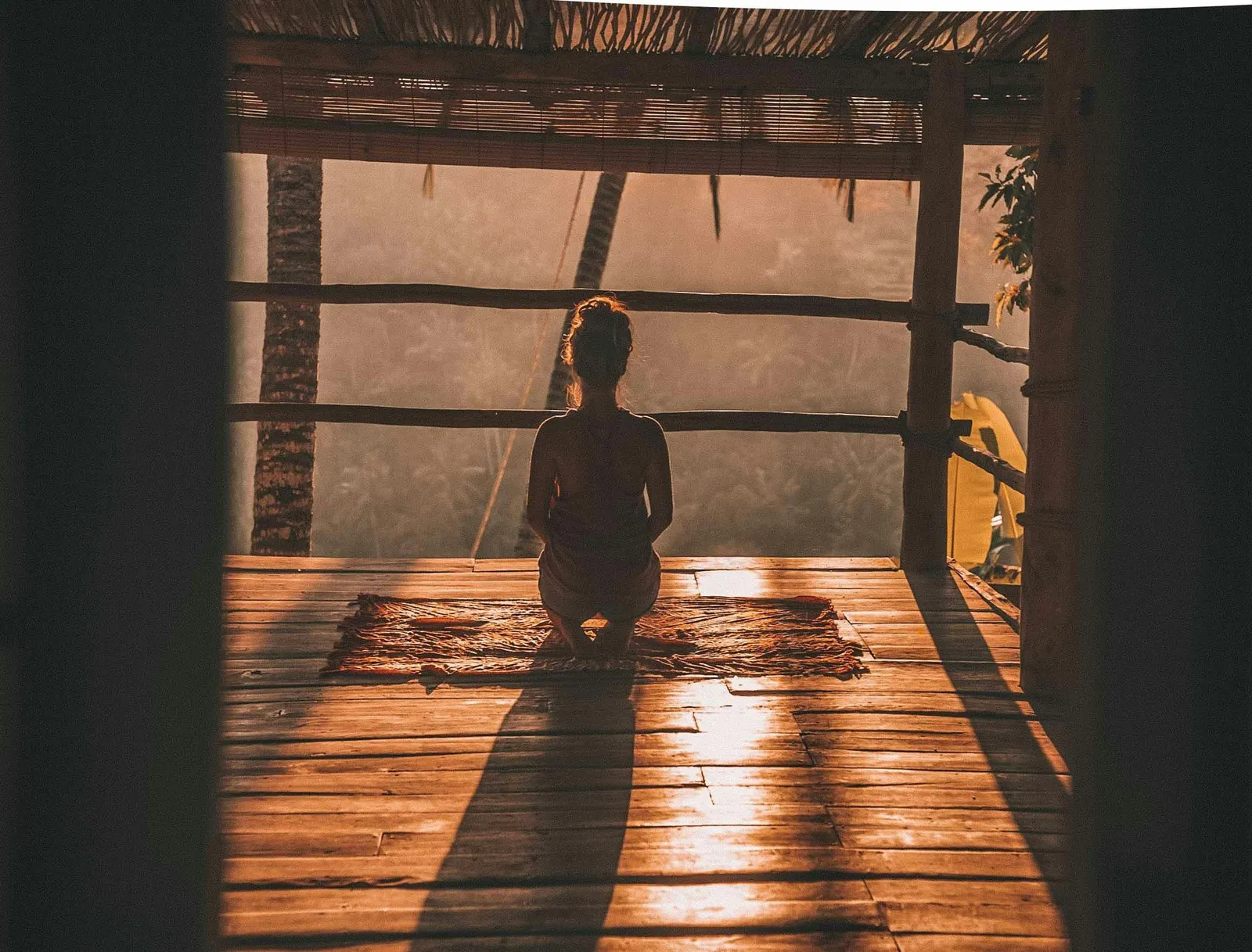
Most retreat participants report the same gap: the week after is energizing, the second week is good, and by week three, the insight has quietly folded back into the old routine. That is not a failure of the retreat. It is what happens when no one planned the integration.
For personal retreats: make one concrete commitment before you leave the venue - not a list of twelve, one. A practice you can run on a busy Tuesday without thinking about it. At thirty days, check in on that one thing specifically. A daily ten-minute journaling practice survives a full work week. A two-hour afternoon walk does not.
For group retreats: send a post-retreat summary within 48 hours. Not a recap of activities, but the specific decisions made, commitments named, and owners with deadlines. Keep it short enough that participants actually read it: five bullet points with names attached beats a three-page narrative that no one opens. Follow the summary with a 30-day check-in: thirty minutes, structured (what did we actually do with what we agreed to?), and honest about what slipped and why.
The 90-day mark is the real test. At ninety days, most of the easy commitments have either stuck or been quietly abandoned. A brief check-in at that point - not to judge, but to revisit - extends the influence of the retreat into the following quarter. Groups that do this consistently report that the second check-in is often more useful than the first, because the patterns that emerge in real-life application are clearer than the patterns visible immediately after the event.
Most retreat organizers spend ninety percent of their planning energy on the event itself and almost none on what comes after. Start that shift before you leave: write down the one thing, assign the one owner, pick the one date. The venue will handle the goodbye; you handle what comes next.
Frequently asked questions
How do you plan a retreat step by step?
Purpose first, venue second. Once you know what the retreat is for, set your timeline (four to eight weeks for personal, three to six months for a small group, six to twelve months for corporate), build a budget with fixed and variable lines, book the venue when dates and headcount are confirmed, design a program with at most 60 to 70 percent of waking hours scheduled, handle logistics via a checklist two weeks before, and plan your integration before you leave. Each step is in the guide above in the order that matters.
How far in advance should you plan a retreat?
Personal weekend retreat: four to eight weeks minimum, twelve at peak-season venues. Small-group wellness retreat: three to six months, primarily because dietary coordination and quality facilitation booking take time that rushes cannot compress. Corporate destination retreat with twenty or more people: six to twelve months from intent to execution. The most common mistake in retreat planning is treating the lead time as flexible when it is not.
What should a retreat include?
A clearly stated purpose. No more than 60 to 70 percent of waking hours scheduled. Accommodation and meals that handle every dietary need collected. At least one daily grounding practice (movement, meditation, nature time). And a post-retreat integration plan that participants can run on a regular Tuesday - concrete enough that they do not have to invent it when the energy of the retreat has faded.
How do you choose a retreat location?
Start with purpose and group size, then filter by proximity (local versus destination), setting type (nature, dedicated retreat center, conference hotel), and practical logistics: venue capacity, dietary capability, transport access, cancellation policy. Dedicated retreat centers cost more per night but include purpose-built facilitation infrastructure that hotels do not. For formats that require specific physical conditions, like a silent retreat, match the setting to the format's functional needs first.
How much does a retreat cost to plan?
It depends most on format and accommodation tier. Personal weekend retreats at established centers cost from a few hundred dollars per person; shared accommodation is significantly cheaper than private. Small-group wellness programs (three to four days, with facilitation) vary considerably by destination and facilitator credentials. Corporate destination retreats run higher across every line item. In all cases, budget a 10 to 15 percent contingency for dietary accommodations, transport overruns, and materials that did not make it into the initial estimate.
What is the difference between a personal retreat and a group retreat?
For a personal retreat, you are managing one schedule, one set of dietary needs, one person's capacity for silence and structure. For a group retreat, all of that multiplies. Dietary coordination requires multiple follow-up rounds. Facilitation logistics scale with head count. Transport coordination alone can become a part-time job in the final two weeks. The core planning process is the same; the lead time, communication burden, and contingency requirements are substantially different.
Find your program
Once purpose, dates, and format are clear, the next step is matching your planning brief to actual programs. Browse over 1,000 curated programs at retreat-vacation.com. The catalogue filters by retreat type, region, length, and accommodation tier, so you can surface weekend wellness centers, destination group venues, silent retreat formats, and facilitated team programs by your specific travel window. Start with your dates and let the inventory narrow the shortlist from there.