
Table of Contents
- What makes a retreat idea work (before you make a list)
- Corporate and team retreat ideas
- Wellness and solo retreat ideas
- Couples retreat ideas
- Women's group retreat ideas
- Family and mixed-group retreat ideas
- How to choose between retreat ideas
- Frequently asked questions
- What are good ideas for a retreat?
- How long should a group retreat be?
- What is the difference between a corporate retreat and a wellness retreat?
- What activities can you do on a retreat?
- How do you choose a retreat theme?
- What type of retreat is best for couples?
- How much does a retreat typically cost?
- How do you plan a successful retreat?
- Plan your next retreat
The first morning of a retreat arrives before you expect it. You packed a bag, drove somewhere unfamiliar, and then nothing was scheduled for the next hour. That pause is what every good retreat shares, whether it is a team offsite in the mountains or a week of solo meditation on the coast.
What varies is who you bring and why. This guide covers retreat ideas organized by group type, with a planning framework for choosing one before you commit. For the full taxonomy of retreat formats, types of retreats is the orientation read.
What makes a retreat idea work (before you make a list)
The retreats that disappoint almost always started the same way: someone picked a venue or an activity first, then tried to reverse-engineer a goal from it. The ones that hold up start from the opposite end.
Goal first, format second. Before looking at venues, answer one question: what do you want people to feel or know at the end? "Closer as a team" is a goal. "Visited a mountain town" is a location. One shapes the program; the other is just logistics.
Three frameworks cover most retreat goals:
- Active and adventure. Physical challenge as the connective tissue. Best when the group is already comfortable with each other and needs new stimulus.
- Reflective and wellness. Slowdown, structured practices, mental reset. Better for groups carrying real stress or coming out of a hard stretch.
- Learning and workshop. Skills, strategy, or creative work as the core agenda. Best when there is a shared problem to solve or a new direction to build.
Duration follows goal. A half-day interrupts a habit. A weekend delivers a genuine reset. A week starts to change something. When in doubt, book the shorter option with a clear outcome attached rather than a longer one with a vague aim.
Corporate and team retreat ideas

The question with team retreats is not what to do. It is which outcome to optimize for. Three very different events often share the word "retreat."
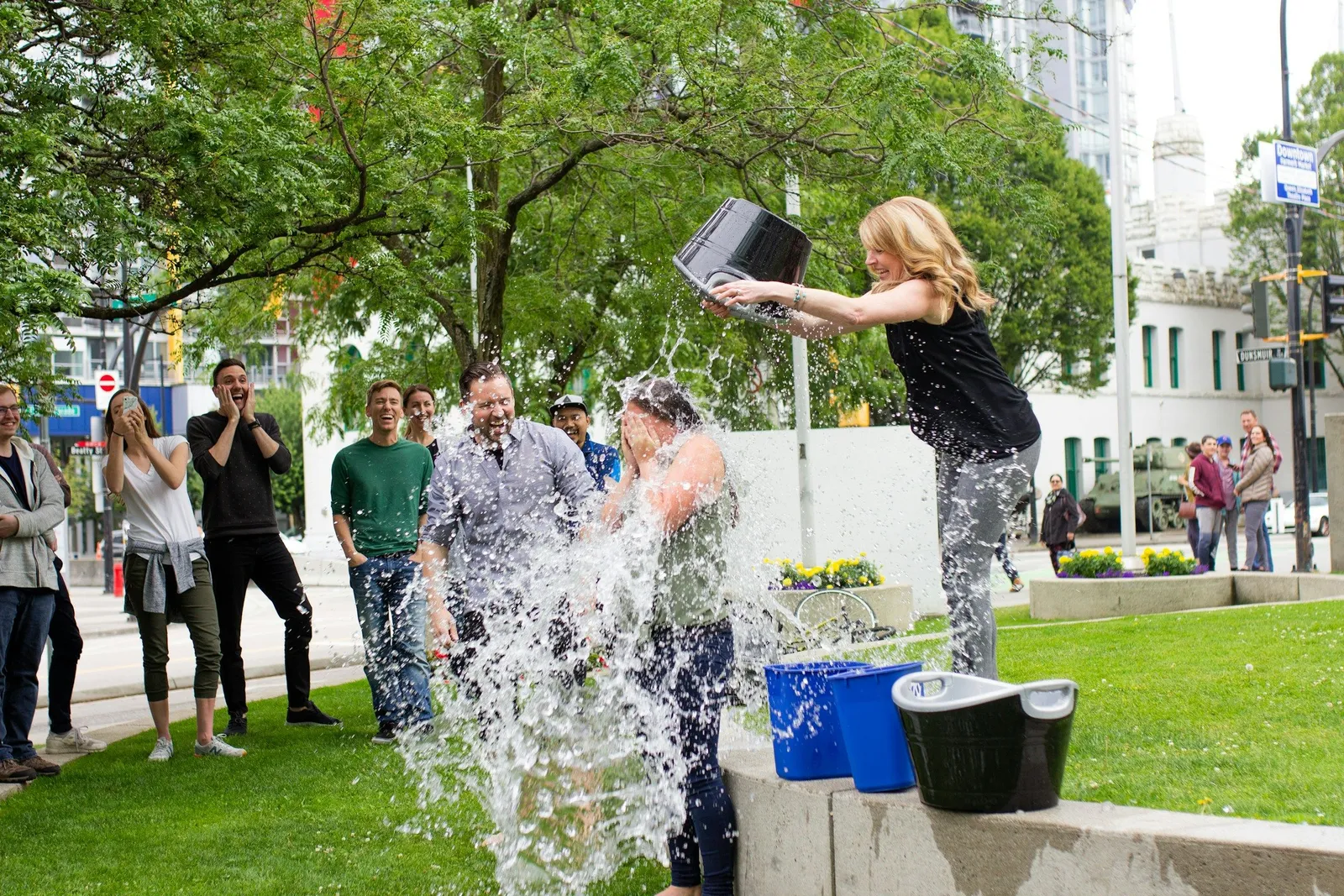
Team bonding. Shared challenge outside the office: a two-day outdoor program at a regional forest camp, a cooking workshop where groups compete by dish, a collective creative project. Works best for teams with low cross-department contact, or new hires joining an established group.
Strategy offsite. Focused two to three days with structured facilitation: workshops in the morning, decision sessions in the afternoon, shared meals in between. Runs at a lodge or conference property where there is no commute back to the office between sessions. Works when there is a real strategic question on the table, not a vague alignment goal.
Wellness half-day. A single-day yoga or breathwork class followed by a shared meal. Low logistics lift, meaningful benefit when the team is depleted. Most effective as a quarterly reset, not a once-a-year gesture.
Volunteer day with debrief. Spend the morning on a local environmental or community project, use the afternoon to reflect on what the experience surfaced. Lower cost than most offsites, often produces stronger cohesion than escape rooms.
Creative sprint. Two days with a specific brief and a team presentation at the end. Best for product, design, or creative teams who respond to structured output pressure.
The corporate retreat guide walks through the logistics and design step by step if you need the planning depth. Staff retreat ideas covers the sub-formats if you are working with a specific team structure.
Wellness and solo retreat ideas
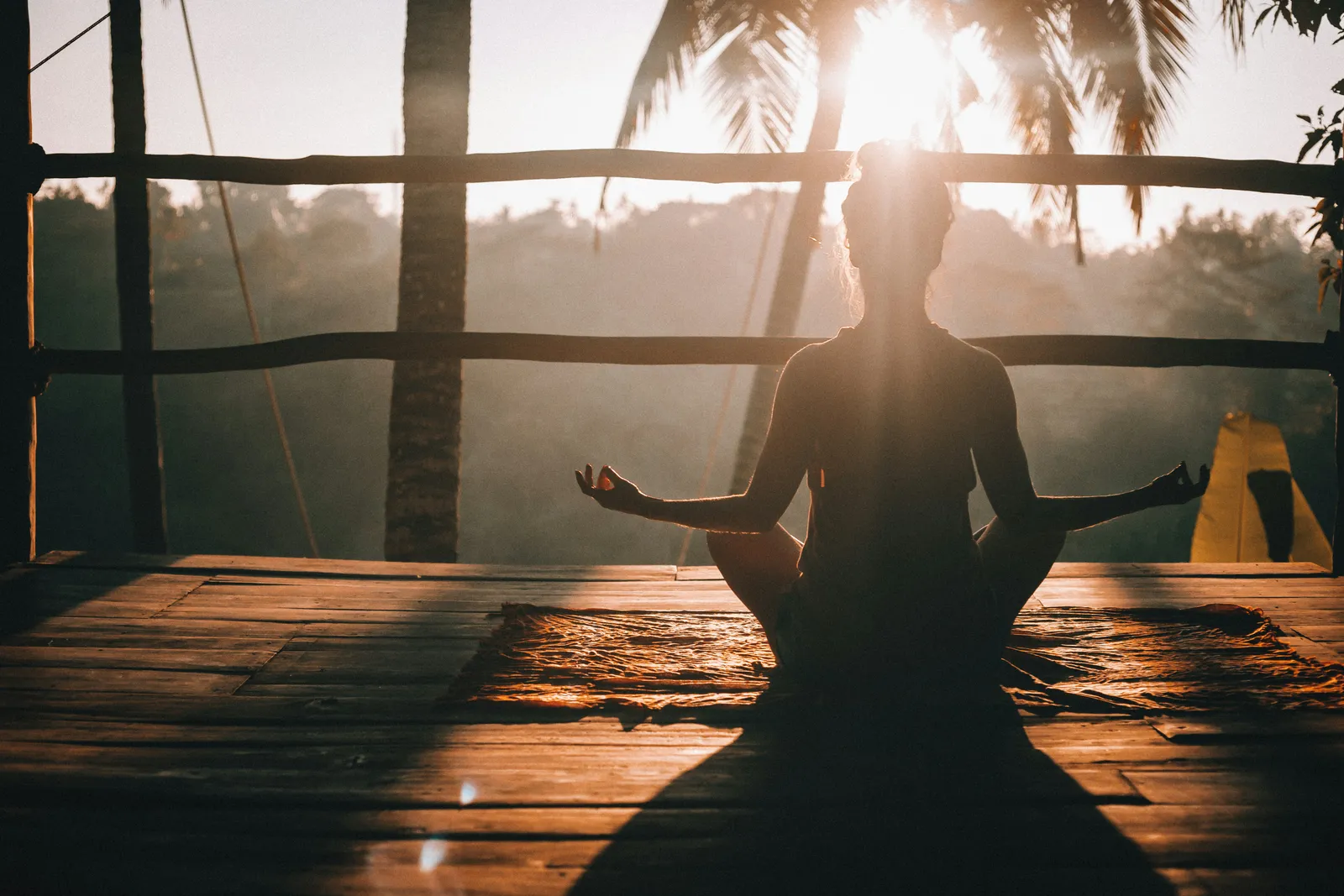
Some resets require you to show up alone. When you bring a companion, a portion of your attention stays social. Solo retreats are built around that absence.
Yoga immersion. Three to seven days at an established yoga center, two to three classes daily, vegetarian meals, minimal screen time. Entry-tier options in India and Southeast Asia cost a fraction of equivalent North American programs and deliver more contact hours with instructors.
Silent retreat. Three to ten days without speaking. Structured sits morning, afternoon, and evening, guidance from a teacher in between. The first two days are harder than the last three. What a silent retreat is explains the full format and what to expect before you book.
Digital detox in nature. A lodge program that removes screens and fills the schedule with hiking, forest bathing, and simple meals. Lighter than a formal meditation retreat; still delivers the disconnection that makes a reset land.
Wellness week. A week-long residential program at a larger wellness campus: daily yoga, nutrition workshops, optional bodywork. Shoulder season at North American and European centers brings mid-band pricing and quieter cohorts. Solo wellness retreats has the decision framework for solo formats; wellness retreat ideas covers the planning toolkit.
If one of these solo formats is already on your list, you can browse and filter programs at retreat-vacation.com before reading on.
Couples retreat ideas
Couples retreats split into two categories that are easy to conflate. One is a wellness reset with a shared frame: partner yoga, spa time, intentional couple time in a scenic setting. The other is structured relationship work: licensed-therapist-led intensives that compress months of sessions into a residential few days. Both are useful; they serve different needs.
Partner yoga retreat. Two to four days at a yoga center with a couples yoga program, shared meals, no phones. Requires no relationship difficulty, just a shared interest in the practice. Couples yoga retreat covers this format fully.
Spa and wellness weekend. A mid-tier property in a scenic region with couples massage, hot spring access, and good food. Good reset for couples who need a break from logistics more than anything else.
Nature adventure. Hiking, kayaking, or cycling as a shared challenge, with intentional evening time. Works well for couples who bond through activity and want a physical anchor for the trip.
Relationship intensive. A three to five day evidence-based program led by a licensed therapist using Gottman Method, EFT, or Imago modalities. The right choice when a recurring conflict pattern has not shifted on its own. Couples healing retreat covers what to look for in a program and what to avoid. Still at the brainstorming stage? Couples retreat ideas is the broader list.
Women's group retreat ideas
Groups of six to twelve tend to have the best retreat experiences: large enough for real energy, small enough for actual connection. Women's group retreats span several formats.
Yoga and community retreat. Three to seven days at a women's yoga program with shared practice, communal meals, and evening circles. Strong options exist in Southeast Asia, Mexico, and southern Europe.
Creative workshop retreat. Writing, painting, or ceramic practice as the core, in a residential setting. Best for groups with a creative interest and no performance pressure.
Nature and hiking retreat. Guided hiking with wellness practices (yoga, breathwork) in the mornings. Outdoor challenge builds cohesion quickly.
Spiritual gathering. Ceremony, meditation, and facilitated circle practice. Works for groups with shared spiritual curiosity. Runs across many traditions from Buddhist to secular contemplative.
Women's retreat ideas has the full breakdown with planning specifics for this audience.
Family and mixed-group retreat ideas
Multi-generational groups need one thing above all: activity options that work across energy levels. Sequence intensity thoughtfully so each age and preference has a natural place in the day.
Adventure camp. A property with outdoor activities at different difficulty levels: kayaking, archery, hiking, ropes. Morning challenge, afternoon choice, shared evening.
Farm stay with program. Cooking classes, animal care, and optional yoga. Gentle enough for everyone, tactile enough to hold attention across ages.
Beach retreat with structured mornings. A coastal property where the mornings have shared yoga or guided walks and the afternoons are open. Simplest logistics; works for friend groups and reunions alike.
Keep shared-agenda blocks short (two to three hours maximum) and give long stretches of free time. Over-programming is the primary failure mode for mixed-group retreats.
How to choose between retreat ideas
Three questions, in this order:
- What outcome do you want? Bonding, reset, skill-building, or healing. Name it before looking at venues.
- What is the group's energy and relationship to intensity? A group depleted by overwork needs a slower format than a group that is rested and wants challenge.
- What does the budget actually buy? Work-trade ashram formats deliver full programs for under $500 per week. Mid-band wellness centers run $1,000 to $1,500. Premium residential programs above that. The affordable wellness retreats guide covers the full pricing breakdown.
Red flags: picking a venue before settling on a goal, over-programming the schedule, choosing an activity the core group genuinely dislikes, and expecting a retreat to resolve something structural that needs ongoing attention.
For the operational logistics, including booking timelines, communication, and on-the-day management, retreat planning covers the full checklist.
Frequently asked questions
What are good ideas for a retreat?
It depends on your group and goal. Bonding-focused groups do well with active and shared-challenge formats. Groups needing a personal reset benefit more from reflective, slower programs. Problem-solving needs a structured workshop offsite with a real brief, not an activity-based event. The common thread: name the outcome first, then choose the format to match it.
How long should a group retreat be?
A half-day interrupts a habit and works for quarterly check-ins. A two to three day weekend delivers a real bonding or reset experience. A full week starts to change behavior and gives practices time to absorb. Book the shortest format that can realistically achieve your goal, not the longest your budget allows.
What is the difference between a corporate retreat and a wellness retreat?
Corporate retreats are work-focused: the goal is a team or organizational outcome (bonding, strategy, alignment, morale). Wellness retreats are personal-restoration-focused: the goal is individual health, stress reduction, or practice deepening. The formats can overlap, as some corporate offsites include wellness programming, but they serve different primary purposes and require different planning approaches.
What activities can you do on a retreat?
The main categories: outdoor and adventure (hiking, kayaking, climbing, team challenges), mindfulness and wellness (yoga, meditation, breathwork, silent practice), creative (painting, writing, pottery, music), and learning or professional development (workshops, facilitated strategy sessions, skill-building intensives). Most multi-day retreats combine two or three categories, with one as the primary anchor.
How do you choose a retreat theme?
Start from the primary goal, not from the aesthetics. A relationship-focused retreat builds its theme around the modality and the container, not the backdrop. A creative retreat builds its theme around the output and the practice. Themes chosen for visual or marketing reasons (mountain, ocean, forest) without an underlying goal produce beautiful retreats that do not hold up as experiences.
What type of retreat is best for couples?
It depends on what the couple needs. Partner yoga retreats and spa weekends work well when the goal is shared relaxation and quality time away from routine. Structured relationship intensives led by a licensed therapist (using Gottman Method, EFT, or Imago) are the right format when there is a recurring conflict pattern to work on. These are different products. Choosing the wrong tier produces disappointment in both directions.
How much does a retreat typically cost?
Three rough bands. Work-trade ashram programs run under $500 per week and include full meals and programming. Mid-band residential centers and tropical properties run $1,000 to $1,500 per week. Premium formats with private accommodation and full scheduling run above that. Corporate offsites and couples relationship intensives have their own pricing logic (per-head and per-couple respectively). The affordable wellness retreats guide has a full breakdown of what each tier actually includes.
How do you plan a successful retreat?
Define the goal first and communicate it clearly before anyone books travel. Choose a format that serves that goal rather than the most popular-looking option. Keep the agenda 30 to 40 percent open for unstructured time, especially on longer retreats. Build in a specific follow-through plan before the retreat ends. Retreats without a post-event plan lose most of their gains within six weeks.
Plan your next retreat
Browse over 1,000 curated retreat programs at retreat-vacation.com. Filter by format, group type, length, and region to move from ideas to a shortlist quickly. The catalogue covers yoga and meditation programs, corporate offsites, silent retreats, and couples programs across every price tier. Popular residential centers fill several months ahead for fall 2026, so filtering by your travel window first saves time.