

Table of Contents
- What is a retreat vacation?
- How a retreat differs from a regular vacation
- The main types of retreat vacations
- What actually happens on a retreat day?
- How to pick the right retreat vacation
- Frequently asked questions
- Is a retreat the same as a vacation?
- What is a retreat experience like?
- What is the difference between a vacation and a wellness retreat?
- How long is a retreat vacation?
- Who is a retreat vacation good for?
- What should I expect on my first retreat?
- Plan your next retreat
The alarm goes off at 6:15. Not for work. You reach for your phone, then remember: it is in the locker room at check-in, in a numbered slot with a small key on a lanyard. You pull on a sweater and walk downstairs to a room where eleven other people are already sitting in silence on folded blankets, watching the light change through a high window. That is day one of a retreat vacation.
What follows is nothing like a regular holiday.
What is a retreat vacation?
A retreat vacation is a trip built around a structured program with an intentional theme. The schedule is set by facilitators, not by you. Every day has a shape: a morning session, meals at fixed times, guided activities, an evening practice. The theme might be yoga, silent meditation, detox, spiritual inquiry, creative work, or relationship repair. What the theme is matters less than this structural fact: you arrive to follow a program, not to invent your own itinerary.
The word "retreat" originally meant withdrawal from ordinary conditions for a specific purpose. That meaning is still accurate. A retreat vacation withdraws you from the logistics, noise, and reactive patterns of daily life and places you inside a container designed for something specific, whether deepening a practice, resetting a habit, or experiencing a few days of structured stillness.
This is the broadest possible definition. For the full taxonomy of formats and how to match each to a specific need, the types of retreats guide is the complete breakdown.
How a retreat differs from a regular vacation
The distinction is structural, not one of quality or seriousness. Both a beach holiday and a meditation retreat remove you from your normal environment. The difference is what happens inside that environment.
Schedule. A regular vacation has none that you did not choose yourself. You sleep when you want, eat when you want, and decide each morning what the day holds. A retreat has a fixed daily timetable. You follow it. Some people find this liberating. Some find it grating for the first 48 hours. Both reactions are normal.
Connectivity. On a holiday, your phone is there if you want it. Many retreats include a full digital detox by design: phones in lockers, no Wi-Fi in common spaces, no checking messages between sessions. This is not a punishment. It is the mechanism by which the program actually works.
Outcome expectation. A vacation offers rest and new experience. A retreat offers practice plus the possibility of some shift, whether physical (better sleep, or the kind of physical reset a detox protocol aims for), mental (a quieter relationship with anxious thought), or relational (real repair work from a couples intensive). The shift is not guaranteed. It also does not happen on a two-hour meditation app. That is the honest framing.
Neither format is better. They serve different purposes. If you know you need structure to actually unplug, rather than convincing yourself every afternoon that you will relax tomorrow, a retreat will outperform a beach holiday by a considerable distance.
The main types of retreat vacations

Six formats account for most of the retreat market. They differ not just in theme but in the kind of person each one is built for.
Yoga retreats. Movement and philosophy in an immersive residential setting. Classes typically run twice daily; evenings often include meditation or discussion. Best for: anyone who practices yoga and wants to go deeper than a weekly class allows, or someone who wants to start with full support around them.
Wellness and spa retreats. Physical restoration as the primary goal: massage, thermal baths, nutritional support, genuine rest. The program ranges from loosely structured spa holidays to tightly scheduled detox protocols. Best for: burnout, chronic fatigue, or anyone wanting a physical reset rather than a skills-based practice. See what a wellness retreat is for the full definition.
Silent and meditation retreats. No talking, structured sitting practice, often ten or more hours of meditation per day. More demanding than it sounds, and not what most people imagine when they picture a "relaxing break." Best for: people who already have some meditation experience and want serious immersion. What a silent retreat is covers the format in full.
Spiritual retreats. Varies by tradition: Buddhist, Christian contemplative, yoga-lineage, secular inquiry. The thread across all of them is an invitation to meaning-making beyond the physical. Best for: those navigating a life transition or seeking a framework larger than daily routine. What a spiritual retreat is breaks down the traditions and how they differ.
Detox and health retreats. Nutritional reset, often with fasting, juice protocols, or elimination diets alongside guided movement and sleep work. Best for: physical overhaul, gut reset, or breaking a dependency on sugar, alcohol, or caffeine.
Creative and digital detox retreats. The screen goes in a drawer. A notebook or brush comes out instead. Creative retreats offer writers, painters, or musicians a structured residency with protected time to work. Digital detox retreats clear the schedule entirely and fill the space with nature, movement, and unhurried conversation. Best for: creative professionals with screen fatigue, and anyone who has noticed their attention span shrinking.
For the complete guide to every format and how to match each to your specific need, see our guide to types of retreats.
What actually happens on a retreat day?
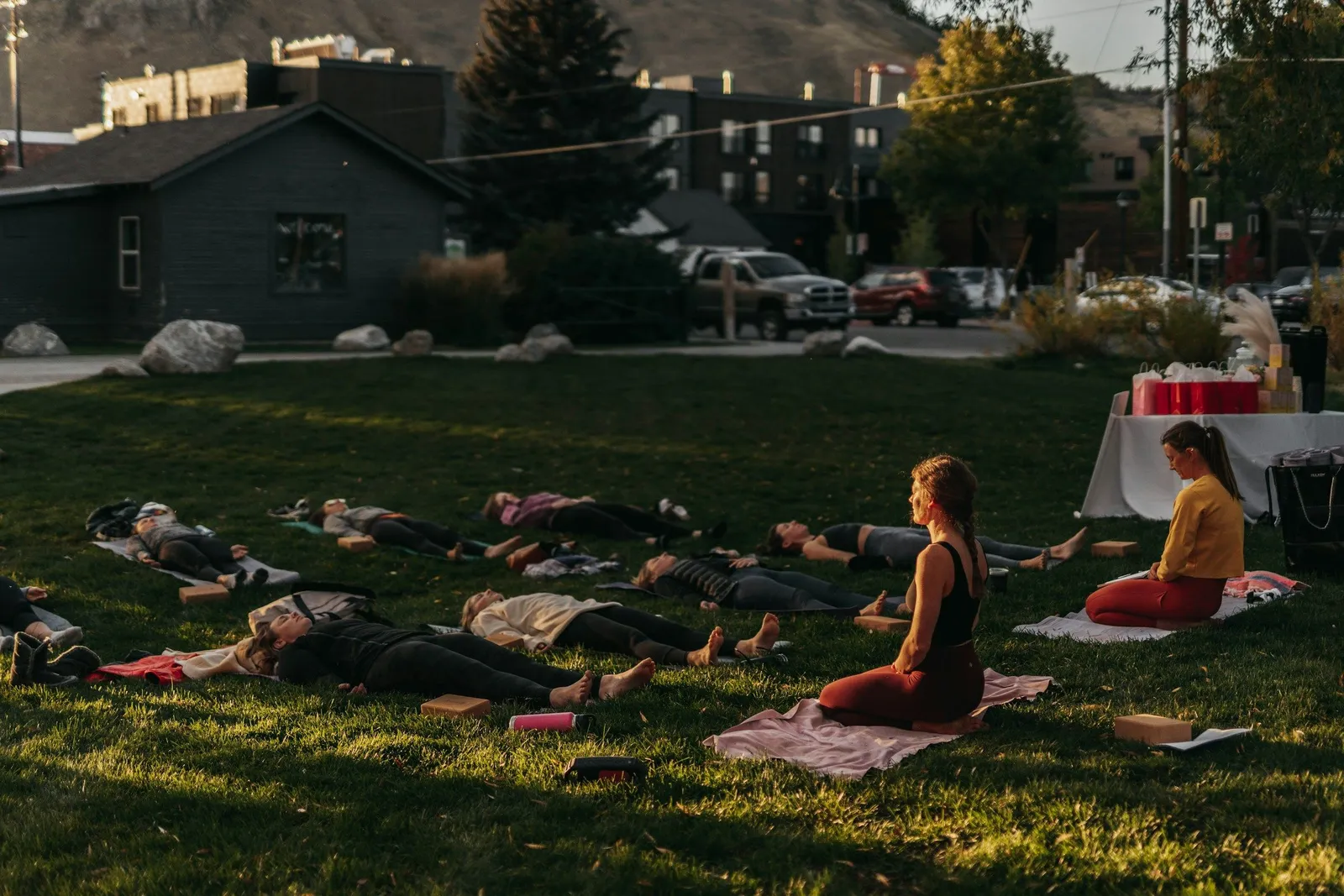
Every retreat is different, but a structural pattern holds across most formats.
Mornings start early, usually between 5:30 and 7:00 a.m., with movement: yoga, meditation, qigong, or a walk before breakfast. Meals are communal, often in silence during the meal or at least without phones on the table. The morning session runs with a facilitator, a workshop, a practice period. Lunch, then a rest break or a one-on-one bodywork appointment. An afternoon session: hiking, creative work, a group discussion. Group dinner, typically the most social hour of the day. An evening practice or journaling, then early sleep, often before 10 p.m., because the program requires it.
The first 24 to 48 hours are usually the hardest. The body is still running on its normal schedule, and the mind resists having its usual escapes removed. Most participants report the shift happens around day three: something slows down, attention settles, and the structure starts to feel like support rather than restriction. This is why most serious programs ask for at least three nights. Not because longer bookings are better for operators, but because that is the rough timeline of nervous system adjustment.
The physical setting for all of this is a retreat center: a dedicated property designed to hold the program, usually residential, usually removed from urban distraction.
How to pick the right retreat vacation
Five criteria cut through most of the decision.
What do you actually need right now? Rest and physical restoration point toward wellness or spa retreats. Learning or deepening a practice points toward yoga, meditation, or a skills-based format. Processing a transition (career change, relationship strain, loss) points toward a spiritual or therapeutic format. Be honest here. Choosing a yoga retreat because it sounds manageable, when what you actually need is a therapy intensive, is the most common mismatch.
How much structure can you handle? Full-schedule formats, including silent meditation retreats and Ayurvedic programs, leave little unstructured time. Semi-free formats, including most wellness and creative retreats, combine scheduled sessions with significant free time. Neither is better. Know your tolerance before you book.
How long can you go? A weekend samples the format. Five to seven days allows meaningful absorption. Ten days or more is genuinely immersive. Most first-time retreat-goers start with three to four nights: long enough to feel the shift, short enough to manage work and life commitments.
What is your budget? Programs range from a few hundred dollars at ashrams and work-trade centers to several thousand at private wellness estates. For a breakdown of what each price band actually buys, see affordable wellness retreats under $2,500.
Solo or with a partner? Most retreats are individual programs that happen to run in a group setting. Going solo is common and usually comfortable, because everyone is in the same unfamiliar situation. For relationship work specifically, a couples format is its own distinct category.
Ready to start looking? Browse programs by destination and format at retreat-vacation.com.
Frequently asked questions
Is a retreat the same as a vacation?
No. A vacation is self-directed: you choose what to do, when, and how. A retreat has a structured program run by facilitators, with a fixed schedule and an intentional theme. Both remove you from your normal environment. The experience inside that environment is fundamentally different. Vacations offer rest and freedom; retreats offer structure and practice.
What is a retreat experience like?
A retreat experience is the combination of two things: removal from your normal routine and entry into a structured schedule with a clear purpose. The removal cuts the usual distractions. The structure fills the space with something specific, whether that is movement, silence, creative practice, or therapeutic work. Most people describe the first two days as strange and the third day as the point where it clicks.
What is the difference between a vacation and a wellness retreat?
Think of it as a nested set. A wellness retreat is a specific type of retreat: purpose-directed, with physical and mental health as the explicit focus. A retreat vacation is the broader category; wellness is one form it takes. A standard vacation sits outside both: no structured program, no guided practice, no intentional theme. For a full breakdown of what wellness retreats include and how to read their price tags, see what a wellness retreat is.
How long is a retreat vacation?
From a single weekend of two or three days to thirty days or longer for immersive programs. Most first-timers start with three to seven days, long enough to experience a real shift and short enough to manage work and life commitments. Silent meditation retreats typically run a minimum of ten days for the intensive format; yoga and wellness retreats are often available in weekend or week-long options.
Who is a retreat vacation good for?
Anyone who benefits from a structured break with a clear purpose. That includes people who want to deepen a practice (yoga, meditation, creative work), reset a physical habit (detox, sleep, nutrition), or work through an inflection point such as burnout, relationship strain, or a life transition. It is not the right format for those who want pure leisure with no schedule and complete freedom of how to spend each hour. That is what a regular holiday does well.
What should I expect on my first retreat?
Expect structure, early mornings, and a degree of discomfort in the first two days, especially if your daily life has little stillness in it. Pack layers (retreat centers are often cooler than you expect), leave the laptop at home if the program does not require it, and resist the urge to plan activities for the evenings. The blank space is the point.
Plan your next retreat
Browse retreat programs at retreat-vacation.com, from week-long yoga immersions and silent meditation retreats to detox weekends and creative residencies. Filter by destination, duration, and format to find what matches what you need right now.