

Table of Contents
- What makes a retreat different from a vacation
- The main types of retreats
- Yoga retreats
- Wellness retreats
- Meditation and silent retreats
- Spiritual retreats
- Detox retreats
- Fitness and weight loss retreats
- Couples and relationship retreats
- Digital detox retreats
- Creative retreats
- Burnout and recovery retreats
- Solo retreats
- Darkness retreats
- How long should a retreat be?
- What does a retreat actually cost?
- How to choose the right retreat for you
- Frequently asked questions
- What are the different types of retreats?
- What type of retreat is best for beginners?
- What is the difference between a retreat and a vacation?
- How long should a first retreat be?
- How much does a retreat cost?
- Can I go on a retreat alone?
- Plan your next retreat
The moment arrives at some unexpected point. You know you need to get away. Not just away from the inbox or the commute, but away from the whole pattern that has been grinding you down. The long weekend you took in the spring fixed nothing. You came home with a full phone and an empty tank. What you want is something with structure and intention, but you have no idea yet whether that means yoga at dawn, five days of silence, a week of clean food and hiking, or something you have not named.
This guide maps the territory. Twelve types of retreats, what each one is actually for, who it suits, and how to match the right format to where you are right now.
What makes a retreat different from a vacation
A vacation is self-directed. You decide each morning what to do. A retreat has a programme. Someone else has designed the day: when you wake, what you practice, what you eat, when you rest. That structure is not a constraint. For most people, it is the entire point. Decision fatigue is part of what drives people toward retreats in the first place.
A retreat also has a stated purpose. Yoga practice, silence and meditation, physical detox, creative work, healing from burnout. You are not there to sightsee. You are there to do the one specific thing the programme was designed for, alongside other people who came for the same reason. That shared intention changes the atmosphere of a space in ways that a good hotel does not.
The research on why this works is not mysterious. The American Psychological Association's review of mindfulness and meditation summarises how structured practices of the kind found at most retreats change the brain in measurable ways: reduced stress response, improved emotional regulation, increased focus. The residential retreat format amplifies this by removing the ordinary triggers that interrupt the practice at home. For a deeper definition of what the wellness variant looks like specifically, what a wellness retreat is is the orientation read.
The main types of retreats
Yoga retreats
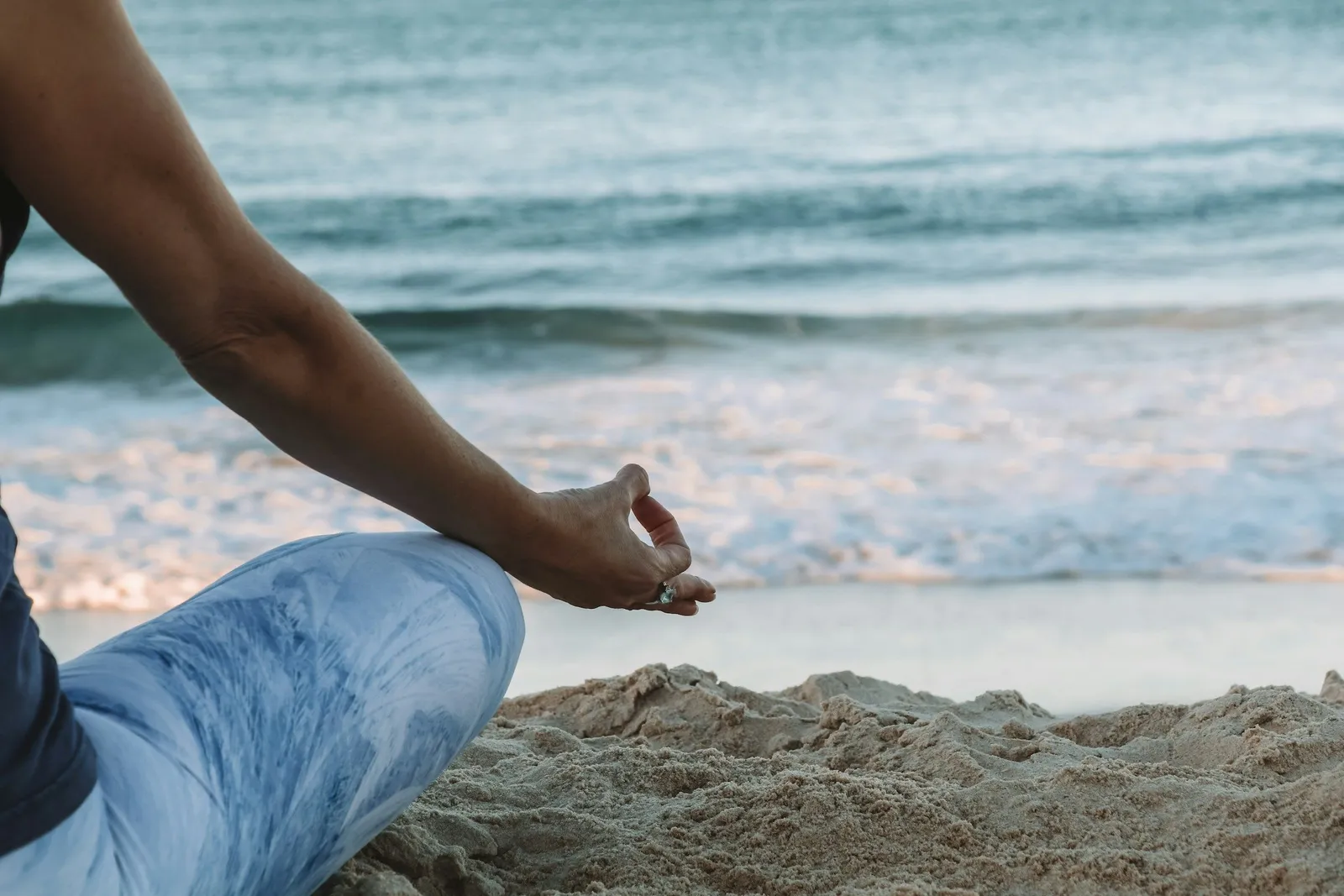
A yoga retreat centres daily life around practice, typically two sessions per day, morning and evening, with meals, rest, and optional workshops in between. Formats range from gentle Hatha for absolute beginners to dynamic Ashtanga or Vinyasa for experienced practitioners. The best formats pair the practice with something else: a specific teaching lineage, a philosophy module, or a certification component. Setting matters more here than in most retreat types: a hillside studio in Bali, a mountain shala in Portugal, and a forest retreat in Costa Rica each shape the experience differently. If you want to deepen a practice, work toward a teacher training credit, or simply build daily structure around movement and breath, this is where to start. For a specific couples angle, couples yoga retreats covers the joint-booking format in detail. Browse yoga retreats at retreat-vacation.com.
Wellness retreats
Wellness retreats take the broadest view of health: movement, nutrition, rest, and often some element of bodywork or reflection. A typical day might include morning yoga, a nutrition workshop, a spa treatment, and an evening talk. Sub-types within this category are wide: spa-focused, nutrition-led, weight management, and burnout recovery formats are all variants of wellness retreats, each with a different daily structure. The quality range is equally wide, from coastal European properties with high-end spa infrastructure to stripped-back mountain programs where the value is in the programme, not the architecture. If you are a first-timer who is not yet sure which more specific retreat type is right, start here. The full breakdown is in what a wellness retreat is. Browse wellness retreats at retreat-vacation.com.
Meditation and silent retreats
Meditation retreats range from guided afternoon-based formats at wellness resorts to strict ten-day silent Vipassana programs where no speaking, reading, or phone use is permitted. These are not the same product. A guided weekend retreat at a countryside hotel is a gentle introduction to sitting practice. A ten-day Vipassana is a demanding undertaking that changes people, and the first three days are not comfortable. If you have never meditated before, start with a guided three-to-five day format before committing to extended silence. What a silent retreat is covers the full spectrum. Browse meditation retreats at retreat-vacation.com.
Spiritual retreats
Spiritual retreats are shaped by a tradition: Buddhist, Christian contemplative, Hindu ashram-based, shamanic, or non-denominational. The practice varies accordingly: prayer and scripture, sitting meditation, kirtan and seva, ceremony. What most have in common is a pace that creates space for reflection and some form of connection to something larger than the ordinary day. They are distinct from general wellness retreats in that the tradition itself is the container, not just the backdrop. Readers actively exploring a spiritual path, returning to a tradition they were raised in, or looking for depth that purely body-centred formats do not provide will find it here. What a spiritual retreat is covers the breakdown by tradition and format.
Detox retreats
Detox retreats structure a programme around removing something: alcohol, processed food, sugar, screen time, or a combination. The residential format is what makes them effective where home attempts fail; the environment removes the triggers. A good detox programme is not just about restriction. It pairs the removal with education (why these inputs affect the body the way they do) and with practices that support the transition: yoga, breathwork, bodywork, whole-food meals. Worth attempting if you have tried cutting specific habits at home repeatedly without lasting success, and your body clearly needs a full stop rather than a gradual reduction.
Fitness and weight loss retreats
Fitness retreats combine structured exercise (bootcamp, HIIT, hiking, surfing, cycling, or a blend) with healthy meals and recovery practices. Weight loss retreats add medical-grade supervision and an explicit fat-loss protocol. The format suits people who want the accountability of structured daily exercise in a setting that removes the domestic excuses. The quality spectrum is wide, and the evidence base for what actually works differs sharply between general fitness formats and medically supervised programs. Do not substitute one for the other. Weight loss retreats covers what to look for and what to avoid.
Couples and relationship retreats
Couples retreats split into two distinct products that often share a name. The first is a wellness reset for two: partner yoga, shared spa time, intentional conversation prompts. The second is a genuine therapy intensive, run by licensed practitioners in evidence-based modalities such as Gottman, EFT, or Imago, with structured clinical work on recurring conflict. These are not interchangeable. Choosing the wrong tier is the most common mistake couples make when booking this format. Couples healing retreats covers the distinction and the price bands in detail. For the older faith-oriented variant, what a marriage retreat is covers a separate category.
Digital detox retreats
Digital detox retreats remove phones, laptops, and screens as a formal programme feature, not just as a polite suggestion. The draw is the enforced separation: many people cannot disconnect voluntarily at home, and the social contract of a shared programme makes it easier. The retreat fills the space that screens used to occupy with movement, nature time, workshops, and social interaction that does not involve a feed. If your relationship with your phone has become a consistent source of background stress, or your sleep and attention span have both measurably worsened over the past year, this format addresses the mechanism directly.
Creative retreats
Creative retreats structure a programme around making: writing, painting, ceramics, photography, weaving, or mixed-media work. The model works on two levels. First, dedicated uninterrupted time with professional guidance produces more output than the same person produces at home in six months of free evenings. Second, distance from ordinary life allows creative risk-taking that self-consciousness prevents in familiar settings. The format suits working creative professionals who need a focused production period, amateurs who want to develop a practice with skilled instruction, and anyone whose creative life has been consistently crowded out by other demands.
Burnout and recovery retreats
Burnout retreats are built around a specific medical and psychological reality: the three-phase progression of exhaustion, cynicism, and reduced efficacy that can take months or years to develop and will not resolve with a weekend off. A good burnout retreat does not just offer rest. It includes assessment, structured recovery practices (sleep regulation, nervous system support, boundary-setting work), and a personalised return plan. This is the retreat type most often wrongly replaced by a general wellness booking, with predictable results: you come home rested for a week, then slide straight back. Burnout recovery retreats covers what distinguishes the real format from the wellness weekend.
Solo retreats
A solo retreat is not a retreat without companions. It is a retreat booked alone, where you are the only person from your life. Most programmes run in mixed groups where you will meet other participants. Solo booking simply means your experience is not shaped by a travel companion's preferences. Many programmes explicitly attract solo travelers, and the mix of people who book alone tends to create a particular kind of openness and connection that group bookings sometimes lack. Solo wellness retreats covers what to expect and how to choose programmes that work well for solo travelers.
Darkness retreats
Darkness retreats house participants in complete light-free environments, typically for two to seven days. The practice is drawn from ancient traditions: without light input, the nervous system recalibrates circadian rhythms, sensory deprivation intensifies internal perception, and many participants report unusual clarity or emotional release. This is not an entry-level format, and the discomfort of the first day in complete darkness is significant. Check first that you have substantial prior experience with extended silence or sensory-reduced practice before booking.
How long should a retreat be?

Duration is where most first-time retreat bookers make the miscalculation. Longer is not always better. The right duration depends on the retreat type and what you are trying to get out of it.
Weekend (two to three days). Valid for experienced retreat-goers returning to a familiar format. Rarely deep enough for first-timers, because the first day is almost entirely spent arriving: arriving physically, arriving mentally, settling the nervous system out of its ordinary patterns. If day one is the decompression day, a two-night stay leaves you one full day of practice before you pack to leave. That can still be worthwhile, but manage the expectations accordingly.
Five to seven days. The most effective length for most retreat types and most people. Enough time for the nervous system to settle, for a real rhythm to develop, and for the day-three shift that regular retreat-goers recognise: the point at which the ordinary chatter quiets and something else opens up. For yoga, wellness, couples, fitness, and creative retreats, this is the standard working length.
Ten days or more. Required for certain formats and optional for those wanting genuine depth. Vipassana meditation retreats are traditionally ten days and not designed to be shortened; the first five days are considered preparation for the practice that begins in the second half. Serious detox protocols, medical-grade Ayurveda programs, and intensive burnout recovery retreats also typically start at ten days. If you have never done a retreat before, a five-to-seven day program is almost always a better first step than going straight to an immersive format.
What does a retreat actually cost?
Cost varies more by region, format, and accommodation type than by retreat quality. Three honest tiers.
Budget tier, roughly $80 to $200 per day. Group format, usually in Southeast Asia (Bali, Thailand, northern India), Eastern Europe, or at ashram-style programs in the Americas and Caribbean. The programme is the value: structured daily schedule, qualified teachers, included meals. Accommodation is shared or basic. This tier delivers the same transformation as the tiers above it when the programme is well-run; it does not deliver the architecture or the private spa treatment. For readers whose primary concern is keeping the total cost down, affordable retreat options under $2,500 breaks this tier down in practical detail.
Mid-range, roughly $200 to $600 per day. The majority of bookings. Private rooms, experienced facilitators, wider destination choice. A week at a well-run European or North American wellness centre, yoga retreat, or couples intensive lands solidly here. The programme quality in this tier is often indistinguishable from the premium tier; the difference is the property and the group size.
Premium, roughly $600 to $2,000 per day. Small groups or private formats, luxury accommodation, clinical-grade or specialist programmes. Medical Ayurveda, high-credential couples intensives, and curated burnout retreats at private properties sit in this tier. Above this band, the price is paying for discretion and architecture rather than for measurably better programme outcomes.
All figures are indicative. The rate for a specific programme depends on season, dates, accommodation type, and inclusions. Verify the current price on the programme page before booking.
How to choose the right retreat for you
A short decision framework. Six questions, honest answers.
1. What do you actually want to come away with? Rest is different from skill-building, which is different from healing, which is different from transformation. If you want rest, a wellness or yoga retreat with a gentle daily structure and good food will do it. If you want to genuinely repair a relationship, only the therapy-intensive tier of couples retreats will do it. If you want to recover from serious burnout, a general wellness weekend is not the right container. Start with the honest answer to this question and let it narrow the type.
2. Solo or group? Most retreats run in groups even when you book alone. The real question is whether you are traveling with a partner or friends whose preferences will shape the type you pick. Solo booking gives you full latitude. Traveling with someone you are close to adds shared context and accountability, which matters most in therapeutic formats. If you are choosing between a digital detox and a creative retreat because one partner wants silence and the other wants to paint, that is a signal to go separately.
3. How long can you realistically go? Be honest about work and family commitments. A five-day retreat you actually complete is worth more than a two-week programme you pull out of halfway through. If five days is genuinely the maximum, find a well-designed five-day programme rather than trying to compress a ten-day experience into five.
4. What is your budget? The budget tier is not a compromise on the programme; it is a different accommodation and infrastructure model. If your budget is limited, the question is destination: Southeast Asia and Eastern Europe deliver the same practice hours at a fraction of the European or North American cost. Read affordable retreat options before assuming your budget rules out a good programme.
5. First retreat or returning? First-timers: yoga, wellness, and shorter formats are the most forgiving entry points. They give you the experience of a retreat structure without the demands of silence or extreme detox protocols. Returning retreat-goers: this is where specialist formats (silent, immersive, burnout-specific, couples therapy-tier) deliver returns that general wellness formats no longer do. Match the challenge level to your experience.
6. Where do you want to go? Destination shapes culture and cost more than it shapes programme quality. A well-designed programme in Portugal is not worse than an equivalent programme in Bali; it is just different in climate, food, and local sensibility. If you are deciding between destinations rather than between retreat types, understanding what kind of venue works best for you is the deciding factor. What a retreat center is covers the format differences that matter when choosing a venue.
Frequently asked questions
What are the different types of retreats?
The main categories are yoga retreats, wellness retreats, meditation and silent retreats, spiritual retreats, detox retreats, fitness and weight loss retreats, couples and relationship retreats, digital detox retreats, creative retreats, burnout and recovery retreats, solo retreats, and darkness retreats. Each has a distinct structure and purpose. Most retreats draw from several of these categories at once: a yoga retreat often includes meditation and wellness elements, while a burnout retreat might incorporate detox and digital-detox components.
What type of retreat is best for beginners?
Yoga retreats and wellness retreats are the most accessible entry points. They have no prior practice requirement, the daily structure is intuitive, and the format is widely understood. Silent retreats and Vipassana programs require prior meditation experience to be genuinely beneficial rather than just uncomfortable. Detox and burnout retreats are most effective when there is a clear reason to choose them over a general wellness format. For a first retreat, match the type to something you are already curious about doing more of, not something that sounds impressive.
What is the difference between a retreat and a vacation?
On a vacation, you decide each morning what to do. On a retreat, someone else has already decided: the programme runs whether or not you feel like showing up. That is not a restriction most people resent. For readers whose ordinary life involves constant decision-making, the externally held structure is a relief. A retreat also gathers people around a shared purpose, which changes the social atmosphere of a space in ways a resort hotel does not, even when the physical environment is similar.
How long should a first retreat be?
Three to five days is the sweet spot for a first retreat. Long enough to settle in and feel the shift, short enough to manage the schedule commitment without it feeling overwhelming. Weekend retreats work for experienced retreat-goers returning to a known format but rarely give first-timers enough time to get past the arrival decompression phase. Formats of ten days or more (Vipassana, serious detox, Ayurveda) are worth waiting for until you have completed at least one shorter retreat and understand how you respond to the structure.
How much does a retreat cost?
Cost depends on region, format, and accommodation. Budget retreats in Southeast Asia and Eastern Europe run roughly $80 to $200 per day including programme and meals. Mid-range retreats at European and North American properties typically land between $200 and $600 per day. Premium formats with private accommodation and specialist practitioners start around $600 per day and scale upward. A full week at a well-regarded mid-range retreat runs $1,400 to $4,200 all-inclusive. The region is often the biggest lever: the same quality programme costs significantly less in Bali or coastal Portugal than in the Berkshires or the Swiss Alps.
Can I go on a retreat alone?
Yes, and it is common. Most retreat programmes run in mixed groups where you will meet other participants, and solo travelers are often in the majority. Solo booking simply means your experience is not shaped by a travel companion's preferences or energy. Many people who attend retreats alone describe the connection that develops with a group of strangers sharing an unfamiliar experience as one of the most valuable parts of the stay. Solo wellness retreats covers what to expect when booking alone and how to choose programmes that work well for solo travelers.
Plan your next retreat
Browse over 1,000 curated retreats at retreat-vacation.com. Whether you are drawn to a week of yoga in the mountains, five days of silence, a couples intensive in the Austrian Alps, or a detox programme in Southeast Asia, every type covered in this guide has a full category in the retreat finder. Filter by type, duration, destination, and budget to surface the programmes that match your situation. Fall 2026 programmes at the better-known venues tend to book out three to four months ahead, so filtering by your travel window first saves time.