
Table of Contents
- Why women's retreats work differently (and what to decide first)
- Yoga and wellness retreat ideas for women
- Adventure and outdoor retreat ideas for women
- Wellness and spa retreat ideas for women
- Creative retreat ideas for women
- Spiritual and reflective retreat ideas for women
- How to plan a women's retreat: a practical checklist
- Frequently asked questions
- What makes a good women's retreat?
- How do you plan a women's retreat?
- What activities work best for a women's retreat?
- How long should a women's retreat be?
- Do women's retreats need a theme?
- How much does a women's retreat cost?
- Plan your next retreat
The alarm doesn't go off. Outside, there's a path through the trees. Somewhere below, breakfast is being laid out by people who know nothing about your inbox. That's what a women's retreat looks like before the itinerary begins.
Whether you are planning one for a group or searching for ladies retreat ideas for a smaller gathering, this guide covers the full range: format by format, with a practical four-step planning checklist at the end and a realistic look at what each format costs. For the broader picture, retreat ideas for every group type covers the wider landscape.
Why women's retreats work differently (and what to decide first)
Two types of people search for women's retreat ideas. The first is organizing: planning a group experience for six, twelve, or twenty women and needing a framework to hold it together. The second is attending: looking for a retreat to book and show up to. This guide is useful for both, though the organizer perspective comes first.
Before you choose any activity, venue, or location, decide what the retreat is for. That single decision shapes everything else. Rest and restoration call for a different format than creative skill-building. Deep bonding calls for something different than solo spiritual practice.
Duration matters more than most people expect. One night interrupts the routine. Two to three nights let a group settle into a shared rhythm and create enough distance from ordinary life to do real work. A week or more is where genuine shift becomes possible. Day retreats serve local groups well when time and budget are tight.
For women planning solo, solo wellness retreats covers the individual format in full.
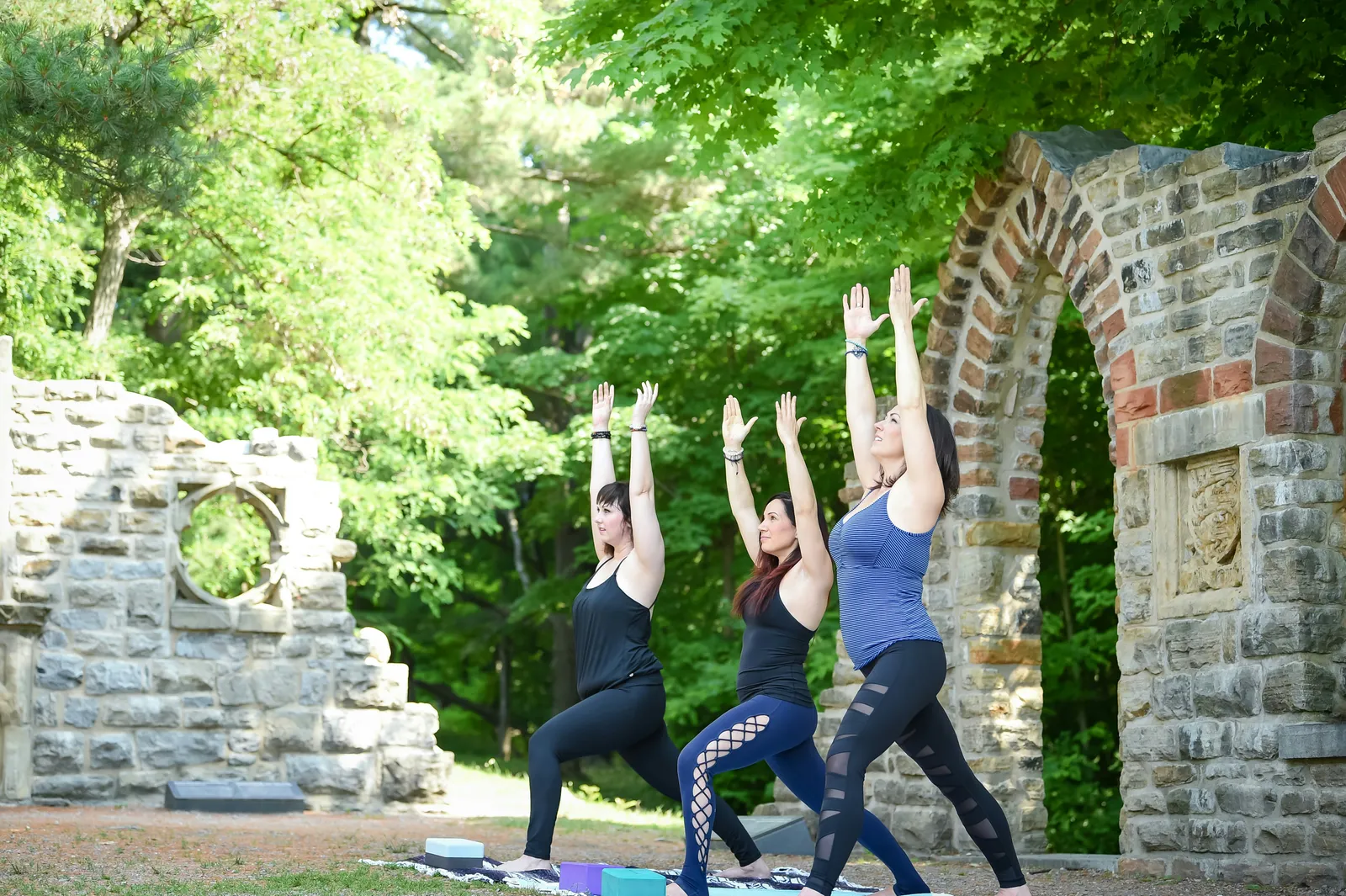
Yoga and wellness retreat ideas for women
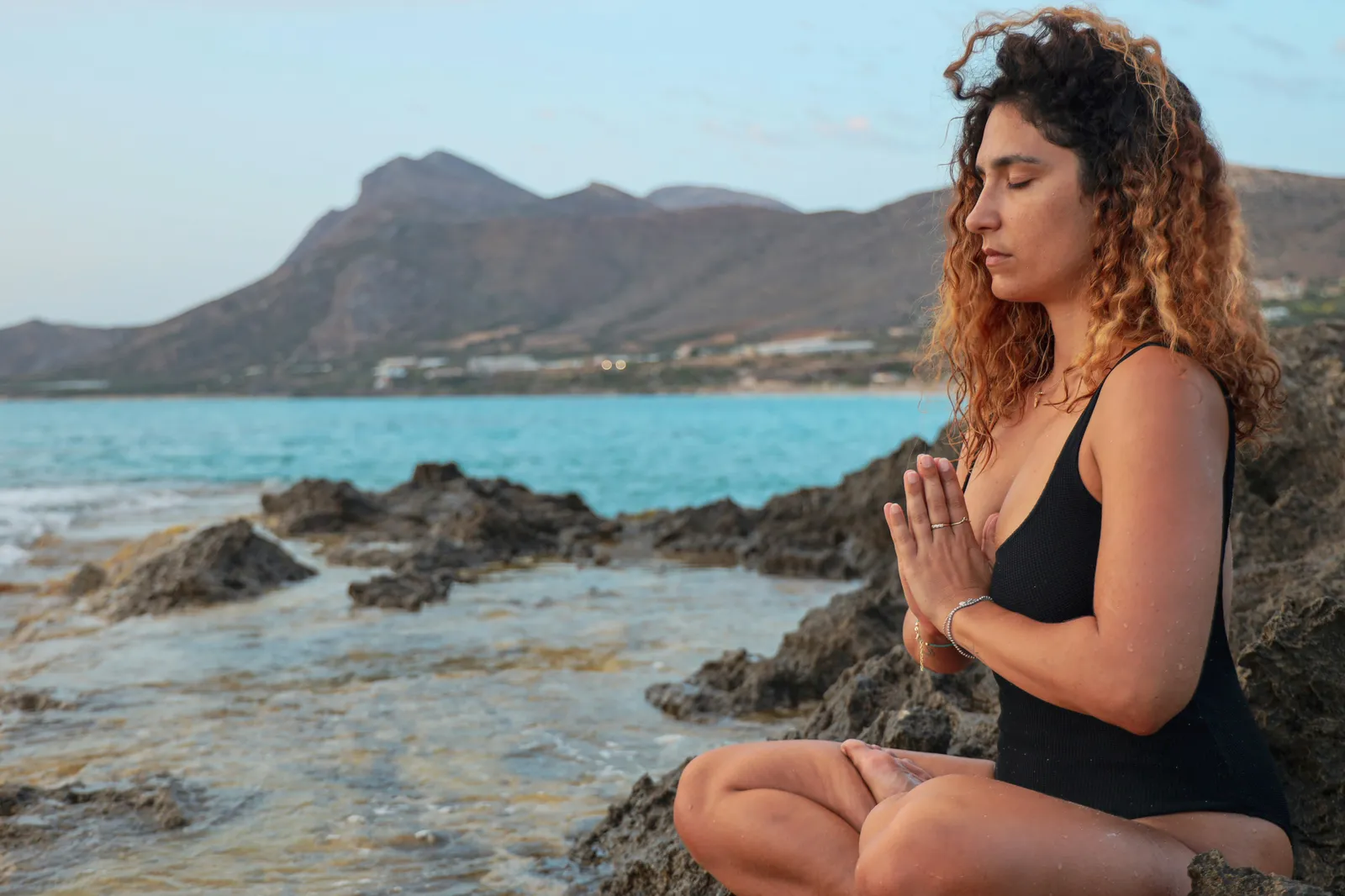
Yoga retreats are the largest category in the women's retreat space, and not by accident. The combination of physical practice, structured stillness, and communal meals creates a rhythm that most participants haven't lived in years. You stop managing things. You start noticing them.
Five formats worth knowing:
- A silent yoga and meditation week in a mountain setting. Days built around two practices, meals taken in shared quiet, no agenda outside the program. Arrive with a full inbox. Leave with nothing urgent.
- A beginner-friendly yoga retreat with spa integration: morning practice, afternoon treatments, optional evening yoga nidra. Suits groups where not everyone is a regular practitioner.
- A yoga and coastal nature retreat: practice on a clifftop or beach platform, morning swims, afternoon walks. Best for groups whose energy runs high and needs physical grounding before it can rest.
- An Ayurveda and yoga residential: structured daily routine (treatments, diet consultation, two yoga sessions), typically five to seven days. Best for women interested in practice alongside preventive health.
- A yoga and breathwork intensive: three to four days, focus on pranayama and somatic work alongside asana. A solid entry point for groups curious about breathwork but not ready for a full-week commitment.
Group size for yoga retreats typically runs eight to twenty participants. Groups of eight to twelve tend to work better for first-timers because the smaller space makes it easier to feel the room.
For a deeper look at the beginner experience, yoga retreats for beginners covers what to expect and how to prepare.
Adventure and outdoor retreat ideas for women
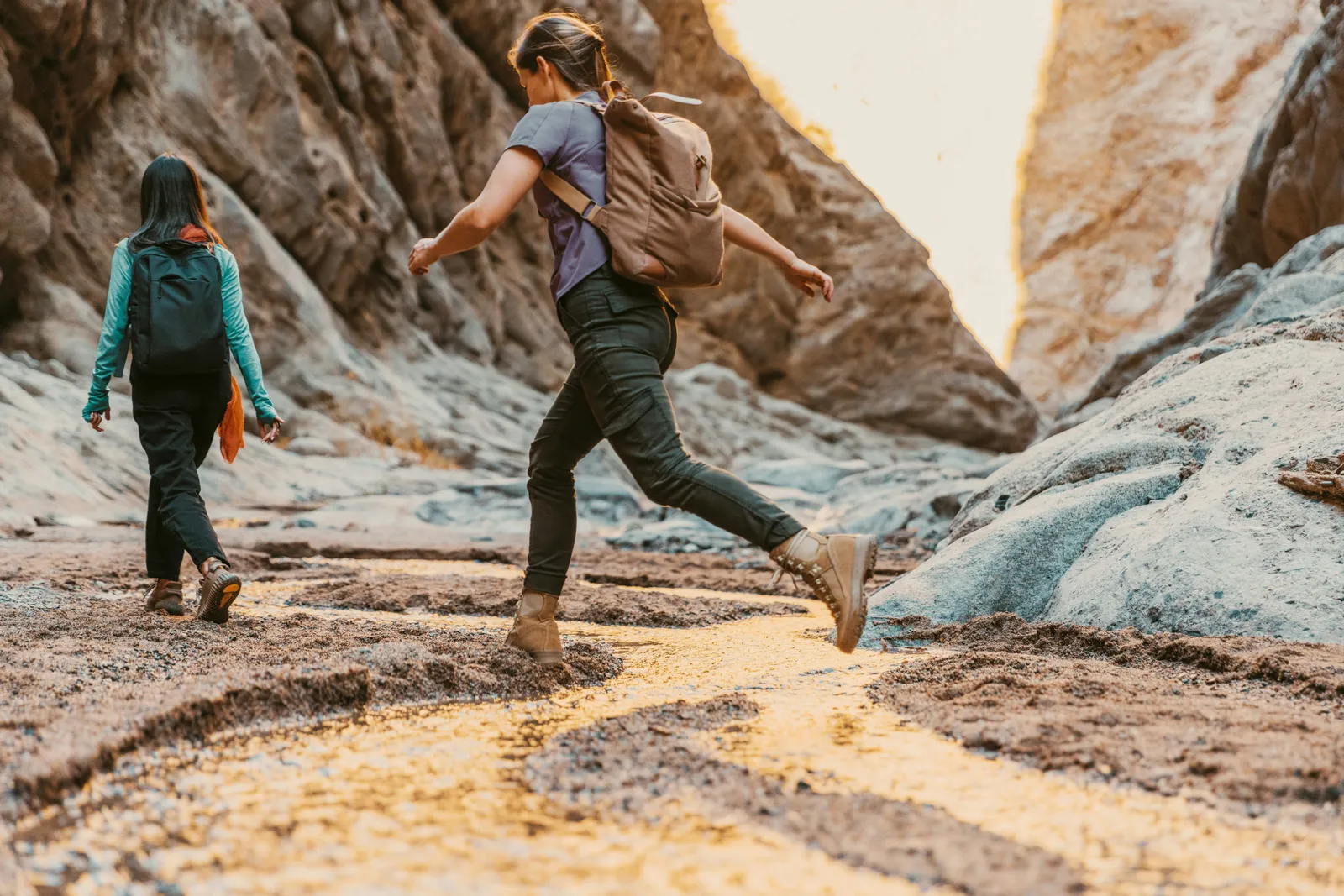
Outdoor retreats work because discomfort is a great leveller. Nobody thinks about deadlines on a scramble up a canyon wall. Nobody worries about status when everyone is wet from the same rainstorm.
Five outdoor formats that work well for women's groups:
- A guided hiking and trekking retreat: multi-day trail routes with reflective journaling at camp and facilitated conversation in the evenings. The physical tiredness does the emotional work that two weeks of therapy can't.
- A kayaking and coastal adventure weekend: paddling through sea caves, wild swimming, campfire evenings. Best for groups looking for novelty and a shared edge.
- A rock climbing introduction for beginners: outdoor sessions with certified guides, psychological safety woven into the debrief. Fear of falling turns out to be a productive group metaphor.
- A desert or wild-camping experience: minimal gear, fire circles, star-gazing, early mornings. Best for groups who want to strip back rather than add on.
- A surfing and mindfulness retreat: half-day surf coaching, half-day yoga or meditation, based in a coastal town. Suits groups that want skill-building alongside restoration.
Adventure retreats work best with six to twelve people. Smaller means more personalised instruction and faster group cohesion. Above twelve, you need additional guides.
Wellness and spa retreat ideas for women
The massage table hasn't been made yet. In two hours, it will be. That's the pace of a spa retreat that's doing its job. Slow. Purposeful. Nothing on a schedule that can't wait.
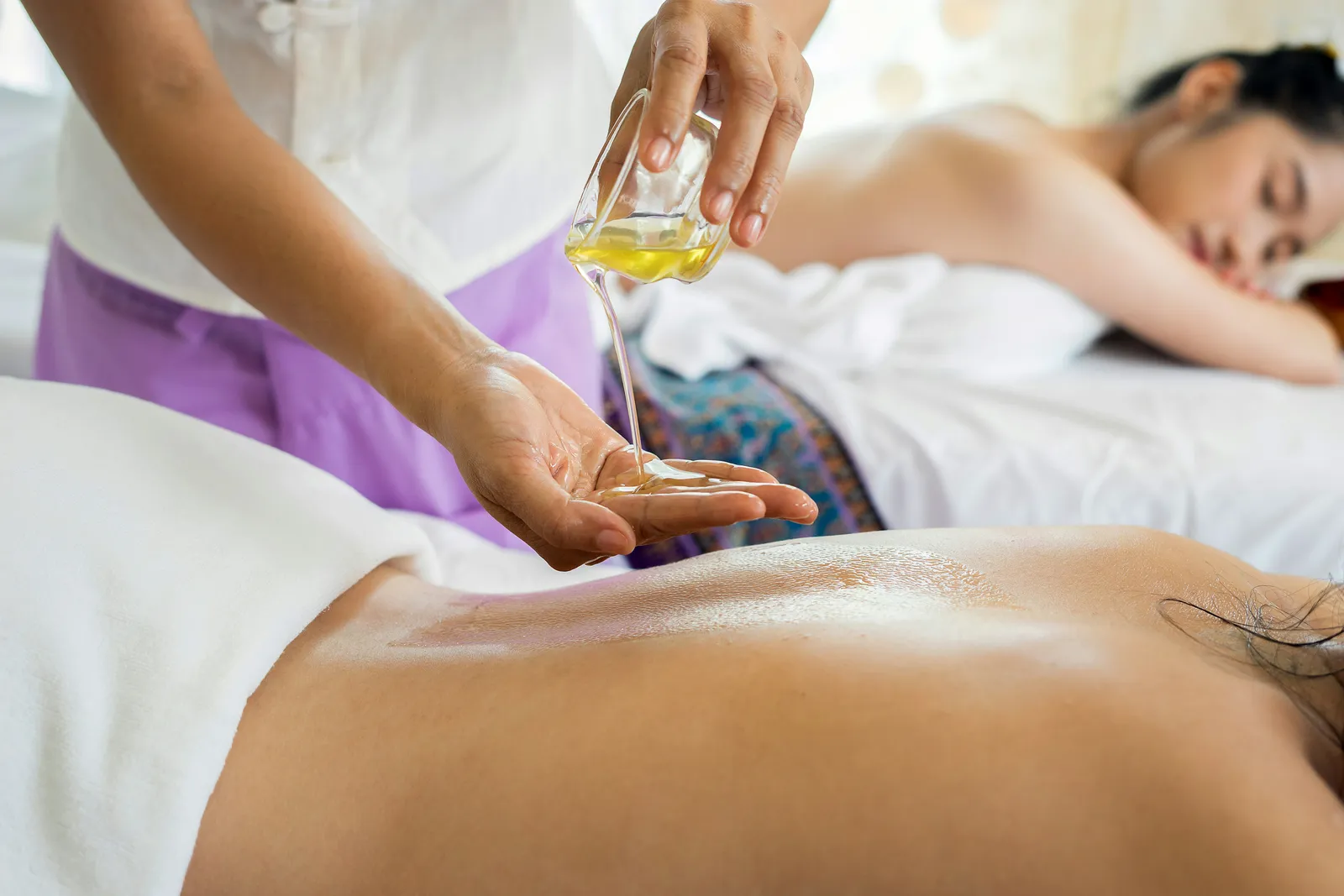
Spa retreats get dismissed as indulgent. That misses the point. For women carrying sustained physical and emotional load, dedicated restoration is a functional need, not a luxury add-on.
Five wellness formats worth considering:
- A detox and spa residential: thermal pools, daily treatments, clean eating, no alcohol. Three to five days. The constraint is part of the design.
- A silent spa and meditation weekend: treatments in the morning, guided sits in the afternoon, early meals, lights out by 9 pm. Best for groups who have been on a retreat before and know what they are choosing.
- A forest-bathing and holistic bodywork retreat: shinrin-yoku walks, massage, sound healing, herbal baths. Best for urban groups who need to change their sensory environment completely.
- A therapeutic fasting and wellbeing programme with supervised nutrition: only valid with a qualified practitioner on staff. Strong evidence base for those drawn to it.
- An aromatherapy and sound healing day retreat for local groups: lower budget, no accommodation, high return on time. Right format for groups who cannot get away overnight.
For a broader planning resource, wellness retreat ideas covers the planning angle in detail.
Creative retreat ideas for women
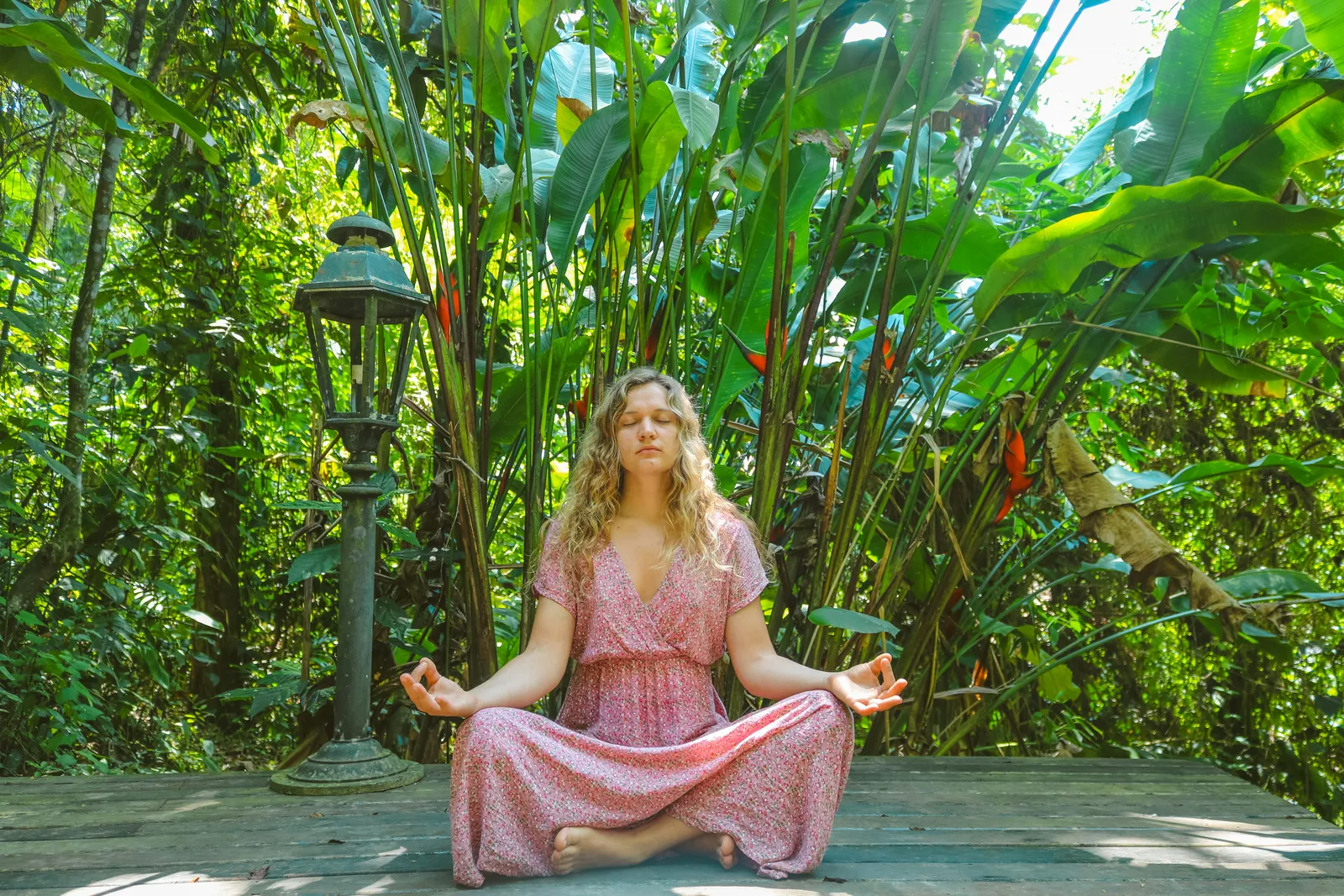
Creative retreats work for women who want to restore through making rather than stillness. The act of producing something shifts the mind differently from sitting quietly. You don't need to be skilled. That is often the point.
Five creative formats:
- A writing and journaling retreat in a countryside setting: structured workshops, free writing time, optional evening readings. Best for groups with some appetite for introspection.
- A ceramics and pottery weekend: throwing, hand-building, glazing, kiln fire. You leave with something in your hands.
- A photography retreat in landscape or urban settings: skill-building in the morning, shooting in the afternoon, shared edit session in the evening. Best for groups curious about seeing differently.
- A textile arts or natural dyeing retreat: working with plant dyes, hand-weaving, embroidery. Best for groups who want slow, meditative craft.
- A painting and sketching retreat in a coastal or mountain location: plein air practice, facilitated feedback, materials included. No prior experience expected.
No prior skill is always worth stating clearly in any invite. Creative retreats level the playing field in a way that few other formats can.
Spiritual and reflective retreat ideas for women
The word "spiritual" covers a wide range: from secular contemplative practice to faith-specific programming. The formats below focus on the secular end, which is where the larger audience sits.
Four formats:
- A silent meditation retreat: three to seven days, guided sits, dharma talks, no devices. Best for women with some prior meditation experience. This is not a beginner format.
- A contemplative nature walk retreat: slow, deliberate movement through natural environments, guided reflection, journaling. Best for women who find seated meditation difficult.
- A vision and intention-setting weekend: structured exercises around values, goals, and the year ahead. Well-timed around life transitions. Good for groups at an inflection point.
- A women's circle retreat with facilitated group sharing: talking sticks, somatic practices, shared meals, evening fire. Best for groups whose primary goal is connection and being heard.
For women whose practice is faith-based, many retreat programs run within specific traditions. Searching by tradition within a curated platform is the most efficient route.
How to plan a women's retreat: a practical checklist
Step one: define the goal and the group. What is this retreat actually for? Rest. Connection. Skill-building. Adventure. Spiritual practice. The goal determines the format, never the other way around. Who is coming? What is their energy level and physical baseline?
Step two: choose a format and duration to match the goal. A group that needs genuine rest needs three nights minimum and a light program. A group that needs bonding needs a format that creates shared experience: cooking together, hiking the same trail, climbing the same wall. A group that wants to learn something needs a skill-based format with a patient instructor.
Step three: lock the logistics. Venue type (residential centre, rental house, hotel). Transport (can everyone drive, or do you need to arrange shared travel?). Catering and dietary requirements. Budget per person, calculated as total cost divided by group size, not just the program fee. Retreat Vacation's catalogue lets you filter by group size and duration if you need a shortlist quickly: retreat-vacation.com.
Step four: build the agenda, but leave gaps. Not every hour needs filling. The conversations that happen between sessions are often the point. A good rule: fill around sixty percent of daytime hours with program, leave forty percent open.
A note on group size: six to twelve women is the sweet spot for a first retreat. Larger groups (twenty-plus) need more structure and a professional facilitator. Smaller groups (four or fewer) can feel underpowered for activities that need a real group dynamic.
For the full logistics guide, see retreat planning. For ideas that work across all group types, retreat ideas for every group type is the companion read.
Frequently asked questions
What makes a good women's retreat?
A clear goal, a format that matches the group's energy level, and enough unstructured time in the schedule. Retreats that try to fill every hour usually leave participants more tired than restored. The test: can you explain what the retreat is for in one sentence before booking it?
How do you plan a women's retreat?
Start with the goal, then choose a format and duration that serve it. Logistics come last. A common mistake is choosing a venue before deciding on a goal. Goal first, venue second. See retreat planning for the full step-by-step checklist.
What activities work best for a women's retreat?
It depends on the group, but the most successful formats mix at least two types: something active and something still. Hiking paired with evening meditation. Pottery paired with morning yoga. Popular choices include yoga, guided nature walks, creative workshops, spa treatments, and facilitated group conversations.
How long should a women's retreat be?
One night interrupts routine. Two to three nights is enough for a group to settle into a shared rhythm and find its pace. A week or more is where real shift becomes possible. Day retreats work well for local groups on tight schedules. For a first retreat with a new group, two nights is the reliable choice.
Do women's retreats need a theme?
A theme helps the organizer design a coherent experience, but it is not mandatory. Simple themes (rest and renewal, creative freedom, adventure) are more effective than elaborate concepts. The theme should guide activity selection, not constrain it.
How much does a women's retreat cost?
Cost varies widely by format, duration, and location. A DIY local day retreat typically costs much less than a curated residential programme. Residential programmes vary significantly depending on accommodation tier and region. Verify current rates directly with any programme before booking, since prices shift seasonally.
Plan your next retreat
Retreat Vacation curates over 1,000 programmes across yoga, adventure, creative, and restorative formats, filterable by duration, location, and group size. Browse the full catalogue at retreat-vacation.com.