Retreat Urlaub - Urlaubsangebote für Körper, Geist und Seele.

Surf vacation 2028

Surfing is a great change from a regular vacation.
Here are great offers that take place 2028.

9 curated retreats from €320

New retreats straight to your inbox?

So you always stay up to date.

We take data protection very seriously. Further information

Surf retreats and surf camps in comparison

Anyone planning a surf trip quickly encounters two terms often used interchangeably but describing different formats. Surf camps put surfing at the centre. The day revolves around waves, theory sessions on the board, dry-land drills on the beach and two to three water sessions. The evening programme is social, often with bonfire, bar and shared meals at long tables. The target group is mostly young between 20 and 35, many solo travellers seeking connection and action. The atmosphere is relaxed, the goal clear: ride waves and meet friends. Surf retreats choose a different focus. Here surfing is part of a broader programme that includes yoga, meditation, breathwork, mindful nutrition and quiet time on the beach. The day starts with a yoga session, followed by a surf session in a small group, a midday break with wholefood lunch and a quieter afternoon activity such as a breathing practice, pranayama, massage or beach meditation. In the evening a shared meal, sometimes a sound bath and early to bed. The target group is broader, from 25 to 60, with a higher share of women and a calmer, often more introspective travel motive. Both formats have their place. Anyone seeking action and sociability is better in the camp. Anyone wanting a holistic time-out in which surfing is the means and silence has a firm place chooses the retreat format. Some operators mix both worlds and call themselves Surf and Soul or Surf and Yoga, with clearly defined programme days for water and ground.

Which surf spot suits whom

The choice of region shapes your surf trip more than the choice of accommodation. Three main zones dominate the European and global surf market, each with its own profile. The Portuguese Atlantic is considered a beginner paradise. Beach breaks on the Algarve, the Costa Vicentina and in the north around Peniche and Ericeira offer gentler waves, sandy bottoms and a high density of surf schools with German-speaking instruction. Water temperatures range from 16 to 21 degrees, a 3/2 or 4/3 wetsuit is standard. Anyone who has never stood on a board will catch their first whitewater here after three to five days. The northern coast of Spain with the Basque Country, Asturias and Galicia and Morocco's Atlantic coast around Taghazout are the next level for intermediates. Both regions have powerful waves, often with reef breaks, and require confident standing on the wider part of the wave. Water temperatures in Morocco are 18 to 22 degrees year round, in the Basque Country 14 to 21 degrees. Bali, Sri Lanka, the Mentawai Islands in Indonesia and Costa Rica are surf travel destinations for experienced surfers with bigger travel budgets and time. Here you find warmer water from 26 degrees, longer waves with classic point breaks and a more relaxed surf culture. Which region fits you depends on three questions: how confidently do you stand on the board, how much travel time do you have, and how important is warm water?

Season and wave conditions

Surf seasons follow their own logic that does not match classic travel seasons. The Portuguese Atlantic is most reliable from May to October. During this time waves are well manageable for beginners and intermediates, weather stable between 22 and 28 degrees air temperature, water between 17 and 21 degrees. In winter waves grow bigger and rougher, attracting advanced surfers and pros; for beginners this phase is not ideal. Spain's Atlantic coast follows a similar pattern. High season in the Basque Country runs June to September, the shoulder season in May and October is often the quietest phase with good conditions. Morocco peaks between November and March when Atlantic swells roll in reliably and water temperatures at 18 to 19 degrees are still pleasant. In summer Morocco becomes too hot and waves smaller. The Mediterranean coast delivers significantly smaller and more irregular waves but suits very young beginners or a refresher course in shoulder season. Bali is surfable year round; the best time for the west coast with Uluwatu and Padang Padang is between May and October, for the east coast with Sanur and Keramas between November and March. Sri Lanka follows a similar pattern with season in the south between November and March and in the east between May and September. Anyone planning a surf trip should check the desired region's season twelve weeks before departure, because high-season bookings sell out fast.

Typical daily flow on a surf retreat

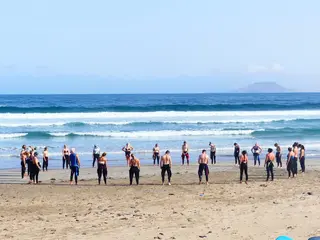
A day on a surf retreat follows a clearly timed rhythm that balances the physical demand of surfing with quiet counterpoints. The morning starts early, usually between half past six and seven, with a 60 to 75 minute yoga session. The focus lies on hip openers, shoulder openers, back mobilisation and breathwork. This practice prepares the body for the surf session and makes the decisive difference between a pain-free and a painful surf day. A light breakfast with fruit, oats and protein follows, then the transfer to the surf spot. The first session runs between nine and eleven, when the wind is still calm and waves run cleanly. Before entering the water there is a theory unit with wave knowledge, safety rules and the concrete spot briefing for the day. After the session, usually two to two and a half hours in the water, the group returns to camp for lunch. Wholefoods with fish or vegetarian options, lots of vegetables and good protein sources return energy to the body. The early afternoon is rest time. A second surf session is optional and runs between four and six in the afternoon, when the wind often calms again. Dinner around half past seven is communal, often with local specialities. Before sleep a short meditation or breathing practice closes the day. Surfers sleep early and deep because the body recovers particularly well after water, sun and salt.

Frequently asked questions

What is a surf retreat?
A surf retreat combines surfing with a restorative break from everyday life. In addition to professional surf lessons and group surf sessions, you can often enjoy complementary activities such as yoga, meditation, or wellness treatments. This way, you can improve your surf technique while also rejuvenating body and mind. On Retreat Urlaub, you'll currently find 19 surf retreats at some of the most beautiful coastlines in the world.
What does a surf camp or surf retreat cost?
Prices for surf trips range broadly from around 500 to 2,500 euros per person per week. Simple surf camps in Portugal, the Algarve or in the north around Peniche with shared dorm, half board and three surf sessions per week start at 500 to 700 euros for seven nights. Standard camps with double room, five surf sessions, equipment rental and relaxed atmosphere sit between 700 and 1,000 euros per person. Surf retreats with yoga programme, small group of eight to twelve, wholefood kitchen and single room option range from 1,000 to 1,500 euros. Premium retreats with their own surf school, two water coaches, ayurvedic meals, massage-inclusive package and small group of six to eight people sit between 1,500 and 2,500 euros per person per week. For international destinations such as Bali, Sri Lanka or Morocco lodging prices are often lower but flight costs come into play. A ten-day trip to Bali with mid-range retreat lands between 1,500 and 2,300 euros including flight depending on season. What shapes the price more than the region is group size: small groups with eight or fewer participants pay more per person but benefit from individual instruction and more waves per surfer in the water.
Do I need to know how to surf before joining a surf retreat?
No, most surf retreats welcome complete beginners as well as more advanced surfers. You'll usually be grouped according to your experience level and receive instruction tailored to your abilities. Simply check the description of each retreat when booking – it will include information about the recommended surf level.
When is the best time for a surf trip?
The best travel time depends on region and level. For beginners in Portugal May to October is ideal, the Algarve even mild into November. The main months July and August are busy; the shoulder seasons in May, June and September often offer the best mix of good waves and manageable crowds. For intermediates on the Portuguese west coast September and October are prime time with bigger but cleaner swells. Spain's Basque Country works similarly with a June to September season and best conditions in September. Morocco is most reliable from November to March when Atlantic lows send big swells to Cape Ghir. In the European peak summer relatively little happens in Morocco. Bali is surfable year round, the dry season from May to October is best on the west coast, the rainy season from November to March on the east coast. Sri Lanka follows the same pattern: south coast in European winter, east coast in European summer. The Mentawai Islands and the Maldives are classic boat trip destinations with their own seasons, mostly April to October. What you should avoid: the Portuguese Atlantic coast in January with big waves for beginners, the Moroccan interior in peak summer due to heat, and the Balinese rainy season on the west coast when wind makes the waves choppy.
How much do surf retreats cost?
The cost of surf retreats varies depending on the destination, duration, accommodation, and what's included. On Retreat Urlaub, you'll find options starting from €550, with an average price of €2.869, and more exclusive retreats costing up to €11.900. Typically, accommodation, surf lessons, surfboard rental, and often meals are included in the price.
What experience do I need to surf?
Prior surfing experience is not needed for beginner camps. Anyone who has never stood on a board is introduced to the basics in the first two days: the lying position, paddle technique, wave theory, the move from lying to standing called the pop-up, and the first attempts in the whitewater zone. What you should bring is moderate baseline fitness, especially shoulder and back strength for paddling, and swimming skills for at least 200 metres of open water. Anyone without swimming skills should take a swim course before the trip or choose another travel format. Fear of heights does not matter in surfing, but fear of water is a factor: anyone afraid of being submerged or hit by a wave should practice in a pool with a diving area beforehand or choose a very gentle spot such as sheltered Mediterranean coves. At intermediate and advanced level the spot expects more of you: you should be able to paddle out independently, read the wave, paddle into a green wave and stand. You typically reach these levels after 15 to 25 sessions, meaning three or four surf weeks. What makes surfing different from other sports: it is a sport that keeps you humble. Even after years you have days when you catch no wave. Anyone who takes that with humour has the right spirit.
Which destinations are most popular for surf retreats?
Popular destinations for surf retreats include Portugal (especially the Algarve and the Ericeira region), Morocco, Bali, Sri Lanka, Costa Rica, and the Canary Islands. Each destination offers different wave conditions, climates, and cultural experiences. Browse through our 19 listings to find the perfect surf destination for you.
Which regions are popular for surf trips?
The most popular surf regions for German-speaking travellers concentrate on four core zones. Portugal with the Algarve, the Costa Vicentina and the Peniche and Ericeira area is the undisputed number one for beginners and intermediates. Spain's Atlantic coast with the Basque Country around San Sebastian, Asturias and the Costa de la Luz in the south follows directly. Morocco with Taghazout, Tamraght and Imsouane is the winter alternative for Europe with milder water temperatures. France's Atlantic coast around Hossegor and Biarritz has established itself as Europe's surf capital but is crowded in summer and less suitable for beginners. Italy surprises with Sardinia and the Buggerru coast in shoulder seasons. Outside Europe Bali, Sri Lanka and Costa Rica top the popularity lists. Bali offers with Canggu, Uluwatu and Padang Padang both beginner and pro spots, a large retreat scene and good connections. Sri Lanka has emerged as an insider tip in recent years, especially the south coast around Weligama, Mirissa and Hiriketiya. Costa Rica stands for warm water, long waves and a relaxed atmosphere but is far from Europe. The Mentawai Islands and Telos in Indonesia and the Maldives are premium surf destinations, often booked as boat trips, with high prices and exclusive wave experiences. Which region fits you depends on level, travel budget and desired water temperature.
What should I bring to a surf retreat?
Most surf retreats provide surfboards and wetsuits. However, you should bring swimwear, sun protection (reef-safe sunscreen, surf hat), comfortable clothing, a small first-aid kit, and yoga clothes if applicable. Some surfers also like to bring their own board – check in advance whether this is possible. You'll often find detailed packing lists in the retreat descriptions.

How do I get to a surf camp or surf retreat?
Most surf destinations in Europe are well reachable by flight, with many camps and retreats organising the airport transfer. For Portugal you land in Lisbon for the Ericeira and Peniche area, in Faro for the Algarve. Both airports have dense connections from Frankfurt, Munich, Düsseldorf, Berlin, Vienna and Zurich. For Spain's Atlantic you fly to Bilbao or Biarritz, with the transfer to the Basque Country usually included in the camp price or bookable for a small fee. Morocco is reached via Agadir, with a one to two hour onward journey to Taghazout, often as a group transfer with the camp. Bali and Sri Lanka require a long-haul flight with stopover, lasting 16 to 22 hours depending on route. Some operators include the domestic transfer in the destination country in the overall package. Anyone travelling with a board should register that in advance with the airline. Board bag fees range from 30 to 100 euros per direction depending on airline. Many camps offer equipment rental on site, so you do not have to bring your own board, especially convenient for beginners. When travelling by car or campervan the shoulder season is recommended, as many camp parking spots are booked out in high season. Before booking it pays to look at the operator's specific transfer description, as packages differ noticeably.
Are surf retreats also combined with yoga?
Yes, surf & yoga retreats are among the most popular combinations! Yoga is the perfect complement to surfing, as it improves flexibility, balance, and breath control – all skills that also help you on the board. Many of our 19 surf retreats include daily yoga sessions, either in the morning before surfing or in the evening for recovery.
What is included in the price of a surf camp or surf retreat?
The standard scope of a surf camp or surf retreat includes accommodation, half board with breakfast and dinner, the surf sessions with experienced instructor, the complete surf gear with board and wetsuit and the transfer to the respective surf spot. Standard camps include three to five sessions per week, premium retreats usually a daily session and sometimes a second optional afternoon session. Retreats with yoga programme add one to two daily yoga sessions, often a morning and evening practice. Theory units on wave knowledge, safety, spot briefing and surf technique are usually included. What is often not included: lunch, drinks outside meals, personal massage or therapy treatments, the flight to the destination, possible travel cancellation or surf accident insurance, tips for the surf instructor and possible evening activities such as bar drinks or special workshops. For international destinations such as Bali or Sri Lanka visa fees, domestic transfers and possible boat rides to more remote surf spots often come on top. Before booking it pays to study the operator's specific service description, as surf camps and surf retreats cut their packages very differently between pure action camps and holistic retreats.
How long does a typical surf retreat last?
Most surf retreats last between 5 and 14 days, with 7 days being the most common duration. A week provides enough time to make noticeable progress in your surfing while also enjoying the surroundings. However, there are also shorter weekend retreats or longer programs for those who want to fully immerse themselves in the surf lifestyle.
Who are the typical guests on a surf trip?
Guest profiles on surf trips vary more than for other travel formats, as surf camps and surf retreats attract different groups. Classic surf camps have a young clientele between 22 and 38, often solo travellers seeking connection and action, with a roughly 60 percent men and 40 percent women split. Professionally students, career starters and tech professionals are especially frequent. The atmosphere is relaxed, evenings revolve around shared meals, often with bonfire, music and a glass of wine. Surf retreats with a yoga component attract a different audience: women between 28 and 55 are in the majority, often professionally established in healing fields, education, the social sector or self-employment. Many also travel alone, some with a friend. The atmosphere is calmer, the evening programme shorter, the focus on mindful movement and good sleep. Premium retreats with full board and small groups draw the 35 to 60 age range, often with higher education and executive experience. What all guests share is the fascination for the wave, the willingness to walk through a learning curve including beginner frustration, and the wish to spend a few days in salty air. Anyone seeking surfer clichés finds them in classic camps; anyone seeking silence with wave school feels at home in the retreat format.
Can I join a surf retreat on my own?
Absolutely! Surf retreats are perfect for solo travelers. You'll meet like-minded people from around the world who share your passion for surfing and the ocean. The group atmosphere makes it easy to connect and form new friendships. Many of our participants arrive solo and return home with unforgettable experiences and new friends.