Retreat Urlaub - Urlaubsangebote für Körper, Geist und Seele.

Yoga Retreats in the Allgäu

The Allgäu sits in the very south of Bavaria and Baden-Württemberg, where pre-alpine peaks, meadows and quiet mountain lakes alternate. Roll out your mat here and you look toward Hochgrat, Nebelhorn or the Hörner range and breathe an altitude air that stays cooler in summer than the lowlands. That is what makes the Allgäu its own yoga region: high-lying moorland near Oberstdorf and Hindelang, broad alpine meadows above Pfronten and Sonthofen, and a mountain skyline that frames the day from early morning to late evening. Programs typically run in small guesthouses, quiet hotels and the occasional mountain hut, often combined with hiking, breathing work and vegetarian full board. You will find 9 programs in our catalogue, between four and seven days, from €410, averaging €1.333.
5 curated retreats 4.3 (12 reviews) from €525

Discover Our Most Popular Offer

View all offers

New retreats straight to your inbox?

So you always stay up to date.

We take data protection very seriously. Further information

What sets the Allgäu apart for yoga retreats

What sets the Allgäu apart for yoga retreats

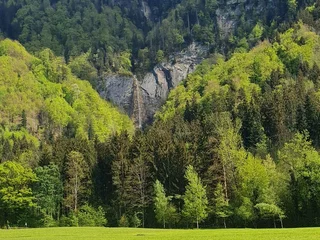
The Allgäu is pre-alpine country. That means altitudes between 700 and 1,700 metres, a mix of high meadows, mixed forest and elevated moorland, and a topography that never flattens out completely. For yoga that has tangible consequences. The summer air is measurably cooler than around Lake Constance or Munich, the sun rises early and drops behind ridges by late afternoon; the day acquires a clear frame that almost naturally suggests morning and late-afternoon practice slots. Add to that the geography between Lake Constance, the river Lech and the Austrian border. Arrival via Kempten, Immenstadt or Oberstdorf is straightforward, and the noise level drops fast once you are up on the alpine pastures. Many houses lean into that transition: yoga rooms oriented toward the peaks, breakfast with a view of Hochgrat or Nebelhorn, the midday break treated as a hike rather than a stroll through town. The third factor is the climate. Rainfall in the Allgäu is higher than in the Bavarian foothills east of the Lech, while the weather stabilises markedly between May and October. In practice that means outdoor practice is possible but not guaranteed. Most houses keep a heated indoor yoga room and an outdoor area with awning or pavilion. If open-air practice matters to you, ask for morning slots, because weather changes here often appear around midday.
Where yoga retreats happen across the Allgäu

Where yoga retreats happen across the Allgäu

Yoga in the Allgäu spreads across a few clearly defined micro-regions. The Oberstdorf area marks the southernmost cluster: a high-mountain setting near the Kleinwalsertal and Nebelhorn, with guesthouses and hotels in classic alpine style and a short summer season above 1,000 metres. The valley around Bad Hindelang, Oberjoch and Hinterstein forms the next cluster: high alpine passes, mountain hotels with their own yoga room, hiking trails right at the door. Further north runs the corridor around Pfronten, Nesselwang and Füssen. The setting reads Tyrolean, the view stretches to the Tannheim mountains, and many houses combine yoga with ski-touring in winter and hiking the rest of the year. Kempten, Sonthofen and Immenstadt form the centre of the western Allgäu: lower altitude, milder climate, more classic hotels and guesthouses, shorter hikes and good train and bus connections. Further east, toward the Bavarian Forest border, the Allgäu transitions into the Außerfern and the Pfaffenwinkel. This in-between zone has fewer yoga houses but quieter highland moors and calm lakes such as Hopfensee or Forggensee. If you want a mix of Allgäu mountain backdrop and quiet hinterland, this is the area. The focus shifts with the seasons: Oberstdorf and Hindelang in summer and early autumn, Pfronten and the western Allgäu running a longer season from April to November.
Best time to travel and typical program length

Best time to travel and typical program length

The main season for yoga in the Allgäu runs from mid-May to late October. During these months the alpine meadows are open, mountain huts are running and the chances of dry mornings peak. Late spring from mid-May brings flowering meadows and longer daylight, midsummer from July to August offers stable weather and the comfort of cooler altitudes above 1,000 metres, and the autumn window between mid-September and early October pairs clear views with the quiet that follows the main season. Winter plays a separate role. Between mid-December and mid-March several houses run short yoga programs, often three to four days, paired with snowshoe walks or Kneipp water sessions instead of mountain hikes. Practice moves indoors, the rhythm slows, the day ends earlier. If you want to combine yoga with mountain stillness and snow, this is its own variant; if you are after pure practice, the summer months are still the better choice. Typical program length in the Allgäu is between four and seven days. The four-day format works as a weekend variant, often Thursday to Sunday, with two full practice days. The seven-day week is the backbone of the main season: arrival on Sunday, six full days of practice and hiking, departure on Saturday. Longer formats beyond ten days are rare and usually combined with silent phases or additional modules such as ayurvedic treatments. Prices in our catalogue start at €410, average around €1.333, with the higher end at €4.800.
Yoga with hiking or pure practice: common combinations in the Allgäu

Yoga with hiking or pure practice: common combinations in the Allgäu

Allgäu yoga programs roughly split into three directions. The first combines yoga practice with daily hiking. The day starts early with an asana session, followed by breakfast and a three to five-hour walk to an alpine pasture, a pass or a mountain lake. Late afternoon brings a second, quieter yoga session, often yin or restorative oriented to soothe tired legs. This blend fits anyone who sees yoga as part of an active mountain holiday. The second direction is the pure practice week. Two or three yoga sessions a day, with longer breaks in between for free time, meditation, breathing work or a short walk. Hiking is optional and usually self-organised. These programs tend to run at lower altitudes, around Kempten, Sonthofen or in the western Allgäu, because the routine plays out in the house and the yoga room rather than outdoors. The third direction extends yoga with additional modules. Common pairings include ayurvedic treatments, sound bowl sessions, Wim-Hof breathing, fascia work or Kneipp applications in the Unterallgäu around Bad Wörishofen. Here the focus shifts away from pure asana practice toward a broader wellness frame, often with a shorter yoga share per day. Which of the three suits you best depends on how much outdoor movement you want and how central the yoga practice itself should be.

Frequently asked questions

Why is the Allgäu an ideal destination for a yoga retreat?
The Allgäu in southern Bavaria is one of Germany's most popular retreat regions. The combination of alpine panoramas, clean mountain air, green meadows, and a deeply rooted wellness tradition creates optimal conditions for yoga and relaxation. At Retreat Vacation you'll find 9 yoga retreats in the Allgäu.
How much does a yoga retreat in the Allgäu cost?
Yoga retreat prices in the Allgäu range from €410 to €4.800, with an average of €1.333. The region offers both simple seminar houses and upscale wellness hotels – there's something for every budget. Accommodation and meals are usually included.
When is the best time for a yoga retreat in the Allgäu?
The Allgäu is charming year-round. In summer (June–September), outdoor yoga on alpine meadows and mountain hikes beckon. Autumn offers golden larch forests and a quiet atmosphere. In winter, practice is complemented by snowy landscapes, sauna sessions, and fireplace evenings. Spring surprises with flower meadows and mild temperatures.
What special features do yoga retreats in the Allgäu offer?
Many retreats in the Allgäu combine yoga with alpine wellness: hay baths, Kneipp treatments, herb walks, and regional organic cuisine with Allgäu cheese and fresh mountain herbs. Some organizers also offer yoga on alpine pastures – a very special experience with panoramic views.
How do I get to a yoga retreat in the Allgäu?
The Allgäu is easily accessible from across Germany. By train via Kempten or Oberstdorf, by car via the A7, or by flight to Memmingen (Allgäu Airport) or Munich. From Munich, it's about 1.5–2 hours to the Allgäu. Many retreat houses offer pickup services from the train station.
Can I combine yoga and hiking in the Allgäu?
Yes, this is one of the most popular combinations in the region. Many retreats offer yoga in the morning and guided hikes in the afternoon – from easy valley walks to challenging summit tours. The connection of movement in nature and yoga practice feels particularly authentic in the Allgäu.
Are yoga retreats in the Allgäu also recommended in winter?
Definitely. Winter retreats in the Allgäu have a special charm: yoga against a snowy mountain backdrop, snowshoe hikes, sauna, and hot herbal teas after practice. The quiet winter landscape supports inner reflection and makes the experience particularly intense.
What does a yoga retreat in the Allgäu cost?
Prices in the Allgäu depend mostly on program length, location and the depth of additional modules. In our catalogue yoga retreats here start at €410 for a weekend format, with the average for a full week landing around €1.333. The top range at €4.800 shows up for longer programs with ayurvedic treatments, mountain-hut settings or small groups of fewer than ten places. As a rule vegetarian full board is included along with two yoga sessions per day. Train transfers, guided hikes outside the program and individual treatments are usually billed separately.
When is the best time for a yoga retreat in the Allgäu?
Most programs run between mid-May and late October. Early summer brings blooming alpine meadows and long daylight, midsummer offers more stable weather with comfortably cool altitudes, and late autumn pairs clear views with the calm that follows the main season. If you want to combine yoga with hiking, June to September is the strongest window. Between December and March some shorter winter programs run with snowshoe walks or Kneipp water sessions, but practice in those weeks happens almost entirely indoors.
How do I travel to the Allgäu?
By train you normally go to Kempten or Immenstadt, from there regional buses continue into the Oberallgäu, to Oberstdorf, Sonthofen or Bad Hindelang. From northern Germany and the Ruhr area the route runs via Munich-Memmingen or Augsburg, from Switzerland and Vorarlberg via Lindau and Kempten. By car the A7 motorway runs to its end near Füssen, or the A96 toward Lindau and then onto the B19 or B308. Within the programs a house shuttle often picks you up from the station, otherwise expect a taxi ride of fifteen to forty minutes.
Which yoga styles are typical in the Allgäu?
Two styles dominate the Allgäu. Hatha and vinyasa yoga form the backbone of most programs, usually with a stronger morning session and a quieter evening session. Yin yoga and restorative yoga complement the hiking programs because they work well on hips, legs and lower back after a mountain tour. Iyengar weeks with props and the occasional Ashtanga-Mysore program also appear, both more often in the quieter houses of the western Allgäu. Pranayama and meditation are part of the daily routine in almost every house, even when the main focus stays on asana.
Can I combine yoga in the Allgäu with hiking?
Yes, that is actually the most common format here. Many programs structure the day like this: a stronger morning yoga session, then a three to five-hour hike to an alpine pasture, a ridge or a moorland trail, and a quieter late-afternoon session for the legs and lower back. Houses around Oberstdorf, Hindelang and Pfronten sit directly on hiking trails, while lower areas such as Kempten or Sonthofen offer shorter walks without serious altitude gain. If you have no mountain experience, ask about guided tours included in your program.
Are yoga retreats in the Allgäu suitable for beginners?
Most programs are open to beginners and advanced practitioners at the same time. Teachers offer variations for every posture, and during the first two days the group usually settles in before the practice intensifies. Beginner-only weeks appear seasonally, often in May or September when houses run smaller groups. If you have never been on the mat, look for programs explicitly labelled hatha foundations or entry retreats. For yoga-with-hiking formats, check the planned distance in the program detail, because not every daily target suits a pure beginner.
Which types of houses do you find in the Allgäu?
You will encounter three types here. Family-run guesthouses with eight to twenty places are the most common form, often with their own yoga room and vegetarian kitchen. Small mid-size hotels round out the picture, especially around Bad Hindelang, Pfronten and Oberstdorf, with a wellness area, sauna and a larger yoga hall. Mountain huts above 1,200 metres are the third form: simpler in fittings, but with alpine character and a mountain view straight from the practice. Which type suits you depends on how much comfort and how much alpine simplicity you are looking for.