13 People interested Yoga, meditation, energetics, thermal spa | The yoga break you're really longing for | Switzerland St. Margrethen, Switzerland $892 / 3 Days 5.0
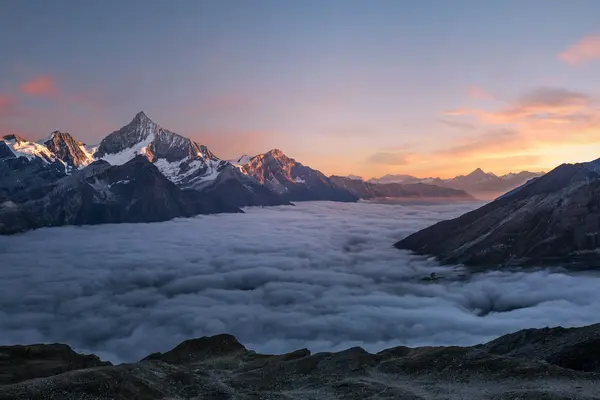
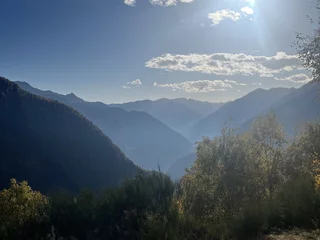
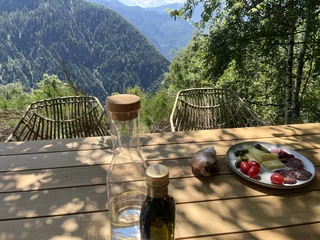
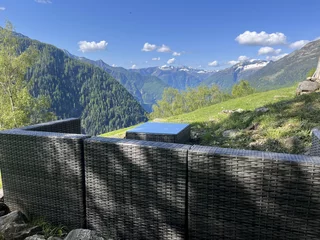
What sets Switzerland apart as a retreat country Switzerland is a retreat country for three reasons that no other central European destination combines this way. The first is mountain density. Three quarters of Swiss retreat houses sit between eight hundred and one thousand five hundred metres altitude, in the Bernese Oberland, the Valais, the inner Switzerland, the Ticino and the Engadine. This gives practice a clear physical foundation: high-altitude air, clear views, long walks in alpine surroundings. The second reason is tradition. Monasteries like Einsiedeln, Engelberg or Saint-Maurice carry silent and guidance offerings that come directly from centuries of spiritual practice. Alongside there are Buddhist centres in the Tibetan tradition (mainly in the Bernese Oberland and the Ticino) and Zen houses that have taken root in Switzerland in the past thirty years. The third reason is house quality. Swiss houses are on average more carefully maintained, organisationally clearer and more expensive than in Germany or Austria. What you get for it: small groups (usually eight to twelve participants), professional guidance, a kitchen working regionally and vegetarian, and rooms designed for silence. Anyone bearing the price difference gets an experience that stands out in depth and clarity.
Switzerland's five retreat regions For retreat travellers, Switzerland splits into five anchor regions, each with a different feel. The Bernese Oberland with Interlaken, Lauterbrunnen and Grindelwald is the most alpine region, with houses at high altitude and programs combining hiking and mindfulness. Travel from Zurich and Bern is good; in summer it can become tourist-heavy. Inner Switzerland with Lake Lucerne, Engelberg and the area around Stans is classical and culturally especially dense. Here sit the oldest monastery houses and most spiritually guided programs. The Valais and the Lake Geneva region form the French-shaped line, with houses using both German and French companions. The landscape is varied: high alps, vines, lakes. The Ticino in the south is the most Mediterranean of the five regions. Warmer, more southern, with houses often linked to Capuchin or Clarissan traditions. Anyone seeking a warm, Italian-feeling variant is in the right place. The Engadine and Graubünden in the east form the fifth region. Here altitudes are highest (often above one thousand five hundred metres), summer day temperatures pleasant, houses smaller and especially quiet. Travel takes a bit longer because Graubünden lies off the ICE main axes.
Which retreat themes Switzerland carries particularly strongly Four themes are especially prominent in Switzerland. First, yoga at alpine altitude. Houses mostly work with a Hatha and Yin focus, less with dynamic Vinyasa streams. Hiking and mountain air are firmly anchored in the programs. Second, silent and mindfulness retreats. Both classical Vipassana and Zen houses and Christian contemplative programs in the large monasteries offer silent weeks, often in a mixed form of sitting and walking meditation. Third, self-discovery and coaching retreats. This line is especially professionalised in Switzerland. Companions are often trained in systemic methods or in body-work-based procedures and work in programs of three to seven days with clear methodology. Fourth, burn-out and resilience programs. For this Switzerland has dedicated houses, often linked to rehabilitation clinics or with medical support in the background. These programs are more expensive but proven for guests in acute exhaustion. What Switzerland offers less than other European countries: loud yoga festivals, ecstatic breath weekends or spiritual mass events. Switzerland works quietly, professionally and thoroughly. Anyone seeking that finds a clear selection here. Anyone seeking bustle is better placed in Germany or southern Europe.
Travel, season and best time to visit Switzerland is excellently connected. Zurich and Geneva are international airport hubs; from there, most retreat regions are reachable by SBB in one to two hours. Bernese Oberland: from Zurich or Bern. Inner Switzerland: from Lucerne. Valais and Lake Geneva: from Geneva or Lausanne. Ticino: from Bellinzona or Lugano, with Gotthard connection from Zurich. Engadine: from Chur, then with the Rhaetian Railway into the valley. The retreat season is wide. May to October is the main season, with peaks in June and September. July and August are busier in the touristic mountain regions, but many houses sit so off the beaten path that this hardly disturbs the silence. Climate-wise, altitude matters: in high summer, Ticino and Lake Geneva can rise above thirty degrees, while houses from one thousand metres upwards stay mostly pleasant. Winter retreats from December to March are a Swiss speciality. Snow walks, sauna after sitting phases, silent weeks with mountain views from the window. This phase fits particularly for guests wanting to experience silence in winter more intensely. April and November are transitional months in which many houses take their main break. When booking, it pays to look at each house's program calendar.