
Table of Contents
- Why winter is actually good for yoga practice
- Warm-escape retreats: where to go when you want the sun
- Cold-embrace retreats: when the frost is the point
- What yoga style fits winter best
- What to look for when booking
- Winter solstice yoga retreats
- What to budget
- Frequently asked questions
- What type of yoga is best for winter?
- What is a winter yoga retreat?
- Where is the best place for a yoga retreat in winter?
- Is winter a good time for a yoga retreat?
- Can beginners do a winter yoga retreat?
- What does a winter yoga retreat cost?
- What is a winter solstice yoga retreat?
- Plan your next retreat
The shala is warm. Outside, the Alpine valley is white, and the temperature is seven degrees below zero. You unroll your mat an arm's length from the window, and the cold radiates through the glass while the heated room wraps around you. Thirty minutes into a restorative practice, the contrast feels deliberate, not incidental.
Winter yoga retreats split into two clean camps, and getting the choice right matters more than the destination. One camp says flee: Bali, the Canary Islands, India in January, anywhere the sun is still working. The other says lean in: Iceland for the Northern Lights, the Alps for the snow, Scandinavia for the quality of the silence. Both are right. Which is right for you is the question this guide answers.
For a primer on what the format involves, what is a yoga retreat covers the basics. If this is your first retreat, yoga retreats for beginners is the orientation read. Most winter programs are beginner-friendly at the general retreat level.
Why winter is actually good for yoga practice
The standard case for a summer yoga retreat sells warmth and abundance: outdoor shalas, vibrant surroundings, long evenings. Winter's case is the opposite, and for many practitioners it is the stronger one.
Shorter days and a natural slowdown in social momentum mean the inward focus yoga asks for is already halfway there before you arrive. Yin yoga and restorative practice mirror what the season is doing biologically: slower pace, longer holds, attention directed inward. The Ayurvedic tradition treats winter as a season of heaviness and inwardness and recommends slow, grounding practices as the seasonally appropriate response. Whether you follow that framework or not, the practical observation holds: winter makes it easier to settle into stillness than July.
Cold-embrace retreats add a sensory layer that warm-weather programs cannot replicate. Practicing in a heated room when it is minus-ten outside sharpens concentration in a way that a mild spring afternoon does not. Snow walks and cold-water immersion, whether plunge pools, geothermal springs, or morning lake dips, appear at many northern-latitude retreats as contrast therapy that deepens recovery between practice sessions.
And then there is the pricing argument: for European and North American destinations, December through February is shoulder or off-season. The same property that fills in August for $2,200 per week often runs comparable programming in January at $1,400 to $1,600. Group sizes are smaller. Teachers have more time per participant.
The broader health case is well-established: the WHO's physical activity guidelines confirm that regular movement reduces symptoms of depression and anxiety and improves cognitive and overall mental wellbeing. A structured yoga retreat in January, when seasonal disruption peaks for many people, is a direct application of that evidence.
For practitioners carrying post-holiday fatigue or the January version of professional burnout, the timing is not incidental. The burnout recovery retreats format overlaps significantly with what a well-structured winter yoga week delivers.
Warm-escape retreats: where to go when you want the sun
Warm-escape programs put you somewhere that winter does not reach, or barely does. The retreat structure is the same as any other season; the weather is different.
Bali. Step off a plane in Denpasar in January and the air is already doing the work: 30 degrees, humid, the kind of warmth that makes every muscle release before you have unrolled the mat. December through February is peak retreat season here precisely because it is off-season for European beach tourism: steady sun, lower prices than August, smaller groups. Yin, Vinyasa, and Ayurvedic-adjacent programs cluster around the Ubud rice terraces and the Canggu surf coast. Some beach-based programs on the Bukit peninsula are designed specifically as winter sun programs for European arrivals. For the explicitly beach-focused format, beach yoga retreats goes deeper.
The Canary Islands (Spain). For European practitioners who want winter sun without a nine-hour flight, the Canaries are the most practical answer: direct flights from most European hubs in four hours, stable temperatures of 18 to 22 degrees in January, and a growing yoga retreat market concentrated on Tenerife, Lanzarote, and La Gomera. The landscape is volcanic and spare, and the combination of yoga plus sunrise hiking on black lava trails is genuinely its own thing. Shoulder-season airfares from Europe often make the total cost comparable to a domestic retreat in Germany or the UK.
Goa and Kerala, India. December and January are the best months to be in both regions: dry, warm, and busy with international visitors specifically for yoga and Ayurveda. In Kerala, the rhythm of a week-long program tends to run to morning Hatha practice before the heat builds, Ayurvedic treatments in the late morning, and long, unhurried afternoons. A week at the mid-tier runs approximately $1,200 to $1,500. This is the format that draws practitioners who want the lineage, not just the warm weather.
Morocco. The Atlas mountains and the Atlantic surf coast offer a cooler, more complex version of warm escape. Programs integrating Yin yoga with hammam, hiking, and traditional food into a week are the signature format around the Imlil valley and the Atlantic coast south of Agadir. You practice outdoors in the afternoon because the light and temperature are right. Morocco's proximity (three to four hours from most European hubs) is a real advantage over long-haul options for European readers.
Costa Rica. December through March is the dry season and peak retreat season. Mid-band pricing for a week including yoga, meals, and accommodation runs approximately $1,200 to $1,800. For North American practitioners, Costa Rica is the most accessible warm-escape option by travel time: a five-hour direct flight from the US East Coast. Couples yoga retreats are well-represented in Costa Rica's winter calendar.
Ready to look at specific programs? Browse winter yoga retreats at retreat-vacation.com and filter by destination and travel dates to see what's available for your window.
Cold-embrace retreats: when the frost is the point
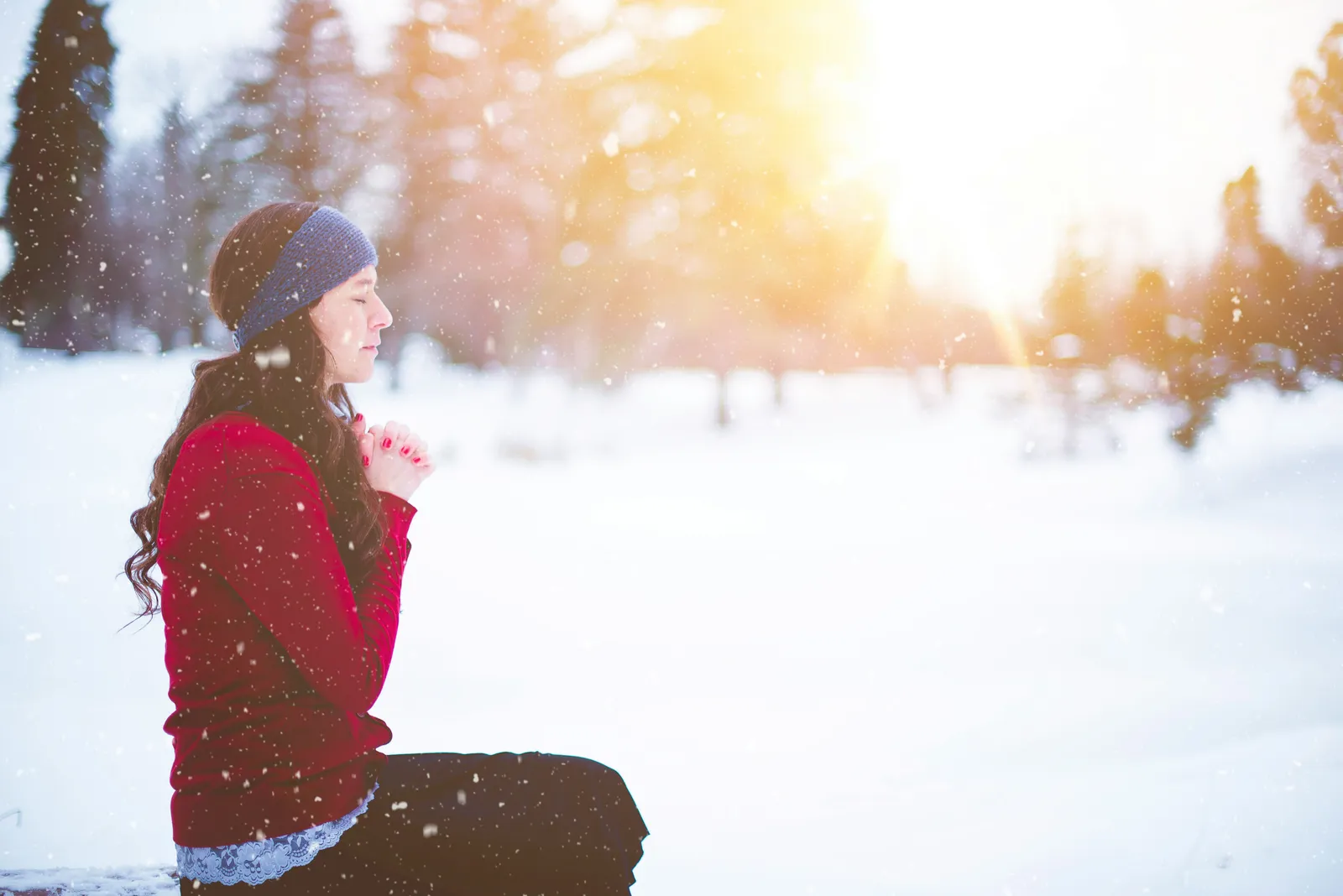
Cold-embrace programs are more deliberate than warm escapes. You are not fleeing winter. You are using it.
Iceland. The most dramatic cold-embrace destination and one of the fastest-growing yoga retreat markets in Northern Europe. The appeal is difficult to replicate elsewhere: a geothermal pool fifteen minutes from the practice room, Northern Lights visible from the property from mid-September through March, and a landscape so stripped and still that silence feels not like an absence but like a presence. Programs combine restorative yoga and breathwork with morning light hikes and evening geothermal soaks. Pricing reflects Iceland's general cost of living: approximately $2,000 to $3,500 per week for programs that include accommodation and meals. For practitioners who specifically want the sensory contrast, it holds up.
The Alps (Austria, Switzerland, and France). Snow yoga retreats in the Alps have been running for decades, but the format has become more refined. A typical four-day program runs in a mountain guest house or smaller hotel: morning yoga in a heated room with mountain views, afternoon activities (snowshoeing, Nordic walking, or sitting by a fire), and evening restorative sessions. German-speaking programs dominate the Austrian and Swiss markets. English programs are increasingly common in the French Alps and at international-facing Austrian properties. Mid-tier pricing: $1,200 to $2,000 for four to five nights, meals included.
Scandinavia (Norway and Sweden). Quieter than Iceland in terms of tourism volume, which is the attraction. Programs in northern Norway include Northern Lights viewing, often as part of a Yin and meditation schedule built around the extended darkness of the polar winter. Sweden's wellness retreat market integrates forest bathing with yoga programming at the mid-tier. Pricing is similar to Iceland, adjusted for accommodation quality.
US mountain retreats (Colorado, Vermont, Maine). Domestic cold-embrace options for North American practitioners. Colorado's high-altitude retreats in January and February run in the mid-band; Vermont and Maine offer smaller, more intimate programs that integrate snowshoeing and cold-morning walks into the daily schedule. The practical advantage is clear: no passport, manageable drive or flight from most US cities.
Many cold-embrace programs incorporate silence as a deliberate element, particularly the longer format stays. The silent yoga retreat format finds a particularly natural home in winter settings.
What yoga style fits winter best
The match between practice style and retreat type matters, and most operators get this right. Worth knowing before you book.
Yin and restorative yoga are the natural pairing for cold-embrace retreats and for practitioners who want the retreat to slow them down rather than push them. Longer holds, floor-based, parasympathetic-focused. The most sustainable format for a week-long retreat in January if decompression is the primary goal.
Vinyasa and flow yoga suit warm-escape retreats where the environment supports a more active practice. Evening Vinyasa in Bali in January feels appropriate in a way that morning Vinyasa in an Alpine retreat in February does not.
Hot yoga and Bikram are specifically common at warm-escape retreats. Some cold-embrace programs also run heated-room hot yoga for the temperature contrast, but the format-destination pairing is most natural in warm-weather locations.
Hatha and Kundalini are season-neutral. If a program lists one of these, the destination and setting matter more than the style for winter fit.
Yoga teacher training (YTT) programs deliberately cluster in winter, especially December through February, because many trainees have flexible schedules or use January leave. This is worth knowing if you are considering certification: winter is the most competitive YTT booking season in Bali and India.
What to look for when booking
A short list of what determines whether a winter yoga retreat is actually suited to the season.
Heated shala. For cold-embrace destinations, verify the practice space is heated to at least 18 to 20 degrees. Some smaller mountain properties run their shala from the same heating as the rest of the building, which can drop below comfortable practice temperature by mid-morning. Ask before booking.
Indoor versus outdoor practice. Warm-escape retreats often emphasize outdoor shalas as a selling point. In winter, even in Morocco or Tenerife, early-morning outdoor practice at altitude can be unexpectedly cold. Check whether the outdoor shala has a covered, windbreak option for the 7am session.
Group size. Eight to twelve participants is the sweet spot for quality retreat programming where teachers can adjust for individual needs. Programs above eighteen start to feel like workshops. Check the registration page for group size caps.
Experience level requirements. Winter YTT programs typically require prior experience. Most general retreat programs do not. If you are a beginner, look specifically for programs that state "all levels" or "beginners welcome." Yoga retreats for beginners is the full reference for first-timers.
Meal and accommodation inclusion. Most retreat-format programs include meals. Day-programme formats in urban or semi-urban settings may not. For winter travel to remote properties, all-inclusive packages reduce logistical friction significantly.
For what to pack once you have chosen your destination, what to pack for a yoga retreat covers the essentials, with winter-specific additions: thermal base layers for cold-embrace destinations, lightweight breathable layers for warm escapes.
Winter solstice yoga retreats
A sub-niche worth knowing: programs timed to the winter solstice (typically December 19 to 23). These are not just marketing timing. Solstice-focused programs usually build their schedule around the seasonal turning point: introspection and release through the solstice day itself, followed by integration and intention-setting for the year ahead. The programming mirrors the event: longest night, turning point, return of light.
Solstice programs are most common at retreat properties in New England and the Pacific Northwest, at Ayurvedic lineage centers in India and Bali, and at a growing number of UK-based programs. They are typically three to five days and fill earlier than January programs. If this format interests you, start looking in September.
Many solstice programs incorporate silence or partial silence. Cross-reference with the silent yoga retreat format if silence is a priority.
What to budget
Price ranges per person per week, including accommodation and meals, excluding flights.
Short domestic weekend ($500 to $1,000). Two to three nights at a regional yoga center or retreat house. Minimal program depth but low logistical overhead.
Week-long budget international ($1,000 to $1,800). Bali, Goa, Morocco, and Costa Rica in the mid-band. Shared or private accommodation depending on tier. Full daily programming included. This is where the largest concentration of winter yoga programs sits.
Mid-range ($1,800 to $3,500). Alpine and Iceland programs, private accommodation, more structured programming (multiple daily sessions, workshop elements, guided excursions). Also where well-regarded Indian Ayurveda-plus-yoga programs with medical staff land.
Premium and luxury ($3,500 and above). Small-group private properties in Iceland, Japan, and luxury mountain retreats in Switzerland. Architecture and setting as the headline, yoga programming as the anchor.
For the broader budget framing, affordable wellness retreats covers the price-reduction tactics (shoulder season, work-trade, direct booking). For a full breakdown of yoga-specific pricing by region and format, yoga retreat cost is the dedicated read.
Frequently asked questions
What type of yoga is best for winter?
Yin and restorative yoga are the strongest match for winter, particularly for cold-embrace retreats. Both practices use longer holds, floor-based postures, and a parasympathetic focus that aligns with the season's natural slowdown. If you want warmth and movement, Vinyasa and hot yoga work well at warm-escape retreats where the climate supports a more active practice. Hatha and Kundalini are season-neutral and suited to either setting.
What is a winter yoga retreat?
A yoga retreat that runs during the winter months, in either a warm-climate destination (Bali, the Canary Islands, India, Costa Rica, Morocco) where winter is the best travel season, or at a cold-climate location (Iceland, the Alps, Scandinavia) where the winter landscape is part of the program design. The format, centered on daily yoga practice, meditation, and meals in a residential setting away from home, is the same as any other season.
Where is the best place for a yoga retreat in winter?
The most popular winter yoga retreat destinations are Bali, the Canary Islands, Goa, Iceland, and the Austrian Alps, each suited to a different kind of trip. For warmth and the widest choice of programs: Bali and Goa in January lead the field. For proximity from Europe without a long-haul flight: the Canary Islands are four hours from most hubs and 20 degrees in January. For cold-embrace and dramatic landscape: Iceland or the Austrian Alps. For North American practitioners: Costa Rica for warmth, Colorado or Vermont if you want the frost to be part of the experience.
Is winter a good time for a yoga retreat?
Often the best time, for two reasons that have nothing to do with each other. The practical one: January and February are quieter at most major retreat destinations. Smaller groups, more teacher time per person, and lower prices at European properties than the summer peak. The practice-based reason is less obvious but real: the season's natural slowdown creates the conditions that Yin and restorative yoga ask for. You do not need to manufacture stillness in January. It is already there.
Can beginners do a winter yoga retreat?
Most general retreat programs explicitly welcome beginners, and winter programs are no exception. What matters more than experience level is choosing the right style: Yin, Hatha, and restorative practices are genuinely open to anyone. Power yoga and advanced Vinyasa programs sometimes state experience requirements, and those are worth reading carefully. Yoga retreats for beginners covers the practical prep questions in full, including what a typical day looks like and what to ask an organiser before you book.
What does a winter yoga retreat cost?
As of 2025-2026 market rates: from approximately $500 for a domestic weekend retreat to $3,500 or more per week for a premium international program. Most week-long winter international programs sit in the $1,000 to $1,800 range, particularly in Bali, India, Morocco, and Costa Rica. Alpine and Iceland programs run $1,800 to $3,500 per week. Prices shift seasonally and by accommodation tier, so verify current rates on the operator's programme page before booking. For a full regional and format breakdown, yoga retreat cost is the detailed resource.
What is a winter solstice yoga retreat?
A program timed to the winter solstice (December 19 to 23), typically three to five days, with programming built around the seasonal turning point: introspection, release, and intention-setting for the new year. Common at Ayurvedic lineage centers in India and Bali and at US retreat properties in New England and the Pacific Northwest. These programs fill earlier than January programs, so book by September if that format interests you.
Plan your next retreat
Browse over 600 yoga retreats at retreat-vacation.com. With programs averaging 4.8 stars across warm-escape destinations (Bali, India, the Canary Islands, Costa Rica) and cold-embrace retreats (Iceland, the Alps, US mountain states), you can filter by region, duration, practice style, and dates to find the winter program that matches your goals. If you have a fixed travel window, filter by dates first: winter programs for January and February 2027 typically open for booking in August, and popular properties in Iceland and the Alps fill two to three months ahead.