
Table of Contents
- Start here: what your retreat already provides
- Clothing: how many outfits and what kind
- Yoga gear: your mat and the small extras
- Personal care and health essentials
- The mindfulness kit: journal, books, and the phone question
- Climate and destination adaptations
- What to leave at home
- Frequently asked questions
- What should I pack for a yoga retreat?
- What do you wear to a yoga retreat?
- Do I need to bring my own yoga mat?
- What should I NOT pack for a yoga retreat?
- What do you wear to a meditation retreat?
- What is typically included at a yoga retreat?
- Plan your next yoga retreat
The bag is open on the bed. The retreat starts Thursday. And the question most people search the internet to answer at this exact moment is: what actually goes in there?
Less than you think. That is the honest answer, and this guide walks through why, category by category. If you are still in the choosing stage rather than the packing stage, the guide to yoga retreats for beginners covers how to find a program. If you want to understand what the format actually involves, what a yoga retreat is is the orientation read.
Start here: what your retreat already provides
Before you open a packing list, check what is included in your program. Most yoga retreats provide: yoga mats, blocks, straps, bolsters, blankets, accommodation, and all meals. Many also provide towels, filtered water refill stations, and shared meditation cushions. You are not building a yoga studio from scratch in your luggage. You are supplementing what is already there.
The single most useful thing you can do before packing is read your retreat's welcome email or FAQ page and note what they supply. For a full breakdown of what a typical program fee covers, what yoga retreat program fees typically include has the detail. The short version: the more inclusive the pricing, the less you need to bring.
Browse yoga retreat listings to see exactly what each program includes before you start packing.
With that baseline set, here is what makes sense to pack anyway.
Clothing: how many outfits and what kind
Clothing is the highest-anxiety category and the easiest to overpack. A concrete framework helps.
For yoga sessions (active practice): Three to five sets of yoga-specific clothing. A set means leggings or shorts plus a breathable, moisture-wicking top. Avoid cotton for active practice; it stays damp and heavy. If the retreat runs two sessions per day and you hand-wash in the evenings, three sets works fine. If you prefer not to hand-wash, five sets covers a seven-night stay without laundry.
For meals and free time: One or two casual outfits, loose and comfortable. Linen trousers, a cotton sundress, a soft hoodie. Nothing you would not want to sit on the floor in.
For early mornings and evenings: One light shawl or wrap per person, used during morning pranayama and evening savasana when the temperature drops and the body cools down during stillness. One warmer layer: a lightweight fleece or zip sweatshirt for outdoor sessions and walks.
Footwear: Yoga is practiced barefoot, so shoes are for transit between spaces. Comfortable sandals for around the property, light sneakers or walking shoes if the retreat includes hikes or off-site visits. Yoga socks with grip are optional and useful if floors are cold.
Cultural note: Some programs, especially ashrams and spiritually-framed retreats, require covered shoulders and knees outside the practice space. Check the retreat's dress code before you pack. When in doubt, bring one loose long-sleeved layer that does not add bulk.
For setting-specific packing (tropical, cold-weather, mountain), see the climate section below.
Yoga gear: your mat and the small extras
Most retreats provide mats. Bring your own anyway, and here is the practical case: shared mats accumulate bacteria and sweat from prior guests. A personal mat or a mat towel over a shared mat solves the hygiene issue and gives you the grip and thickness your body is already calibrated to. If you are flying carry-on only, a travel mat weighing under 1.5 kilograms earns its space. If you are checking bags or driving, bring your regular mat.
Beyond the mat, the short list: a yoga towel, which doubles as a sweat absorber during heated sessions and a lap blanket during savasana; a strap if there are specific flexibility routines you rely on it for; a small personal bolster if you practice restorative or Yin. Leave your blocks at home. Every retreat has them.
For context on what you will actually be doing with this gear over the course of the week, a typical yoga retreat daily schedule shows how session types vary and why a strap matters more on day three than day one.
Personal care and health essentials
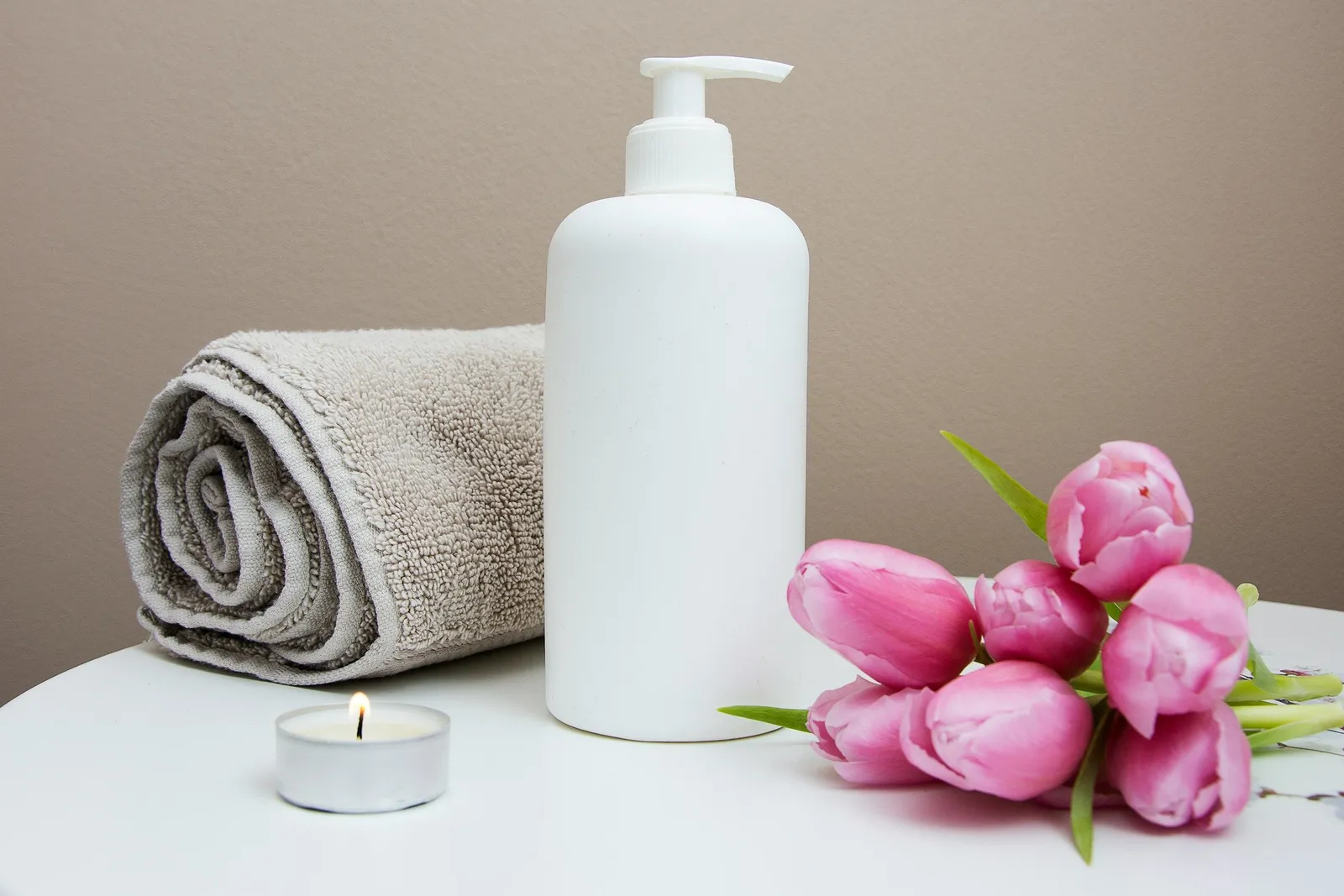
Travel-sized toiletries are standard. A few specifics worth calling out for retreat environments.
Go fragrance-light. Communal practice spaces are often fragrance-sensitive. Strong perfume or cologne can be genuinely disruptive to other practitioners during breathwork and meditation. A light, natural product or no fragrance at all is the considerate default.
Biodegradable products where possible. Many retreat centers are in natural settings with septic systems or limited water treatment. Eco-friendly shampoo, conditioner, and body wash are the practical choice, not a performance.
Sunscreen and insect repellent for outdoor sessions. Non-negotiable in tropical and jungle settings; worth packing for any outdoor retreat regardless of latitude.
Small first-aid kit: pain relievers, adhesive bandages, antiseptic wipes, prescription medications, and an anti-inflammatory cream. Intensive yoga practice produces muscle soreness on days two and three, especially in the hips and hamstrings. Having ibuprofen and a topical cream means you can manage it without hunting down a pharmacy.
Essential oils if you use them. Small roll-ons of lavender for evening wind-down and peppermint for muscle recovery are light and genuinely useful. Not a requirement, just worth the minimal luggage cost if you already use them at home.
The mindfulness kit: journal, books, and the phone question

Most retreats incorporate structured reflection time: between sessions, in the evenings, sometimes during morning tea before the first class. A blank notebook is the most-used optional item most people bring. Pack two pens. One will run dry.
Books: One novel, one yoga or meditation-related title. A physical book works better than an app in this context. The phone is not in your hand; the book is.
The phone question. Most yoga retreats actively limit screen time and some ask participants to store devices during the program day. The practical preparation: set an auto-reply on your email before you leave, bring a physical alarm clock or watch so you are not using your phone to wake up, and make a deliberate decision about when (if at all) you will check messages. Leaving the laptop at home is almost always the right call for programs under ten days. For silent yoga retreats, the rules around devices are stricter and clearly stated in the pre-arrival materials.
The practical frame: most retreats are built around limiting the interruption patterns that a phone runs on autopilot. Bringing one in without a plan for it undermines exactly what you paid for.
Climate and destination adaptations
Three patterns cover most retreat settings:
Tropical and beach settings (Southeast Asia, Costa Rica, Mexico, Mediterranean in peak summer): multiple sets of lightweight active wear, a swimsuit, insect repellent, and a dry bag or waterproof pouch for your mat and phone near water. Light long sleeves for sun protection during outdoor sessions.
Temperate settings (European countryside, coastal Portugal, Tuscany, New Zealand in summer): mornings and evenings are reliably cooler than midday. A lightweight wind-resistant jacket earns its space, even in August. The shawl carries serious utility here.
Mountain and cold-weather settings: thermal base layers, warm socks, a heavier fleece or down layer for evenings. Practice spaces in mountain retreats vary from heated studios to open-air platforms where the morning temperature justifies the extra layers in your bag.
For more detail on specific setting types, the beach yoga retreats and winter yoga retreats guides cover the packing logic for those formats. If you are traveling with a partner, the couples yoga retreat guide has shared-room packing notes worth reading.
What to leave at home
A short section, because the right instinct is usually to pack less, not differently.
Leave behind: heavy fragrance (perfume, scented lotion, strongly scented products), formal or business clothing, your laptop if the retreat is under ten days, excessive supplement collections, and anything whose primary function is to make you look a certain way rather than practice or rest.
The impulse to over-pack is understandable. The retreat environment is built to reduce the number of decisions you make each day. Packing fourteen outfits for a seven-night stay adds a category of choice that the retreat is trying to remove. A practical question for each item under consideration: will I actually use this in a session or during downtime? If the honest answer is probably not, leave it.
For a breakdown of what different price tiers actually include, the affordable wellness retreats guide covers what is standard versus what costs extra at each budget level.
Frequently asked questions
What should I pack for a yoga retreat?
Check what the retreat already provides before you start. Most programs supply mats, blocks, straps, bolsters, accommodation, and meals. What you actually need to bring is: three to five sets of yoga clothing (moisture-wicking, not cotton), one or two casual outfits, a light shawl and a warm layer, comfortable sandals and walking shoes, your own mat or a mat towel, travel-sized personal care items, a small first-aid kit, and a notebook with two pens.
What do you wear to a yoga retreat?
Three to five sets of yoga-specific clothing: leggings or shorts with a moisture-wicking top. Avoid cotton for active practice because it stays damp. For meals and free time, bring one or two loose, comfortable casual outfits. A light shawl is essential for morning pranayama and savasana sessions when the body cools down. At ashrams and spiritually-framed programs, covered shoulders and knees are often required outside the practice space, so pack one loose long-sleeved layer as well.
Do I need to bring my own yoga mat?
Most retreats provide mats, but there are good reasons to bring your own. Hygiene is the main one: a shared mat accumulates bacteria and sweat from previous guests. Familiarity matters too, because your body is already calibrated to your mat's grip and thickness. If you are flying carry-on only, a travel mat under 1.5 kilograms is worth the trade-off. If you are checking bags or driving, bring your regular mat. Leave your blocks at home, they are always provided.
What should I NOT pack for a yoga retreat?
Strong perfume or cologne, which disrupts communal breathwork and meditation practice. Formal clothing you will never wear. Your laptop if the program is under ten days. Fourteen outfits for a seven-night trip. Over-packing adds a layer of daily decision-making that retreats are specifically designed to remove. Pack what you will actually use on the mat or during downtime, and leave the rest.
What do you wear to a meditation retreat?
Comfortable, non-restrictive layers in neutral or muted colors. Natural fabrics (cotton, linen, bamboo) work well for extended seated sessions because they breathe and do not ride up. Bring wool socks or a shawl for evening meditation because body temperature drops noticeably during long periods of stillness. Avoid anything with a waistband that digs in during a 45-minute seated session.
What is typically included at a yoga retreat?
Most retreat programs include: accommodation, all meals (usually vegetarian or plant-based), yoga mats and props (blocks, straps, bolsters, blankets), and all scheduled sessions (yoga classes, meditation, workshops). Spa treatments, private sessions, and excursions are typically extra. For a full breakdown of what the program fee does and does not cover at different price tiers, see the yoga retreat cost guide.
Plan your next yoga retreat
Browse over 600 curated programs at retreat-vacation.com, from beach Hatha programs in Southeast Asia to mountain Yin retreats in the Alps. Each listing shows exactly what the fee covers, so you know what to leave at home before you go.