Retreat Urlaub - Urlaubsangebote für Körper, Geist und Seele.

Active Holidays in Italy

The Dolomites in South Tyrol, the Apuan Alps in Tuscany, the Ligurian coast with the Cinque Terre, the volcanic highlands of Sicily and the quiet mountain regions of Umbria and Abruzzo — Italy is one of Europe's most landscape-rich active-holiday destinations. From hiking in the Dolomites and yoga stays in Tuscan hillside houses to cycling tours along the Po valley or through the Chianti, movement can be paired with the country's deeply rooted food culture and artistic landscape.
4 curated retreats from €156

Discover Our Most Popular Offer

View all offers

New retreats straight to your inbox?

So you always stay up to date.

We take data protection very seriously. Further information

What makes active travel in Italy distinctive

Italy is one of Europe's most varied active-holiday destinations because it joins three things rarely combined this densely: an extreme landscape range between high alpine terrain and the Mediterranean, a deeply rooted hiking and mountain-sports culture, and a food culture that turns active travel into a sensory experience — not only movement, but also enjoyment. The most obvious advantage is the landscape variety on a single peninsula. The Dolomites in South Tyrol count among the world's most beautiful mountain landscapes — a UNESCO World Heritage site, with peaks reaching three to four thousand metres, long high pastures and a dense mountain hut infrastructure. To the west and south lie the Trentino, the Veneto, the Apuan Alps, the Tuscan hills, the Apennines running through central Italy, the mountains of Abruzzo and finally the ranges of southern Italy and Sicily. This range enables very different stays depending on climate and demand preference. The second point is the hiking infrastructure. Italy has one of Europe's densest trail networks. The Club Alpino Italiano marks and maintains thousands of kilometres of hiking paths, from easy day routes to multi-week long-distance trails such as the Via degli Dei between Bologna and Florence or the Sentiero Italia, which traverses the entire peninsula. The mountain huts in the Dolomites are among the best maintained in Europe. The third, often underestimated factor is food culture as an active component. Unlike in many mountain regions where food remains functional, in Italy it is part of the stay. Yoga-hiking stays in Tuscany, in Umbria, in the Marche and in Apulia often work with their own on-site olive oil, wine and vegetable production, with long shared meals as the centre of the day.

Which outdoor formats the Italian regions support

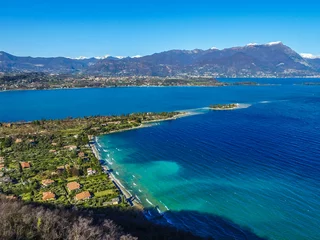
Active holidays in Italy distribute across four clearly distinguishable landscape spaces, and each carries its own focus. The northern Alps — South Tyrol, Trentino, Veneto and the Vorarlberg-adjacent Lombardy — carry the high-alpine formats. The classic Dolomite tours, multi-day hut hikes, via ferratas (Italy is the home of the Via Ferrata) and ski tours in winter live here. The stages are demanding, the elevation gains real, the landscape spectacular. South Tyrol additionally has its own yoga-hiking tradition that combines alpine practice with yoga and meditation segments. Tuscany, Umbria and the Marche form the largest connected active area with moderate demand. Gentler mid-range landscapes, olive groves, vineyards, medieval hill towns and an established yoga retreat infrastructure. Seven-day formats with yoga and moderate hiking stages are densest here. Those returning to movement and mixed groups find the most accessible Italian option here. Liguria and the northeastern coast — Cinque Terre, Portofino peninsula, the Genoa region — along with Lake Garda and the northern Italian lakes (Como, Maggiore, Iseo) carry the water and Mediterranean active formats. Coastal trail hikes, cycling tours along the lakes, water sports and yoga weeks with Mediterranean character live here. The south of Italy — Apulia, Sicily, Sardinia, Calabria — carries the southern active formats. Long coastal hikes, volcanic active stays (Etna in Sicily, Aeolian Islands), yoga retreats in trulli houses in Apulia, trekking on Sardinia's Costa Smeralda. The climate is markedly warmer and drier; high summer is challenging, spring and autumn are ideal. The season runs from March to November.

When to travel for an active holiday in Italy

Because of its north-south span, Italy has very different active seasons depending on the region. The spring season from early April to late June is considered the most beautiful phase for central Italy and the south. The days lengthen, wild herbs, olive blossoms and poppy fields shape the atmosphere, daytime temperatures in Tuscany, Umbria and Apulia sit between eighteen and twenty-six degrees. In the high altitudes of the Dolomites and the Apuan Alps, high paths become snow-free from early to mid-June. High summer from July to mid-September carries the high-alpine formats. In the Dolomites, Trentino and Apuan Alps all huts are open, high paths are snow-free, the weather is most stable. Daytime temperatures in the high altitudes sit between twelve and twenty-one degrees — ideal for intensive mountain stages. In central Italy and the south, by contrast, this phase is hot; temperatures above thirty degrees are common in Tuscany and Apulia. Travellers in this window should plan stages for early morning or evening. The autumn season from mid-September to mid-November is the second major window and is considered by many teachers the most beautiful. Clear, golden light, lower temperatures, the heat has broken, the wine harvest in Tuscany, the first mushrooms in the mountains, the olive harvest from October. Daytime temperatures sit between fourteen and twenty-four degrees. This is traditionally when the longer yoga-hiking stays in central Italy take place. The winter phase from December to mid-March is the major snow season in the Alps: ski touring, snowshoe hiking, cross-country skiing in the Dolomites and Trentino. In central Italy and the south it is the quietest phase — most yoga retreats are closed, but some southern Italian houses (Apulia, Sicily) carry their own quiet winter season with mild daytime temperatures between twelve and eighteen degrees.

What a typical active day in Italy looks like

A typical active day in an Italian retreat house follows a quiet Mediterranean daily structure in which movement, meals and pause are clearly paced. Morning practice usually starts between seven-thirty and eight, often on a terrace facing olive groves, a vineyard or a mountain massif. The first sixty to ninety minutes are usually given to an activating practice: hatha, gentle vinyasa, breath work or a short meditation that frames the day. After practice comes a long, shared breakfast. Italian active houses, unlike the typical Italian hotel kitchen, are often very balanced: fresh fruit, yoghurt, wholemeal bread, homemade jams, eggs, olive oil and in many houses a warm component. Espresso is standard, tea is too. The main stage of the day starts between nine and nine-thirty. Depending on region and format, it covers a three- to five-hour hike through the hill landscape, a via ferrata session in the Dolomites or a cycling tour through a wine-growing area. Groups are usually small — six to twelve people — and led by local hiking or mountain guides who know the region and its quieter paths. Breaks are built in, often at a small trattoria or a viewpoint with a basket lunch. The early afternoon brings a lunch — often the day's main meal — and an extended rest period. In Italy this phase is traditionally slightly longer and more sensory than in central Europe: three courses, a glass of wine with the meal, followed by siesta. This time is deliberately protected, because the body needs movement and recovery in a natural rhythm. You can read, sleep, swim in the pool or take a short walk. Late afternoon holds the second, softer movement session: yin, restorative, a guided meditation or a breath practice. Some houses combine it with a walk through the vineyards for the sunset. Dinner is lighter than lunch — typically soup, salad, some bread, sometimes pasta — and starts between seven-thirty and eight. After dinner the day winds down quietly.

Frequently asked questions

When is the best time for an active holiday in Italy?
The answer depends on the region. For yoga-hiking stays in Tuscany, Umbria, the Marche and Apulia, the best months are May, June, September and October. In these weeks daytime temperatures sit between eighteen and twenty-six degrees, wild herbs and blossoms shape the landscape in spring, the wine and olive harvest shape it in autumn. For high-alpine stays in the Dolomites and Apuan Alps the best months are July, August and September. In these weeks the high paths are snow-free, the huts are open, the mountain weather is most stable. September is considered by many mountain guides the most beautiful month: clear light, fewer thunderstorms, milder daytime temperatures. For the Italian south — Apulia, Sicily, Sardinia, Calabria — the best months are April, May, September and October. High summer is hot; temperatures above thirty degrees make midday hiking stages difficult. November to March is the ski-touring and snowshoe season in the Alps; in central Italy and the south largely off-season, with some open stays in mild micro-regions such as the southern Apulia coast or western Sicily.
Which activities are especially popular in Italy?
Hiking is the strongest form of movement in the Italian active-holiday landscape. Multi-day stages on well-known long-distance trails — Alta Via 1 and 2 in the Dolomites, Sentiero degli Dei in Campania, Via degli Dei between Bologna and Florence, GR routes through Tuscany and Umbria — form the backbone. Alongside this, shorter day stages combined with yoga or mindfulness segments are very popular: two to four hours of movement in the morning, stillness and practice in the afternoon. Climbing and via ferratas have their own, well-grown tradition in Italy. The Via Ferrata routes in the Dolomites are considered some of the most beautiful in the Alps — many at moderate demand levels, with well-maintained steel cables and very experienced mountain guides. Cycling tours are the second major form. The Po valley, Tuscany with the Chianti region, Trentino with the Brenta Dolomites, the Adriatic coast — Italy has a dense cycling network and an established bike-resort culture. Yoga retreats and yoga-with-hiking stays are particularly common in Tuscany, Umbria, Apulia, South Tyrol and Sicily. The Tuscan yoga-hiking line is one of the most established in Europe. In winter, ski touring, snowshoe hiking and cross-country skiing in the Dolomites and Trentino dominate the active formats.
Which region in Italy fits me?
If high alpine landscape, real elevation and an immersive mountain experience matter to you: South Tyrol, Trentino and the Veneto with the Dolomites. Expect more demanding stages, cooler altitudes and a deeply rooted mountain and hut culture. If you are looking for via ferratas, this is the place. If you want moderate hills, olive groves and a relaxed yoga-hiking atmosphere: Tuscany, Umbria and the Marche. Seven-day formats with yoga and hiking are particularly dense here, the climate is mild, the food culture one of the best in Europe. If you are looking for a Mediterranean atmosphere, long coastal hikes and Mediterranean practice: Liguria with the Cinque Terre, Lake Garda, the Amalfi Coast or the Aeolian Islands. Yoga-with-swimming stays and coastal hiking stays live here. If you want a southern feel, whitewashed villages and a quiet atmosphere: Apulia, Sicily, Calabria, Sardinia. Expect dry, warm climate, a distinctive culinary tradition and very personal, often smaller yoga houses. Trulli yoga stays in Apulia are a distinctive line of their own. For a first Italian experience with moderate demands, Tuscany or Umbria are the most accessible choices.
What is the best way to travel to Italy?
From Germany, Austria and Switzerland, travelling to northern Italy by train is very feasible. South Tyrol (Bolzano, Merano, Bressanone) is reachable from Munich in four to six train hours, Trentino and Verona too, Tuscany from Vienna in six to eight hours via Verona and Florence. For central Italy and the south, flying is often more sensible. The main airports are Milan-Malpensa (MXP) and Linate (LIN) for northern Italy, Florence (FLR) and Pisa (PSA) for Tuscany, Rome-Fiumicino (FCO) for central Italy, Bari (BRI) and Brindisi (BDS) for Apulia, Catania (CTA) and Palermo (PMO) for Sicily, Cagliari (CAG) and Olbia (OLB) for Sardinia. Flight times from Germany, Austria and Switzerland sit between one and two hours. The transfer from airport or station is organised by many active houses. For rural stays in Tuscany, Umbria, Apulia or Sicily a rental car is often sensible because the active houses frequently sit in remote micro-regions. For pure yoga-hiking stays with a fixed base and good transfer it is usually not strictly necessary. For Dolomite tours with base accommodation no rental car is needed — regional buses and cable cars open up the hiking areas well.
What is usually included in the price?
The price usually includes four components: accommodation, full board, the movement programme (hiking, climbing, yoga or cycling) and supporting activities such as meditation, breath work or guided walks. Accommodation usually means a room in double or single occupancy. Some houses also offer shared rooms for travellers on a tighter budget. Full board typically consists of three meals a day, with Italian-Mediterranean cuisine at the centre — plenty of fresh vegetables, olive oil, bread, pasta, fish or meat depending on the region, fresh fruit. Vegetarian and vegan tracks are standard in nearly every house. Water, tea and espresso are usually included; wine with meals is often a separate item. The movement programme usually includes one guided main stage per day (a hike, a via ferrata or a cycling tour) plus a softer morning or evening session. On mountain stays, mountain or hiking guiding is usually included. Guided meditation and an introduction to breath work are often part of the programme. Not included are usually the journey, travel insurance, cable cars and lifts (in the mountains), wine and aperitifs with meals, additional massages and optional excursions (wine tasting, olive oil tasting, art day trips).
Are active holidays in Italy also suitable for beginners?
Yes. A large share of Italian active holidays is explicitly designed for mixed groups and is accessible for beginners. Yoga-hiking stays in Tuscany, Umbria and Apulia usually work with clearly tiered stages — a moderate main route with a shorter variant and a gentler alternative. For a genuinely relaxed entry, stays in the Tuscan or Umbrian hill landscapes with small group sizes (typically six to twelve people), daily stages of three to five hours and a clear daily structure work best. This format makes it easier to settle into practice without overextending the body. For high-alpine stays in the Dolomites — Alta Via tours with hut overnights, demanding via ferratas, ski tours — an honest self-check is worth the time: these formats require base fitness and sure-footedness and are less suitable for complete beginners. There are, however, also accessible Dolomite stays with base accommodation and moderate daily stages — these are well suited for people returning to movement. For via ferrata beginners there are dedicated week formats in the Dolomites and the Apuan Alps that work with easy routes and intensive safety briefings. Descriptions using terms such as 'principianti', 'gentle', 'mixed groups' or 'all levels' signal that the teachers work with different backgrounds.
What does an active holiday in Italy cost?
The typical price range runs from around seven hundred and fifty euro for a seven-day stay in a simple house with shared rooms up to roughly two thousand five hundred euro for a week in a single room at a higher-end house. Most stays fall between one thousand one hundred and one thousand nine hundred euro per week in a double room. Four factors shape the price: region, season, room category and programme depth. Yoga-hiking stays in Tuscany and in South Tyrol tend to sit slightly higher than stays in Umbria, the Marche or in Apulia. Stays in the Dolomites with mountain guiding are often more expensive than pure yoga retreats. May, June, September and October are more expensive than the shoulder months of April and November. What is not included is usually the journey, travel insurance, additional massages, wine with meals (often a separate item) and optional excursions. When comparing offers it is worth calculating the real daily price including full board, the movement programme and hiking guiding, since that gives a more realistic picture than the headline weekly rate.