Retreat Urlaub - Urlaubsangebote für Körper, Geist und Seele.

Yoga Retreats in Morocco

Between the snow-capped peaks of the High Atlas, the Atlantic coastline around Essaouira and the warm sand at the edge of the Agafay desert lies one of the most varied yoga countries in North Africa. Morocco combines the quiet inner architecture of traditional riads with wide landscapes, intense light and a food culture that genuinely supports a practice. You reach Marrakesh, Casablanca and Agadir in three and a half to four hours from central Europe and step into a world that feels slower, calmer and very close to the element of earth.
6 curated retreats from €320

Discover Our Most Popular Offer

View all offers

New retreats straight to your inbox?

So you always stay up to date.

We take data protection very seriously. Further information

Which region fits which kind of yoga

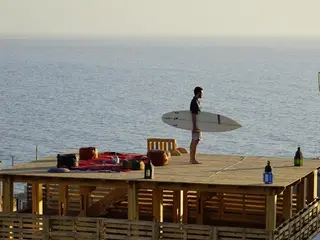
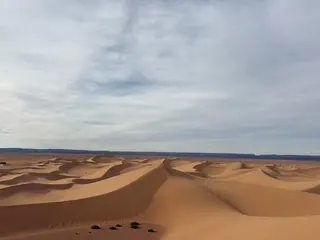
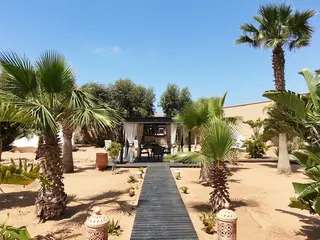
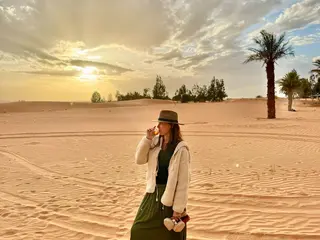
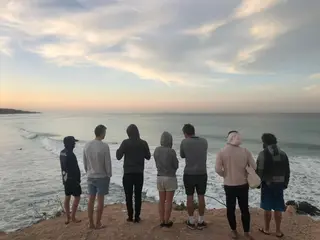
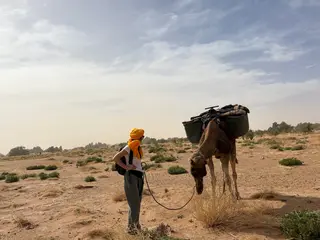
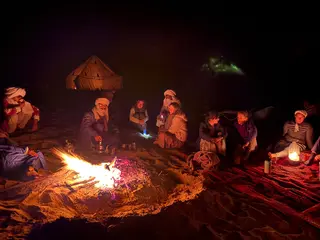
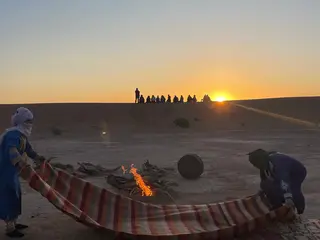
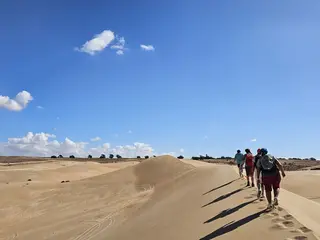
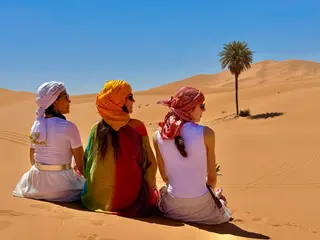
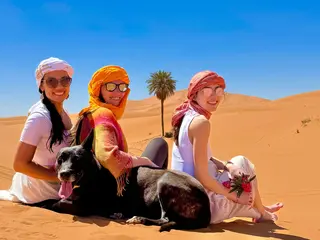
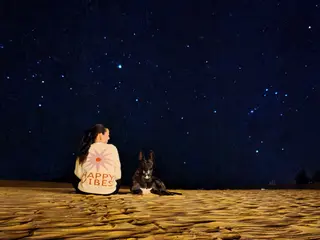
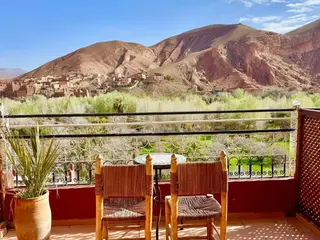
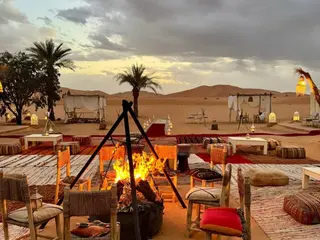
The region shapes a Moroccan retreat almost more than the style does. Four landscape spaces have established themselves around different focuses, and it pays to hold them briefly against your own practice before booking. Marrakesh and its immediate outskirts are the right choice when you want to combine city and practice. Many houses sit in quiet gardens at the edge of the Palmeraie, the old palm oasis north of the city, or in the neighbouring village of Tahanaout at the foot of the Atlas. The days often follow a clear split: morning practice and midday rest in the garden or riad atmosphere, then a short trip into the medina, the souks or a classical hammam in the afternoon. This format works well for hatha and vinyasa-leaning retreats and for stays that deliberately mix culture and practice. The Atlas region from Imlil and the Ourika valley upward is the right choice when mountain, altitude and silence are the priority. You stay in simple, well-run Berber lodges above 1,500 metres, have long walking sessions through the valleys and breathe in cooler air that makes the real difference in summer. Programmes here usually run longer pranayama and meditation segments, often paired with yin or restorative sequences in the evening because the days are physically more demanding. The Atlantic coast between Essaouira and Taghazout is the right choice for a cooler, breezier, salt-tinged variant. Essaouira lies further north and feels distinctly fresher, often eight to ten degrees cooler than Marrakesh — a real advantage in the height of summer. Taghazout further south has a warmer microclimate and a small, well-grown yoga-and-surf scene. Both locations suit dynamic, breath-led styles and stays in which movement by the sea is part of the rhythm. The desert edge of the Agafay region south of Marrakesh is the most unusual choice. It is not the Sahara but a stony semi-desert with a wide horizon, a clear night sky and a very still acoustic. Houses here often work with silent segments, evening meditation under the stars and very early morning practice. If you are deliberately looking for silence, this is the right address.

When a trip to Morocco makes sense

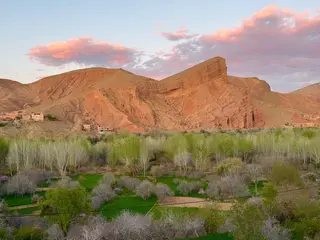
Morocco is climatically clearly structured, and the choice of season shapes a stay almost as much as the region does. Once you have been there in high summer and once in spring, you know two almost different countries. March to May is the strongest yoga window. Daytime temperatures in Marrakesh sit between 22 and 28 degrees, the nights are pleasantly cool, the Atlas still carries snow on its peaks and the landscape is surprisingly green — fields of poppies, almond groves in blossom, fresh herbs in the air. This combination of sight, light and temperature is ideal for rooftop morning practice and for longer day sessions. September to November is the second, equally strong window. After the summer the country cools down quickly, tourist density drops, and the Atlantic coast around Essaouira reaches a particularly soft mood with clear light. A lot of longer retreats run in this period, because the heat has gone but the days are still long. June to August is too hot inland and in the south for serious practice — Marrakesh regularly hits 38 to 42 degrees, the desert edge even more. If you travel in these months, deliberately choose the Atlantic coast: Essaouira rarely exceeds 26 degrees and stays pleasant thanks to its constant Atlantic wind. The Atlas above 1,500 metres also remains workable because altitude dampens the temperatures. December to February work as a winter escape but feel mixed. Days in Marrakesh are mild, nights can turn quite cold, and parts of the Atlas are not fully accessible. People travelling in this period typically choose stays focused on riad and city culture rather than mountain or desert programmes. One note on Ramadan: it falls on different dates every year, and during that period public life looks very different by day. Many houses run as normal, but the mood outside the riad walls is shifted. Worth checking briefly before booking.
Why Morocco works as a yoga destination

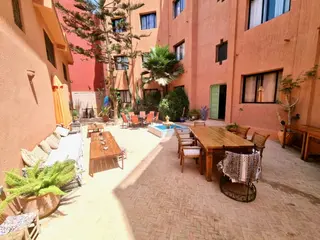
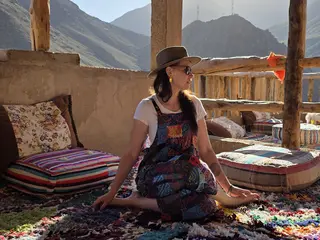
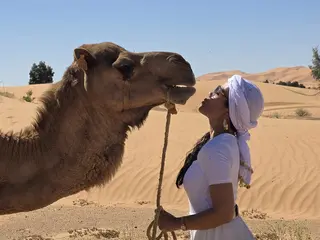
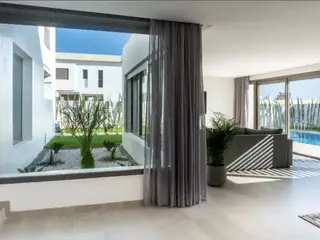
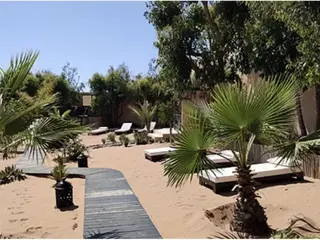
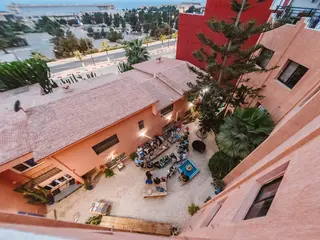
Morocco is one of the few countries where mountain, desert and ocean meet within a small radius. Between the High Atlas south of Marrakesh, the Atlantic coast around Essaouira and Taghazout, and the dry foreland of the Agafay desert, you have only one to two hours of driving — yet light, temperature and atmosphere change completely between each of these stages. For yoga that means you can take a single trip and experience a practice in three very different landscapes, without long distances. The second anchor is riad architecture. A riad is a traditional Moroccan town house oriented inward around a courtyard — no street noise, plenty of shade, a fountain or a small water basin in the middle. Acoustically and atmospherically it acts like its own practice room. Many houses use the rooftop terrace for the morning session at sunrise, when the city is still quiet and the light is rising over the medina. Culturally Morocco brings a further quality that is rarely so present in European retreats: the Berber tradition. In the Atlas and on the edges of the desert you meet a very calm, hospitable culture in which tea, bread and silence carry their own value. That mood carries into a retreat and makes the difference between a holiday in a hotel and a stay in a country that holds its own idea of stillness. The food adds to this. Moroccan cuisine is Mediterranean-Oriental in character, often easy to keep vegetarian and does not sit heavily. Vegetable tajines, lentil stews, fresh flatbread, dates and mint tea — the whole register fits a practice in which you want to eat lightly, sleep well and rise early. It is exactly this triad of landscape, architecture and food culture that has kept Morocco's yoga scene growing steadily, while remaining deliberately small.

What a Moroccan yoga day typically looks like

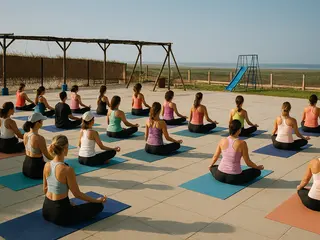
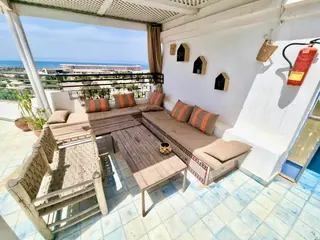
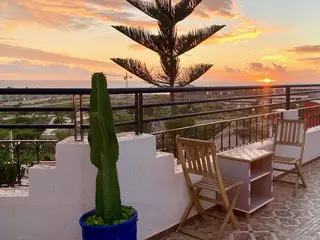
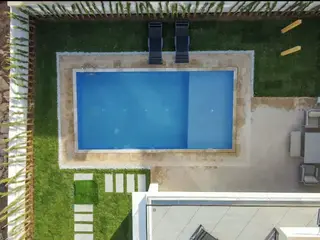
Moroccan yoga days follow a rhythm shaped by light, heat and the country's own eating tradition. Once you have lived through it, you understand why most houses time their day exactly this way — and why the hours feel charged differently from home. The day starts early. Often between six and seven in the morning the first session is held on the rooftop terrace. The city or valley is still quiet at this hour, the air cool, the light soft. This hour is usually pranayama, sun salutation sequences and a slightly longer hatha or vinyasa practice — the body is open, the mind collected, the noise of the world not yet arrived. After the practice comes a classic Moroccan breakfast: fresh flatbread, olive oil, almond paste, a little honey, mint tea, fresh fruit, sometimes msemen pancakes and eggs. It is light but holds you well for several hours. After that comes time for a second breakfast or a quiet morning in the riad — reading, a swim in the courtyard pool, a conversation with the other guests. The midday heat is respected. Between twelve and four it is mostly rest. In this phase many houses build in a hammam visit, a massage, a gentle walk at the end of the midday slot or simply quiet time. This is not a filler; it is part of the idea: in Morocco the midday pause is what sets the pace. The late afternoon opens up again. Around five, when the light turns more golden, the second session begins: yin, restorative or a quieter vinyasa sequence. When the house allows, this practice happens outside — on a terrace looking at the Atlas, at the edge of the Palmeraie or right on the Atlantic. Many guests describe this hour as the most valuable of the day. The evening is tajine time. A shared meal with the other guests, often on the rooftop or in the courtyard, sometimes with a little live music — a small Berber drum group, an oud player. The day quietens around nine or ten. Anyone who has once seen the stars over the edge of the desert rarely goes to bed before midnight.

Frequently asked questions

What does a yoga retreat in Morocco cost?
A yoga retreat in Morocco typically sits between 950 and 1,800 euros per person for seven nights in a double room, including meals and the practice programme. Simpler Berber lodges in the Atlas or smaller riads off the tourist track start slightly below this and can run from 850 to 1,000 euros for a week. Premium addresses in particularly well-kept riads in Marrakesh or stylish properties on the edge of the desert can sit between 2,000 and 2,800 euros per person, especially when single rooms, spa or hammam packages and an extended excursion programme are included. Not included is usually the flight from central Europe to Marrakesh, Casablanca or Agadir — depending on season expect 180 to 350 euros. Most houses organise the airport transfer; it is either included in the price or charged at 30 to 60 euros per direction. Tipping is customary in Morocco and is given in cash.
When is the best time of year for a yoga retreat in Morocco?
The two strongest windows are March to May and September to November. During these periods daytime temperatures in Marrakesh sit between 22 and 28 degrees, the nights are cool and in spring the landscape is particularly green. The Atlas is also well accessible because the snow line remains in the higher zones. June to August is too hot inland and in the south for a serious daily practice. If you want to travel in this period, deliberately choose the Atlantic coast between Essaouira and Taghazout — the constant Atlantic wind keeps temperatures usually below 26 degrees. The High Atlas above 1,500 metres also remains pleasant in summer. December to February work for stays focused on riad and city culture. The days are mild but the nights cool, and mountain programmes are sometimes not accessible during this period. If you want to avoid Ramadan, check the dates for the relevant year — the period shifts by roughly eleven days each year.
How do I best travel to Morocco?
Morocco has three relevant airports for yoga stays: Marrakesh (RAK), Casablanca (CMN) and Agadir (AGA). Marrakesh is the most common choice because all Atlas and desert-edge programmes start from there and the city-adjacent riads are also within reach. From Frankfurt, Munich, Vienna and Zurich you can fly there directly in three and a half to four hours. For the Atlantic coast around Essaouira, Marrakesh is also the usual entry airport — the transfer to Essaouira takes about two and a half hours. For stays in Taghazout or further south, Agadir is closer and usually the better choice. Casablanca is the largest airport with the most intercontinental connections and makes sense if you want to plan a stopover in the city or you find a particularly favourable connection. For pure yoga stays it is rarely the most direct route because many programmes then add a longer overland transfer.
What is usually included in the price of a yoga retreat in Morocco?
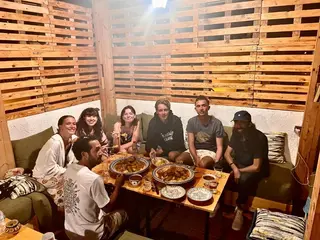
A standard package in Morocco typically includes accommodation in a double or single room, full board with a Moroccan breakfast, a light lunch and a warm dinner (often tajine or couscous, almost always able to be kept vegetarian), water, mint tea and usually coffee as well. On top of that comes the practice programme itself — typically two yoga sessions per day, a longer one in the morning and a quieter one in the late afternoon, plus guided meditations. Many houses include additional elements that belong to Moroccan culture and are part of the package: a hammam visit at the hotel or in a traditional city hammam, a Berber tea ceremony, a guided walk through the medina or a souk, a hike in the Atlas or in the palm groves. Not usually included: the flight, insurance, personal massages or spa appointments, alcoholic drinks (often not offered in a riad in any case) and tips. Airport transfers are either included or charged at 30 to 60 euros per direction depending on the house — best clarified at the time of booking.
Which region in Morocco fits me?
Marrakesh and its surroundings — for instance the Palmeraie north of the city and the neighbouring village of Tahanaout at the foot of the Atlas — suit you well if you want to combine practice and culture. The medina and the souks are within reach, a hammam visit is straightforward, and you stay in a calm garden or riad atmosphere. The Atlas region from Imlil and the Ourika valley upward is the right choice when mountain, altitude and silence are the priority. You stay in simple Berber lodges above 1,500 metres, take long day hikes and practise in cooler air. The Atlantic coast between Essaouira in the north and Taghazout in the south is the right choice for a cooler, salt-tinged variant with constant wind, often combined with beach walks or surfing. The desert edge of the Agafay region south of Marrakesh is the most unusual choice: a stony semi-desert with a wide horizon, very silent nights and clear starlit skies — ideal for stays with a focus on silence and meditation.
Which yoga styles are offered in Morocco?
The range in Morocco is broader than the smaller size of the scene first suggests. Hatha and vinyasa programmes are the most common because they fit the typical riad or garden practice in the morning and the late afternoon. They form the core of many stays, especially around Marrakesh and on the coast. In the Atlas regions the share of pranayama, meditation and yin sequences is higher because the mountain days are physically more demanding and the evening needs a quieter counterweight. Stays with silent segments are also more common in this landscape. On the Atlantic coast around Taghazout and Essaouira you will often find a yoga-and-surf combination, meaning dynamic vinyasa sessions in the morning and gentle restorative sequences in the evening. Stays on the desert edge of Agafay lean more towards yin, restorative and meditation under the stars — the landscape itself slows the tempo.
Are yoga retreats in Morocco also suitable for beginners?
Yes, a large share of the stays in Morocco is explicitly open to beginners. If you have never practised or only very rarely, look for programmes that explicitly foreground hatha, gentle vinyasa or yin — these styles are slower in their build-up and work with clear cueing. For a first stay, the Marrakesh region or the Atlantic coast tends to be the most relaxed choice. Both have short transfers, well-equipped houses and a daily structure that leaves enough breaks for unfamiliar movement. High-altitude Atlas locations or pure silent retreats in the desert tend to be more demanding for a first try and are better when you already have a little practice experience. Good houses ask about your level before the booking anyway, give a sense of group and intensity and sometimes even offer a short pre-trip preparation. That is a good quality signal.