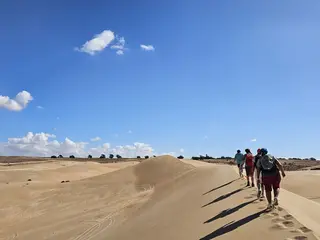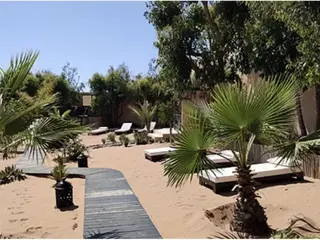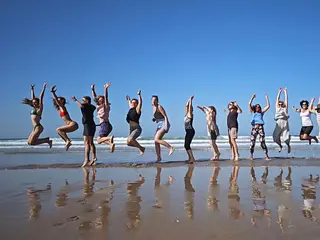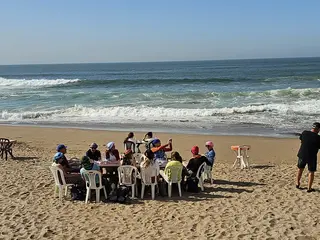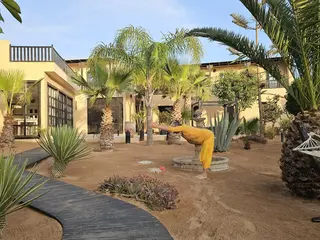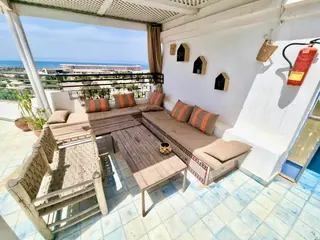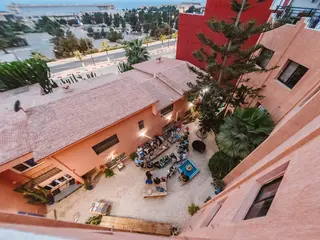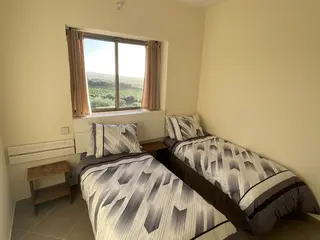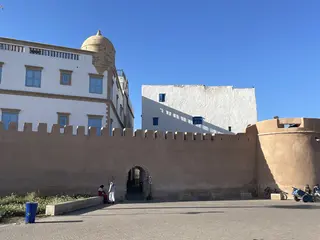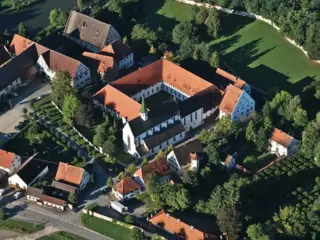

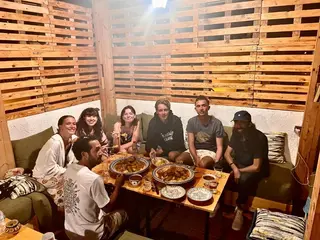


8 Days Surf & Yoga in Taghazout Morocco
Taghazout, Morocco
$581 / 8 Days
Here are our retreats in November 2027 in Morocco from the Yoga Retreats section. To know if November is the right month for you to travel in Morocco, here are a few key weather facts. Temperatures can drop to 7 degrees in November. Highs, on the other hand, can reach 29 degrees.

Taghazout, Morocco
$581 / 8 Days
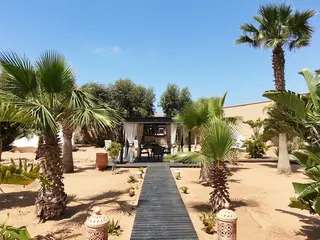
Douira Belfaa, Morocco
$1,890 / 8 Days
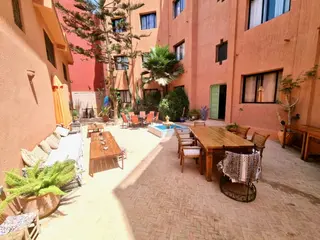
Agadir, Morocco
$358 / 4 Days
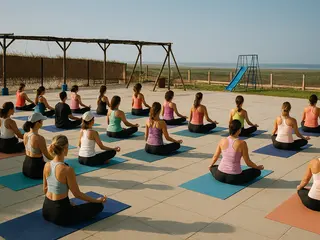
Essaouira, Morocco
$839 / 8 Days

Taghazout, Morocco
$1,678 / 7 Days

Marsa Alam, Egypt
$2,562 / 8 Days
5.0
Stuckenborstel, Germany
$212 / 3 Days
4.8
Grebs-Niendorf, Germany
$368 / 4 Days
5.0
Mellau, Austria
$1,418 / 4 Days
5.0
velez malaga, Spain
$1,555 / 5 Days
5.0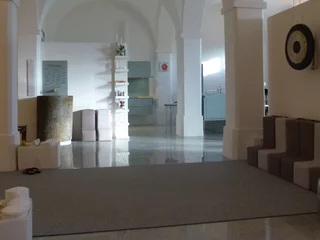
Mondsee, Austria
$211 / 2 Days
5.0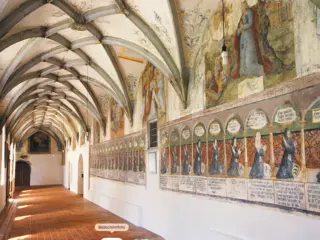
Altheim, Germany
$665 / 5 Days
4.9
Bentota, Sri Lanka
$2,226 / 17 Days
5.0New retreats straight to your inbox?
So you always stay up to date.
We take data protection very seriously. Further information