
Table of Contents
- Why a retreat schedule works differently from a yoga class
- A typical yoga retreat day, hour by hour
- How the schedule changes by format
- How setting shapes the schedule
- What the free time in the itinerary is actually for
- How to read a yoga retreat itinerary before you book
- The emotional arc across a multi-day retreat
- Frequently asked questions
- What is a typical day at a yoga retreat?
- How long is a yoga retreat?
- Can beginners follow a yoga retreat schedule?
- What is included in a yoga retreat itinerary?
- How is a yoga retreat schedule different from a regular yoga class?
- Do yoga retreats have free time in the schedule?
- How do I prepare for a yoga retreat?
- Plan your next yoga retreat
The schedule is posted on a whiteboard by the entrance, and you read it the moment you check in. Six-thirty: morning pranayama. Seven: asana practice. Eight-thirty: breakfast. After that, free time. Something in you relaxes before the first class has even started. The day is already decided. You don't have to figure out what to do next.
That is the first thing a yoga retreat does that a weekly yoga class cannot: it removes the decision load. The schedule is not just a timetable. It is the container the whole experience sits inside. Understanding what a well-designed itinerary looks like, and why each block is where it is, changes how you read a program page before you book.
This guide is for readers who have decided they want to attend a yoga retreat and want to know what their days will actually look like. The choosing framework belongs in yoga retreats for beginners; the cost breakdown belongs in yoga retreat cost. This article is about the schedule itself.
For a quick orientation on what the format involves, what a yoga retreat is is the background read.
Why a retreat schedule works differently from a yoga class
A studio class slot runs 60 to 90 minutes. You drive there, park, change, practice, cool down, drive back, and re-enter your regular life. The class is an island in the day.
A retreat flips this. The practice is not an island; everything else is the container around it. You wake up where the practice happens. Meals are prepared for you. The space between sessions is not a commute: it is part of the program. And because you are not managing logistics between sessions, the practice accumulates differently. The body relaxes more fully. The mind, once it stops problem-solving your calendar, starts to actually slow down.
This is not aspirational language. It is a structural observation about what changes when you remove the gaps between practice and daily life. The schedule works because of what it removes, not only because of what it adds.
A typical yoga retreat day, hour by hour
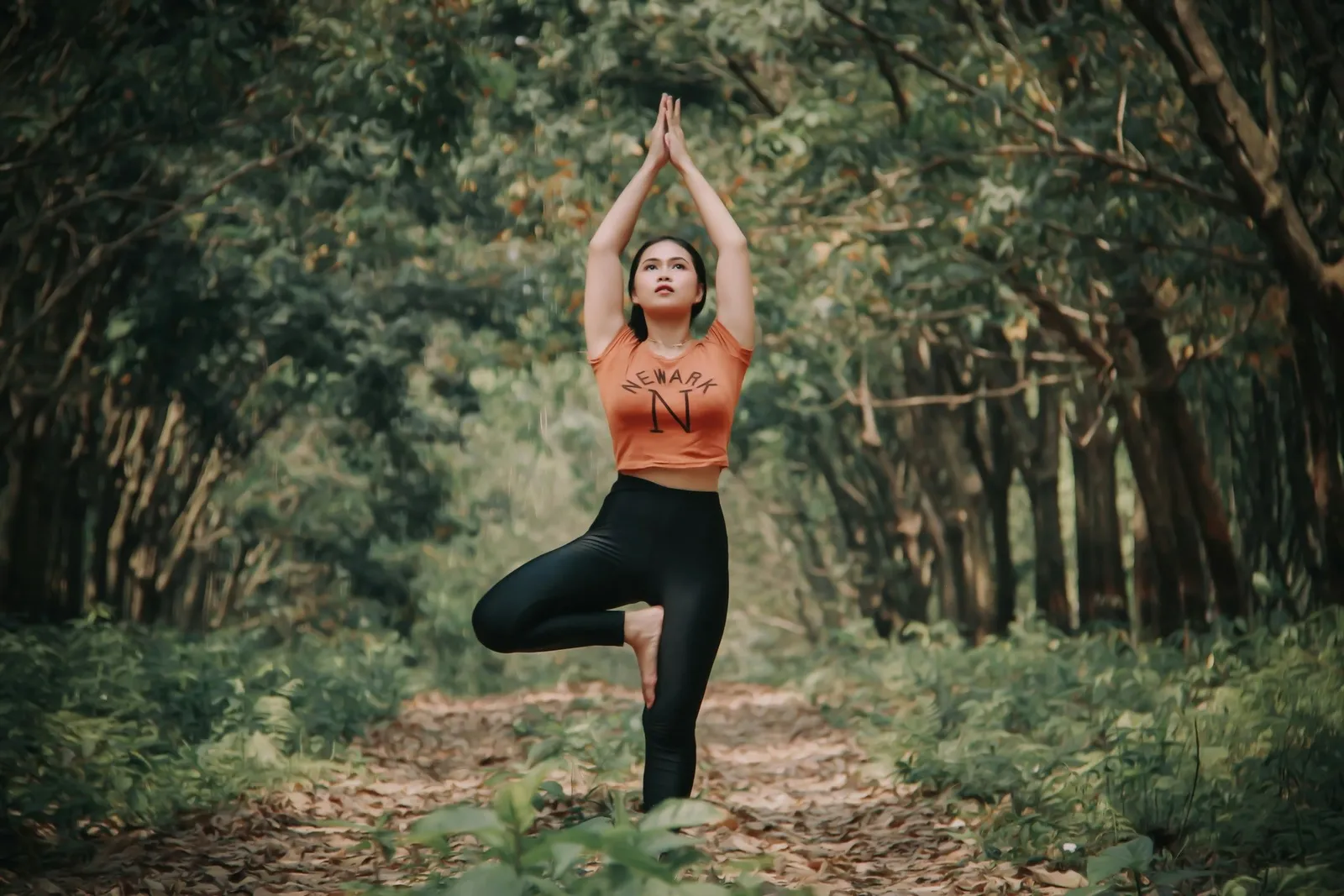
This is a composite based on how well-designed programs structure their days. Individual retreats vary, particularly by style and setting. The underlying rhythm is widely consistent.
6:00 Wake. Optional journaling or self-practice before the group gathers. Most programs leave this unstructured.
6:30 Pranayama or morning circle. Breath work, setting an intention, or a short guided meditation to orient the group. Usually 20 to 30 minutes.
7:00 Morning asana session. The longer, more active practice of the day. Typically 75 to 90 minutes. Most programs run a mixed-level format here; teachers adjust cues for beginners without announcing it. This session is usually the physical peak of the day.
8:30 Breakfast. Communal, unhurried. Plant-forward food is the near-universal standard across yoga retreat formats. Most programs run breakfast for 45 to 60 minutes. This is not just fuel; the shared table is where conversations start, where the community texture of the retreat forms.
9:30 to 12:30 Free time block or optional workshop. This is the mid-morning unstructured window. Most programs post a menu of optional activities here (an extra meditation session, a journaling workshop, a nature walk) but none of them mandatory. What most people actually do: journal, nap, read, sit. The body needs this after the morning session.
12:30 Lunch. The main meal at most retreat centers. Similar format to breakfast: communal, unhurried, included in the program.
13:30 to 15:30 Afternoon free time. The longest unstructured block of the day. See the section on free time below for what this window is actually for.
15:30 to 17:00 Afternoon yoga session. Shorter than the morning, typically 60 to 75 minutes. Yin, restorative, or nidra formats dominate here. This session is the counterweight to the morning: where the morning practice opens and activates, the afternoon practice settles and integrates.
17:00 to 18:30 Free time. Shorter window before dinner.
18:30 Dinner.
20:00 Evening meditation or group circle. 30 to 45 minutes. Optional at some programs, structured at others. Closing the day with a shared practice rather than individual dispersal is a deliberate design choice: it re-grounds the group before sleep.
21:00 Lights-down informal. Most programs do not mandate this, but the social energy of retreats tends to end early naturally. The early morning start has its own gravitational pull.
The underlying principle: two practice sessions bracketing two free blocks, with shared meals between. The structure is not arbitrary. The morning session does the active work; the free time lets it settle; the afternoon session integrates it; the evening closes the day. Remove any block and the rhythm becomes uneven.
How the schedule changes by format

A three-day weekend, a week-long immersion, and an extended program do not simply add days to the same schedule. Each format paces differently.
Weekend retreats (2 to 3 days). The arc is compressed. Day one is arrival and orientation, often including an afternoon or evening practice and dinner. Day two is the full rhythm described above. Day three is typically a morning session followed by closing, lunch, and departure. Weekend formats work well as an introduction to the retreat experience and as a periodic reset for practitioners with more experience. They do not have enough time for the deeper accumulation that happens around day three or four.
Week-long programs (5 to 7 days). The format with the most room to build. The first two days are adjustment: the body adapts to the schedule, the mind calibrates, the group finds its social dynamics. Days three through five are typically the deepest phase. Day six or seven often has a lighter schedule or a half-day free, functioning as a buffer before re-entry into regular life. For readers considering their first longer retreat, this format is where the pace starts to feel natural rather than managed.
Extended programs (10 to 21 days). Yoga teacher training and intensive formats. These structure the full emotional arc over weeks, with curriculum deepening, assessment points, and rest days built in. The daily schedule in these programs may include classroom teaching, anatomy study, and methodology sessions alongside the practice hours. These are substantively different experiences and require their own research before committing. For cost context on different formats and durations, see how much a yoga retreat costs.
A note on silent formats: a silent yoga retreat alters the schedule in ways that are less obvious than they sound. The practice hours are the same; what changes is the texture of the free time and meals. Without conversation, the shared spaces become quiet. Journaling, solo walks, and extended meditation fill the blocks that would otherwise be social. The emotional arc is steeper.
Ready to find a schedule that fits your rhythm? Browse over 600 curated yoga programs at retreat-vacation.com and filter by duration and format to match the depth you are looking for.
How setting shapes the schedule

The same schedule looks different depending on where the retreat is held. Setting is not cosmetic; it changes what is possible in the free time and often reshapes the practice sessions themselves.
Beach and coastal retreats. The sunrise session moves outdoors as a default. A beach yoga class at 7:00 a.m. with flat water and low light is a different experience than the same practice in a studio. Most beach yoga retreats build the outdoor morning session into the core schedule rather than offering it as optional. Afternoon free time often includes swimming, snorkeling, or simply sitting on the water. The afternoon practice session tends to move indoors in the heat of the day.
Mountain and forest retreats. Cold-climate and alpine programs often integrate hiking into the free-time blocks rather than leaving them open. Morning hikes before or after breakfast are common. This can shift the afternoon session later or make it shorter, because the body has already done physical work. Winter yoga retreats in mountain settings structure the day around the shorter daylight window, with evening practices often running by firelight and earlier lights-down conventions.
Rural farmhouse or estate retreats. These often incorporate the environment into the program rather than scheduling around it. Farm-to-table meal preparation can be part of the itinerary, communal dinners on long tables can function as the evening social event, and property walks between sessions replace the free-time ambiguity of a larger center.
Urban retreat centers. Weekend programs in a city run on a tighter clock than residential formats. Less free time, more structured sessions, studio-like logistics. The psychological benefit of removing daily life is reduced because you are still inside the city; the value is in the concentrated schedule rather than the location.
The clearest indication of setting quality in an itinerary is how free time is described. Programs that write "explore the local area" are leaving it open. Programs that write "afternoon hike to the waterfall, guides provided" are integrating setting into the schedule. Neither is better by default, but the difference matters when you are deciding what kind of day you want.
What the free time in the itinerary is actually for
Most itineraries list "free time" or "personal time" as a block and move on. They do not explain what it is for. This is the element most underestimated by first-time retreat attendees, and the most misunderstood when reading an itinerary before booking.
The mid-day free block, typically two to four hours, is not a scheduling gap. It is integration time. What actually happens in it: journaling after the morning session while the experience is still present, taking a nap (the body often genuinely needs one, particularly on day one and two), solo walks, informal conversation with other participants that would not happen in a structured session, self-practice if you want it, or simply sitting with whatever surfaced in the morning.
The retreats that compress or eliminate free time in favor of additional sessions are treating yoga as a fitness class schedule rather than as a practice. When every hour is filled, there is no space for the practice to settle. The morning session does work. The free block lets that work integrate before the afternoon session begins.
When you are reading an itinerary before booking, count the unstructured blocks. A well-designed full-day schedule should have at least three to four hours of genuinely free time. A schedule that runs sessions from 6:00 to 21:00 with only meal breaks is a signal to investigate what the program philosophy is.
How to read a yoga retreat itinerary before you book
A published itinerary tells you more than it seems to. The signals below are reliable across retreat types and price bands.
Signs of a well-designed schedule:
- Two practice sessions per day, morning longer and more active, afternoon shorter and restorative
- Free time blocks labeled clearly, not just listed as "break"
- Meal times that respect digestion windows (the afternoon session should not start within 30 minutes of lunch)
- Evening activity that winds down, not ramps up
Signs of an over-packed schedule:
- Mandatory sessions before 6:00 a.m. (optional early morning is fine; mandatory is exhausting)
- No afternoon free block, or a 30-minute "lunch break" before the next session starts
- Evening workshops or talks that end after 21:30
- Four or more structured sessions per day with no unstructured time between them
Signs of an under-supported schedule:
- Free time blocks that appear with no guidance on what the space is for, no optional programming, and no indication of what facilities are available
- No shared evening closing practice
- Morning sessions that start late (after 8:00) and evening sessions that end early (before 19:00), suggesting a light-touch program rather than an immersive one
Questions to ask before booking:
- Is the morning session compulsory or drop-in?
- What does free time typically look like on this property?
- Is there a daily schedule variation on arrival and departure days?
- For longer programs: is there a rest day built in?
For readers still in the choosing phase and unsure what format or style suits them, the yoga retreats for beginners guide covers the decision layer in full. For couples considering the format together, couples yoga retreats addresses the specific dynamic of a shared schedule.
The emotional arc across a multi-day retreat
The schedule does not feel the same on day one as it does on day five. This is not unique to yoga retreats, but the pace of the shift surprises most attendees.
Day one. Arrival logistics, orientation, the social texture of meeting strangers in a residential setting. The first practice session often feels slightly off, not because the teaching is wrong but because the body is still in transit mode and the mind is still managing arrival. The evening circle can feel effortful.
Day two. The schedule starts to feel natural rather than managed. The body loosens. But this is also the day when mental noise often intensifies before it quiets. When you remove the usual distractions, the things you have been not-thinking-about tend to surface. This is not a problem; it is part of the process. Retreats that fail usually fail because participants did not know this was normal and left before the shift.
Day three and beyond. The change that most people associate with retreats happens here. Sensory awareness sharpens. Practice deepens in ways that are hard to articulate immediately. The free time stops feeling restless and starts feeling useful. Conversations with other participants move faster toward the things that matter.
The last day. A particular quality of clarity that is also the hardest thing to re-enter daily life from. Most programs build in a closing session specifically to address this: not pretending the transition is seamless, but acknowledging it and giving the practitioner a framework for sustaining what they have built.
Honest note: not every retreat produces this arc for every person. Some people feel best on day two and plateau. Some feel unsettled throughout and find value in it only in retrospect. The schedule creates the conditions; the practitioner does the rest.
Frequently asked questions
What is a typical day at a yoga retreat?
Most yoga retreat days follow a consistent structure: an early morning pranayama or meditation session around 6:30, a longer morning yoga practice from 7:00 to 8:30, breakfast, a free-time block, lunch, an afternoon free block, a shorter restorative practice around 15:30 to 17:00, dinner, and an evening meditation or group circle around 20:00. The key structural principle is two practice sessions bracketing two free-time blocks, with shared meals in between.
How long is a yoga retreat?
Weekend retreats run two to three days and are the most common entry format. Week-long programs run five to seven days and give more room for the practice to accumulate. Extended programs of ten to twenty-one days exist for teacher training and intensive immersion formats. Most practitioners who attend multiple retreats find the five-to-seven-day format the sweet spot between depth and logistics.
Can beginners follow a yoga retreat schedule?
Yes. Most retreat schedules are designed for mixed levels, particularly in Hatha and Yin formats. Teachers adjust cues for beginners without singling them out. The residential schedule itself makes the experience more accessible for beginners, not less: you are not managing transport or logistics between classes, and the structure removes the uncertainty that makes a new practice harder to start. For a detailed guide to the beginner experience, see yoga retreats for beginners.
What is included in a yoga retreat itinerary?
Standard inclusions: accommodation, all meals (usually vegetarian or plant-forward), two daily yoga sessions, morning meditation or pranayama, and access to the property and facilities. Standard extras at additional cost: spa treatments, excursions, airport transfers, one-on-one private sessions, and specialty workshops outside the core schedule. Confirm inclusions on the program page before booking.
How is a yoga retreat schedule different from a regular yoga class?
The residential setting removes the gaps. At a studio, the class is one block in a day full of other logistics. At a retreat, the practice is the frame around everything: you wake up where the practice happens, meals are prepared for you, the time between sessions is unstructured in a way your regular schedule is not. That gap removal is what produces the accumulation. The practice gets room, and room is what it needed.
Do yoga retreats have free time in the schedule?
Yes, and it is intentional. Most well-designed retreat schedules include three to four hours of unstructured free time per full day, typically split between a mid-morning block and an afternoon block. This is integration time, not a scheduling gap. Programs that eliminate free time in favor of back-to-back sessions are worth questioning: free time is where the practice settles between sessions, and removing it often produces surface-level outcomes despite an impressive timetable.
How do I prepare for a yoga retreat?
Start a basic home practice before you go, even 15 minutes daily for two weeks. It calibrates your body to the early morning format and reduces the awkwardness of day one. Confirm with the program what equipment is provided and what to bring yourself (most supply mats and blocks). Set an intention you can hold for the duration: not a goal, but a direction. For a full packing and preparation checklist, see what to pack for a yoga retreat.
Plan your next yoga retreat
Browse over 600 curated yoga programs at retreat-vacation.com. Filter by duration, setting, and style to find a schedule that matches the rhythm you are looking for, from compact weekend formats to week-long immersions with two sessions daily. Coastal morning classes, mountain programs with afternoon hikes, silent formats, and mixed-level weekly retreats all run on the same structural principle: the schedule does the work of holding the space so you do not have to.
For readers still deciding between formats, the yoga retreats for beginners guide covers what to look for in a first program.