Detox retreat in Hesse

A detox retreat in Hesse moves into the Taunus and the Rhön, two low-mountain regions with quiet landscape and a short journey from the Rhine-Main area. Three to seven days in small groups, with methods between Buchinger fasting, base fasting, juice cures, and liver cleansing, often combined with gentle yoga, hikes, and sauna sessions. Spa venues and farm estates in the Taunus, monastery houses and education centres in the Rhön carry the programmes. Travel by train to Frankfurt or Fulda with a short regional onward leg.
7 curated retreats from €130

Discover Our Most Popular Offer

View all offers

New retreats straight to your inbox?

So you always stay up to date.

We take data protection very seriously. Further information

Taunus and Rhön

Taunus and Rhön

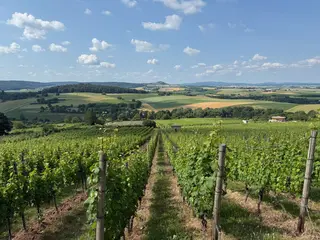
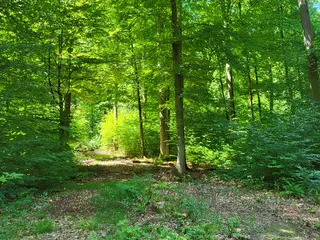
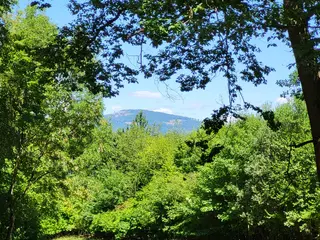
A detox retreat in Hesse can be mapped predominantly to two low-mountain regions. The Taunus in the west outside Frankfurt is the state's most established detox region. A tradition of healing springs, a long history as a spa region, and a mix of wellness atmosphere and mild mid-mountain climate shape the profile. Several spa venues and farm estates here work with Buchinger fasting, juice cures, and gentle yoga. The Rhön in eastern Hesse, at the border with Bavaria and Thuringia, has a different atmosphere. Higher altitudes between six hundred and nine hundred metres, broad plateaus, an old shepherding tradition, and a cooler climate. Monastery houses and education centres in the Rhön offer therapeutic-fasting programmes often combined with mindfulness sessions and seated meditation. The programmes are less wellness-oriented than in the Taunus but place stronger emphasis on inner stillness. Anyone booking a detox retreat in Hesse typically comes from the Rhine-Main area, complemented by travellers from central Hesse, Thuringia, and the southern edge of Lower Saxony. Frankfurt, Wiesbaden, Mainz, and Darmstadt are the most common cities of origin, followed by Kassel, Fulda, and the southern Hessian region. The journey is mostly shorter than two hours, often by train with a short regional onward leg. The combination of a short journey and mid-altitude terrain makes Hesse attractive for detox stays. Anyone who has fasted several times before can ease into the programme without travel stress. Beginners benefit from the option to start shorter and gentler, often as a three-day juice cure in the Taunus or a five-day base fast in the Rhön.



Buchinger, base fasting, and juice cure

Buchinger, base fasting, and juice cure

The methodological range on a detox retreat in Hesse concentrates on four established lines. Buchinger fasting is the classic form, developed by Otto Buchinger in the 1920s. It begins with one to two preparation days, followed by five to seven fasting days with vegetable broth, freshly pressed juices, water, and herbal tea. Recovery days at the end gradually reintroduce solid food. Several Hessian houses offer this method with medical accompaniment, mostly in the Taunus. Base fasting works differently. Instead of skipping food, you eat only base-forming foods: vegetables, fruit, herbs, and some nuts. Acid-forming foods such as meat, fish, dairy, grains, and sugar are left out. This form is gentler than therapeutic fasting and is often the better choice for beginners. The atmosphere is less strict, with shared meals at the table. Juice cures with cold-pressed juices from fruit, vegetables, herbs, and roots often run as a shorter three- to five-day version. Juices are produced fresh in the house each day and served in glass bottles. This form fits well with wellness-oriented stays in the Taunus because it demands less discipline than a complete therapeutic fast. Liver cleansing is a specific thematic combination offered at some Hessian houses as its own cure. It combines light food with bitter substances, liver compresses, and targeted movement. Gentle yoga, walks in the Taunus or hikes across the Rhön plateau, sauna sessions, and sound meditation accompany the detox format in most programmes. Yoga Nidra, guided deep relaxation in a lying position, is a common evening element.
Who books a detox retreat in Hesse

Who books a detox retreat in Hesse

Participants on a detox retreat in Hesse predominantly come from the Rhine-Main area, complemented by travellers from central Hesse, Thuringia, and the southern edge of Lower Saxony. Women form the majority in nearly all groups, with a share between seventy and ninety percent. The age range stretches from the late thirties to the early sixties, with most participants between the mid-forties and mid-fifties. Professional backgrounds include consulting, academic, creative, and leadership roles. A clear subgroup are working professionals in mid- to senior-level positions, looking for a complete reset after long project phases. A second subgroup are women in life-transition phases, often with questions around health, self-care, and routine change. The Taunus clientele differs from the Rhön clientele. Taunus travellers tend to be more wellness-oriented, leaning towards juice cures and base fasting, often combined with spa treatments. Rhön travellers tend to be quieter, more method-aware, and accept a stricter programme format with mindfulness elements. Medical clarification is mandatory for longer therapeutic-fasting stays. Anyone with high blood pressure, diabetes, thyroid issues, or other chronic conditions should discuss this with the house's medical staff before booking. Some Hessian venues offer a preparatory examination and an accompanying consultation during the retreat, others work with clarification through the participant's family doctor. Beginners typically land in base fasting or a juice cure, advanced fasters in longer Buchinger programmes.
Season, daily rhythm, and prices

Season, daily rhythm, and prices

A detox retreat in Hesse works year-round, with two clear peak seasons. In January and February many participants book a detox journey as an annual reset after the holidays. A second wave runs in September and October. The Taunus runs particularly evenly across the year because the mild mid-mountain climate makes juice cures and base fasting comfortable in winter as well. The Rhön peaks from April to October, complemented by snowshoe detox weeks in January and February. Seven-day therapeutic fasting is the most common booking length, complemented by three-to-five-day juice cures as a weekend variant. German educational-leave accreditation applies to some Hessian detox programmes, especially Buchinger journeys with mindfulness elements. Accreditation must be clarified before booking. The typical daily rhythm in a Hessian detox programme begins with a morning routine: tongue cleaning, a glass of warm water with lemon, a short yoga flow of thirty to sixty minutes. Then a cup of tea or a small bowl of broth. The late morning stays open for a hike in the Taunus or across the Rhön plateau, a sauna session, or a spa treatment. At noon a broth or a juice, depending on the programme. Afternoon brings a second activity, often Yoga Nidra, sound meditation, or a liver compress. Evening again broth or juice. Price range for a detox retreat in Hesse runs typically from four hundred fifty to twelve hundred euro for five to seven days including accommodation, fasting provision, and medical accompaniment. Therapeutic-fasting programmes with medical staff often run between eight hundred and fourteen hundred euro for the seven-day standard length. Juice cures as a weekend variant range between three hundred and seven hundred euro for three days.