Meditation Retreat in Bavaria

Bavaria offers a rare setting for meditation: wide mountain silence in the Chiemgau and the Bavarian Alps, centuries-old monastic courtyards from St. Ottilien to Zell am Main, and small retreat houses in the Bavarian Forest where silent days and mindfulness practice have found their natural home for decades. You will find 50 curated retreats from Aschau im Chiemgau to Berchtesgaden, starting at €190 and averaging €892 per programme. Compact, regionally grounded and with clear guidance.
11 curated retreats 4.6 (14 reviews) from €300

New retreats straight to your inbox?

So you always stay up to date.

We take data protection very seriously. Further information
What makes meditation in Bavaria distinctive

What makes meditation in Bavaria distinctive

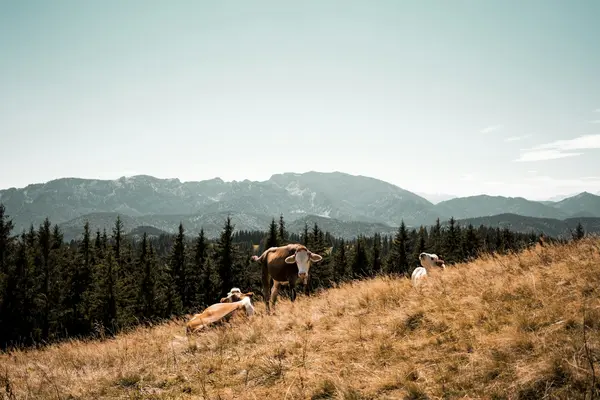
Bavaria carries three layers that meditation can rest on. First, the topography. The Chiemgau region near the Bavarian Alps around Aschau and Berchtesgaden combines mountain air, clear ridge lines and acoustic silence, exactly the conditions that make longer sitting periods easier. Second, the monastic tradition. Houses such as the Benedictine archabbey of St. Ottilien west of Munich, the convent of Oberzell near Zell am Main in Lower Franconia and small spiritual retreat houses in the Allgäu have opened their rooms for silent and mindfulness days for decades. The fixed daily structure and Noble Silence, defined phases without speaking, reading or phone use, are house rules there, not a passing trend, with clear transitions between meals, sitting practice and walks.\n\nThird, the local supply. The Chiemgau is the clear centre, with further clusters in Berchtesgaden in the Bavarian Alps, in the Bavarian Forest around Sankt Oswald, and in the Allgäu with Bad Wörishofen, Waltenhofen and Immenstadt. In total you will find 50 programmes. These houses work with clearly profiled teachers, often in the Zen or MBSR tradition, many also combined with yoga or with walking meditation in the foothill landscape. The time frames are reliable as well: three to five days as a short format, seven to eight days as a longer silent stretch, each with full board. This density of landscape, monastic history and a solid provider network is not found in any other German state.
What a typical retreat day looks like

What a typical retreat day looks like

Most Bavarian retreats follow a similar daily rhythm, modelled on monastic patterns. The day starts early, often between 6:30 and 7:30, with a first sitting meditation of thirty to forty-five minutes, followed by a walking meditation in the garden or monastery courtyard. Breakfast, taken in silence in many houses, leads into a longer practice block of ninety to one hundred and twenty minutes: sitting, a body scan from the MBSR programme (Mindfulness-Based Stress Reduction by Jon Kabat-Zinn) or a guided mindfulness exercise. The morning closes with a short teaching dialogue or talk by the guiding teacher, in which current practice questions are picked up.\n\nAfter lunch the schedule opens for one to two hours of rest, often explicitly free time, for walks, a swim in the nearby Prien river or in the Chiemsee, or simply lying down. The afternoon brings two further practice blocks, often alternating between sitting and walking; in some houses also with Asian movement forms that link slow movement and concentration. A final sitting meditation closes the day after dinner, often in the silence of the early night and without further communication until morning. Compact Bavarian formats run three to five days, with an average programme price around €892 full board, vegetarian and in many houses from organic sources.
Methods in the Bavarian portfolio

Methods in the Bavarian portfolio

Four methods carry the Bavarian portfolio, each anchored with clearly profiled teachers. At the core is the Zen tradition: Zazen, aligned sitting practice on cushion or bench, with a straight spine and half-open eyes, and Kinhin, the accompanying walking meditation in slow, counted steps between sitting blocks. In a few houses, Zen is additionally combined with Asian movement forms that use slow body work as a concentration technique and is therefore suitable for practitioners who find pure sitting difficult.\n\nAlongside that, silent retreats form the second focus: programmes work consistently with Noble Silence, from three days at monastic houses to eight days at the mountain houses. The third profile is MBSR, the mindfulness-based stress reduction programme developed by Jon Kabat-Zinn: some houses offer compact Mindfulness-Based Stress Reduction formats. Body scan, mindful yoga and sitting meditation are core building blocks here, often complemented by short reflection units that anchor the exercises in everyday life. The fourth focus is general mindfulness practice, often combined with yoga: programmes merge meditation and yoga in one format, some integrate walking meditation as a method in its own right. Specific school traditions such as Vipassana are not part of the Bavarian portfolio. Anyone looking for a ten-day format of that school will not find it here and should target dedicated Vipassana centres.
Regions, arrival and season

Regions, arrival and season

Four regions carry the Bavarian portfolio, each with its own character and arrival logic. The Chiemgau leads clearly, headed by Aschau im Chiemgau, easily reachable via the Munich to Salzburg railway, exit at Prien am Chiemsee, then fifteen minutes by taxi or shuttle. The second region is the Bavarian Alps around Berchtesgaden, often smaller individual or three-person formats, arrival via Berchtesgaden main station. The third cluster is the Bavarian Forest with houses in Sankt Oswald, Bodenmais and at the edge of the national park. Arrival via Munich or Passau, then regional bus or rental car, since the rail network in the forest is thin.\n\nThe fourth region is the Allgäu, with programmes in Bad Wörishofen, Waltenhofen and Immenstadt at the edge of the Großer Alpsee. Rail access via Memmingen or Kempten, then local connections by bus or shared taxi. Bavaria is strong for meditation all year, with two peaks: early summer from May to July, when the foothill meadows are free for walking and hiking meditation, and late autumn from October to November for classical silent and monastic times in the settling outer stillness. Across all 50 Bavarian programmes the duration averages four days, with an average price around €892. The range runs from €190 for shorter monastic formats up to €4.800 for longer programmes with single rooms and intensive guidance.

Frequently asked questions

Which meditation methods are offered in Bavarian retreats?
Four methods carry the Bavarian portfolio, each anchored multiple times in the program. The strongest is the Zen tradition with Zazen, aligned sitting practice on cushion or bench, and Kinhin, walking meditation in slow, counted steps. In a few houses, Zen is additionally combined with Asian movement forms. The second focus is silent retreats with Noble Silence, defined phases without speaking, reading or phone use. The third profile is MBSR, Mindfulness-Based Stress Reduction by Jon Kabat-Zinn, with body scan, mindful yoga and sitting meditation. The fourth focus is general mindfulness practice, often combined with yoga or with walking meditation in the foothill landscape. In total you will find 50 meditation retreats in Bavaria.
In which regions of Bavaria do meditation retreats take place?
Four regions carry the Bavarian portfolio, each with its own character. The Chiemgau leads clearly, headed by Aschau im Chiemgau, followed by houses in Bernau and on the edge of the Bavarian Alps. The second region is the Bavarian Alps around Berchtesgaden, often as smaller individual or three-person formats. The third cluster is the Bavarian Forest with houses in Sankt Oswald, Bodenmais and on the edge of the national park. The fourth region is the Allgäu with programs in Bad Wörishofen, Waltenhofen and Immenstadt at the edge of the Großer Alpsee. Those after mountain silence and alpine air gravitate to the Chiemgau or Berchtesgaden. Those preferring monastic stillness find it in houses such as St. Ottilien west of Munich or Kloster Oberzell near Zell am Main. Across all 50 retreats, locations cluster mainly in southern Upper Bavaria.
What role do monasteries play for meditation retreats in Bavaria?
Monasteries shape meditation in Bavaria more than in most other German states. Houses such as the Benedictine archabbey of St. Ottilien west of Munich, the convent of Oberzell near Zell am Main in Lower Franconia and small spiritual retreat houses in the Allgäu have opened their rooms for silent and mindfulness days for decades. The fixed daily structure and Noble Silence, defined phases without speaking, reading or phone use, are house rules there, not a passing trend, with clear transitions between meals, sitting practice and walks. In practice this means simple rooms, vegetarian full board, the monastery courtyard as a place for walking meditation, and a rhythm anchored in the canonical hours without participants being bound to them. Those seeking silence as the main focus rather than method variety are better placed in a monastery than in the methodically broader mountain houses.
What is the best way to reach a meditation retreat in Bavaria?
Bavaria is well covered via Munich as the main axis for meditation retreats, which fits the quiet nature of the format. For the Chiemgau, get off at Prien am Chiemsee, then about fifteen minutes by taxi or shuttle to Aschau im Chiemgau; arrival from Munich is around an hour via the Munich to Salzburg railway. For the Bavarian Alps, Berchtesgaden main station is the anchor. The Bavarian Forest is reached via Munich or Passau, then onward by regional bus or rental car, since the rail network in the forest is thinner. The Allgäu sits well at Memmingen or Kempten, with onward local buses or shared taxis. For the monastic houses near Zell am Main, Würzburg is the connection. Many hosts arrange pick-up from the nearest station on request; it pays to ask. Driving is fine but not required, since the car tends to stay parked during the retreat.
When is the best time for a meditation retreat in Bavaria?
Bavaria is strong for meditation year-round, with two peaks. Early summer from May to July brings the open foothill meadows for walking and hiking meditation, long bright evenings and mild nights for sitting blocks in monastery courtyards or on the terrace. Late autumn from October to November is the second peak, when classical silent and monastic times become particularly intense because the settling outer stillness makes inner collection easier. In winter, clearly framed formats keep running with a focused indoor emphasis and calm occupancy. Shoulder months like March and April are quieter and often cheaper, but cooler and more changeable. Summer high season usually fills six to eight weeks ahead; in winter, two to three weeks lead time is usually enough.
Are meditation retreats in Bavaria suitable for beginners?
Yes, most Bavarian meditation programs take mixed groups and are beginner-friendly without being branded as pure beginner courses. Teachers introduce sitting posture, breath observation and walking meditation step by step, often with short explanations before each block and with variations for knees, back or hips. Those new to meditation should pick a three- to five-day format rather than jumping straight into an eight-day silent stretch; MBSR compact formats and mindfulness weekends are particularly low-threshold. Classical Zen sesshin and multi-day silent retreats ask for more prior experience; a short email to the house helps to clarify whether a format fits. Useful for beginners: a comfortable sitting setup is usually provided, but a familiar meditation cushion is welcome from home if you have one.
How much does a meditation retreat in Bavaria cost and what is included?
Prices in the Bavarian meditation roster sit mostly in the mid-range, with a clearly recognisable entry and premium segment. Across all 50 Bavarian retreats, the average is €892, with the range running from €190 for shorter monastic formats up to €4.800 for longer programs with single rooms and intensive guidance. The standard price typically covers accommodation in a shared or double room, vegetarian full board, in many places from organic sources, and all sitting and walking meditation blocks. Teaching dialogues and talks by the guiding teacher are part of the standard in most programs. What is extra: single-room supplements, one-to-one coaching, massages, and in Bad Wörishofen Kneipp applications. Individual monasteries offer winter silent weeks at the lower end of the price range with full board.