Silent Retreats in Bavaria

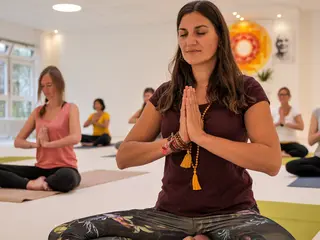
Silent retreats in Bavaria mean: alpine settings, old monasteries, clear daily structure. 10 programs spread across the alpine foothills, the Bavarian Forest, the Allgäu and the Munich area. Prices range from €240 to €1.490 euros for three to seven days. Vipassana weeks, Zen Sesshin, Christian contemplative exercises and secular mindfulness programs are the most common lines, usually with eight to twenty participants and vegetarian full board.

Discover Our Most Popular Offer

View all offers

New retreats straight to your inbox?

So you always stay up to date.

We take data protection very seriously. Further information
What makes silent retreats in Bavaria distinctive

What makes silent retreats in Bavaria distinctive

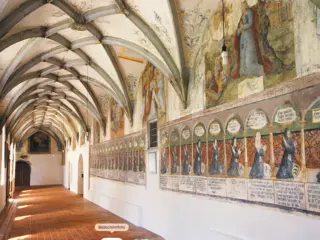
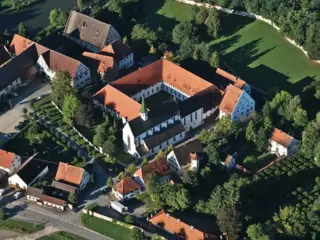
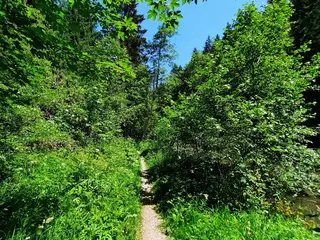
Within Germany, Bavaria is the region with the oldest and densest silent tradition. Three particularities shape the picture. The first is the connection to the monastery landscape. Houses such as Andechs, Ottobeuren or St Ottilien carry silent programs that come directly from the Benedictine tradition. Alongside, Buddhist houses have joined in the past thirty years, mainly in the Allgäu and the Bavarian Forest, with roots in Theravada, Zen or Tibetan Buddhism. The second particularity is the landscape. The alpine foothills with mountain views, the Bavarian Forest with its high-moor and woodland surfaces, the Allgäu with its pre-alpine character: each landscape gives the silent practice a different physical frame. The houses use this consciously, with walking meditation in the forest, with viewpoint spots for silent breaks, with clear path structures that are easy to find even in silence. The third particularity is group size. Bavarian silent houses often work with larger groups than their Austrian or Swiss counterparts, sometimes twenty to thirty participants. This has an advantage: the group carries through phases when an individual gets tired. It also has a condition: anyone needing one-to-one guidance should look at booking for smaller houses or explicit one-to-one offers.
The regions: alpine foothills, Bavarian Forest, Allgäu, Munich

The regions: alpine foothills, Bavarian Forest, Allgäu, Munich

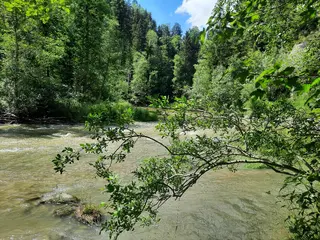
For silent travellers, Bavaria splits into four regions, each with a different character. The alpine foothills around Lake Ammer, Lake Starnberg and the Tegernsee and Schliersee area are the most accessible. Travel from Munich is short, the landscape opens onto the mountains, houses are usually well organised and have a clear guidance structure. The Bavarian Forest in eastern Bavaria is landscape-wise the quietest. Altitudes between six hundred and one thousand metres, fir forests, clear streams and barely any tourist frequency. Silent houses here are often small and organised in owner-run farms. Travel is somewhat longer (one and a half to two hours from Munich, easier from Passau), but the quiet is especially dense. The Allgäu in south-western Bavaria has alpine altitude, good travel from the south and a mix of Benedictine tradition (Ottobeuren) and newer Buddhist houses. Anyone wanting to combine mountains and silence is well placed here. The Munich area itself, including southern, northern and eastern Munich, offers city-near silent programs. This fits working people from Munich who want to take a weekend without a long journey. The experience differs from high-alpine settings because the city remains tangible, but the format works well for a first experience.
Which traditions Bavaria particularly carries

Which traditions Bavaria particularly carries

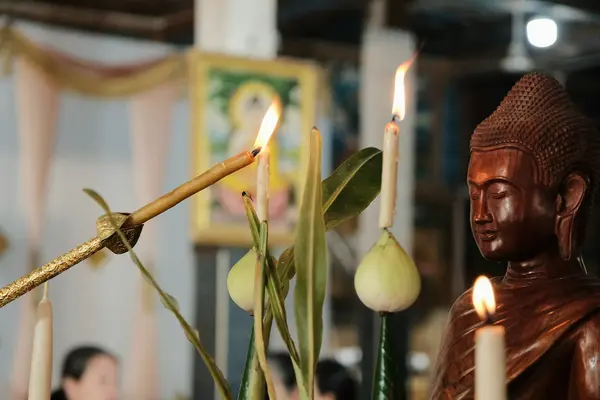
Three traditions carry the Bavarian silent offering. The first is the Christian contemplative line, especially in Benedictine and Franciscan houses. Here silent practice connects with a clear liturgical structure: canonical hours as time anchors, spiritual readings, silent phases between prayer times. This form fits particularly guests valuing a carrying structure and familiar with the Christian tradition. The second tradition is Vipassana in the Theravada line. Goenka centres and Vipassana houses in the line of Joseph Goldstein or Sharon Salzberg are more strongly represented in Bavaria than in most other German states. This form works with Anapana (breath awareness) and body scan and is secular, independent of faith background. The third tradition is Zen, in the Soto and Rinzai lines. Bavarian Zen houses are often small, led by teachers who have themselves trained long in Japan or with Japanese teachers. Sesshin weeks with intensive sitting practice typically last five to seven days and require some prior experience in sitting meditation. Alongside these three main lines there are secular mindfulness programs in the MBSR line and silent weekends for burn-out sufferers or people in transition phases, often accompanied therapeutically.
Travel, season and best time to visit

Travel, season and best time to visit

Bavaria is very well connected. Munich, Nuremberg and Augsburg are ICE hubs; from there most silent houses are reachable by regional train and short bus or taxi connection in one to two hours. The alpine foothills are reachable from Munich in under an hour. The Bavarian Forest is served via Plattling or Zwiesel. The Allgäu via Memmingen, Buchloe or Kempten. Anyone arriving by car finds parking directly at the farm at most houses. The silent season runs almost year-round. Peak times are April to October, with focal points in spring (May/June) and late summer (September/October). The summer months of July and August are more touristic in the monasteries and mountain regions, but silent houses are usually so off the beaten path that tourist frequency hardly disturbs the silence. Winter programs from December to March are a speciality of the Bavarian monasteries. The Advent and Christmas season, the period between the years, and Lent are classical time windows for silent weeks. Anyone coming in winter experiences a monastery atmosphere not findable in summer: shorter days, quieter houses, often snow at higher altitudes. Anyone valuing outdoor movement during the silent phase should choose the season accordingly: May and September are the friendliest time windows for walking meditation and hiking.

Frequently asked questions

Which region in Bavaria suits my first silent retreat?
For a first silent retreat, the alpine foothills in southern Bavaria are often the simplest choice. Travel from Munich is short, the landscape opens onto the mountains, houses are well organised and have a clear guidance structure. The Bavarian Forest is landscape-wise quieter and fits a second trip. The Allgäu combines alpine altitude with good accessibility from southern Germany. Munich-near programs are recommended for working people from the city who want a first silent weekend without a long journey.
How much does a silent retreat in Bavaria cost?
Prices currently range from €240 to €1.490 euros, with an average of around €677 euros for three to five days. Christian contemplative programs in monasteries sit in the lower range because no profit margin is included. Buddhist Vipassana courses in the Goenka line are often donation-based. Secular MBSR programs and Zen Sesshin sit in the middle range. Longer seven- to ten-day programs sit in the upper range because they carry guidance and catering throughout. Donations beyond the program fee are welcome in monasteries but not expected.
Do I have to take part in liturgical prayers if the house is Christian?
No. The canonical hours are an offer, not an obligation. Guests may attend all prayers; no one expects this. Anyone coming from inner distance to the church can limit themselves to taking meals together and going through their own program in the house's silence. Anyone wanting to experience the canonical hours as an element of the daily structure is warmly invited. Many guests report that shared prayer and singing, even without a personal faith background, has its own effect that contributes to the overall impression of the silent experience.
How long should my first silent retreat in Bavaria last?
Three days is a good entry length. That gives two full days in the silent structure without the first difficulties of silence becoming overwhelming. Anyone with prior meditation experience or a regular mindfulness practice benefits from five to seven days because the depth of practice usually only takes hold from day four. Ten-day Vipassana courses in the Goenka line are demanding and usually not the entry choice. Weekend silence from Friday evening to Sunday lunch is a good taster variant but gives only a short foretaste.
What happens if silence becomes too much for me?
Most Bavarian houses have a clear protocol for such moments. Every participant can request a conversation with the companion at any time, without stigma. In intensive programs such as Vipassana or Sesshin weeks, a short speaking phase with the teacher is usually scheduled daily. Anyone noticing tiredness, physical pain or inner tension becoming too much can adjust the program rhythm, for example replace a sitting unit with walking meditation. An early departure is always possible and not seen as failure. For acute psychological symptoms, a therapeutic pre-clarification should take place.
How does a Bavarian silent retreat differ from one in Austria?
Three differences shape the picture. First, Bavarian silent houses often have larger groups (twenty to thirty participants) while Austrian houses usually work with eight to sixteen. This makes the Bavarian group experience more carrying, the Austrian one more individual. Second, the Christian Benedictine tradition is denser in Bavaria, while Austria has stronger Buddhist and secular lines. Third, travel routes in Bavaria are often shorter because Munich, Nuremberg and Augsburg are dense ICE hubs. Which variant fits better depends on personal prior experience and the need for group or individual experience.