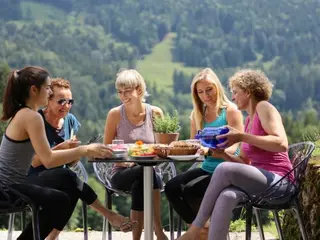

Hiking Holidays in Bavaria

Hiking holidays in Bavaria pair altitude with rest. Whether the Allgäu, Chiemgau, Berchtesgadener Land, Bavarian Forest or Franconian Switzerland — every region offers guided hiking weeks with daily stages, comfortable accommodation and quiet evenings at the hut or in the valley. 8 active programs, five to seven days as the typical duration, in small groups with certified guides.

Discover Our Most Popular Offer

View all offers

New retreats straight to your inbox?

So you always stay up to date.

We take data protection very seriously. Further information
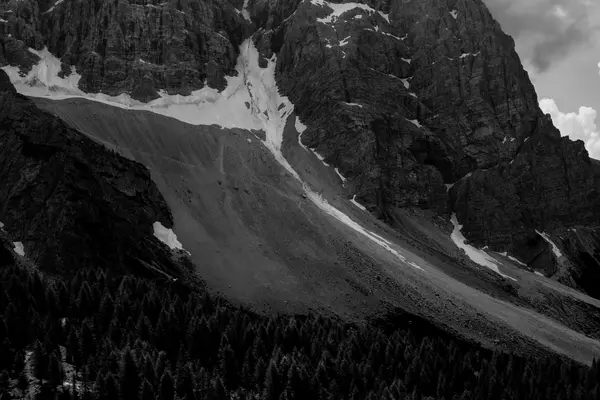
What sets a hiking holiday apart from a hiking trip

What sets a hiking holiday apart from a hiking trip

A hiking trip is a planned route you walk yourself. A hiking holiday is more than that. You book a week with a program: a fixed accommodation as a base or a hut-to-hut format, guided daily stages with experienced leadership, half or full board, often luggage transfer and small groups walking together. The difference lies in the frame that carries the hike: someone knows the paths, someone cooks dinner, someone brings the morning weather briefing. This works especially well for three groups. First for hiking enthusiasts who do not know a region and do not want to plan the stages themselves. Second for returners who are back in the mountains after years and want some guidance on pace and difficulty. Third for solo travellers who do not want to hike alone and look for a social frame in a group without first having to talk friends into joining. What you can expect in a Bavarian hiking holiday is a blend of effort and comfort. Daily stages run four to seven hours of walking time with five hundred to a thousand metres of altitude gain, depending on group and region. Accommodation ranges from simple mountain huts to family-run inns and hotels with a sauna in the valley. What all Bavarian programs share is the dense network of paths; the Alps, the Bavarian Forest and Franconian Switzerland offer so many marked routes that hardly any stage needs to be repeated.
Bavarian hiking regions compared

Bavarian hiking regions compared

Bavaria has five clearly recognisable hiking zones, each with its own character. The Allgäu is the most popular region and therefore offers the broadest choice of guided programs. From gentle hills around Sonthofen and mid-altitude trails around Oberstdorf to the high alpine routes on the Nebelhorn, every level is represented here. The paths are well marked, the huts are well staffed, and a program can shift day by day between meadow walks and serious mountaineering. The Chiemgau and Berchtesgadener Land in the southeast form the second main line. The terrain is more rugged, with steep climbs, mountain pines and lakes like the Königssee or the Hintersteiner Seen. Hiking here usually means moderate to demanding difficulty. The Berchtesgadener region suits hiking weeks with a clear ramp-up arc, because the stages can grow in difficulty step by step. The Bavarian Forest in the east is the calmest variant. Low mountains, vast continuous forests, fewer tourists than in the Alps, but an atmosphere of its own with bogs, old granite cliffs and nature parks. Franconian Switzerland in the north of Bavaria is the shortest, gentlest line, with rocky plateaus, castles and paths through meadow orchards. Which region fits you depends on experience and pace — Allgäu and Chiemgau for steeper stages, the Bavarian Forest and Franconian Switzerland for quieter, gentler weeks.
A day in a guided Bavarian hiking week

A day in a guided Bavarian hiking week

A typical day in a Bavarian hiking week starts early, often at six-thirty with breakfast, because the stage is set for the early morning. Bread, cheese, muesli, fresh coffee; in the mountain houses also bacon and eggs. The group meets at eight or eight-thirty, prepares lunch packets together — bread, cheese, an apple, a bar — a short briefing on the stage and the weather, then off. The stage itself runs in two or three phases. Ascent in the morning, longer midday break at an alpine pasture or hut, often with warm soup or a snack, descent or traverse in the afternoon. The guide watches pace and breaks, in the Alps there are regular drinking breaks every forty to fifty minutes, and the pace is set by the slowest participants. Four to seven hours of pure walking time is the usual duration, depending on ascent and weather. After returning to the lodging in the late afternoon, there is time to shower, put up the legs or stroll into the valley. Dinner in the group, often regional, in Bavaria gladly hearty, with vegetarian options available everywhere by now. After dinner a short briefing for the next day, then a free evening, in many houses also sauna or library. Most guests are in bed by ten or eleven, because the early start and physical effort take their toll. Across the week, a clear rhythm sets in that many guests count as part of the recovery.
Travel, season, gear and price

Travel, season, gear and price

Bavaria is well covered by rail for hiking holidays. For the Allgäu, Sonthofen, Oberstdorf, Immenstadt and Kempten are the anchor stations; for the Chiemgau, Prien am Chiemsee or directly Aschau im Chiemgau, around an hour from Munich. Berchtesgaden is the gateway to Berchtesgadener Land. For the Bavarian Forest, get off at Zwiesel, Bodenmais or Cham; for Franconian Switzerland, at Forchheim or Pegnitz. Many hosts pick up from the nearest station; a car is rarely needed on site, since guided tours start from the lodging. The seasons are clear. May through early October is high season for mountain hiking, with June to September as the core. In spring, watch out for residual snow at altitude, so many programs only start in mid-May. Late autumn often brings the most stable weather but is cooler and has shorter daylight. In the Bavarian Forest and Franconian Switzerland, weeks in April and October are also doable. Snowshoeing has its own winter offering, content-wise different from a classic hiking holiday. Prices in the Bavarian hiking offering typically sit between 700 and 1,500 euro for a guided hiking week with half board, luggage transfer and a small group. Weekend formats start at €349; weeks with hotel comfort and full board can reach €1.220. Across all 8 Bavarian programs, the average is €556. As for gear, you need ankle-high hiking boots, broken in and not freshly bought, weatherproof functional clothing in layers, a day pack with two to three litres of water capacity, sun protection, and in the Alps walking poles that many programs lend on request.

Frequently asked questions

Which region in Bavaria suits my first hiking holiday?
First-time guests are usually well placed in the Allgäu, because the choice of programs is broadest and difficulty can be calibrated tour by tour — from meadow paths around Sonthofen to a serious mountain tour on the Nebelhorn. For a quieter variant with less altitude gain, the Bavarian Forest or Franconian Switzerland fit better; stages are shorter, altitude differences are moderate, the crowds are thinner. The Chiemgau is more landscape-intense and works well for a second or third hiking week. Berchtesgadener Land asks for more mountain experience and is not the best first entry.
How much does a hiking week in Bavaria cost?
Across all 8 active Bavarian programs, the average is €556. A guided hiking week with half board, luggage transfer and a small group typically sits between 700 and 1,500 euro in the Bavarian offering. Weekend formats start at €349; weeks with hotel comfort and full board can reach €1.220. Drivers of price: hut versus hotel accommodation, full or half board, luggage transfer yes or no, group size, and whether guidance changes day to day or accompanies the full week. Travel and insurance are not included.
When is the best time for hiking in Bavaria?
May through early October is the high season for mountain hiking in Bavaria. June to September is the core, with long days, mild nights and stable trails. In spring, watch for residual snow at altitude, so many programs only start in mid-May. Late autumn from late September to mid-October often brings the most stable weather and the clearest distance views, but it is cooler and daylight is shorter. In the Bavarian Forest and Franconian Switzerland, weeks in April and October are also doable. Snowshoeing has its own winter offering, content-wise different from a classic hiking holiday.
How demanding are the stages in a guided hiking holiday?
Stages in a guided Bavarian hiking week typically run four to seven hours of pure walking time with five hundred to a thousand metres of altitude gain. What counts as easy, moderate or demanding depends on region and program. In Franconian Switzerland and the Bavarian Forest, many stages are under six hundred metres of climb. In the Allgäu and Chiemgau, easy and moderate days alternate. In Berchtesgadener Land, many stages are demanding, with over a thousand metres and steep sections. Most hosts state a difficulty grade per program. If unsure, ask specifically about the stage plan in advance; good hosts communicate this openly, because they prefer happy guests to overwhelmed ones.
What gear do I need to bring?
Ankle-high hiking boots, broken in and not freshly bought, are the most important item; blisters on day one are the most common mistake. Weatherproof functional clothing in layers, meaning base layer, mid layer, rain and wind jacket. A day pack of twenty to thirty litres with room for two to three litres of water, hat and sunglasses, sunscreen with a high SPF, a small first-aid kit. In the Alps, walking poles are highly recommended and many programs lend them on request. Hut overnighters also need a light hut sleeping bag liner and a microfibre towel. What you do not need: too much; anything you do not wear on one day, you carry uselessly on all the others.
What is typically included in the price of a Bavarian hiking week?
The standard price of a Bavarian hiking week usually covers accommodation in shared, double or single rooms, half or full board depending on the program, the guided daily stages and the leadership. Common add-on modules like a welcome and closing meeting, a lunch packet per stage, a regional intake briefing and occasional short hut snacks are included in most programs. What comes on top: single-room supplements, luggage transfer for hut-to-hut programs, cable-car rides, single entries to high-mountain railways and private inn stops. Travel and insurance are not included. Among the 8 Bavarian programs, the range from €349 to €1.220 is wide; a detailed comparison before booking pays off.