

Fasting hikes in Bavaria

Fasting hikes in Bavaria combine therapeutic fasting in the Buchinger tradition with daily stages through the Bavarian pre-alpine landscape. A typical schedule runs through the Allgäu, the Berchtesgadener Land or the Bavarian Forest, with three to five hours of walking per day, vegetable broth and herbal tea, liver massages and rest periods. Seven days is the usual format, with medical or alternative-practitioner supervision.

Discover Our Most Popular Offer

View all offers

New retreats straight to your inbox?

So you always stay up to date.

We take data protection very seriously. Further information

Why Bavaria works particularly well for fasting hikes

Why Bavaria works particularly well for fasting hikes

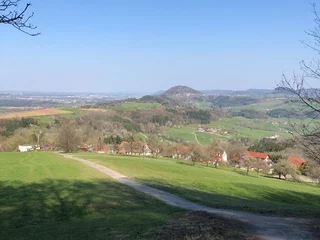
Bavaria offers three conditions that carry fasting hikes particularly well. First, the landscape. The Bavarian pre-alpine landscape with its soft chains of hills, alpine meadows, mountain lakes and forests is ideal for the daily stages of a fasting week. Gradients are moderate, paths well-signed, vistas wide. Classic fasting regions are the Allgäu with Bad Wörishofen and Oberstaufen, the Berchtesgadener Land with Ramsau and Berchtesgaden, the Tegernsee valley and the Chiemgau with Aschau and Bernau. Second, the medical tradition. Bavaria has a mature therapeutic fasting tradition that goes back to Sebastian Kneipp and his water therapy. Bad Wörishofen is the centre of this tradition, with numerous houses combining therapeutic fasting and Kneipp applications. This combination of fasting practice with water pours, wraps and contrast showers is a Bavarian specialty that other federal states do not share in this form. Third, the hut culture. Bavaria has one of Germany's densest hut networks. In fasting hikes the huts are not usually used for overnight stays because a central house with medical guidance forms the base. But as a destination or rest point at midday, alpine meadows and mountain huts work well, often with warm broth and tea. That gives daily stages a clear turning point and a calm pause atmosphere.
How a typical Bavarian fasting week is built

How a typical Bavarian fasting week is built

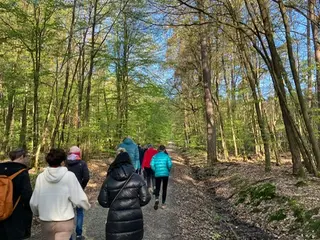
A Bavarian fasting hike week usually starts with two relief days before the actual fasting phase. During these days, food is gradually reduced, from light meals to fruit, then to broth and juice. On day three the actual Buchinger therapeutic fasting begins, with tea, water, vegetable broth and a small juice in the evening. The daily hiking stages run through the surrounding landscape, usually with three to five hours of walking and 200 to 500 metres of elevation gain. The stages are deliberately moderate. The body is in ketosis mode, drawing energy from fat reserves. During this phase intense sport is neither possible nor desired, but moderate hiking in nature supports the process because movement accelerates detoxification and stabilises mood. Breaks are scheduled regularly, a long midday stop at a quiet spot is part of the weekly structure. Afternoon and evening are reserved for rest. Liver massages, wraps, sauna or Kneipp applications round out the program. On day six or seven the fast is broken with an apple or a light vegetable soup, followed by two rebuilding days with a gradual return. Anyone returning too quickly to pre-fast eating loses much of the effect. Good houses provide a clear rebuilding plan for the following two to three weeks.
Which Bavarian regions suit fasting hikes most

Which Bavarian regions suit fasting hikes most

Three Bavarian regions carry most fasting hike programs. The Allgäu with Bad Wörishofen is the historic home of this practice, shaped by Sebastian Kneipp and his water therapy. The landscape between Oberstaufen, Immenstadt and Bad Hindelang is gentle, with wide meadows, calm alpine pastures and well-signed hiking paths. Many houses here closely combine fasting and Kneipp. The Berchtesgadener Land in the far southeast is the second region, with the more dramatic mountain backdrop around the Watzmann, Königssee and Hintersee. Hiking stages are more varied here, hut density high, and the atmosphere is clearly nature-led thanks to the Berchtesgaden National Park. Anyone weighting landscape charm higher than the Kneipp tradition is well-served here. The Tegernsee valley and the Chiemgau form the third region. The Tegernsee valley sits close to Munich and is well reachable by train. The Chiemgau between Aschau, Bernau and Reit im Winkl is more open in character, with Lake Chiemsee at the centre. Both regions hold a number of active houses that offer fasting hikes as part of a broader active holiday program, often combined with wellness, yoga or breathwork.
What to watch when choosing a fasting hike program

What to watch when choosing a fasting hike program

Three points make the difference. First, the medical supervision. A good fasting hike week has medical or certified alternative-practitioner supervision with an intake examination on the arrival day. For chronic illness, regular medication, low blood pressure, diabetes or pregnancy, therapeutic fasting without medical clearance is not possible. Anyone with one of these topics should speak with their GP or a fasting clinic in advance and clarify suitability. Second, the hiking component. Some programs are designed as pure fasting with small walks, others as ambitious fasting hikes with five to seven hours of daily walking. The second variant requires honest baseline fitness and is noticeably demanding during the fast. Anyone coming from a quiet life phase is better off starting with a moderate format. Asking about daily kilometres and elevation gain is legitimate and important. Third, the rebuilding plan. What happens after the week decisively affects whether the effect lasts. Good Bavarian houses provide a written rebuilding plan for the two to three weeks after going home, with concrete recommendations for light meals, gradual portion increase and a suggested repetition frequency of one to two therapeutic fasting weeks per year. Programs that stop guidance after the last rebuilding day often give back half of the effect.

Frequently asked questions

What are fasting hikes and how do they work?
Fasting hikes combine Buchinger therapeutic fasting with daily hiking stages. In therapeutic fasting, solid food is left out completely for seven to ten days; the body switches to ketosis and draws energy from fat reserves. The complementary hiking supports this process on three levels: it accelerates detoxification through circulation, stabilises mood through movement in nature and makes it easier to pass the fasting phase without strong hunger. Many participants report a clear feeling of lightness, mental clarity and improved sleep from day three or four onwards. The catalogue currently lists 3 fasting hike programs in Bavaria.
What fitness do I need for fasting hikes in Bavaria?
A moderate baseline condition is enough. Daily stages usually run three to five hours with 200 to 500 metres of elevation, manageable for people who regularly walk at home or do light exercise. During fasting, physical capacity is somewhat reduced because the body draws less energy from food. The pace is therefore noticeably calmer than on a normal hike. Anyone who has been very sedentary in recent months should walk regularly for two to three weeks before arrival, which makes the first days noticeably easier. Across the 3 Bavarian fasting programs in the catalogue, the hiking level is marked in the description.
How much does a fasting hike program in Bavaria cost?
A seven-day fasting hike week in Bavaria mostly costs between 850 and 1,600 euro per person, depending on room category, medical supervision and the scope of accompanying treatments. Classic houses in the Allgäu and Berchtesgadener Land with half board and three to five guided stages start around 900 euro. Programs with daily medical supervision, single rooms and extensive Kneipp applications can run from 1,800 to 2,500 euro. Across the 3 Bavarian fasting programs in the catalogue, the range runs from €624 to €1.386, averaging €1.005. Some costs can be partly invoiced as a preventive measure through health insurance or as a health-promotion benefit, depending on the provider.
When is the best time of year for fasting hikes in Bavaria?
The classic seasons are spring and autumn. Spring from April to June fits because the body welcomes relief after the heavier winter months and the pre-alpine landscape stands in full bloom. Autumn from September to October is the second main season, with clear air, mild temperatures and a calm, clear atmosphere before winter. In summer from July to mid-August, fasting hikes at lower altitudes are demanding because of heat, but well possible in the higher alpine meadows. Winter programs are rare; some houses offer therapeutic fasting with snowshoe hikes or a sauna focus. The catalogue currently lists 3 fasting hike programs in Bavaria, with focus on April to June and September to October.
Which side effects are normal during the fast?
During the first two or three days, headaches, mild fatigue, sometimes irritability and a slight drop in energy are common. This so-called adjustment phase is normal and temporary; it reflects the body's switch to ketosis mode, drawing energy from fat reserves. From day three or four these symptoms usually subside, and a clear sense of mental clarity and lightness sets in. Lasting problems such as a strong blood pressure drop, circulatory issues or unusual weakness should be discussed with the house lead. The catalogue currently lists 3 Bavarian fasting hike programs, all with medical or alternative-practitioner supervision that structurally catches exactly this phase.
How do I travel to Bavaria for a fasting hike program?
Bavaria is well accessible by train and car from the entire German-speaking area. By train, main routes pass through Munich as the central hub, then regional trains to the Allgäu via Bad Wörishofen, Sonthofen or Oberstaufen, to the Berchtesgadener Land via Freilassing, to the Chiemgau via Prien am Chiemsee or to the Tegernsee valley directly with the Tegernsee railway. By car, most houses are reachable from Munich in one to two hours, from Stuttgart in three to four, by train from Hamburg in six to seven. Most fasting hike houses offer transfers from the nearest train station. The catalogue currently lists 3 programs in Bavaria.