Dark Retreat February 2026

Dark Retreat is a great change from a regular vacation.
Here are great offers that take place February 2026.

Discover Our Most Popular Offer

View all offers

New retreats straight to your inbox?

So you always stay up to date.

We take data protection very seriously. Further information
What a dark retreat is and where it comes from

What a dark retreat is and where it comes from

A dark retreat is a stay of three to seven days in a completely darkened room. No daylight, no artificial lighting, no screens. The eyes rest, the visual sense falls away, the nervous system is guided to a different level of perception. What sounds like a hard experience is described by many participants as one of the quietest phases of their life. The tradition reaches far back. In Tibetan Buddhist practice the dark-retreat exercise (called Bardo practice) has been part of advanced training for centuries. In the western context the format gained new attention from the 1980s onwards, first via providers in Switzerland and the United States, later via small houses in the German-speaking area offering the concept as a secular mindfulness format. What happens in the dark is physiologically interesting. After about twenty-four to twenty-eight hours of complete darkness, the body begins to release more melatonin, sleep becomes deeper, dreams become more vivid. Some participants experience inner images in the second or third night that resemble waking imagination. Important: a dark retreat is not sensory deprivation in the clinical sense but a guided experience with clear safety structure, regular catering, and a companion available for conversations.
How a day in a dark retreat unfolds

How a day in a dark retreat unfolds

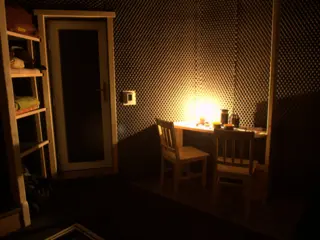
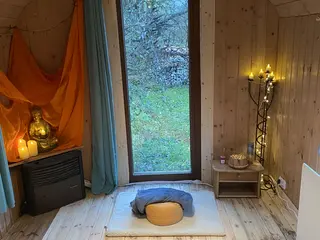
The day in a dark retreat is structured differently from any other retreat day. The most important structure is the meal sequence. Three meals a day are brought into the room by the staff, usually at fixed times. Companions wear sound-dampening shoes and speak quietly or not at all. Meals are simple and vegetarian, often with clear soups, plain bread and tea. Between meals, each participant shapes the time themselves. Some meditate on a sitting cushion, others rest in bed, still others move carefully through the room, stretch, do breath exercises. Important: the room is prepared so that all functions (bed, sitting cushion, toilet, drinking water station) are reachable by touch. There are no tripping hazards. A call option, often a bell, connects to the companion. Conversations with the companion are possible but deliberately sparing. One or two short check-ins per day are usual, in which the companion briefly asks at the door how it is going. If needed, longer conversations follow. The sleep-wake rhythm often dissolves: many participants sleep more than usual, others sleep in several short phases instead of one long night. This dissolution is intended and part of the effect.
What characterises the effect of a dark retreat

What characterises the effect of a dark retreat

The effect of a dark retreat is described by participants in three layers. The first layer is physical: deep sleep, often the feeling of catching up on years of exhaustion in a few days. The nervous system winds down, the stress level drops noticeably. This effect is well documented and for most participants the most tangible benefit. The second layer is psychological. In darkness, one's own thought patterns become more audible because no external stimulus flood overwrites them. Some participants experience this as unusually intense and need conversations with the companion to sort through the experience. Anyone with a therapeutic or meditative practice often finds a deepening of the familiar in the dark experience. The third layer is hard to describe but often mentioned: a different relationship with perception itself. What perception is, how it works, where inside and outside run, becomes experienceable differently in the dark than in everyday life. This experience barely fits into words, but for many participants it carries a quiet clarity into the weeks after the retreat. What a dark retreat is not: a wellness format, a trance experience, or a spiritual enlightenment promise. It is a plain, clear experience with one basic condition: the absence of light.
Who a dark retreat fits and who it does not

Who a dark retreat fits and who it does not

A dark retreat is not for everyone. Three prerequisites belong to it. The first is a stable psychological condition: no acute depression, no panic disorder, no psychosis history. Darkness can amplify one's own inner patterns, which feels relieving in stable condition and burdensome in an unstable phase. Serious providers conduct a pre-booking conversation in which this question is clarified. The second prerequisite is some prior experience with silence or mindfulness. Anyone who has never meditated can experience a dark retreat as very overwhelming. A silent weekend or a first mindfulness weekend beforehand is a sensible pre-stage. Anyone who meditates regularly or has a therapeutic practice usually copes well with the dark experience. The third prerequisite is openness for the specific form. Some people react to darkness with claustrophobia or anxiety. This is legitimate and no failure. A trial stay of one night or a day in a half-darkened room helps to assess your own reaction. For whom it fits particularly well: people with high perceptual tempo, much screen work, chronic over-tiredness, or practitioners wanting to deepen their mindfulness practice. Three to five days are the usual entry length, a week is the advanced variant.

Frequently asked questions

What is a Dark Retreat?
A Dark Retreat is a profound withdrawal experience in which you spend several days in complete darkness. Without any light exposure, body and mind come to rest, the senses sharpen, and deep meditative states can be reached more easily. This practice has roots in various spiritual traditions, including Tibetan Buddhism and Taoism. At Retreat Urlaub, you'll currently find 3 Dark Retreat offerings.
How long should my first dark retreat last?
Three days is a good entry length. That gives two full days in the dark, without the more intense phases starting from day three or four. Anyone with prior experience in meditation or silence can also choose five days; this is the most common choice among experienced participants. Seven or ten days is the advanced variant and usually intended for a second or third dark experience. Some providers offer trial nights or half-day formats with which you can test your own reaction before committing to a multi-day stay.
How long does a Dark Retreat typically last?
Dark Retreats vary in duration. For beginners, shorter formats of 1 to 3 days are recommended to gently adjust to complete darkness. More experienced participants often choose retreats of 5 to 7 days or even longer. Among our 3 retreat offerings, you'll find various durations so you can choose the format that suits you best.
How much does a dark retreat cost?
Prices currently range from €190 to €980 euros, with an average of around €639 euros for three to five days. Dark retreats are on average more expensive than silent retreats because they require individual rooms with elaborate darkening and a companion can support only one or two guests at a time. A week in a professional facility sits in the upper range. Most programs include full board, the darkened room and guidance. Surcharges typically apply for individual arrival or departure times and for additional guidance conversations outside the standard rhythm.
How much does a Dark Retreat cost?
Prices for a Dark Retreat vary depending on duration, location, and level of guidance provided. At Retreat Urlaub, prices range from €190 to €980, with an average price of €639. Typically, accommodation, meals, and guidance from experienced facilitators are included in the price.
What happens to sleep in a dark retreat?
The sleep-wake rhythm usually partly dissolves after the first day in the dark. Many participants sleep significantly more than usual in the first two days, often twelve to fourteen hours per day, in several phases. Sleep depth increases, dreams become more vivid. From day three the rhythm often stabilises in a new pattern: shorter sleep phases, several per day, with waking phases full of clarity. This dissolution is intended. Anyone with a specific sleep disorder or regularly taking sleep medication should discuss this with the companion before booking.
Is a Dark Retreat suitable for beginners?
Yes, many Dark Retreats are suitable for beginners – provided you feel emotionally stable and are ready to embrace an intensive inner experience. Many providers offer special beginner formats with shorter durations and closer guidance. We recommend speaking with the respective organizer beforehand and clarifying any health concerns. Browse our 3 offerings and filter for beginner-friendly retreats.
Is a dark retreat suitable for people with claustrophobia?
With pronounced claustrophobia, a dark retreat is not a good choice. Although the room usually has normal room size and is neither narrow nor closed, the loss of visual orientation can trigger anxiety reactions in claustrophobic people. Anyone unsure can book a trial night with the provider or try a half-day phase in a darkened room. With mild forms of feeling enclosed, it often helps that most houses provide an open door or short access to a second room, allowing a small movement option even in the dark. Serious providers discuss this in the pre-booking conversation.
What does daily life look like during a Dark Retreat?
During a Dark Retreat, you spend the entire time in a completely darkened room. Meals are usually delivered directly to your room. The daily routine is intentionally calm and may include meditations, breathing exercises, or simply quiet being. You typically have access to a private bathroom within the dark room. Experienced facilitators are available at all times via an intercom or at scheduled check-ins to support you.
How does a dark retreat differ from a silent retreat?
Both formats work with reduction but on different senses. A silent retreat reduces speaking and thereby the social interaction field. Seeing, reading, moving stay possible. A dark retreat reduces seeing and thereby the visual perception field. Speaking would be possible but is also reduced in most programs. The effects differ: silence tends towards clear observation of one's own thoughts and feelings, darkness tends towards physical deep rest and a change in the perception structure. Anyone wanting to try both typically begins with silence and later moves to darkness, because darkness is the more intense experience.
What are the benefits of a Dark Retreat?
A Dark Retreat offers numerous potential benefits: The complete absence of light promotes the release of melatonin and can lead to deep regeneration. Many participants report increased clarity, profound insights, emotional release, and a deep sense of inner peace. The darkness can help you let go of external stimuli, calm the mind, and find an authentic connection with yourself.
Where are dark retreats offered in the German-speaking area?
In the German-speaking area only a few houses offer dark retreats. Switzerland and southern Germany are the most common locations. The houses are usually small, often only one to four places in parallel, because each guest needs their own fully darkened room. A companion is always additionally needed. Because of the limited places, waiting lists are often several months long. Anyone seeking a dark retreat should inquire early and join multiple providers' waiting lists in parallel. Some providers run a pre-conversation of thirty to sixty minutes in which psychological condition, prior experience and personal goals are clarified before a date is given.
Are there any health requirements or contraindications?
A Dark Retreat is an intensive experience that requires a certain level of psychological stability. People with severe mental health conditions such as psychosis, severe depression, anxiety disorders, or claustrophobia should definitely consult a doctor or therapist beforehand. Medical advice is also recommended if you are taking certain medications. The providers on Retreat Urlaub are happy to offer a preliminary conversation to determine together whether a Dark Retreat is suitable for you.
How do I prepare for a Dark Retreat?
Good preparation can significantly enhance your Dark Retreat experience. It's recommended to meditate regularly in the weeks leading up to the retreat, gradually reduce media and digital device consumption, and familiarize yourself with mindfulness practices. Some providers also suggest abstaining from caffeine and alcohol before the retreat. Browse our 3 offerings – many organizers will send you detailed preparation information in advance.