Fasting hike February 2026

Fasting hike is a great change from a regular vacation.
Here are great offers that take place February 2026.
Discover Our Most Popular Offer

View all offers

New retreats straight to your inbox?

So you always stay up to date.

We take data protection very seriously. Further information
What fasting hikes mean

What fasting hikes mean

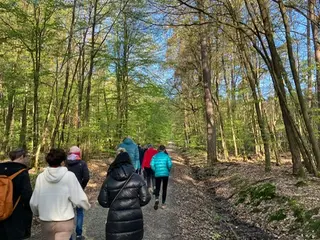
Fasting hikes combine two practices that have each been established for decades on their own. On one side, Buchinger fasting, developed by Otto Buchinger in the early 20th century. On the other side, guided hiking in a small group. The combination is more than the sum of its parts, because the movement carries the fast more easily and the fast turns the hiking day into a more deliberate experience. Your daily rhythm is calm and clearly structured. In the morning you start with a warm fasting drink, often a cup of tea with a little honey or a diluted juice. Then comes the main walk, usually three to five hours at a moderate pace, with breaks at viewpoints and a quiet midday rest. At noon you receive a small bowl of vegetable broth, plus plenty of still water and herbal tea. The afternoon is for rest, reading, a massage or a sauna round, depending on the house and the day. In the evening you have broth again or a diluted fresh juice. The weeks classically start with one or two preparation days on which you eat light rice meals or fruit, followed by four to five pure fasting days and one or two build-up days at the end with slowly returning solid food. These phases are part of the method, because your body should not be loaded abruptly after the fast. You do not go home hungry, you go home settled.
Where fasting hikes take place

Where fasting hikes take place

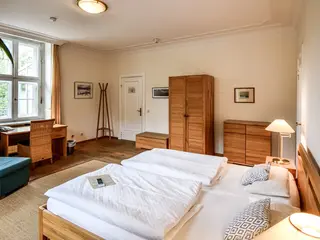
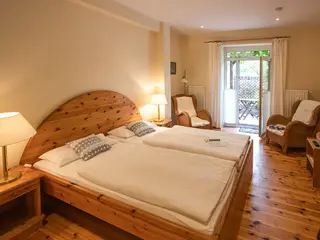
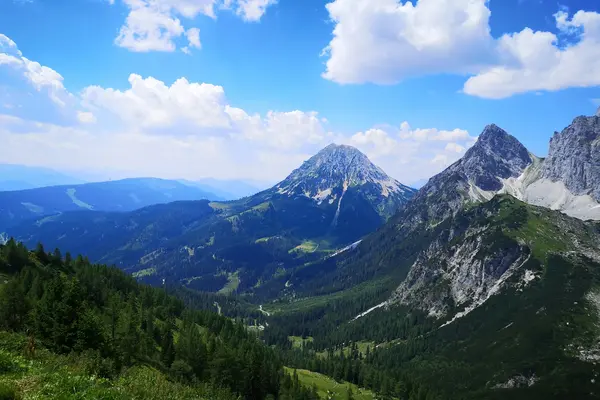
Fasting hikes thrive on a calm, hilly landscape with well marked trails, fresh air and forests that comfortably yield three to five hour day legs without pushing you into real high alpine demands. That is exactly why the German low mountain ranges are the heartland of these weeks. In the Black Forest, with its gentle valleys around Freudenstadt, Hinterzarten and the Hochschwarzwald plateau, you find a broad selection of weeks, often in spring and autumn. The Allgäu in southern Bavaria offers similar conditions with a foothill character and many simple hiking guesthouses. The Eifel and the neighbouring Westerwald in Rhineland-Palatinate form a further focus, with volcanic cone routes and quiet monastery landscapes. In the Harz mountains, around Clausthal-Zellerfeld and Goslar, weeks run in a forested low mountain region with well marked ridge paths. The Bavarian Forest rounds out the picture in the south-east with dense woods and quiet valleys reaching to the Czech border. Smaller venues sit in the Rhön between Hesse and Bavaria, in the Fränkische Schweiz north of Bamberg, in the Brandenburg Hoher Fläming or on the Lüneburger Heide. If you prefer Mediterranean weather you can also pick weeks on Mallorca or the Canary Islands; that is a smaller share of the range and usually bookable in winter. Lodgings are deliberately simple. You stay mostly in small guesthouses, hiking lodges or modest country inns with a breakfast room, a shared dining area and a quiet lounge for reading and journaling. Premium wellness hotels are rarely the frame for a fasting hiking week.
Fasting methods in the programme

Fasting methods in the programme

When you compare fasting hike weeks, you keep reading about different methods. In practice most weeks work with one of three clearly established lines, with a few milder variants on top for newcomers. Buchinger fasting is the main method. You take in roughly 250 kilocalories per day from vegetable broth, diluted fresh juices and a touch of honey in tea. There is no solid food during the actual fasting days. This method is the most widely trained in Germany and is led by certified fasting leaders, with some weeks additionally supervised by a doctor. Buchinger is the classic choice for a hiking group, because the small energy supply from broth and juice carries the daily route well. Juice fasting is the second line. You drink exclusively freshly pressed or gently extracted juices from fruit and vegetables, plus water and tea. The energy intake is slightly higher than with Buchinger and the taste is more intense, which makes the start easier for some. In hiking weeks, juice fasting is often offered when the daily legs run longer or when the group is mixed between first-time and returning fasters. Basenfasten, alkaline fasting, is the mildest variant and is aimed mainly at first-time fasters or people who do not want to give up solid food completely. You eat vegetables, salads, fruit and smoothies from purely alkaline sources and avoid acid-forming foods such as meat, grain and sugar. This method works particularly well with hiking, because you have enough energy for long legs while still relieving the metabolism. Which line fits you depends on your experience and your physical condition. Talk to the host before booking about prior fasting experience, medication and your level of hiking practice.
Best time to travel and who the format suits

Best time to travel and who the format suits

The strongest travel season for fasting hikes is spring and autumn. In spring, roughly from early April to mid June, the days are longer, the low mountains stand in fresh green and daytime temperatures sit mostly between 12 and 22 degrees. That is a comfortable range for a fasting group, because you neither sweat nor freeze while walking, both of which happen faster during a fast than usual. In autumn, from mid September to late October, you get clear views, quiet forests and stable weather, often with morning fog in the valley and sun on the ridge. Summer is possible, but hotter days call for early starts and strict drinking discipline. Winter is rarer in the catalogue; a few weeks run around Christmas or in January as a deliberate annual reset, mostly at venues with milder climate. Who the format suits: you are healthy and physically stable, you can hike three to five hours at a moderate pace and you want to set a deliberate pause from daily life for one week. If you have fasted before, you know the rhythm and the typical reactions on the second and third day. First-time fasters are explicitly welcome in most weeks, because a trained fasting leader carries you through the first days. The format is not suitable during pregnancy, while breastfeeding, with marked underweight, with a history of eating disorders, with acute infections or with serious heart or kidney conditions. If you take regular medication, for example for high blood pressure, diabetes or thyroid conditions, clarify with your family doctor before booking whether and how you can fast.

Frequently asked questions

What is a fasting hike retreat?
A fasting hike retreat combines therapeutic fasting with daily walks in nature. While abstaining from solid food for several days – usually accompanied by broths, juices, and herbal teas – you go on easy to moderate hikes. The outdoor exercise supports your body's detoxification process, boosts metabolism, and provides an immersive nature experience. On Retreat Urlaub, you'll currently find 13 fasting hike offerings.
How much does a fasting hike week cost?
Across the 13 fasting hike programmes, the average sits around €1.096 euros for a typical week including full provision in the sense of tea, broth and juice, guided day routes and fasting leadership. The range runs from €490 euros for shorter weekend or three-day formats in simple guesthouses up to €1.600 euros for longer weeks with single rooms, wellness applications or international weeks. What mainly drives the price is the room category and the location. The middle bracket carries the bulk of bookings, meaning houses with double or shared rooms, simple half board during the build-up and preparation days and a fixed hiking schedule. Travel and insurance are usually not included in the prices.
Who is a fasting hike retreat suitable for?
Fasting hike retreats are suitable for healthy adults who want to give their body a reset, boost their metabolism, or recharge their energy. Prior experience with fasting or hiking is usually not required, as the retreats are professionally guided. If you have chronic health conditions, are pregnant, or take regular medication, you should consult your doctor beforehand. Most providers conduct a preliminary consultation before the retreat to make sure the program is right for you.
When is the best time of year for fasting hikes?
Spring and autumn are the strongest seasons. In spring, from early April to mid June, you have long days, fresh green in the low mountain ranges and temperatures that carry hiking comfortably during a fasting week. In autumn, from mid September to late October, you get clear views, stable weather and quiet forests. Summer works with early starts and strict drinking, because your body reacts more sensitively to heat during a fast. Winter shows up only occasionally, often as an annual reset around Christmas or in January at warmer venues like Mallorca or the Canary Islands. If you are flexible, May, June and September are the calmest and most weather-reliable weeks.
How much does a fasting hike retreat cost?
Prices for fasting hike retreats vary depending on duration, accommodation, and level of guidance. On Retreat Urlaub, prices range from €490 to €1.600, with an average price of around €1.096. Typically, accommodation, fasting supervision, guided hikes, and complementary activities such as yoga or meditation are included in the price.
What should you bring on a fasting hike?
The packing list is short, but on one point it is non-negotiable: well broken-in hiking shoes with proper tread. Brand-new shoes straight out of the box are a bad idea, because your feet are more prone to blisters during a fasting week. Add weatherproof hiking clothing in layers, a light rain jacket, a hat and gloves for cool mornings, sunglasses and sun protection. A personal water bottle of at least one litre, ideally stainless steel, is mandatory; many hosts recommend two. A small headlamp or torch is useful for the lounge area in the evening. On the fasting side, bring your own mug for tea and broth, a light scarf or shawl for cool days and comfortable indoor clothing. Tea and broth are provided by the host; sometimes it is nice to bring your own favourite blend. Keep valuables and electronics deliberately to a minimum, because the weeks are designed without constant screen time.
How long does a typical fasting hike retreat last?
Most fasting hike retreats last between 5 and 10 days. This period usually includes one or two preparation days at the beginning, the actual fasting days with daily hikes, and rebuilding days at the end when food is gradually reintroduced. Beginners often choose shorter retreats of about 5 to 7 days, while experienced fasters may opt for longer programs.
How physically demanding is a fasting hike week?
The typical daily leg runs ten to fifteen kilometres with 200 to 500 metres of altitude gain, walked at a noticeably slower pace than you would expect from regular hiking. That is well doable with average baseline fitness. What you feel is not the distance but the first or second fasting day, when your body shifts its metabolism. During this phase you often feel a little heavy, sometimes cool, occasionally mildly euphoric. A trained hiking and fasting leader adapts the pace to the group, builds in breaks and offers alternatives for days when you prefer to walk shorter or stay back entirely. If you walk regularly and climb stairs without getting out of breath, you are well prepared. Anyone starting fully untrained or with knee issues should talk to the host before booking and possibly pick a programme with shorter legs.
Which fasting methods are used during fasting hike retreats?
The most common method used during fasting hike retreats is Buchinger fasting, where you consume vegetable broth, juices, herbal teas, and water. Other retreats offer alkaline fasting with light alkaline meals, intermittent fasting, or Schroth cure variations. Many providers complement the fast with intestinal care, liver wraps, and relaxation exercises. You'll find detailed information about each method in the individual retreat descriptions on Retreat Urlaub.
Do you need prior fasting experience to take part?
No, prior experience is not required. A large share of the weeks is explicitly designed for first-time fasters too, because a trained fasting leader explains the process, carries you through the first days and responds to typical reactions like cold hands, head pressure or mood swings. If you have never fasted before, a guided hiking group is often the better entry than a solo attempt at home, because the daily rhythm, the fixed group and the guided routes give you support. It helps to reduce coffee, alcohol and sugar already in the two weeks before arrival, and to eat light meals in the last days, meaning rice, vegetables, soups and little bread. That way you ease into the preparation days. If you take regular medication or have a chronic condition, talk to your doctor before booking and disclose it on the host's registration form as well.
How strenuous are the hikes during a fasting hike retreat?
The hikes during a fasting hike retreat are usually moderate and adapted to participants' fitness levels. Typically, you walk between 8 and 15 kilometers per day on easy to intermediate trails. The pace is deliberately gentle, as your body has less energy available during fasting. Hike leaders make sure no one is overexerted, and there are usually different route options for varying fitness levels.
Can a fasting hike week combine Buchinger and juice fasting?
Yes, both methods can be combined within one week or run separately. In practice many weeks use Buchinger as the base structure and bring in juice variants on days when a leg runs longer or when a participant needs a gentler entry. Pure juice fasting weeks are less common but can be found deliberately, mostly in the Black Forest and the Allgäu. What you should know: Buchinger and juice fasting do not differ in their basic structure but in the ratio of broth to juice. Buchinger relies on a small bowl of vegetable broth at lunch and a diluted fresh juice in the evening. Juice fasting largely replaces the broth with juices, which slightly raises the daily energy and adds variety in taste. Which variant fits you is settled with the fasting leader on the first evening, often based on your experience and your daily form.
Where do fasting hike retreats take place?
Fasting hike retreats take place in scenic locations – from Germany's low mountain ranges and Baltic Sea coast to the Alpine regions of Austria and Switzerland, as well as Mediterranean destinations like Mallorca or Tuscany. The choice of location depends on your preferences: some prefer mountains and forests, others the sea. On Retreat Urlaub, you can browse 13 offerings to find the perfect destination for your fasting hike experience.
What happens if you hit a fasting crisis?
A fasting crisis is a familiar point in the process, often on the second or third day, sometimes later. You suddenly feel exhausted, cold, with head pressure, mild nausea or an emotional dip. That is usually not an emergency but the moment when your metabolism switches to internal energy supply. The trained fasting leader is there exactly for this point. You speak up, you walk shorter or not at all, you receive an extra warm broth, a hot tea, a hot water bottle and rest. In many weeks a clear lift follows the crisis, with a clearer mood, light legs and stable sleep. If the symptoms turn serious, with circulatory issues, dizziness with risk of falling, ongoing vomiting or chest pain, the hiking leader will stop and call in a doctor if needed. Speak up about changes early, because a small adjustment in the morning is often enough to let you join the afternoon again well.
How should I prepare for a fasting hike retreat?
Good preparation significantly increases the success of your fasting hike experience. In the days leading up to the retreat, gradually adjust your diet: reduce coffee, alcohol, sugar, and heavy meals, and focus instead on light foods such as vegetables, fruits, and whole grains. Many retreat providers will send you a detailed preparation plan in advance. It's also a good idea to take regular walks before the retreat so your body is used to physical activity. Pack comfortable hiking shoes, weather-appropriate clothing, and a water bottle.