Retreat Urlaub - Urlaubsangebote für Körper, Geist und Seele.
221 curated retreats 4.8 (343 reviews) from €92

Discover Our Most Popular Offer

View all offers

New retreats straight to your inbox?

So you always stay up to date.

We take data protection very seriously. Further information

Frequently asked questions

Why is Germany a good destination for a yoga retreat?
Germany offers a diverse retreat landscape – from the North Sea coast through the Bavarian Forest to the Alps. Short travel distances, no language barrier, and a wide selection of retreat centers make it particularly attractive. At Retreat Vacation you'll currently find 221 yoga retreats in Germany.
How much does a yoga retreat in Germany cost?
The price of a yoga retreat in Germany depends mainly on duration, region, and house format. An extended weekend with three nights typically runs between 350 and 700 euro including accommodation, vegetarian full board, and all yoga sessions. Five to seven days in an Alpine or Black Forest house usually sits between 700 and 1,500 euro. Single-room surcharges, a station shuttle, and individual treatments such as massage or Ayurveda sessions are added depending on the house. Almost always included are all yoga and meditation sessions, a quiet daily rhythm, and full board; not included are travel to and from the venue, alcoholic drinks, and individual extras. Per night, a weekend format is usually a little more expensive than a full week, but no holiday week needs to be blocked off.
How much does a yoga retreat in Germany cost?
Yoga retreat prices in Germany range from €92 to €5.500, with an average of €654. Weekend retreats in rural areas tend to be more affordable, while longer stays at premium locations are at the higher end. Accommodation and meals are usually included.
When is the best time to travel for a yoga retreat in Germany?
A yoga retreat in Germany works year-round, with clear seasonal preferences by region. May to September is the high-season window for the Alps, the low mountain ranges, and the coasts. In the Allgaeu, Upper Bavaria, and the Black Forest these are the long practice days with hikes between yoga sessions. June to August suits Baltic and North Sea weekends with morning yoga and walks on the beach. Late summer and autumn (September to early November) carry a calmer mood with cooler nights and golden beech forests, especially in the Rhoen, Harz, and Vogelsberg. In winter the practice turns inward: Yin Yoga, breath work, and sound bowls in houses with tiled stoves become the main booking, often as an advent weekend or year-end retreat between Christmas and New Year. May, June, and September sell out fastest.
When is the best time for a yoga retreat in Germany?
Yoga retreats in Germany are available year-round. The summer months (May–September) are especially suited for retreats with outdoor yoga and nature experiences. Autumn and winter offer a special atmosphere for introspective formats with meditation, silence, and retreat.
Which region in Germany suits a first yoga retreat?
For a first yoga retreat in Germany, the Allgaeu, the Black Forest, and the Lueneburg Heath are the easiest entry points. Travel is short, the houses work with gentle Hatha and Yin lines, and the daily rhythm leaves room for hiking, reading, and rest. If you are unsure whether the format suits you, start with an extended weekend of three nights. Mid-mountain regions like the Rhoen, Harz, Vogelsberg, and Eifel are quieter alternatives with less tourism flow, well suited for first-timers from the Rhine-Main or Rhine-Ruhr area. Alpine addresses in Upper Bavaria and the Allgaeu are landscape-wise more intense and fit if you want hiking as a central part of the programme. Baltic and North Sea addresses are the weather-tested variant with much wind, much sky, and a calm wave line as background.
Which regions in Germany offer the most yoga retreats?
Popular regions for yoga retreats include Bavaria (Allgäu, Chiemgau), the Baltic and North Sea coasts, the Black Forest, the Eifel, and Brandenburg near Berlin. Each region has its own character – from mountain panoramas to ocean waves.
Which yoga styles are common in Germany?
Hatha Yoga is the most common style in German retreat programmes, with long holds, clear cues on breath and alignment, and a daily structure that leaves room between sessions. Vinyasa as a breath-led flowing practice is the second pillar, often in a calmer variant than the US studio form. Yin Yoga with floor work and long durations has gained ground in recent years, especially in the Black Forest, in the low mountain ranges, and through the winter months. Pranayama, the conscious guidance of breath through defined patterns, is anchored in most programmes as its own segment between the morning practice and breakfast. MBSR weeks by Jon Kabat-Zinn are offered by many houses as a five-day format with German educational-leave accreditation. Ashtanga and Kundalini appear less often and are usually run by specialised teachers.
How do I get to a yoga retreat in Germany?
Most yoga retreats in Germany are easily accessible by car or train. Many organizers offer shuttle services from the nearest train station. Germany's central location also makes quick weekend getaway trips easy.
Are yoga retreats in Germany suitable for beginners?
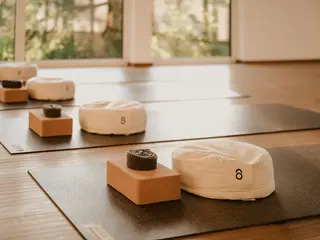
Yes. The clear majority of yoga retreats in Germany are explicitly open to beginners and returnees. Teachers work with slow Hatha sequences, with props such as bolsters, blocks, and straps, and with clear cues on breath and alignment. Groups are small at eight to sixteen participants, allowing individual guidance. If you are completely new, start with a weekend format and see whether the format fits your practice. It is important to share any health limitations, such as a herniated disc, knee or shoulder issues, with the retreat lead before booking, so teachers can adapt the practice. Prior experience in meditation or breath work is not required; the programmes build the elements step by step. If you are unsure which style fits, start with Hatha or a Hatha-Yin mix.
Which yoga styles are most popular at retreats in Germany?
In Germany, Hatha Yoga, Vinyasa, Yin Yoga, and Kundalini are particularly popular. Many retreats combine yoga with additional elements like meditation, Ayurveda, hiking, or forest bathing – especially at nature-focused locations.
What is usually included in the price of a yoga retreat in Germany?
Almost all houses include accommodation in the booked room, vegetarian or vegan full board with breakfast, lunch, and dinner, plus tea, water, and fruit between meals. All yoga sessions, meditations, Pranayama segments, and usually a sound or evening session are part of the standard. Props such as mats, bolsters, blocks, and straps are provided on site. Not included are travel to and from the venue, alcoholic drinks, and individual extras such as massages, Ayurveda treatments, coaching sessions, or a shuttle from the nearest station. Single rooms usually carry a moderate surcharge over double rooms, and a few houses offer shared-room options at a discount. When booking, it pays to ask about single-room guarantees, shuttle times, and educational-leave accreditation.
Are yoga retreats in Germany suitable for beginners?
Yes, a large proportion of yoga retreats in Germany are explicitly aimed at beginners or offer mixed levels. You don't need any prior experience – teachers adapt the practice to your level. Simply filter for beginner-friendly offers when searching.
What sets yoga retreats in Germany apart from those abroad?
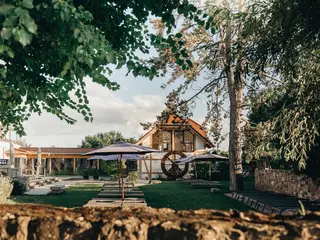
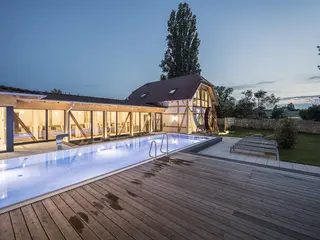
The short journey is the first difference. Two to four hours by train or car, no flight, no jetlag, no climate shock. That makes weekend formats possible at all and significantly lowers the threshold for a first retreat. The second difference is atmosphere: German houses are often less staged than international boutique resorts and more honest in what they promise. A converted hayloft in the Allgaeu, a former mill in the Black Forest, a forester's house by the Mecklenburg Lakes, or a farm estate on the heath. The third difference is the strong integration of mindfulness and MBSR. Many programmes combine yoga with mindfulness sessions, silent phases, and a calmer practice than the international Vinyasa classics. German educational-leave accreditation allows working professionals to keep their holiday days. Catering is usually vegetarian and regional.
What is typically included in the price of a yoga retreat in Germany?
Most yoga retreats in Germany include accommodation, vegetarian or vegan full board, all yoga and meditation sessions, and access to communal areas and surrounding nature. Some offers additionally include extras like massages, sauna, or guided hikes.