Yoga retreats in Italy

Italy is yoga between Tuscan hills, Sardinian coves and Apulian olive groves. Programs in the country combine daily practice with Mediterranean cuisine, outdoor time at the sea or in the hills, and a calm daily structure. Five to eight days is the usual format, with two practice sessions a day, vegetarian-leaning catering and mostly open yoga rooms with views of olive trees, pines or the sea.

Discover Our Most Popular Offer

View all offers

New retreats straight to your inbox?

So you always stay up to date.

We take data protection very seriously. Further information
Which regions of Italy shape yoga retreats most

Which regions of Italy shape yoga retreats most

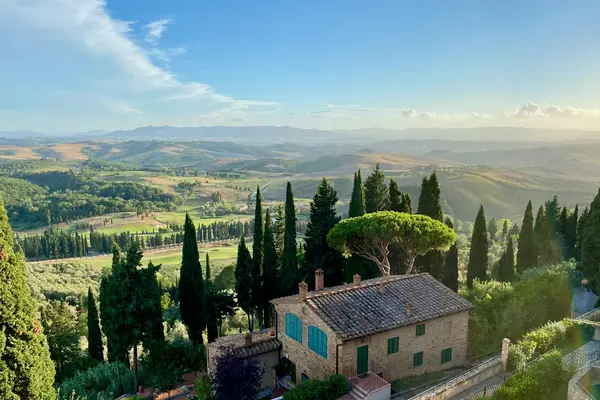
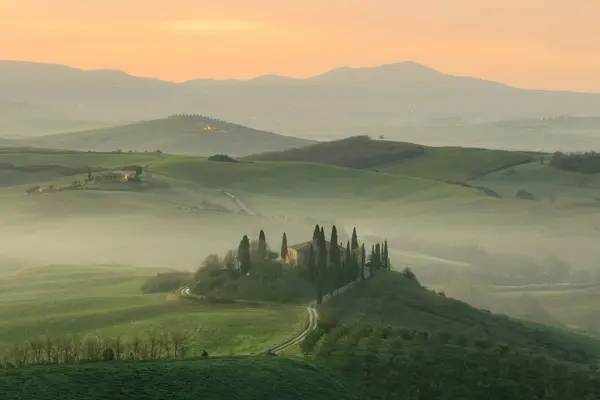
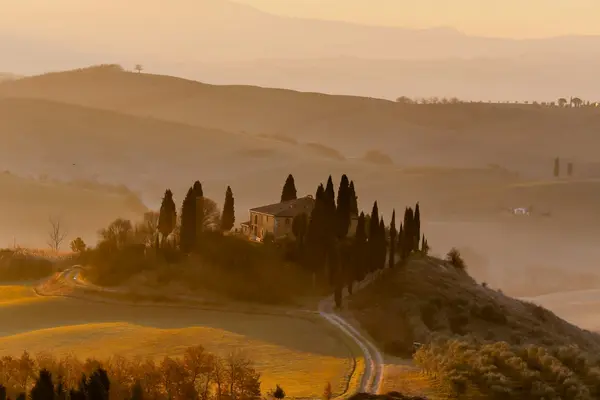
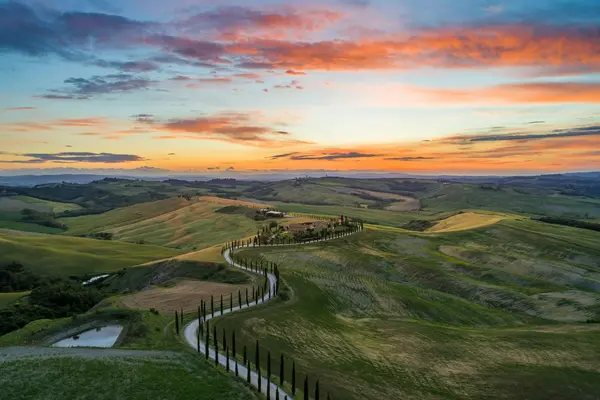
Yoga programs in Italy split roughly into four regions, each carrying its own atmosphere. Tuscany with its soft hills, cypress avenues and old farmhouses is the classic address for hatha and yin lines, often combined with Mediterranean organic cuisine and stays in restored casali or agriturismi. Practice here runs quietly, with afternoon walks through vineyards. The second region is Apulia in the south. Olive groves, whitewashed trulli, the Ionian and Adriatic seas within reach. Programs combine yoga with longer outdoor sessions at the beach and stronger Mediterranean warmth in late spring and autumn. Sardinia forms the third focus, with yoga weeks in the inland mountains or right at the Tyrrhenian Sea in the north, often combined with hiking and swimming. The fourth region is northern Italy with the Dolomites, Lake Garda and Lake Como. Here the character shifts towards an alpine yoga atmosphere, with cooler summer temperatures, mountain panorama and a daily structure closer to a south-German or Tyrolean retreat. Anyone seeking quiet hilly atmosphere chooses Tuscany. Anyone seeking sea and Mediterranean warmth, Apulia or Sardinia. Anyone seeking alpine character with an Italian lifestyle, the north.
What sets Italian yoga retreats apart from other Mediterranean destinations

What sets Italian yoga retreats apart from other Mediterranean destinations

Three traits give Italian programs a clear character. First, the cuisine. Italy has one of Europe's strongest vegetarian-Mediterranean food cultures, with a long tradition of seasonal vegetable cooking, regional olive oils, fresh herbs and a refined baking tradition. A yoga week in Italy is often the gastronomic highlight, which comparable programs in Portugal or Greece do not always reach to the same depth. Second, the form of accommodation. Many Italian programs take place in agriturismi, working agricultural estates with guest rooms. This carries a different atmosphere than a classic hotel: a courtyard community, the estate's own harvest, quiet evenings with olive oil tasting or a wine introduction rather than a hotel bar. Anyone seeking rural character is often better served in Italy than on Mallorca, where hotel structures dominate. Third, the cultural setting. Italy has its own yoga history with a longer tradition than other Mediterranean countries. Many teachers trained in India in the 1990s and now teach with a quiet, culturally embedded line, often combined with half-day art and architecture excursions. Anyone seeking pure asana intensity finds it more easily in Spain. Anyone wanting to embed yoga into a broader cultural experience is well served in Italy.
When is the best time of year for a yoga retreat in Italy

When is the best time of year for a yoga retreat in Italy

The main season sits in the shoulder months between spring and early autumn. May to mid-June and September to early October are the most balanced windows, with temperatures between 20 and 27 degrees, clear air and a landscape in full bloom or in the soft colours of early autumn. Outdoor practice and longer afternoon modules work well in this period, without heat undermining concentration. July and August work well in the mountain regions, that is northern Italy and the Sardinian inland. In Tuscany and Apulia, the summer months become increasingly difficult for yoga because daytime temperatures often climb above 30 degrees and practice has to be moved to early morning or late evening. Anyone who does not mind heat and seeks the southern Mediterranean climate can travel well to Apulia or Sicily during this time. Winter retreats are rare in Italy, except in the north, where some houses run year-round, often with sauna and a hiking focus in winter. April and October are considered the weather-wise most difficult shoulder months, with higher rain probability. For a first Italian retreat, mid-May or early September is the safest choice.
What to watch when booking an Italian retreat

What to watch when booking an Italian retreat

Three points separate a coherent from a mediocre Italian retreat. First, the location. Italian agriturismi and casali often sit somewhat remote, which is part of their charm but can complicate arrival and spontaneous trips. Ask about distance to the nearest train station or airport, transfer options and the availability of a rental car if you want to plan excursions. Second, the yoga line. Italian programs vary strongly between very physical vinyasa, quieter hatha with long holds and meditation-led weeks with a pranayama focus. Pranayama refers to the yogic breath school with targeted techniques. Ask to see the weekly plan; it reveals the line more clearly than the website description. A good week has clear times for practice, meals, free time and usually a half-day excursion. Third, the language. In Tuscany and northern Italy English is often the teaching language because international guests form the majority. In Apulia and Sicily there are more Italian-German houses with German-speaking leads, because many German and Austrian teachers are based there. Anyone wanting to practise in their mother tongue should clarify in advance, often the lead offers both in parallel.

Frequently asked questions

Why is Italy an attractive destination for a yoga retreat?
Italy combines Dolce Vita with inner reflection – yoga retreats here take place in Tuscan country houses, on the Amalfi Coast, in the Dolomites, or on Sardinia. The combination of art, culture, excellent cuisine, and breathtaking nature makes Italy a special retreat destination. You'll currently find 13 yoga retreats in Italy with us.
Which region of Italy suits me for a yoga retreat?
The choice depends most on the atmosphere you are looking for. Tuscany is the quiet hill variant with wine, cypresses and Mediterranean organic cuisine, often in restored farmhouses, ideal for a contemplative hatha or yin line. Apulia is the southern choice with olive groves, trulli and proximity to the sea, with somewhat warmer spring and autumn weather. Sardinia combines mountains and sea, good for yoga-and-hiking combinations or yoga near the coast. Northern Italy around Lake Garda and the Dolomites is the alpine variant with cooler climate and mountain panorama, closer to a south-German or Tyrolean atmosphere. The catalogue currently lists 13 yoga retreats in Italy across all four regions.
How much does a yoga retreat in Italy cost?
Yoga retreat prices in Italy range from €299 to €4.591, with an average of €1.852. Tuscany and the Amalfi Coast tend to be pricier, while Calabria, Puglia, or the Marche offer more affordable alternatives with just as much charm.
How much does a yoga retreat in Italy cost?
A seven-day yoga week in Italy mostly sits between 800 and 1,500 euro, depending on room category, board and location. Programs in Tuscany and northern Italy often sit in the middle to upper range, because agriturismi standards are high and the region is close to German source markets. Apulia and Sardinia are somewhat more attractive in shoulder seasons in April and October. Weekend formats start around 350 euro, premium houses with single rooms and treatments can run from 2,000 to 3,500 euro. Across the 13 Italian yoga programs in the catalogue, the range runs from €299 to €4.591, averaging €1.852. Train travel from the German-speaking area is well possible; by air to Pisa, Rome, Bari or Cagliari.
When is the best time for a yoga retreat in Italy?
Spring (April–June) and autumn (September–October) are ideal – pleasant temperatures, fewer tourists, and nature in full bloom or warm autumn colors. Summer is especially suited for coastal or mountain retreats. Sicily and Sardinia stay warm enough into November.
When is the best time of year for an Italian retreat?
The most balanced travel windows are May to mid-June and September to early October. Temperatures of 20 to 27 degrees suit outdoor yoga, the landscape stands in full bloom or in soft early-autumn colours, and houses are less crowded than in summer. July and August are demanding for yoga in Tuscany and Apulia because of heat, but work well in northern Italy and the Sardinian mountains. April and October are the most weather-difficult shoulder months with higher rain probability, especially in Tuscany and the north. The catalogue currently lists 13 yoga retreats in Italy, with the seasonal focus running from April to October.
In which regions of Italy are yoga retreats available?
Tuscany is the most popular region, followed by South Tyrol, the Amalfi Coast, Sardinia, Sicily, and Puglia. Umbria, Liguria, and the northern Italian lakes also offer beautiful retreat locations. Each region has its own culinary and scenic appeal.
How do I best travel to a yoga retreat in Italy?
Italy is very accessible from the German-speaking area by train and by plane. For Tuscany, flights to Pisa or Florence work, as does train travel via Milan and Florence. Apulia is reached via Bari or Brindisi, with direct connections from most German airports. Sardinia is served via Olbia or Cagliari, both with direct connections from Germany and Switzerland. Northern Italy around Lake Garda is a one-day drive from Munich, by train via Verona. Most retreat houses offer transfers from the nearest train station or airport for 30 to 80 euro. The catalogue currently lists 13 Italian yoga retreats.
Are yoga retreats in Italy available in English?
Most yoga retreats in Italy outside South Tyrol are conducted in English. Some international teachers offer multilingual courses. South Tyrol specifically has a large selection of German-language retreats. Check the course language when booking.
Which yoga styles are most commonly offered in Italy?
Hatha yoga and vinyasa flow dominate in Italy as the main lines, complemented by yin yoga in the quieter houses. Hatha is the classically held form with slower transitions and longer holds, good for all levels. Vinyasa is the more dynamic style with flowing transitions. Yin yoga works with long holds of passive floor postures, complementing the active practice. In northern Italy there are individual Iyengar-leaning programs, which practise precise alignment with props and longer holds. Pranayama-led weeks with a breath focus are rarer, but found in Tuscany and the north. Across the 13 Italian programs in the catalogue, the style line is usually clearly marked in the house description.
What makes yoga retreats in Italy special?
Italy brings a unique culinary dimension to the retreat experience. Freshly prepared Italian cuisine with local ingredients, wine tastings, cooking classes, and olive oil tastings complement many yoga programs. Add to that historic locations like renovated monasteries, villas, and farmhouses.
How important is the cuisine in Italian yoga retreats?
Cuisine is a core part of the retreat experience in Italy, often as important as the yoga practice itself. Most houses run a vegetarian Mediterranean line, frequently with their own organic produce from the garden or from regional suppliers. Olive oil, fresh herbs, seasonal vegetables, homemade pasta and bread are usually at the centre. Vegan options are common, gluten-free is handled by most houses on prior request. What makes Italian programs special is the culinary density: breakfast tends to be generous, lunch light, dinner often a shared multi-course highlight of the day. Across the 13 Italian yoga programs in the catalogue, the kitchen line is usually documented within the first third of the house description.
How do I get to a yoga retreat in Italy?
Italy is easily accessible by plane, train, or car. Direct flights go to Rome, Milan, Florence, Naples, Olbia (Sardinia), and Catania (Sicily). South Tyrol is conveniently reachable by train via the Brenner Pass. Many organizers offer transfers from the nearest airport or train station.