Yoga retreats on Bali

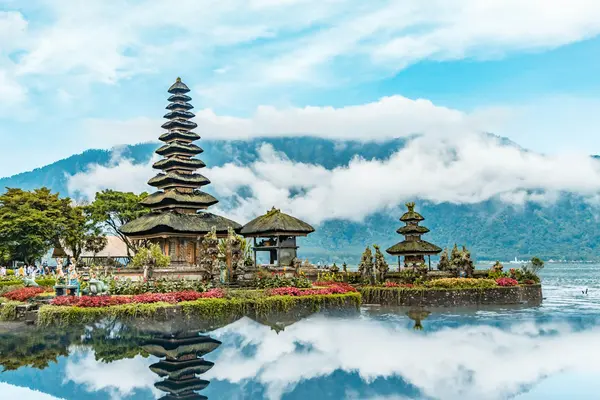
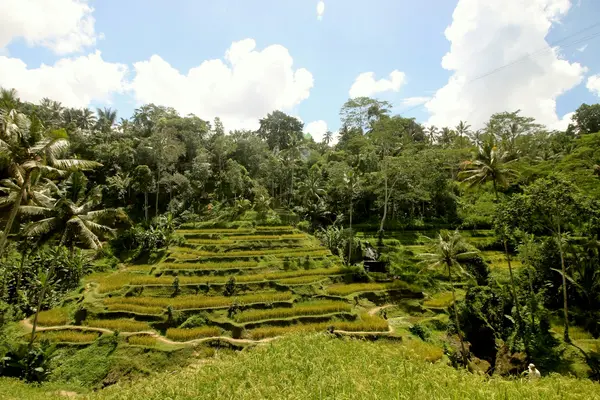
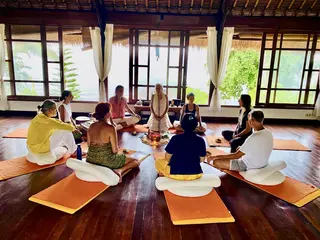
Bali has been the international address for longer yoga stays for years. The island combines its own spiritual tradition with tropical nature, a mature retreat infrastructure and a yoga scene that centres on Ubud, Canggu and the hills around Sidemen. Seven to fourteen days is the usual format, with two practice sessions a day, plant-leaning cuisine and mostly open yoga shalas amid rice terraces or with views of the sea.
5 curated retreats from €496

Discover Our Most Popular Offer

View all offers

New retreats straight to your inbox?

So you always stay up to date.

We take data protection very seriously. Further information
Why Bali works as a yoga destination

Why Bali works as a yoga destination

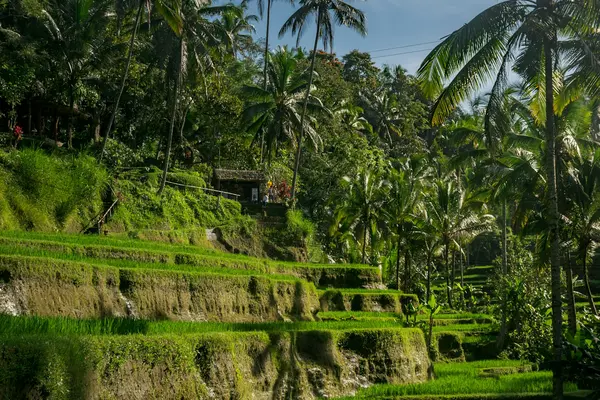
Bali is small enough to feel manageable within a week and large enough to offer very different yoga worlds. Ubud is the spiritual and cultural centre of the island, where most yoga shalas concentrate, often embedded in rice fields or at the edge of the Ayung valley. Canggu in the south draws a younger, body-focused crowd, with vinyasa and power yoga as the main lines, often combined with surfing. Sidemen and Munduk in the north are the quieter alternatives, less touristic, with yoga in the green hills of the Balinese highlands. The climate carries the format. Bali sits eight degrees south of the equator, temperatures move between 24 and 30 degrees year-round, and the dry season from April to October is the clear main season. During this time, practice sessions can be held outdoors or in open shalas without rain interruptions. The Balinese Hindu tradition shapes daily life on the island. Temple offerings, incense, gamelan music drifting in from the next village, none of this is staged; it is part of how the day moves. For many participants this spiritual atmosphere is a primary reason to choose Bali specifically, rather than booking yoga in a European hotel. Anyone looking purely for asana sport can find that cheaper in Spain or Portugal. Anyone wanting yoga as a cultural experience is in the right place here.
Which yoga styles are particularly common on Bali

Which yoga styles are particularly common on Bali

Style variety on Bali is broad with clear emphases. Vinyasa, a dynamic style with flowing transitions between postures, is the most common line, particularly in Canggu and Ubud. Hatha yoga, the classically held slower form, is also widespread and suits beginners and heat-sensitive practitioners well. Yin yoga, a quiet form with long holds in passive poses, has an especially developed scene in Ubud. Beyond that there are specific strands that have developed more strongly on Bali than in Europe. Kundalini yoga, a form with breath techniques, mantra chanting and targeted movement series, is well represented. Pranayama-led programs, in which breath practice takes the centre, are often integrated as supplementary modules within longer retreats. Pranayama is the yogic breath school with targeted techniques for guiding energy. Ayurveda-led yoga weeks form a line of their own. They combine daily yoga sessions with ayurvedic treatments, a matched plant-based cuisine and medical guidance. These programs are longer, often ten to fourteen days, because the treatment series needs time. Anyone with a clear style preference finds it served on Bali. Anyone arriving more openly benefits from the fact that many houses offer two or three styles in parallel, so the personal line can crystallise during the week.
When is the best time of year for a Bali retreat

When is the best time of year for a Bali retreat

The main season for yoga retreats on Bali runs from April to October, the dry season. During these months you can expect largely stable weather, with temperatures between 26 and 30 degrees and manageable humidity. The transitional months April and October are considered particularly pleasant because the island is less crowded than during the European summer, and the changing light conditions display the landscape intensely. The rainy season from November to March is often underestimated. It is usually not what central Europeans know as rain, but short, intense tropical showers in the afternoon with clear sunshine in between. During this time the island turns greener, the rice terraces stand close to harvest, prices fall noticeably and yoga studios are less busy. Anyone seeking a quieter Bali who can handle a little rain finds a different face of the island. A recommendation for first-time visitors is May or September. May sits at the start of the dry season, everything still fresh after the rains. September is mostly sunny and stable but less crowded than July and August, when European school holidays run. For longer programs from ten days upwards the season matters less, because the sheer duration absorbs weather variation anyway.
What to watch when choosing a Bali retreat

What to watch when choosing a Bali retreat

Four points help in choosing a suitable Bali retreat. First, the region. Ubud is the right choice for a first Bali retreat because the spiritual atmosphere, yoga density and infrastructure come together most strongly there. Canggu fits surf-affine and athletic practitioners but is louder and busier. Sidemen and Munduk are the quiet alternatives for repeat visitors who already know the touristic Bali. Second, climate compatibility. Tropical temperature and higher humidity change the yoga practice. More sweat, faster fatigue, a more sensitive stomach. Anyone coming from central Europe should plan a two-day acclimatisation phase, during which the practice is deliberately kept less intense. A longer arrival with a stopover or an additional pre-retreat night helps. Third, the teaching. Bali draws yoga teachers from around the world. Qualification ranges from experienced Indian or Balinese teachers with decades of practice to young Western teachers with shorter training. Asking about background, years of experience and language skills is legitimate and customary. Fourth, the catering. Bali is the world capital of vegetarian-vegan retreat cuisine, and standards are high. Anyone needing a particular line such as gluten-free, ayurvedic or macrobiotic finds it set out in the house description.

Frequently asked questions

Which region on Bali is right for me?
Ubud is the classic choice for a first yoga retreat on Bali. The yoga scene concentrates here with numerous shalas, many in rice-terrace settings, complemented by the artists' quarter, the Monkey Forest and a mature vegetarian dining culture. Canggu sits on the southern coast, shaped by surfing, lively and well-suited to athletic practitioners who want to combine yoga and waves. Sidemen in the east is quieter, with rice terrace hikes and views of Mount Agung. Munduk in the north lies in the hills, with cooler climate and dense vegetation. Those wanting temple atmosphere and yoga density choose Ubud; those wanting beach and movement, Canggu; those wanting silence, Sidemen or Munduk. The catalogue currently lists 11 yoga retreats on Bali.
How much does a yoga retreat on Bali cost?
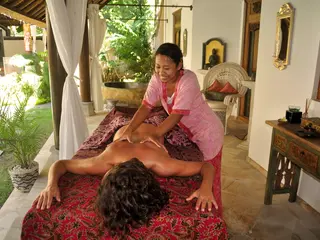
Prices on Bali are overall lower than for comparable programs in Europe, although the flight has to be factored in. A seven-day yoga week in the mid range sits between 1,200 and 2,000 euro, with a double room, full board, two yoga sessions a day and one to two treatments. Entry-level programs in Ubud and Sidemen start around 800 euro for a week. Premium houses in Canggu or beachside can run from 3,000 to 5,000 euro. Ayurvedic weeks with daily treatments over ten to fourteen days often sit between 2,500 and 4,500 euro. Across the 11 Bali yoga programs in the catalogue, the range runs from €130 to €6.170, averaging €1.508. The flight from central Europe adds 700 to 1,400 euro depending on the season.
Do I need prior experience for a Bali yoga retreat?
No, many Bali retreats are explicitly designed for beginners. The most common styles on the island, hatha and vinyasa, can be learned in small steps, and good teachers consciously make the first two days of a week accessible. Anyone who has never practised yoga should pick a style that is not physically demanding from the start, so hatha rather than power yoga or ashtanga. A yin or pranayama-leaning retreat also works well for beginners, because less asana complexity is required and the practice rests more on breath and rest. Across the 11 Bali yoga retreats in the catalogue, most carry a clear level marker. Advanced programs are marked as such.
How do I best travel to Bali and reach the accommodation?
Bali is reached from central Europe via Denpasar International Airport, usually with a stopover in Singapore, Dubai, Doha or Bangkok. There are no direct flights. Total flight time is around fourteen to eighteen hours including the stopover. From Denpasar airport most yoga regions can be reached in one to three hours by car. Ubud lies around 60 kilometres north, roughly 75 minutes' drive. Canggu sits directly north of Denpasar, about 45 minutes. Sidemen and Munduk are further out, around two and a half hours each. Most retreat houses organise the airport transfer for 25 to 45 euro one way. The catalogue currently lists 11 yoga retreats on the island, many with included pickup.
Do I need a visa for a yoga retreat on Bali?
For a tourist stay of up to thirty days, travellers from Germany, Austria and Switzerland receive a visa on arrival at Denpasar airport for a fee of around 35 euro. An extension to sixty days is possible for an additional fee. For longer stays, for instance a yoga teacher training over several weeks, a tourist visa applied for in advance at the Indonesian embassy is more sensible. The passport must be valid for at least six more months at the time of entry. A return or onward flight ticket is occasionally checked on entry. The catalogue currently lists 11 yoga retreats on Bali, most of which fit into the thirty-day visa window without additional effort.
Can I combine a Bali retreat with a yoga teacher training?
Yes, Bali is one of the world's leading destinations for yoga teacher trainings. Most programs follow the Yoga Alliance standard with 200 or 300 hours and run three to four weeks straight. Content covers asana practice, anatomy, philosophy, pedagogy and personal practice time. A 200-hour training on Bali typically costs between 2,500 and 4,500 euro including accommodation and board. Anyone who does not yet have a clear plan for their own teaching career but wants to deepen their personal practice can also use the training as personal deepening. The catalogue currently lists 11 Bali yoga programs. Some of those are explicit training modules, the majority are classic retreats.