
Retreat Urlaub - Urlaubsangebote für Körper, Geist und Seele.

Yoga Retreats in Morocco

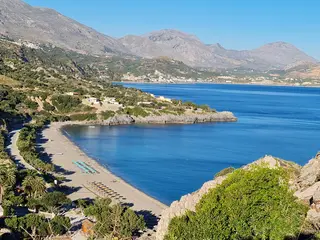
Between the snow-capped peaks of the High Atlas, the Atlantic coastline around Essaouira and the warm sand at the edge of the Agafay desert lies one of the most varied yoga countries in North Africa. Morocco combines the quiet inner architecture of traditional riads with wide landscapes, intense light and a food culture that genuinely supports a practice. You reach Marrakesh, Casablanca and Agadir in three and a half to four hours from central Europe and step into a world that feels slower, calmer and very close to the element of earth.
28 curated retreats from €320

Discover Our Most Popular Offer

View all offers

New retreats straight to your inbox?

So you always stay up to date.

We take data protection very seriously. Further information

Frequently asked questions

What does a yoga retreat in Morocco cost?
A yoga retreat in Morocco typically sits between 950 and 1,800 euros per person for seven nights in a double room, including meals and the practice programme. Simpler Berber lodges in the Atlas or smaller riads off the tourist track start slightly below this and can run from 850 to 1,000 euros for a week. Premium addresses in particularly well-kept riads in Marrakesh or stylish properties on the edge of the desert can sit between 2,000 and 2,800 euros per person, especially when single rooms, spa or hammam packages and an extended excursion programme are included. Not included is usually the flight from central Europe to Marrakesh, Casablanca or Agadir — depending on season expect 180 to 350 euros. Most houses organise the airport transfer; it is either included in the price or charged at 30 to 60 euros per direction. Tipping is customary in Morocco and is given in cash.
When is the best time of year for a yoga retreat in Morocco?
The two strongest windows are March to May and September to November. During these periods daytime temperatures in Marrakesh sit between 22 and 28 degrees, the nights are cool and in spring the landscape is particularly green. The Atlas is also well accessible because the snow line remains in the higher zones. June to August is too hot inland and in the south for a serious daily practice. If you want to travel in this period, deliberately choose the Atlantic coast between Essaouira and Taghazout — the constant Atlantic wind keeps temperatures usually below 26 degrees. The High Atlas above 1,500 metres also remains pleasant in summer. December to February work for stays focused on riad and city culture. The days are mild but the nights cool, and mountain programmes are sometimes not accessible during this period. If you want to avoid Ramadan, check the dates for the relevant year — the period shifts by roughly eleven days each year.
How do I best travel to Morocco?
Morocco has three relevant airports for yoga stays: Marrakesh (RAK), Casablanca (CMN) and Agadir (AGA). Marrakesh is the most common choice because all Atlas and desert-edge programmes start from there and the city-adjacent riads are also within reach. From Frankfurt, Munich, Vienna and Zurich you can fly there directly in three and a half to four hours. For the Atlantic coast around Essaouira, Marrakesh is also the usual entry airport — the transfer to Essaouira takes about two and a half hours. For stays in Taghazout or further south, Agadir is closer and usually the better choice. Casablanca is the largest airport with the most intercontinental connections and makes sense if you want to plan a stopover in the city or you find a particularly favourable connection. For pure yoga stays it is rarely the most direct route because many programmes then add a longer overland transfer.
What is usually included in the price of a yoga retreat in Morocco?
A standard package in Morocco typically includes accommodation in a double or single room, full board with a Moroccan breakfast, a light lunch and a warm dinner (often tajine or couscous, almost always able to be kept vegetarian), water, mint tea and usually coffee as well. On top of that comes the practice programme itself — typically two yoga sessions per day, a longer one in the morning and a quieter one in the late afternoon, plus guided meditations. Many houses include additional elements that belong to Moroccan culture and are part of the package: a hammam visit at the hotel or in a traditional city hammam, a Berber tea ceremony, a guided walk through the medina or a souk, a hike in the Atlas or in the palm groves. Not usually included: the flight, insurance, personal massages or spa appointments, alcoholic drinks (often not offered in a riad in any case) and tips. Airport transfers are either included or charged at 30 to 60 euros per direction depending on the house — best clarified at the time of booking.
Which region in Morocco fits me?
Marrakesh and its surroundings — for instance the Palmeraie north of the city and the neighbouring village of Tahanaout at the foot of the Atlas — suit you well if you want to combine practice and culture. The medina and the souks are within reach, a hammam visit is straightforward, and you stay in a calm garden or riad atmosphere. The Atlas region from Imlil and the Ourika valley upward is the right choice when mountain, altitude and silence are the priority. You stay in simple Berber lodges above 1,500 metres, take long day hikes and practise in cooler air. The Atlantic coast between Essaouira in the north and Taghazout in the south is the right choice for a cooler, salt-tinged variant with constant wind, often combined with beach walks or surfing. The desert edge of the Agafay region south of Marrakesh is the most unusual choice: a stony semi-desert with a wide horizon, very silent nights and clear starlit skies — ideal for stays with a focus on silence and meditation.
Which yoga styles are offered in Morocco?
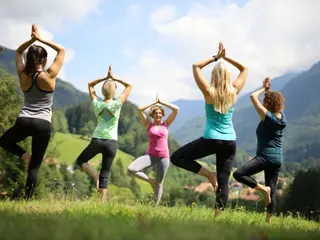
The range in Morocco is broader than the smaller size of the scene first suggests. Hatha and vinyasa programmes are the most common because they fit the typical riad or garden practice in the morning and the late afternoon. They form the core of many stays, especially around Marrakesh and on the coast. In the Atlas regions the share of pranayama, meditation and yin sequences is higher because the mountain days are physically more demanding and the evening needs a quieter counterweight. Stays with silent segments are also more common in this landscape. On the Atlantic coast around Taghazout and Essaouira you will often find a yoga-and-surf combination, meaning dynamic vinyasa sessions in the morning and gentle restorative sequences in the evening. Stays on the desert edge of Agafay lean more towards yin, restorative and meditation under the stars — the landscape itself slows the tempo.
Are yoga retreats in Morocco also suitable for beginners?
Yes, a large share of the stays in Morocco is explicitly open to beginners. If you have never practised or only very rarely, look for programmes that explicitly foreground hatha, gentle vinyasa or yin — these styles are slower in their build-up and work with clear cueing. For a first stay, the Marrakesh region or the Atlantic coast tends to be the most relaxed choice. Both have short transfers, well-equipped houses and a daily structure that leaves enough breaks for unfamiliar movement. High-altitude Atlas locations or pure silent retreats in the desert tend to be more demanding for a first try and are better when you already have a little practice experience. Good houses ask about your level before the booking anyway, give a sense of group and intensity and sometimes even offer a short pre-trip preparation. That is a good quality signal.