Yoga retreat in Lower Saxony

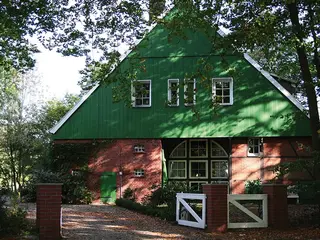
A yoga retreat in Lower Saxony moves between the Lüneburg Heath, the Harz, the Weser valley, and East Frisia, into a landscape of wide horizons and little background noise. Three to seven days in small groups, with Hatha, Yin, and Vinyasa as the usual styles, often combined with hikes across heathland or walks by the sea. Hay barns and farmhouse estates on the heath, monastery houses in the Harz, courtyards in the Weser valley, and plain beach houses on the North Sea coast carry the programmes. Travel is usually by train to Hannover, Lüneburg, or Bremen with a short regional onward leg.

Discover Our Most Popular Offer

View all offers

New retreats straight to your inbox?

So you always stay up to date.

We take data protection very seriously. Further information

Heath, Harz, Weser valley, and coast

Heath, Harz, Weser valley, and coast

Lower Saxony spreads its yoga journeys across four very different landscapes. The Lüneburg Heath in the north-east is the best-known area, with wide, gently rolling expanses, a late-summer bloom from mid-August onwards, and a climate mix of continental dryness and North Sea air. Several houses here combine a yoga retreat in Lower Saxony in the classic way with hikes through heath and juniper. The Harz in the south is the state's only low mountain range, with dense spruce and beech forests, a raw altitude character, and a long monastery tradition. Yoga journeys in the Harz have a different tempo from the heath programmes: cooler, quieter, with a focus on Yin and seated meditation. To the west follows the Weser valley with the Weserbergland and the Bückeberg, a range of soft hills and a climate mix of mild lowland and cool westerly winds. The North Sea coast with East Frisia and the East Frisian Islands rounds out the picture. Programmes here are shorter, often three-day weekends in plain beach houses and farm settings, with morning yoga and long walks along the dyke. The islands of Borkum, Juist, Norderney, and Langeoog each carry their own small retreat calendars, often May to September. Anyone booking a yoga retreat in Lower Saxony seeks the wide horizon. The journey from Hamburg, Hannover, or Bremen is short, the distances within the state are longer than in southern Germany, but the landscape carries the trip: much sky, few hills, and a climate that suits high summer and autumn especially well.
Styles, formats, and tempo of practice

Styles, formats, and tempo of practice

A yoga retreat in Lower Saxony follows the landscape in its style mix. On the Lüneburg Heath, Hatha with long holds and Vinyasa as a breath-led flowing practice dominate. The flat topography permits long walks between sessions, often as a silent group hike across heath and juniper. Yin Yoga with floor work and long durations is booked particularly in autumn, when the heath bloom has passed and programmes turn more inward. In the Harz the tempo shifts. Monastery houses in the valleys often work with a quieter mix of Yin, seated meditation, and Pranayama, the conscious guidance of breath through defined patterns. Yin describes a slow, passive practice in which individual postures are held for three to five minutes to reach connective tissue and fascia. Hikes in the Harz are shorter than on the heath, but with more elevation gain and a cooler air that carries the practice. On the North Sea coast and the islands a looser format dominates. Yoga in the morning before breakfast, the late morning open for a long walk on the dyke or beach, a second session in the afternoon, evening sound bowls or a shared reflection round. The salt in the air and the breadth of the horizon work as their own part of the journey, without the programme having to point at them. MBSR weeks, that is Mindfulness-Based Stress Reduction by Jon Kabat-Zinn, are offered by several Lower-Saxon houses as a five-day format, often with German educational-leave accreditation. The accreditation allows working professionals to file the journey as educational leave and avoid using their holiday days.
Who books a yoga retreat in Lower Saxony

Who books a yoga retreat in Lower Saxony

Participants typically come from Hamburg, Hannover, Bremen, and the Ruhr area, with a strong share from the Berlin metropolitan area for heath retreats and a share from the Rhine-Main region for Harz retreats. The journey in most cases is shorter than two hours, often by train to Lüneburg, Celle, or Goslar with a short regional onward leg. This proximity is part of the decision: a yoga retreat in Lower Saxony is feasible as a compact weekend reset, without a flight, without long travel logistics. Women form the majority in nearly all groups. Several houses offer women-only retreats focused on self-worth, work-life balance, or mid-forties transition phases, often combined with yoga and silent hiking. The age range stretches from the late twenties to the early sixties, with most participants around forty. Solo travellers form the largest group, followed by pairs of female friends. Couples and families are rare because most programmes are built around individual practice. Prior yoga experience is not required. The houses work with adaptations for beginners, show variants of the asanas, the physical yoga postures, and provide aids such as bolsters, blocks, and straps without extra charge. Anyone with a herniated disc or joint issues should clarify this with the retreat lead before booking. The reset effect is measurable. Participants typically report deeper sleep from the second evening, calmer breathing from day three, and a lower stress level when leaving. The Lower-Saxon climate, with much wind and frequent shifts between sun and cloud, carries this effect particularly on the coast.
Season, food, and daily rhythm

Season, food, and daily rhythm

A yoga retreat in Lower Saxony works year-round, with clear seasonal emphases. The Lüneburg Heath has two peak seasons: mid-April to mid-June for the first walks and the fresh green, and mid-August to mid-September for the famous heath bloom. The latter is the most booked window, because the whole expanse turns purple-pink and the journey gains a visual anchor. In the Harz the main season runs from May to October, with a second wave between Christmas and New Year for quiet winter retreats. Houses in the Weser valley operate from April to November, peaking in May and September. The North Sea islands run primarily May to September, with a few houses offering wind-weekends in autumn as well. The typical daily rhythm begins with a ninety-minute morning practice, often yoga and Pranayama. Breakfast follows, vegetarian and regional. On the heath there is often farm-grown milk, eggs, and honey; on the coast fish only on request. The late morning stays open for a hike, a beach walk, or a quiet hour in the yoga hall. Lunch, short break, a second session in the afternoon, evening sound work, meditation, or a reflection round. Price range for a yoga retreat in Lower Saxony runs typically from four hundred to one thousand euro for three to five days including accommodation, full board, and practice. Seven-day trips on the heath or in the Harz range from eight hundred to fourteen hundred euro. Bookings within the heath-bloom window in mid-August benefit from very early reservation, because many houses are sold out a year in advance.