Yoga retreat in Upper Austria

A yoga retreat in Upper Austria moves between the Salzkammergut and the Mühlviertel, across two very different landscapes. Three to seven days in small groups, with Hatha, Yin, and Vinyasa as the usual styles, often combined with hikes by mountain lakes or through the granite hills of the Mühlviertel. Farm estates in the Alm valley, yoga houses on Lake Attersee and Lake Mondsee, and rural inns in the Mühlviertel carry the programmes. Travel is usually by train to Linz, Salzburg, or Vöcklabruck with a short onward leg into the region.
6 curated retreats 4.7 (10 reviews) from €340

Discover Our Most Popular Offer

View all offers

New retreats straight to your inbox?

So you always stay up to date.

We take data protection very seriously. Further information

Salzkammergut and Mühlviertel

Salzkammergut and Mühlviertel

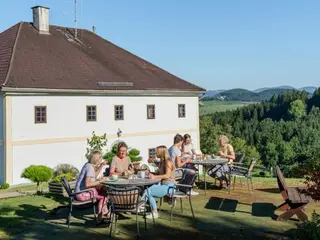
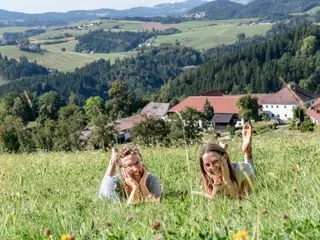
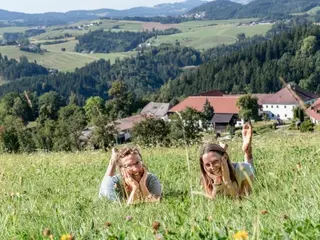
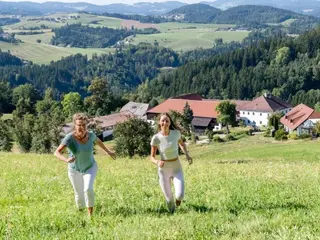
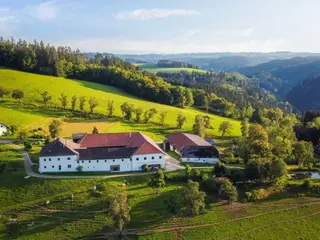
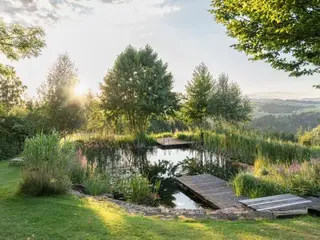
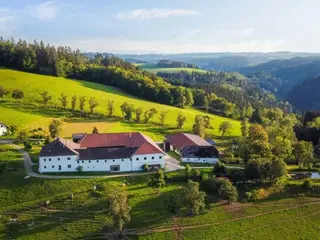
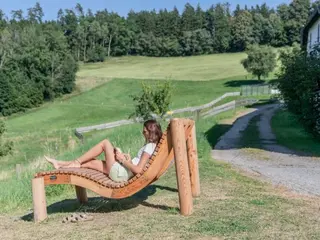
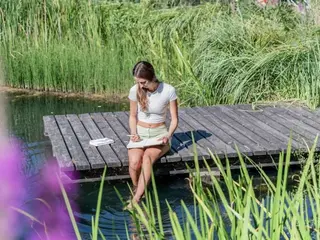
A yoga retreat in Upper Austria can be mapped predominantly to two very different landscape areas. The Salzkammergut in the south of the state is the most established region for yoga journeys. Mountain lakes such as Attersee, Mondsee, Wolfgangsee, and Traunsee, surrounded by foothills with altitudes up to sixteen hundred metres, shape the atmosphere. The mix of lake and mountain view carries the practice, and many houses have yoga halls with a direct view of the water or of the striking rock massifs. The Mühlviertel in northern Upper Austria is the quieter and less known region. Granite hills north of the Danube, gently rolling terrain with altitudes between four hundred and one thousand metres, dense mixed forests, and old farmhouse architecture shape the profile. Small yoga houses and farm estates here work in a quieter setting than the larger Salzkammergut venues. A third, smaller region is the Alm valley with Grünau im Almtal as its best-known place. Deeply cut foothill valleys, a mix of alpine pasture and rock walls, and a quiet atmosphere far from the tourism flows. Yoga houses in the Alm valley often work with a focus on Yin, meditation, and long hikes. Anyone booking a yoga retreat in Upper Austria predominantly comes from Linz, Salzburg, Vienna, and the southern German area. A clear subgroup travels from Munich, Stuttgart, and Switzerland, especially to the Salzkammergut addresses. Travel by train is well timed, often three to four hours from Munich to Lake Attersee.
Styles between Hatha, Yin, and Vinyasa

Styles between Hatha, Yin, and Vinyasa

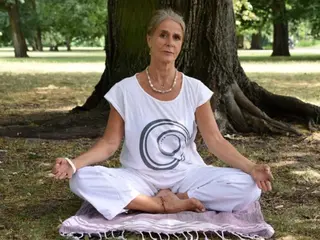
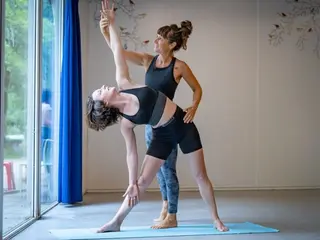
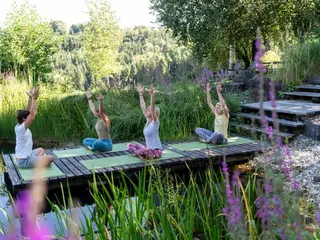
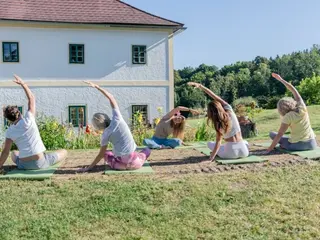
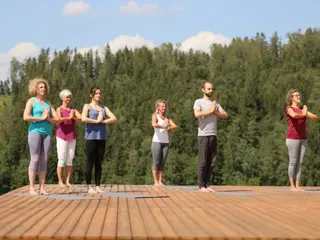
Style choice on a yoga retreat in Upper Austria follows the tempo of the landscape. In the Salzkammergut, Hatha with long holds and Vinyasa as a breath-led flowing practice dominate. The foothill atmosphere allows morning yoga with a mountain view, followed by a hike across alpine pastures or a walk along the lakeshore. Yin Yoga with floor work and long durations is booked particularly in autumn and winter. In the Mühlviertel the houses often work with a quieter mix of Yin, seated meditation, and Pranayama. Pranayama describes the conscious guidance of breath through defined patterns, often fifteen to thirty minutes between the morning practice and breakfast. Yin Yoga describes a slow, passive practice in which individual postures are held for three to five minutes to reach connective tissue and fascia. In the Alm valley yoga-and-hiking programmes dominate. The deeply cut foothill valleys permit hikes of several hours between yoga sessions. Silent hikes, in which participants move without speaking through forest and across alpine pastures, are a central element in several Alm-valley programmes. Sound bowls with vibrating bronze bowls are a common element in the yoga houses on Lake Attersee and Lake Mondsee, often as an evening session after dinner. Women-only yoga weekends focused on self-worth, work-life balance, or mid-forties transition phases are part of the thematic combination at several addresses. German educational-leave accreditation does not apply in Austria in the same way; many German guests file the journey as ordinary holiday.
Who books a yoga retreat in Upper Austria

Who books a yoga retreat in Upper Austria

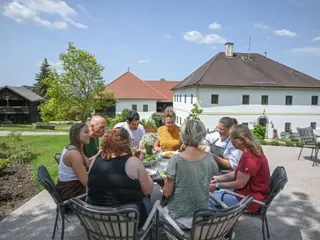
Participants typically come from Linz, Salzburg, Vienna, and the southern German area, complemented by travellers from Munich, Stuttgart, and Switzerland. The journey by train is well timed, often three to four hours from Munich to Lake Attersee or to the Mühlviertel. Women form the majority in nearly all groups, with a share between seventy and ninety percent. The age range stretches from the late twenties to the early sixties, with most participants around forty. Professional backgrounds include consulting, academic, creative, and leadership roles. Solo travellers form the largest group, followed by pairs of female friends. Couples book less often because most programmes are built around individual practice. The Salzkammergut clientele differs from the Mühlviertel and Alm-valley clientele. Salzkammergut travellers tend to be more wellness-oriented, leaning towards yoga weekends in a relaxed atmosphere with spa elements. Mühlviertel travellers tend to be quieter and more meditation-oriented, with prior yoga experience and a preference for undisturbed landscape. Alm-valley travellers tend to be hiking-experienced, often mid-forties to early sixties, with a willingness to undertake longer mountain hikes. Prior yoga experience is not required. Most houses work with adaptations for beginners, show variants of the asanas, the physical yoga postures, and provide aids such as bolsters, blocks, and straps without extra charge. Anyone with a herniated disc or joint issues should clarify this with the retreat lead before booking, because individual postures may need to be adjusted or skipped.
Season, daily rhythm, and prices

Season, daily rhythm, and prices

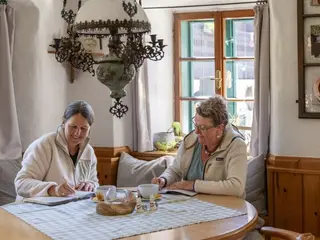
A yoga retreat in Upper Austria has two clearly separated peak seasons. The Salzkammergut runs May to October for yoga and hiking programmes, with peaks in the June-July window, and December to March for winter retreats with snowshoe walking and a Yin focus. The Mühlviertel has a main season from April to October with a peak in May and September. The Alm valley runs May to October for hikes, complemented by winter Yin weekends in January and February. The typical daily rhythm in an Upper-Austrian programme begins with a ninety-minute morning practice, often yoga and Pranayama. Breakfast follows, vegetarian and regional, in the rural inns often with home-baked bread, yoghurt, honey, and berries from the garden. The late morning stays open for a hike, a walk along the lakeshore, or a quiet hour in the yoga hall. Lunch, short break, a second session in the afternoon, evening sound, meditation, or reflection round. Price range for a yoga retreat in Upper Austria runs typically from four hundred to one thousand euro for three to five days including accommodation, full board, and practice. Seven-day journeys in the Salzkammergut range from nine hundred to fifteen hundred euro. Mühlviertel addresses tend to be less expensive, often five hundred to twelve hundred euro for a seven-day stay. Alm-valley addresses sit in the middle range. For bookings in the July-August window early reservation pays off, because many houses on Lake Attersee and Lake Mondsee are sold out months in advance. In the Mühlviertel and the Alm valley short-notice bookings remain possible even in peak season. Anyone with a strong climate preference should check the region's rainfall record. The Salzkammergut has a higher precipitation level than the Mühlviertel.