Retreat Urlaub - Urlaubsangebote für Körper, Geist und Seele.

Active holidays on the Baltic coast

You want movement in fresh sea air without travelling south or stacking elevation gain. The German Baltic between Flensburg and the Polish border is one of the most relaxed addresses for that in Europe. Three larger areas carry the offering: the Schleswig-Holstein coast with the Lübeck Bay, the Probstei and Fehmarn, the Mecklenburg Bay with Heiligendamm, Kühlungsborn and Boltenhagen, and the islands and lagoons stretching across Fischland-Darß-Zingst, Rügen, Hiddensee and Usedom. Active on the Baltic means cycling on flat coastal paths, hiking the Rügen cliff trail, stand-up paddling on the sheltered lagoons, kitesurfing off Fehmarn, riding on Usedom beaches or sailing on the Schlei fjord. The climate is mild, the wind steady, the water clear and pleasantly warm in summer. Four to seven days is the usual format, with half or full board, guided tours and usually an in-house sauna. May to September is the main season; April and October carry the quieter hiking and cycling programs.
4 curated retreats from €395

Discover Our Most Popular Offer

View all offers

New retreats straight to your inbox?

So you always stay up to date.

We take data protection very seriously. Further information
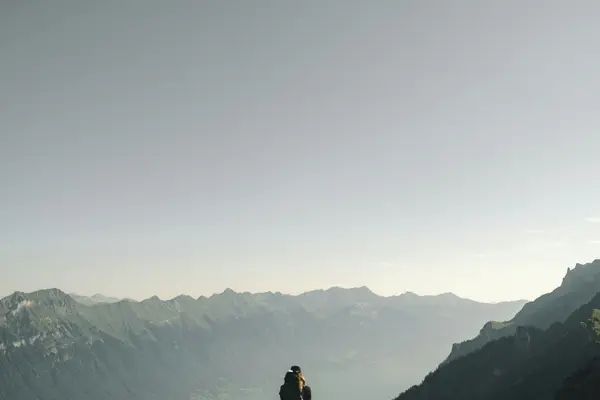
The three Baltic coastal areas at a glance

The three Baltic coastal areas at a glance

Active holidays on the Baltic split, for planning purposes, into three clearly recognisable areas with distinct character. In the west lies the Schleswig-Holstein coast between the Flensburg fjord and Travemünde. The Schlei reaches deep inland, the Probstei between Kiel and Hohwacht is a quiet farmland and seaside region, and the island of Fehmarn rounds out the area with its long, flat beaches in the south and east. Sailing on the Schlei, kitesurfing off southern Fehmarn and cycling on the Mönchsweg route are the typical active lines here. The middle area is the Mecklenburg Bay between Boltenhagen and Stralsund. Nineteenth-century seaside architecture shapes Heiligendamm, Kühlungsborn and Warnemünde, complemented by the Fischland-Darß-Zingst peninsula with its thatched-roof farms and long sandy beaches. Active programs here usually combine beach walks, stages on the Baltic coastal cycle route and Nordic walking in the pine forests above the dunes. The pace is calmer than in the west, the trail network dense. The eastern area is the Western Pomeranian coast with Rügen, Hiddensee and Usedom plus the lagoon landscape as a quiet hinterland. The active programs here are landscape-wise more dramatic: the chalk coast in Jasmund National Park on Rügen, the bison reserve and beech forests near Stubbenkammer, the car-free island of Hiddensee, beach riding on Usedom and canoe tours in the lagoons. Anyone seeking variety in a single stay is best placed here.
Which activities define the Baltic

Which activities define the Baltic

The Baltic runs on horizontal movement. Distance counts here instead of elevation gain, and water is always nearby. Cycling is the densest activity: the Baltic coastal route links Flensburg with the Oder over around a thousand kilometres, consistently flat and well signed, with stage hotels and luggage-transfer programs. Beyond that, island loops circle Fehmarn, Rügen, Hiddensee and Usedom, with extra routes through the lagoons and across the historic Hanseatic towns of Lübeck, Wismar and Stralsund. Hiking happens along the coast, with daily distances of eight to twenty kilometres on flat or gently rolling terrain. Classic routes are the cliff-top walk in Jasmund National Park on Rügen with views of the chalk cliffs, the Baltic coastal trail, and the island loops on Hiddensee and Usedom. Nordic walking on the soft pine-forest paths above the dunes is offered as a guided module in almost every house. On the water, stand-up paddling, kitesurfing, sailing and canoeing carry the programs. SUP works especially well on the wind-sheltered lagoons between the mainland and the islands, kitesurfing draws traffic to southern Fehmarn and Pelzerhaken, sailors use the Schlei and the Lübeck Bay, and canoe tours run in the Western Pomerania Lagoon Area National Park. Swimming is comfortable from June through September on water that reaches up to twenty-two degrees. Beach riding is allowed on Rügen, Usedom and Fehmarn in the shoulder season and counts among the calmer active forms on the Baltic.
What sets the Baltic apart from the North Sea and southern Germany

What sets the Baltic apart from the North Sea and southern Germany

Three traits clearly separate Baltic active holidays from the North Sea and the mid-range mountains. The first is the climate. The Baltic has a milder summer climate than the North Sea, with less wind, less salt in the air and no pronounced tidal variation. Water temperatures reach eighteen to twenty-two degrees in July and August, and sheltered bays like the Wismar Bay or Heiligendamm are well suited for swimming. Summer is drier than at the North Sea, the wind more moderate, which makes cycling and hiking stages more reliable. The second is the landscape variety in a tight space. Unlike the almost continuously flat North Sea coast with mudflats and marsh, the Baltic offers real change: fjords in Schleswig-Holstein, cliffs at the Brodten coast, gentle resort beaches in Mecklenburg, chalk cliffs and beech forests in Jasmund National Park, island worlds across Hiddensee, Rügen and Usedom, lagoons in the Bodden landscape, long flat beaches along the Mecklenburg Bay. A single active week often crosses three to four of these landscape pictures. The third is the atmosphere. The Baltic has a noticeably quieter tourism density than the North Sea coast or the southern German mid-range mountains like the Black Forest, the Allgäu or the Bavarian Forest. Even during the peak season in July and August, beaches and trails outside the well-known resorts stay quiet. Anyone looking for silence, openness and movement in a single stay finds a better ratio of activity and recovery here than in the more crowded active regions of southern Germany.
What to watch when booking a Baltic active holiday

What to watch when booking a Baltic active holiday

Three decisions shape the stay. The first is the season. The Baltic works well from mid-May onwards, with sufficiently warm water and long bright days. June and September are the most balanced months, with pleasant temperatures and lower occupancy than high summer. July and August are the peak season, with the highest sun reliability, more tourism and higher prices. April and October carry the quieter hiking and cycling programs, often windier, with guided tours as the focus rather than swimming. The second decision is the form of accommodation. The Baltic offers three clearly distinct overnight types. Classic seaside hotels in the nineteenth-century resort architecture with upscale service sit in Heiligendamm, Binz or Travemünde. Active guesthouses and country houses in the hinterland or on Fischland-Darß-Zingst have a family character and usually an in-house sauna. Self-catering apartments and thatched-roof holiday cottages suit longer stays and are especially common on Rügen, Usedom and Hiddensee. The third decision is mobility on site. Rügen and Usedom have very good rail links with branch lines running directly into the resorts; the Schleswig-Holstein coast is opened up via Lübeck, Kiel and Burg auf Fehmarn. The Mecklenburg resorts between Heiligendamm and Boltenhagen are partly only well connected by bus or your own bicycle. Anyone planning tours between different places should check the transport links in advance or pick a program with an included rail or bus pass.

Frequently asked questions

Which region of the Baltic suits my first active holiday?
For a first Baltic active week, three areas are especially accessible. Rügen is landscape-wise the most spectacular part with chalk coast, beech forest and Jasmund National Park, ideal when hiking and island loops are the priority. Heiligendamm, Kühlungsborn and Boltenhagen fit for classic seaside atmosphere with beach, cycle paths and upscale hotels. The Schleswig-Holstein coast between Lübeck and Eckernförde offers the shortest arrival from western Germany, good for a combination of Hanseatic town visit and active program. The catalogue currently lists 6 active holiday programs on the Baltic.
How much does an active holiday on the Baltic cost?
A seven-day active week on the Baltic mostly costs between seven hundred and fourteen hundred euros per person, depending on room category, board and location. Active guesthouses with half board and three to four guided tours start at the lower end. Resort hotels in Heiligendamm, Binz or Travemünde with full board and a guided program usually sit in the mid to upper range. Weekend formats are the most affordable variant; premium addresses with upscale service and sea views reach the upper end. Across the 6 Baltic active programs in the catalogue, prices run from €319 to €1.400, averaging €678. July and August are significantly more expensive than the shoulder months of May-June and September-October.
When is the best time of year for the Baltic?
The main season runs between mid-May and mid-September. Water temperatures reach eighteen degrees from June and rise to twenty to twenty-two degrees in July and August. June and early July are popular for the balance of long bright days, mild climate and lower occupancy. September is the secret favourite of many regulars, with clear visibility, mild air, quiet beaches and usually lower prices. May and October are the windiest shoulder months, good for longer cycling and hiking stages but usually too cool for swimming. Winter active holidays are possible and revolve around stormy beach walks, sauna and short outdoor modules. The catalogue currently lists 6 active programs on the Baltic, with a clear focus on the warmer months.
Which activities are most common on the Baltic?
Cycling, hiking and Nordic walking are the most common activities, complemented by water sports. Cycling on the Baltic coastal route is the classic, often with luggage transfer between stages and daily distances of thirty to fifty kilometres. Hiking follows the coast, with eight to twenty kilometres a day on flat terrain. Stand-up paddling on the lagoons, kitesurfing off Fehmarn, sailing on the Schlei and canoe tours in the lagoon landscape are the most popular water activities. Beach riding is allowed on Rügen, Usedom and Fehmarn during the shoulder season. Classic wellness modules such as sauna, massage and thalassotherapy round out the programs. The catalogue currently lists 6 programs with different activity focuses.
How do I best travel to the Baltic?
The Baltic is well-accessible from all of Germany by train and by car. By train the main hubs are Lübeck, Kiel, Rostock and Stralsund. From Stralsund branch lines run directly to Binz and Sassnitz on Rügen, from Züssow to Bansin and Ahlbeck on Usedom, from Rostock to Warnemünde and Kühlungsborn. From Berlin the ICE reaches Rostock in two hours and Stralsund in two and a half. From Hamburg, Lübeck is forty-five minutes away, Fehmarn via Burg around two hours. By car, the main centres are reached from northern Germany in two to four hours, from southern Germany considerably longer. Many active houses pick up from the nearest station. The catalogue currently lists 6 active holiday programs on the Baltic.
What fitness do I need for an active holiday on the Baltic?
Requirements are moderate compared with alpine programs. Hiking on the Baltic mostly happens on flat or gently rolling terrain. Daily stages of eight to twelve kilometres are workable for people with basic fitness who enjoy longer walks. Longer tours of fifteen to twenty kilometres require regular activity in everyday life. For cycling on the Baltic coastal route, daily stages of thirty to fifty kilometres are common, which is feasible with moderate baseline endurance. Stand-up paddling and kitesurfing are physically more demanding and best started in a beginner course. Anyone coming from a phase without exercise should start with shorter stages and pair an active day with a rest day. Across the 6 Baltic programs in the catalogue, the level is usually marked in the description.