Fasting hike

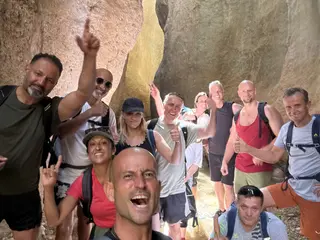
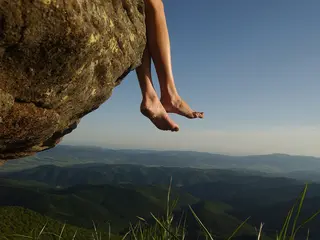
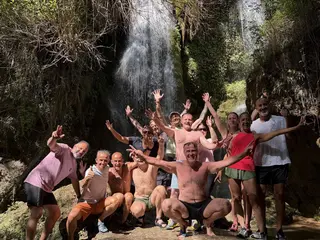
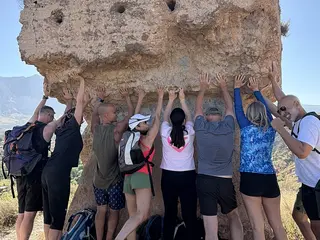
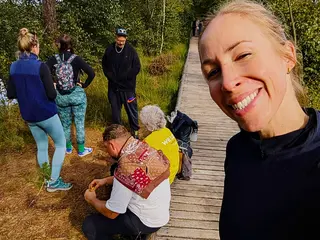
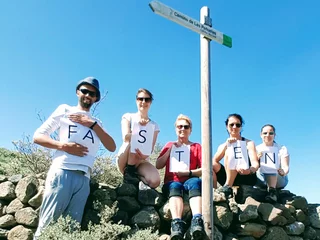
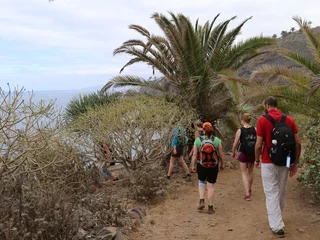
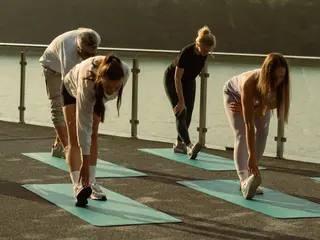
Fasting hiking is both a fasting cure and a cultural, relaxing vacation. Fasting hiking is the combination of voluntarily and consciously abstaining from food and physical exercise through hiking. In our affluent society, fasting, or "activating the inner doctor", has long been forgotten. Together with hiking, you can experience a unique cultural vacation journey, as you discover and get to know the respective vacation region through hiking in addition to the actual fasting.

12 curated retreats from €490

New retreats straight to your inbox?

So you always stay up to date.

We take data protection very seriously. Further information
Frequently asked questions

What is a fasting hike retreat?
A fasting hike retreat combines therapeutic fasting with daily walks in nature. While abstaining from solid food for several days – usually accompanied by broths, juices, and herbal teas – you go on easy to moderate hikes. The outdoor exercise supports your body's detoxification process, boosts metabolism, and provides an immersive nature experience. On Retreat Urlaub, you'll currently find 12 fasting hike offerings.
Who is a fasting hike retreat suitable for?
Fasting hike retreats are suitable for healthy adults who want to give their body a reset, boost their metabolism, or recharge their energy. Prior experience with fasting or hiking is usually not required, as the retreats are professionally guided. If you have chronic health conditions, are pregnant, or take regular medication, you should consult your doctor beforehand. Most providers conduct a preliminary consultation before the retreat to make sure the program is right for you.
How much does a fasting hike retreat cost?
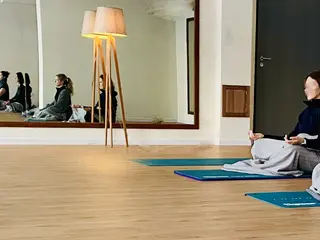
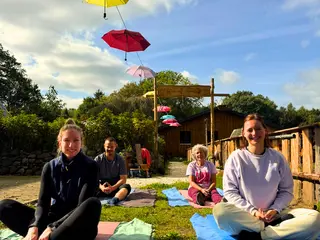
Prices for fasting hike retreats vary depending on duration, accommodation, and level of guidance. On Retreat Urlaub, prices range from €573 to €1.872, with an average price of around €1.344. Typically, accommodation, fasting supervision, guided hikes, and complementary activities such as yoga or meditation are included in the price.
How long does a typical fasting hike retreat last?
Most fasting hike retreats last between 5 and 10 days. This period usually includes one or two preparation days at the beginning, the actual fasting days with daily hikes, and rebuilding days at the end when food is gradually reintroduced. Beginners often choose shorter retreats of about 5 to 7 days, while experienced fasters may opt for longer programs.
Which fasting methods are used during fasting hike retreats?
The most common method used during fasting hike retreats is Buchinger fasting, where you consume vegetable broth, juices, herbal teas, and water. Other retreats offer alkaline fasting with light alkaline meals, intermittent fasting, or Schroth cure variations. Many providers complement the fast with intestinal care, liver wraps, and relaxation exercises. You'll find detailed information about each method in the individual retreat descriptions on Retreat Urlaub.
How strenuous are the hikes during a fasting hike retreat?
The hikes during a fasting hike retreat are usually moderate and adapted to participants' fitness levels. Typically, you walk between 8 and 15 kilometers per day on easy to intermediate trails. The pace is deliberately gentle, as your body has less energy available during fasting. Hike leaders make sure no one is overexerted, and there are usually different route options for varying fitness levels.
Where do fasting hike retreats take place?
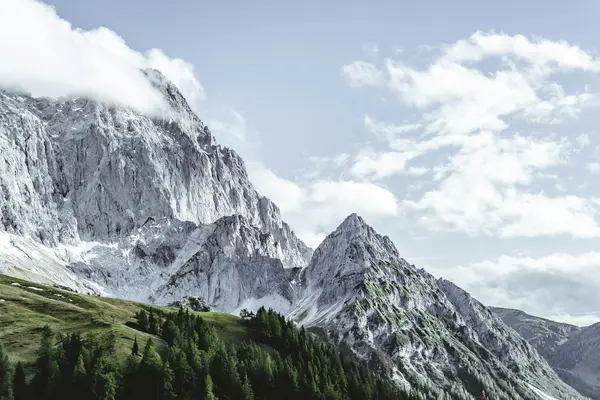
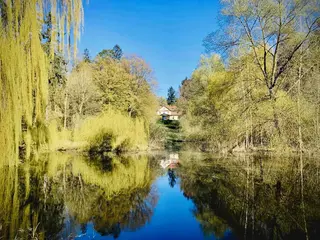
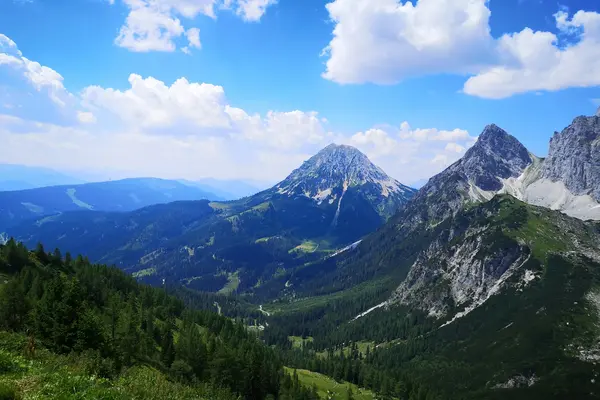
Fasting hike retreats take place in scenic locations – from Germany's low mountain ranges and Baltic Sea coast to the Alpine regions of Austria and Switzerland, as well as Mediterranean destinations like Mallorca or Tuscany. The choice of location depends on your preferences: some prefer mountains and forests, others the sea. On Retreat Urlaub, you can browse 12 offerings to find the perfect destination for your fasting hike experience.
How should I prepare for a fasting hike retreat?
Good preparation significantly increases the success of your fasting hike experience. In the days leading up to the retreat, gradually adjust your diet: reduce coffee, alcohol, sugar, and heavy meals, and focus instead on light foods such as vegetables, fruits, and whole grains. Many retreat providers will send you a detailed preparation plan in advance. It's also a good idea to take regular walks before the retreat so your body is used to physical activity. Pack comfortable hiking shoes, weather-appropriate clothing, and a water bottle.