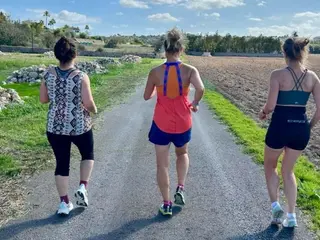
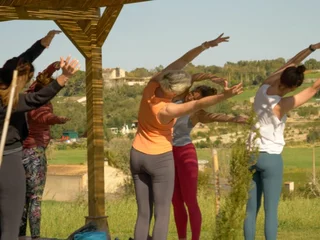
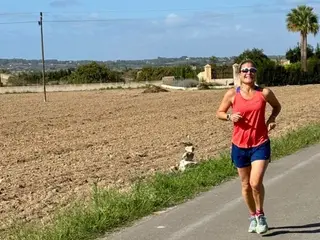
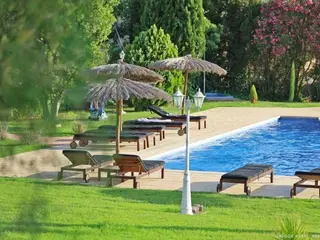
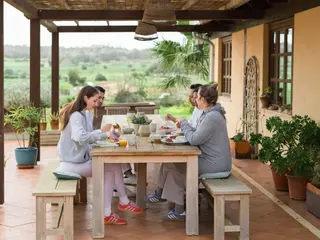
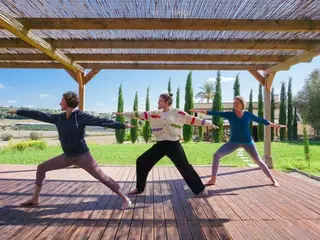
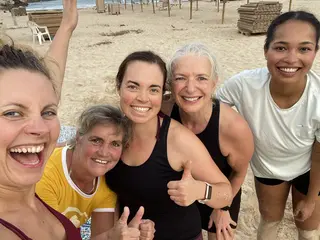
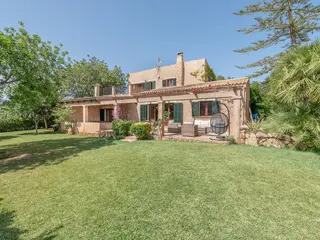
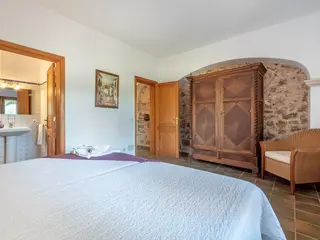
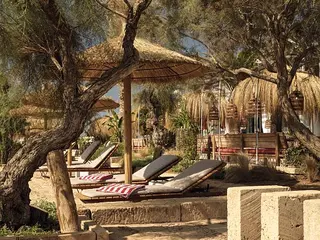
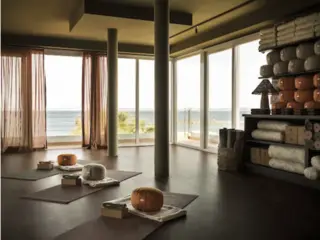
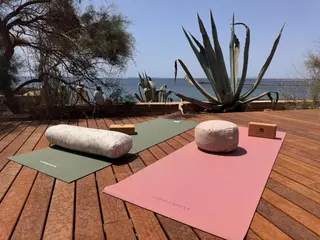
ONLY YOU oneTOone private retreat series.holistic ANTI AGEING. WELLNESS /Mallorca/ganzjährig buchbar
manacor, Spain
$5,259 / 11 Days

manacor, Spain
$5,259 / 11 Days

Montuïri, Spain
$1,779 / 8 Days
Montuïri, Spain
$1,891 / 8 Days

Montuïri, Spain
$1,768 / 8 Days

Montuïri, Spain
$1,779 / 8 Days

Son Servera, Spain
$2,798 / 8 Days

Montuïri, Spain
$1,846 / 8 Days
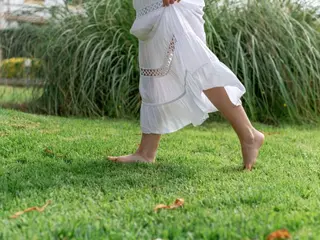
Montuïri, Spain
$1,802 / 8 Days

Montuïri, Spain
$1,891 / 8 Days
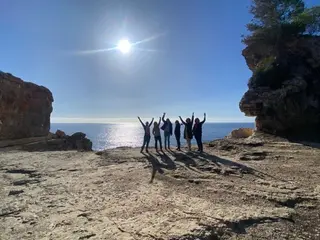
Montuïri, Spain
$1,779 / 8 Days

Palma, Spain
$1,611 / 4 Days

Soller, Spain
$1,656 / 8 Days
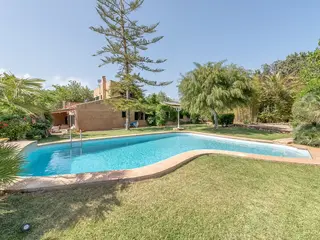
Manacor, Spain
$1,175 / 6 Days

Palma, Spain
$1,567 / 6 Days

Portocolom, Spain
$2,479 / 5 Days

Palma, Spain
$996 / 4 Days
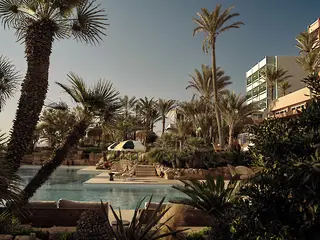
Colònia de Sant Jordi, Spain
$1,188 / 5 Days

Palma, Spain
$1,108 / 3 Days

Palma, Spain
$772 / 3 Days
New retreats straight to your inbox?
So you always stay up to date.
We take data protection very seriously. Further information
FAQ