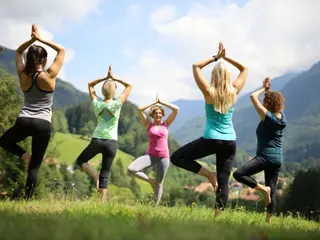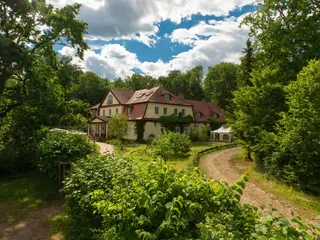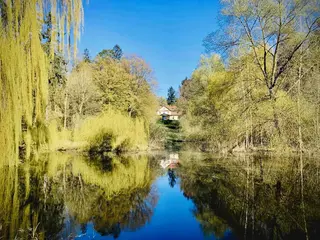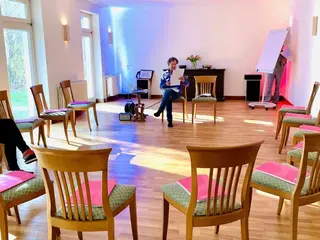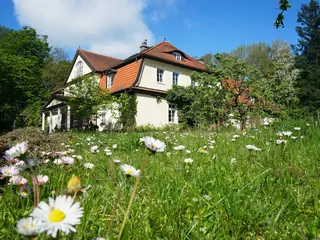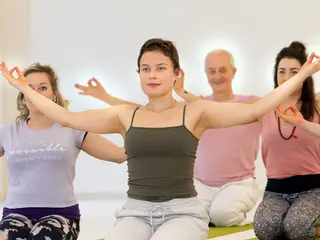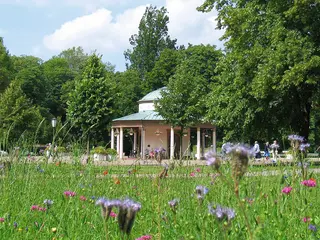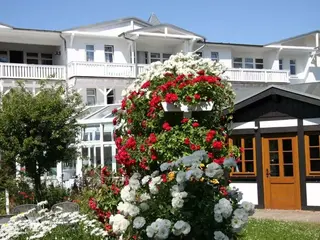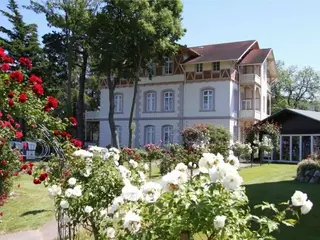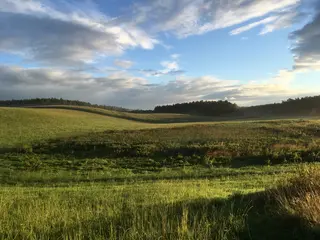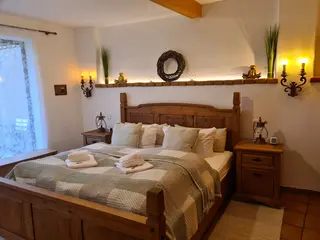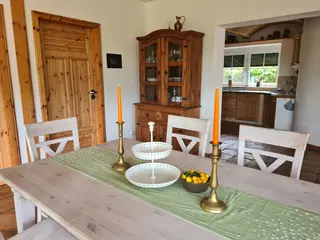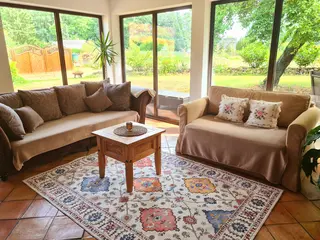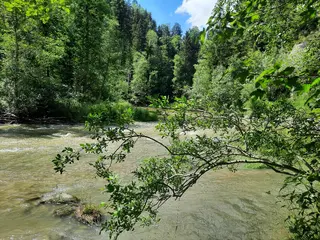
6 People interested 3 days of yoga and hiking – inspiration for creative living in Stromberg Nature Park Sachsenheim, Germany $346 / 3 Days 4.9
5 People interested 5 days of yoga and hiking – inspiration for creative living in Stromberg Nature Park Sachsenheim, Germany $611 / 5 Days 5.0
14 People interested 3 days - Yoga therapy retreat to strengthen the immune system and resilience Sachsenheim, Germany $346 / 3 Days 5.0
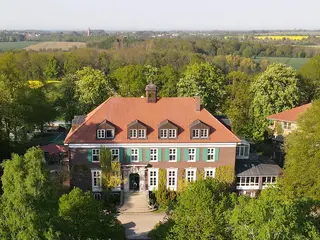
11 People interested Individual retreat - Your time in essence - with and without mentoring Grebs-Niendorf, Germany $387 / 4 Days 5.0
14 People interested (R)TIME OUT WITH HORSES - self-awareness and "being conscious" Wiesenburg/Mark, Germany $1,046 / 3 Days 5.0
6 People interested Yoga, mountains, and togetherness—girlfriends' time in Chiemgau Aschau im Chiemgau, Germany $682 / 5 Days
10 People interested TIME FOR YOU: Constellations, self-awareness & coaching with horses Wiesenburg/Mark, Germany $764 / 2 Days 5.0
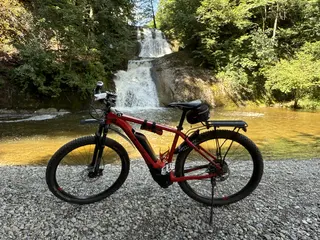
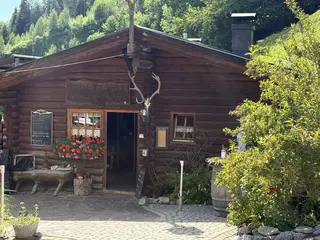
10 People interested 4-day spiritual retreat – summit e-bike hiking – including seminar in Oberstaufen by Glücksziel© Oberstaufen, Germany $1,434 / 4 Days
11 People interested ERFÜLLT in der Liebe - the power of your heart - coaching & time out in nature Hoppenrade, Germany $1,693 / 3 Days
14 People interested GlowstickYoga Retreat - time for you & your girlfriends (couple price) Weil im Schönbuch, Germany $2,468 / 6 Days
8 People interested Time to break free. Das exklusive Einzelcoaching-RETREAT. Crailsheim, Germany $2,322 / 3 Days
2 People interested Winter adventure break in the beautiful Black Forest at the start of the year Bernau im Schwarzwald, Germany $929 / 5 Days
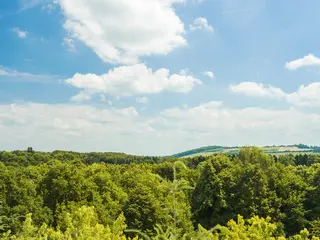
What makes a hiking holiday in Germany special Germany is less spectacular as a hiking destination than the high Alps or the Nordic fjords, but it is evenly well developed. You do not have to fly to the nearest massif to reach a marked path; in almost every region a day route starts on your doorstep. The low mountain ranges form the backbone. The Black Forest, the Eifel, the Harz, Saxon Switzerland, the Bavarian Forest, the Thuringian Forest and the Rhön offer altitudes between four hundred and one thousand metres, that is moderate climbs without alpine risks. The trails are blanket-marked and maintained by hiking associations such as the Schwarzwaldverein or the Sauerländischer Gebirgsverein, complemented by premium routes like the Rheinsteig, the Rothaarsteig or the Heidschnuckenweg, which run their own logos and a dense web of signs. Even when you forget a map, you still find the way. The network of huts and guesthouses is a second strength. In the Alpine foothills you will find managed mountain refuges of the German Alpine Club with warm food and dormitory beds; in the low mountain ranges they are more often inns, hiking hotels or nature hotels along the path. A refuge hut is a managed mountain shelter with simple food where you can stay overnight for a small fee. Train access works in most regions, often with a short bus link from the nearest station. That makes a hiking holiday in Germany one of the few break formats that also works without a car and without a long journey. The catalogue accordingly lists programmes that are explicitly built around rail travel, with a pickup service from the station or routes that begin directly at the railway stop.
Top hiking regions in Germany Eight regions carry the German hiking holiday. In the south, the Allgäu leads with soft alpine pastures, Nagelfluh ridges and a dense hut network, ideal for classical hut hikes with day targets like the Mindelheimer Hütte or the Edmund-Probst-Haus. Alongside it, the Berchtesgadener Land has a more alpine character, the Watzmann as the local peak and deep valleys like the Königssee. In the southwest the Black Forest is the classic region: dense fir woods, premium trails like the Schluchten- and Westweg, with elevations up to 1,493 metres at the Feldberg. For a quieter feel, the Bavarian Forest, the largest contiguous forest area in central Europe, offers calm low mountain routes around Großer Arber and Lusen. In the west, the Eifel features volcanic maars, the Eifelsteig trail and extensive woods, along with the Middle Rhine and the Rheinsteig high above the river between Rüdesheim and Koblenz. The Mosel adds steep-slope paths above the vineyards, for example the Moselsteig. The north and east bring two low mountain islands. The Harz, the highest range in northern Germany with the Brocken at 1,141 metres, suits multi-day routes like the Harzer-Hexen-Stieg. Saxon Switzerland and the Malerweg lead through a sandstone rock landscape that is unique in Germany and recalls the paintings of Caspar David Friedrich. The coasts add a final layer. On the Baltic, Rügen is the main hiking destination with the chalk cliffs and the Hochuferweg, on the North Sea it is mostly the East Frisian islands with walks across marshland and dykes. You will find a filter for each federal state in the sidebar.
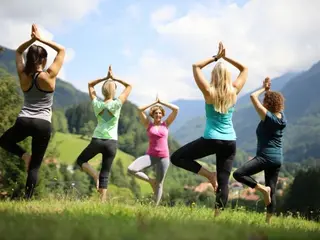
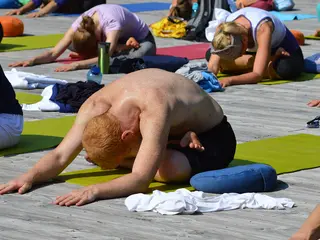
Hiking combined with yoga, mindfulness or detox A pure hiking holiday with walking from morning to evening is not the most common form in Germany. Most programmes pair hiking with a second daily practice that shifts body and head into another mode in the evening. The most common combination is hiking and yoga. A gentle yoga session in the morning before breakfast, then a moderate day leg, often a yin or stretching block in the late afternoon for the legs. The format typically runs five to seven days at one home venue using a base-camp format. A base-camp format means you sleep at one house and the luggage does not move every day; the routes start daily from the same point. The second large combination is hiking with mindfulness or meditation. Here the day is led more quietly: a guided sitting practice in the morning, a silent block in the first hour of the route, optional meditative walking in the afternoon. Meditative walking means slow, deliberate step-by-step hiking in silence, often on a marked section with a clear start and end point. The detox or fasting combination is rarer and more demanding in practice, because the body on reduced food tolerates only shorter and gentler legs. Classical hosts plan three to four hours of walking per day, often in the low mountain ranges, with a Buchinger or alkaline fasting frame. A fourth and rarer combination pairs hiking with coaching or writing workshops for life-phase transitions. Which form fits you depends on what you need after the route: a further stimulus or an actual pause.
Best travel time and difficulty grades in Germany The hiking season in Germany runs long. The main window sits between May and October, when the paths are clear of snow and the days are long. The shoulder months have their own appeal: April and May bring fresh green, flowering meadows and mild temperatures, ideal for the low mountain ranges like the Eifel, the Harz or Saxon Switzerland. Mid-summer from June through August opens the foothills and the Allgäu, with long daylight stretches and more stable weather above the tree line. Autumn is the most beautiful hiking time for many people. September and October bring clear views, cool temperatures and the colour play of the deciduous forests, especially striking in the Black Forest, the Bavarian Forest and along the Mosel. The summer heat is over and the rush on the premium trails eases. In winter the form shifts. High alpine routes in the Berchtesgadener Alps or in the Allgäu are closed for classical hikers, but snowshoe routes open up in the Black Forest, the Bavarian Forest and the Rhön. If you are looking for silence, the low mountain ranges between December and February show an almost empty landscape. Difficulty grades follow a rough three-way split. Easy routes in the low mountain ranges with eight to twelve kilometres and under three hundred altitude metres suit beginners and returning hikers, for instance in the Hohe Fläming or the Stromberg-Heuchelberg nature park. Moderate routes with twelve to eighteen kilometres and three to six hundred altitude metres are the standard measure for most week-long programmes. Demanding routes with more than six hundred altitude metres and required sure-footedness sit in the foothills and in Saxon Switzerland. Exact leg profiles are described in detail on each programme page.