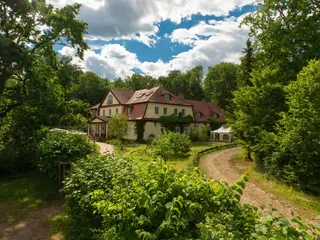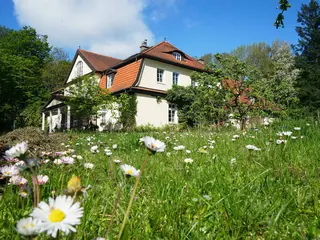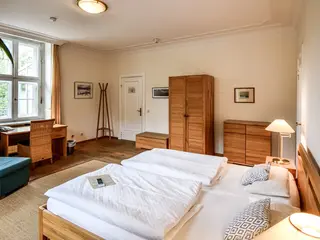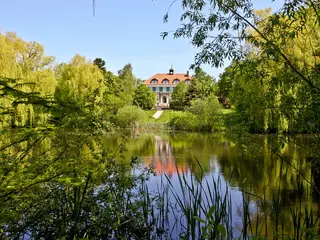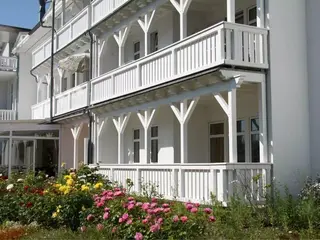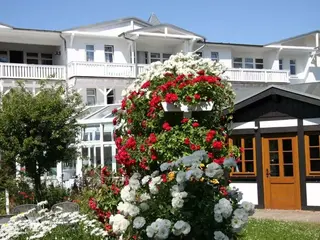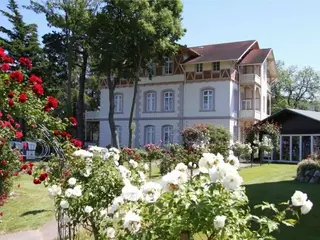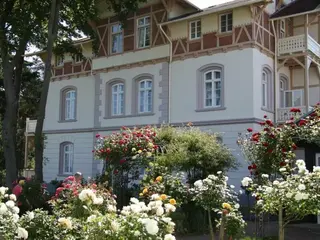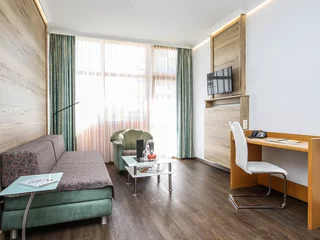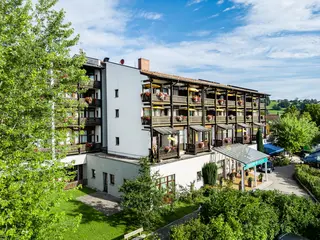
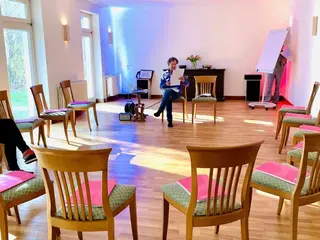
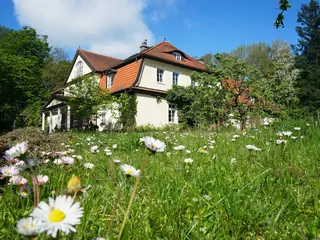
17 People interested Individual Fasting Retreat: Shadow Work & Spiritual Clarity Waldheim, Germany $1,468 / 7 Days 5.0
3 People interested Fasting vacation at Lake Chiemsee—your fresh start to greater lightness! Rimsting, Germany $733 / 7 Days
13 People interested Salufast - preventive therapeutic fasting (5 nights) Schmalkalden, Germany $680 / 6 Days
8 People interested Salufast - preventive therapeutic fasting (7 nights) Schmalkalden, Germany $939 / 8 Days
7 People interested Therapeutic Fasting Week ...fast for a short time, reap the benefits for a long time Bad Füssing, Germany $1,805 / 8 Days
15 People interested All inclusive Meditations-Retreat im Stonehenge Allgäu Kaufbeuren, Germany $352 / 3 Days
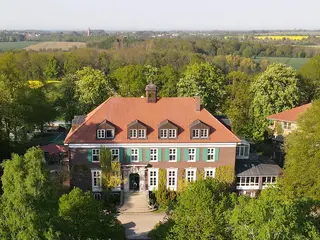
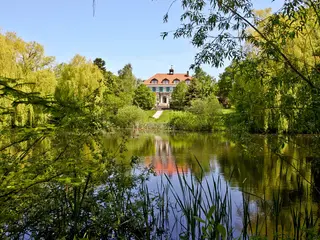
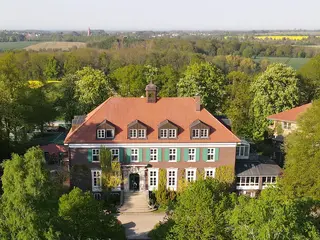
6 People interested Time out for me week - Gutshaus Gottin Warnkenhagen OT Gottin, Germany $1,634 / 7 Days 5.0
12 People interested Yoga in the countryside incl. hotel Neumarkt in der Steiermark, Austria $790 / 4 Days 5.0
9 People interested Time for me! - Mindfulness week on La Gomera - "The journey to yourself!" 2 places available!!! San Sebastian, La Gomera, Kanarische Inseln, Spain $819 / 8 Days 5.0
8 People interested Soul & Yin Yoga, Mindfulness, Meditation at the KLOSTER (Eifel) - available as a preventive course Kall, Germany $282 / 3 Days 4.9
11 People interested Soul & Yin Yoga - for more lightness & joie de vivre in the idyllic Münsterland region Steinfurt, Germany $299 / 3 Days 5.0
18 People interested 🧘🏻 Happiness in the monastery – 3-day holistic mindfulness retreat with health insurance subsidy Sulz am Neckar, Germany $349 / 3 Days 5.0
What sets therapeutic fasting in Germany apart When you book therapeutic fasting in Germany, you step into a well-rehearsed tradition. Otto Buchinger opened his first fasting clinic in 1920, and his method of broth, diluted juices and gentle movement remains the German standard format today. What stands out: most houses work with trained fasting leaders, and a share of them additionally with medical supervision. In spa towns such as Bad Wörishofen, Bad Mergentheim or Bad Wildungen, fasting has been part of the cure programme for decades. The second particularity is the health insurance question. Therapeutic fasting is medically recognised in Germany, and a share of programmes runs as an outpatient or inpatient preventive measure. That does not automatically mean your fund pays the week. But if your doctor certifies a medical indication, for example elevated blood pressure, metabolic conditions or chronic fatigue, partial coverage becomes possible. You clarify this with your family doctor and your fund before booking. The third particularity is density. Across the 11 programmes you find here in Germany, you have a choice across methods, price classes and regions. France or Spain do not offer this kind of breadth. You book a guided week between €300 and €2.449, with the average sitting at €1.128, usually including full board with broth, juices and tea, plus the programme and the room.
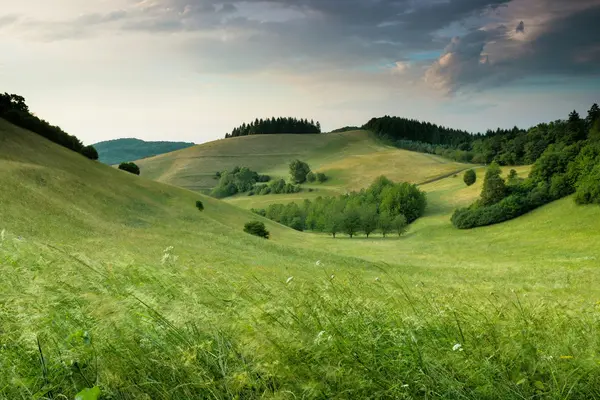
Where in Germany fasting programmes take place German fasting houses spread across two axes: the historic spa towns and the natural landscapes. The spa towns are the geographically stable line. Bad Wörishofen in the Allgäu has been the best-known address for water applications and fasting since Sebastian Kneipp, Bad Mergentheim in Baden-Württemberg has built a reputation around the F.X. Mayr cure, Bad Wildungen in Hesse is a classic spa town with its own healing water. These places do not change. The houses there have existed for decades and the daily rhythm is well-rehearsed. The natural landscapes are the second line. In the Black Forest, fasting houses often sit in old farmsteads or forester houses, the mood is more introspective and fasting hikes on the ridge trails belong to the format. The Allgäu beyond Bad Wörishofen offers mountain air and short walks between the fasting days. The Alpine foothills around Lake Chiemsee, Lake Tegernsee or Lake Schliersee form their own cluster with a Bavarian feel. Mecklenburg, around Lake Müritz and the Baltic coast, is the calm northern variant, with birch forests, clear air and long beach walks. In the west, the Eifel works as a quiet middle option, often more affordable than the Allgäu or the Black Forest, and easy to reach from Cologne, Bonn or the Rhine-Main area. If you set off from Berlin or Hamburg, you usually head for Mecklenburg or the Baltic Sea. Which region fits depends on travel time and the kind of guidance you want. In the filters above you see the federal state and the method in detail.
Methods: Buchinger, juice fasting, alkaline fasting, F.X. Mayr Four methods dominate the German fasting programmes. Fasting according to Buchinger is the most common. Otto Buchinger developed the form in the early 20th century: liquid fasting with broth and diluted juices, around 250 kilocalories per day, paired with movement, rest and liver compresses. This is the method most widely taught in Germany and a good fit for most first fasting weeks. Juice fasting is the milder variant. You skip solid food but receive more juices and smoothies, which brings the daily intake to roughly four to six hundred kilocalories. A good fit if you want to stay physically active, if you should not slide too quickly into a strong fasting crisis or if this is your first time and you are looking for a gentler entry. Alkaline fasting, Basenfasten, does not skip solid food but only avoids acid-forming items such as meat, grain and sugar. You eat alkaline vegetable plates, salads and smoothies. This gives you more energy than Buchinger or juice fasting and is a good option if you want to keep working or exercising, or if you have struggled with classic therapeutic fasting in the past. The F.X. Mayr cure, developed by the Austrian doctor Franz Xaver Mayr, is the variant with the strongest medical frame. The focus sits on rehabilitating the digestive system with magnesium sulphate, chewing exercises and a mild build-up diet such as stale bread rolls with milk. You find it mainly in Bad Mergentheim and in specialised clinic houses, often with medical supervision and a coverage option.
Best travel season and realistic programme duration The main season for therapeutic fasting in Germany sits clearly in spring and autumn. March to May is the classical spring cure window, when the body traditionally sheds winter. September and October form the second peak, often combined with a deliberate preparation for the quieter half of the year. In these weeks the houses are fullest and bookings are tightest, especially in Bad Wörishofen, the Black Forest and the Allgäu. In summer fewer guests choose to fast. The heat makes the restriction tougher and holiday pressure often pushes against the rest you need. Those who fast in summer tend to head to the Baltic Sea or to Mecklenburg, where temperatures stay milder. In winter, from November to February, you find a distinct segment: quieter houses, often more affordable, with a focus on indoor programme, sauna and massage rather than long hikes. If you want to start the year fasting, a small selection of seven-day weeks runs across New Year. The typical duration runs between seven and fourteen days. Seven days is the standard format: one or two preparation days, four to five fasting days, one or two build-up days. This is the shortest bracket in which therapeutic fasting works medically. Ten to fourteen days form the more intensive variant with more depth and a clearer reset, often available with insurance coverage as a preventive measure. Shorter three to five day formats are taster weekends without deeper effect. If you genuinely want to fast once a year, plan around seven days plus arrival and departure.