
Ayurvedic Cures in Germany

Ayurveda in Germany means short travel times, clear medical supervision and houses that have worked for two decades with trained ayurvedic doctors from India or Sri Lanka. 11 active programs across the Allgäu, Black Forest and Brandenburg, seven to twenty-one days as the typical duration, with individual constitution diagnosis, treatments and vegetarian ayurvedic cuisine.

Discover Our Most Popular Offer

View all offers

New retreats straight to your inbox?

So you always stay up to date.

We take data protection very seriously. Further information
What sets an ayurvedic cure in Germany apart

What sets an ayurvedic cure in Germany apart

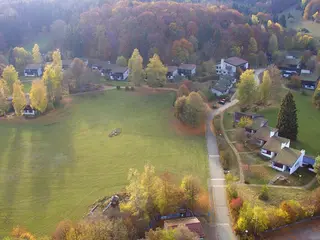
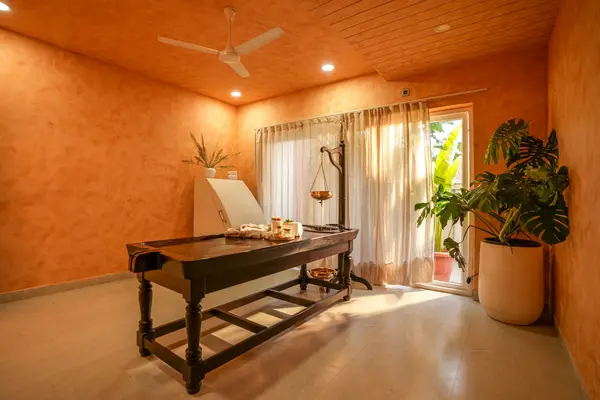
Ayurveda is a more than two-thousand-year-old health teaching from India, whose German adaptation has matured into its own form over the last two decades. At its centre stands the idea that each person follows an individual constitution mixed from the three so-called doshas Vata, Pitta and Kapha. Vata stands for movement and change, Pitta for metabolism and heat, Kapha for stability and structure. An ayurvedic cure works to balance the individual dosha ratio through diet, treatments and daily rhythm. The German variant differs from the classical Indian cure in Sri Lanka or Kerala in two essential points. First, the medical anchoring. German ayurvedic houses usually work with trained ayurvedic doctors from India or Sri Lanka who live in Germany or visit regularly, supported by conventional doctors on site. Diagnosis and treatment follow the traditional Indian scheme but are adjusted to European lifestyles. Second, the cuisine. The food is vegetarian and ayurvedic but tuned to German and central European palates, with less hot spice and more seasonal regional vegetables. What also shapes the German offering is the setting. The houses usually sit in nature, in the Allgäu, Black Forest or Brandenburg, with long paths at the door. This differs from Sri Lanka, where many houses sit at the beach and the climate shapes the daily rhythm. In the German climate, the cure runs in a calmer rhythm, with two treatment phases per day, movement in nature and an evening rest phase. The effect: less of an exotic feel, but a cure that fits well into a working life without a full climate shift.
Treatments and methods

Treatments and methods

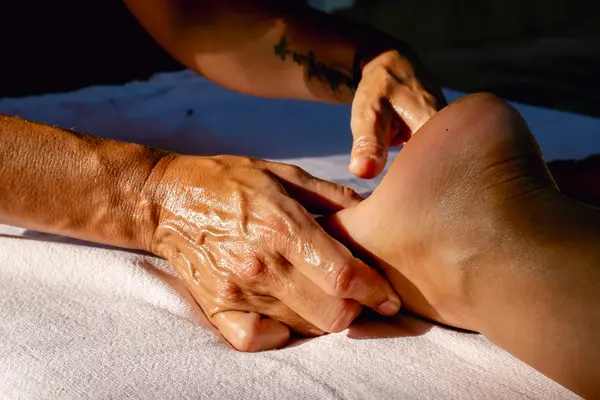
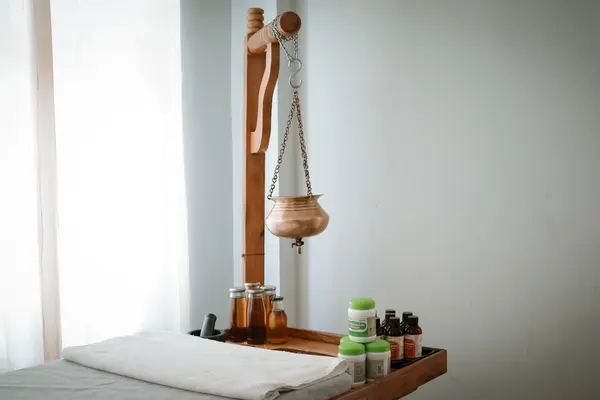
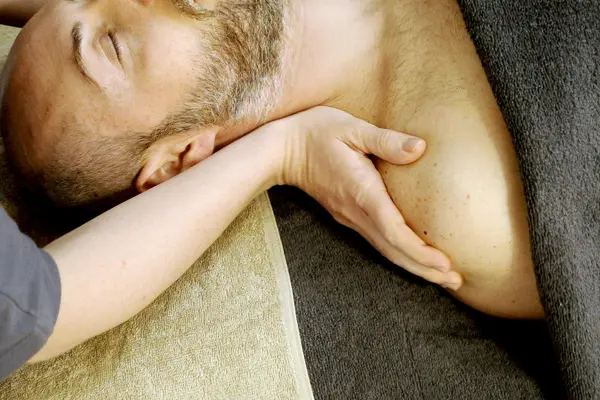
A classical ayurvedic cure in Germany rests on three building blocks. The first is the constitution diagnosis, an intake examination with pulse reading, tongue diagnosis and history-taking by an ayurvedic doctor. From this diagnosis comes the individual treatment plan: which treatments, which diet, which movement, which daily rhythm. This diagnosis is not a lifestyle test but the methodical foundation of the cure, without which the program should not start. The second block is the treatments. Abhyanga, an ayurvedic full-body oil massage with warm herbal oil, is the most common treatment and part of almost every cure. Shirodhara, the brow-pour ritual with warm oil, is the second most common; it calms the nervous system and is often offered in the afternoon. Further treatments are Pinda Sweda with warm herbal pouches, Nasya as nasal instillation with herbal oil and Padabhyanga as foot-reflex massage. In a classical Panchakarma cure of fourteen to twenty-one days, eliminative procedures like Vamana and Virechana are added, only offered in specialised houses and under strict medical supervision. The third block is the cuisine. Ayurvedic food in the German setting is warm, vegetarian, easily digestible and tuned to the three doshas according to the guest. Breakfast often consists of warm rice porridge or cooked fruit with spices, lunch is the main meal with rice, vegetable curry and lentils, dinner is a light stew or soup. Raw food is avoided because, according to ayurvedic teaching, it weakens the digestive fire Agni. What carries the effect of the cure is not a single treatment but the interplay of all three building blocks over several days.
Daily rhythm and duration

Daily rhythm and duration

A typical day in a German ayurvedic cure follows a clear rhythm tuned to the natural day according to ayurvedic teaching. Wake-up early, often around five-thirty or six, with a warm glass of water and possibly tongue cleaning, oil pulling or light yoga. Breakfast at seven-thirty or eight is warm, light and constitution-appropriate — rice porridge, cooked fruit, herbal tea. The morning brings a treatment phase, usually a one- to two-hour treatment, often Abhyanga or a combination of several procedures. Afterwards a rest phase, because the treatments stimulate metabolism and the body needs time to absorb them. Lunch at noon or twelve-thirty is the main meal of the day, with rice, vegetable curry, lentils and a warm drink. The afternoon brings a second treatment or a medical appointment, followed by a walk in nature. Dinner is early, around six-thirty or seven, light and in small portions. Then rest, reading, occasionally a talk on ayurvedic lifestyle or herbs. Bedtime early, around nine or ten. The duration of an ayurvedic cure ranges from a mini cure of five to seven days as an entry or refresher to a classical Panchakarma cure of fourteen to twenty-one days. Fourteen days is considered the minimum in the ayurvedic tradition for an effective cleansing and reset cure; seven days is a wellness variant with partial effect. Over three weeks is recommended only in specialised houses and with a clear indication.
Regions, travel, season and prices

Regions, travel, season and prices

The German ayurvedic offering is regionally concentrated. Bavaria leads with houses in the Allgäu, the Chiemgau and around Bad Wörishofen, where Ayurveda is woven together with the Kneipp tradition. Baden-Württemberg offers mainly Black Forest houses with Ayurveda as a focus program. Brandenburg, Lower Saxony and North Rhine-Westphalia round out the picture with smaller, often owner-run houses. The choice is more contained than with yoga or detox, but the specialisation within the houses is often high — many have worked for two decades with the same ayurvedic doctor or therapist team. Travel is well solved by rail. Allgäu via Kempten or Sonthofen, Black Forest via Freiburg or Offenburg, Brandenburg via Berlin, Lower Saxony via Hannover, NRW via Cologne or Düsseldorf. Many houses pick up from the nearest station. Seasons are less pronounced than for other stay types; Ayurveda runs year-round, with slight emphasis in spring and autumn, because the ayurvedic understanding of seasons sees these transitional times as favourable for cleansing cures. In winter and high summer, a slightly adjusted program is often offered. Prices in the German ayurvedic offering are higher than for most other stay types, because treatment density is high and medical diagnosis is included in the base price. A seven-day mini cure with a standard room, full board and one treatment per day typically sits between 1,200 and 2,000 euro. A fourteen-day classical cure with two treatments per day and medical supervision sits between 2,500 and 4,500 euro; a Panchakarma cure over three weeks can exceed 5,000 to 7,000 euro. Across all 11 active programs, the average is €555, with the range running from €214 to €1.287. Drivers of price: number of treatments per day, room category, medical share and whether Panchakarma procedures or pure wellness treatments are booked.

Frequently asked questions

How does ayurveda in Germany differ from Sri Lanka or India?
In Germany, the ayurvedic cure is adapted to European habits and tastes. The treatments follow classical ayurvedic teaching, the doctors are often trained in India or Sri Lanka, but the cuisine is more mildly spiced, the climate differs and the daily structure follows a more European pattern with movement in nature rather than on the beach. The advantage: short travel, no climate shift, good medical anchoring in German conventional care. The downside: less of the exotic full setting many find in Sri Lanka or Kerala. Anyone looking for a first ayurvedic experience or wanting to combine work and cure is well placed in Germany; those wanting a full Panchakarma cure in the original climate should look at a longer trip to India or Sri Lanka.
How much does an ayurvedic cure in Germany cost?
A seven-day mini cure with a standard room, full board and one treatment per day typically sits between 1,200 and 2,000 euro. A fourteen-day classical cure with two treatments per day and medical supervision sits between 2,500 and 4,500 euro; a Panchakarma cure over three weeks can exceed 5,000 to 7,000 euro. Across all 11 active programs, the average is €555, with the range running from €214 to €1.287. Drivers of price: number of treatments per day, room category, medical share and whether Panchakarma procedures or pure wellness treatments are booked. Travel and insurance are not included.
How long should an ayurvedic cure last?
Fourteen days is considered the minimum in the ayurvedic tradition for an effective cleansing and reset cure, because the first two to three days are needed for adjustment, the middle phase carries the actual therapy and the rebuilding share fills the final days. Seven days is a wellness variant with partial effect, good as an entry or refresher after a previous longer cure. Three-week programs of twenty-one days are the classical Panchakarma duration and are offered in specialised houses; they are demanding and should only be booked with a clear indication and medical pre-clearance. For a first ayurvedic experience, a seven- to ten-day cure usually serves well.
Do I need prior experience for ayurveda?
No, an ayurvedic cure is also suitable for first-time guests, provided there are no medical exclusion criteria like acute infections, severe chronic conditions without prior medical clearance or pregnancy. For a first time, a seven- to ten-day mini cure pays off; you get to know the rhythm, the diet and the main treatments without entering a full Panchakarma cure. What makes sense: speaking with a family doctor about existing medications before arrival, because some substances can interact with ayurvedic herbal preparations. Those not used to vegetarianism should reduce meat and alcohol a week before arrival, so the change at the house does not become the main burden.
Which region in Germany suits my ayurvedic cure?
Bavaria leads with houses in the Allgäu, Chiemgau and around Bad Wörishofen, where Ayurveda is paired with the Kneipp tradition. Anyone valuing mountain and hiking options as a side line is well placed here. The Black Forest in Baden-Württemberg is the second major line, with quiet houses in wooded surroundings and a long spa tradition. Brandenburg is a calm choice close to Berlin, good for a weekend or short stay. Lower Saxony and North Rhine-Westphalia offer smaller houses with short travel times from Hannover, Cologne or Düsseldorf. Which region fits often depends more on travel and a preference for movement than on a methodical specificity; the cure itself is similar across regions.
What is typically included in the price of an ayurvedic cure?
The standard price of a German ayurvedic cure usually covers accommodation in a double or single room, ayurvedic vegetarian full board, the constitution diagnosis by an ayurvedic doctor, a treatment plan and an intake plus closing consultation. Daily treatments are usually included in the price or booked as a package. What can come on top: single-room supplements, additional treatments beyond the standard package, yoga or meditation sessions, individual medical exams like blood panels or stool analysis, herbal preparations for the time after the cure. Travel and insurance are not included. Among the 11 programs, a detailed comparison pays off; the range from €214 to €1.287 is usually explained by the number of treatments and the medical share.