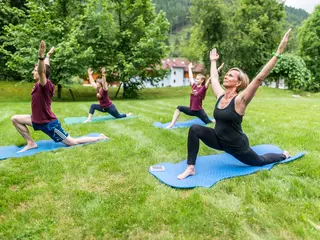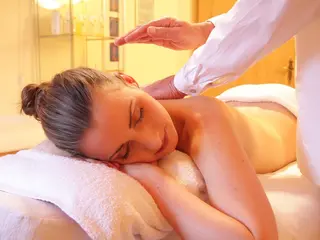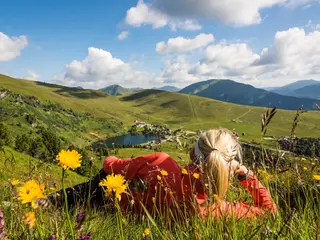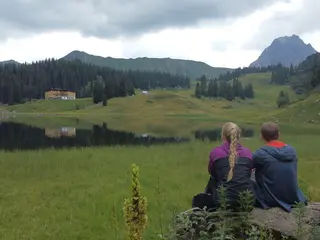


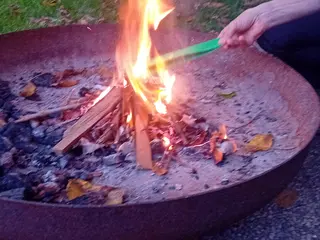
10 People interested 🔥 Call of the Soul – your shamanic 1:1 nature retreat Frauenburg, Austria $699 / 3 Days 5.0

11 People interested 🤍 Tantra Retreat for Couples: The Magic of Touch & Mindfulness (private, no group) Frauenburg, Austria $817 / 3 Days
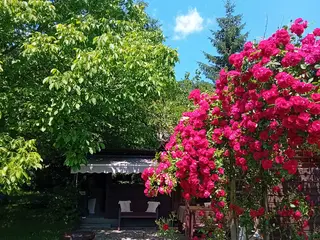
12 People interested 📜 Akasha reading 1:1 Retreat for inner clarity & knowledge Unzmarkt-Frauenburg, Austria $699 / 3 Days
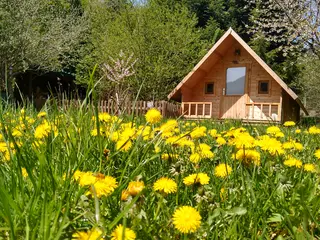
11 People interested Breathwork and AwarenessWorkshop - In the middle of life - Mondsee, Austria $339 / 2 Days
6 People interested ❤️🔥Heart cleansing—1:1 for detachment and a free heart Unzmarkt-Frauenburg, Austria $699 / 3 Days

8 People interested 👵Ancestral Time 1:1 Nature Retreat - connected to the power of your lineage Unzmarkt-Frauenburg, Austria $699 / 3 Days
15 People interested The light of your heart - 1-day retreat for 1 or 2 people Bad Mitterndorf, Austria $435 / 2 Days
7 People interested 1:1 support for current challenges - coaching, support & advice for 4 weeks Graz, Austria $1,752 / 28 Days
14 People interested Blossoming together: online retreat - regulating stress/strengthening resilience/developing potential St Florian, Austria $385 / 2 Days
14 People interested Clear your Vision - 1:1 Outdoor-Visionscoaching Tschagguns, Austria $576 / 3 Days
What makes self-discovery retreats in Austria distinctive For self-discovery programs, Austria has an advantage other countries find hard to match: the blend of geographic clarity and cultural calm. Geographically this means that many houses sit in clearly enclosed locations, a valley, a mountain, a lake, a forest. Anyone arriving there is immediately out of the daily flood of stimuli. Berlin or Munich can be reached from Sachrang or the Mühlviertel, but they feel far away. Cultural calm means that the houses are mostly small and owner-run. Six to twelve participants is the typical group size. The companions often have many years of experience in psychotherapy, systemic coaching or body work and operate along a clear ethical line. Spiritual exaggeration or esoteric promises are rarer in Austria than in some German or southern European programs. What many self-discovery travellers value about Austria is the natural place of movement. Almost every program includes a daily hike, often two to three hours, with clear reference points for self-exploration. Movement in the forest or on an alpine meadow is an older form of processing than any coaching tool, and it reliably works even when speaking becomes difficult.
The regions: Mühlviertel, Tyrol, Salzburg, Styria Self-discovery in Austria spreads across four anchor regions, each with a different feel. The Mühlviertel in northern Upper Austria is the quietest of the four. Soft hill ranges, many small farms and country estates converted into guidance houses, and short travel from Linz or Passau. Programs there often emphasise coaching, writing and nature experience. Tyrol is landscape-wise the most intense. Programs usually sit between six hundred and one thousand three hundred metres altitude, with mountain views and clear alpine air. Houses are often somewhat larger, with professional staff and a stronger focus on body work, breath and hiking. The Wipptal, the Pinzgau Saalachtal and the Tannheimer Tal are the most common locations. Salzburg combines both worlds. In the Salzburger Land and the Pinzgau there are both smaller farm-style houses like in the Mühlviertel and larger houses with program depth like in Tyrol. The cultural proximity to the city of Salzburg makes the region attractive for many who want to add one or two days after the program. Styria is the southern counterpart, particularly sought after in southern Styria and the Ennstal. Vineyards, high moors and alpine meadow landscapes shape the houses. Anyone looking for warmth, less high-alpine weather and an almost Mediterranean atmosphere is in the right place here.
Which methods are common in Austrian programs Austrian self-discovery programs work with a small number of well-tested methods rather than esoteric variety. Four methods appear especially often. The first is systemic coaching, often alternating between one-to-one sessions and group work. The second is body work, mostly as conscious perception work (embodiment, Feldenkrais influences, breath sequences) and less frequently as classical massage. The third method is guided nature experience. Solo times of two to four hours in forest or on an alpine meadow, with clear tasks or questions set by the companion. This form, often inspired by Vision Quest traditions, is more widespread in Austria than in Germany and has developed a therapeutically lightened variant without spiritual overload. The fourth method is writing and reflection work, often as a journal with daily prompts. Guidance provides questions that do not turn into deep psychological work but instead create clarity for the next life steps. What is less common in Austria: breathwork in the Holotropic model, family constellation weekends, shamanic journeys or similar intensive methods. If these methods are part of your search, it is worth looking at specialised providers, not the general self-discovery offering.
Who a self-discovery retreat in Austria fits Self-discovery in Austria fits particularly well for three life situations. The first is a professional transition phase: job change, going self-employed, leaving a position, returning after parental leave. Here, programs with a coaching share and clear question methodology are the right choice. A duration of five to seven days is usually enough to take a sorted decision home. The second life situation is a personal transition phase after relationship, grief or illness. Here you need programs with a quiet daily structure, a small group and enough one-to-one guidance. Three to five days as a weekend-plus or mini-week is a good entry because they do not force inner door-opening experiences but put recovery first. The third situation is a simple reset phase without acute crisis: someone standing between two years who wants to look quietly at what is important. Here, week programs in the Mühlviertel or southern Styria are a good choice because they offer enough program without becoming too intense. Anyone with acute psychological symptoms such as depression or anxiety should mention this before booking; some houses work well with therapeutically supported guests, others do not.