Retreat Vacation - holiday offers for body, mind and soul.

Yoga retreats in Spain

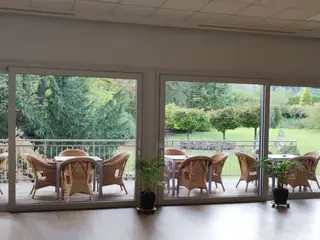
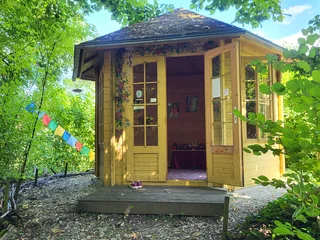
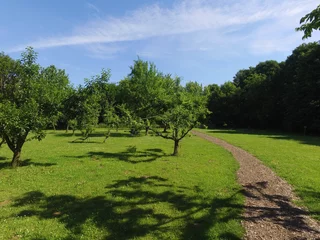
Spain is one of Europe's densest yoga travel addresses, with a clear focus on Mallorca, the Canary Islands and Andalusia. Programs in the country combine daily practice with Mediterranean cuisine, outdoor time at the sea or in the mountains and a relaxed daily structure. Four to eight days is the usual format, with two practice sessions a day, vegetarian-leaning catering and mostly open yoga rooms or outdoor shalas with views of the sea, pines or olive groves.
122 curated retreats 4.7 (35 reviews) from €100

Discover Our Most Popular Offer

View all offers

New retreats straight to your inbox?

So you always stay up to date.

We take data protection very seriously. Further information

Frequently asked questions

Which Spanish region suits me best?
The choice depends on the season and the desired atmosphere. Mallorca is the default for spring and autumn, with short travel and a broad selection of houses between finca idyll and hotel comfort. The Canary Islands are the winter address with stable mild climate, ideal for November to March. Tenerife has the highest density, the eastern Canary Islands are surf-affine, Lanzarote quiet with a volcanic landscape, Gran Canaria varied. Andalusia suits autumn and late spring, with a quieter atmosphere and longer week formats. Anyone seeking mild mountain climate books into the Sierra Nevada or the Catalan hinterland. The catalogue currently lists 122 yoga retreats in Spain across all three regions.
How much does a yoga retreat in Spain cost?
A seven-day yoga week in Spain mostly costs between 800 and 1,500 euro, depending on room category, board and location. Mid-range Mallorca fincas start around 950 euro, Canary Islands resorts with full board similarly. Premium programs with single rooms, treatments and selected yoga modules can run from 1,800 to 3,000 euro. Weekend formats start around 350 euro. Andalusian mountain houses are often somewhat cheaper than island addresses. Across the 122 Spanish yoga programs in the catalogue, the range runs from €100 to €11.900, averaging €1.641. The flight from the German-speaking area adds 120 to 350 euro depending on the season.
When is the best time of year for a Spanish retreat?
Mallorca has the best yoga season from mid-April to mid-June and in September/October. The Canary Islands work year-round with a stable mild climate between 18 and 26 degrees, with particular demand during November to March because central Europe is then dark and cold. Andalusia is most pleasant in spring from April to May and in autumn from mid-September to October, with temperatures around 22 to 27 degrees. The high-summer months July and August are demanding in Andalusia and on Mallorca because of heat and tourism, while the Canaries remain milder thanks to the trade winds. The catalogue currently lists 122 yoga retreats in Spain with programs across all seasons.
Is teaching in Spain available in German?
On Mallorca and the Canary Islands, many yoga programs are led by German- or Austrian-speaking teachers, because a German yoga teacher community has lived there for decades. About half of Mallorca programs offer German-language guidance, often in parallel with English. On Tenerife and Gran Canaria the German line is also strongly represented. In Andalusia and on the Spanish mainland the teaching language is predominantly English or Spanish, German-speaking teachers are rarer here. Anyone valuing the mother tongue should clarify before booking. Many houses alternatively offer German-language accompanying materials and English-language instruction in parallel. Across the 122 Spanish programs in the catalogue, the language line is usually marked in the house description.
Which yoga styles are most commonly offered in Spain?
Hatha yoga and vinyasa flow are the most common styles in Spain. Hatha is the classically held form with slow transitions, good for beginners. Vinyasa is the more dynamic style with flowing sequences, particularly widespread on Mallorca and den östlichen Kanaren-Inseln. Yin yoga, a quiet form with long holds of passive postures, is strongly represented in the quieter houses. Kundalini, a special yoga school with breath techniques, mantra and targeted movement, has a particularly developed scene in Andalusia. Iyengar with precise alignment and props is found in individual specialised houses. Ashtanga, a very physically structured form, is offered less often but maintained as a dedicated line on a few islands and in Andalusia. Across the 122 programs in the catalogue, the style is clearly marked in the description.
Can I combine yoga in Spain with surfing, hiking or wellness?
Yes, many Spanish programs combine yoga with a second activity line. On den östlichen Kanaren-Inseln and Lanzarote, yoga and surfing is the most common double format, often with a surf course in the morning and yoga in the late afternoon. In the Tramuntana on Mallorca, in the Sierra Nevada and on Tenerife, yoga is often combined with guided hikes, especially in spring and autumn when temperatures allow mountain activity. Yoga and wellness is the most common combination, with daily massages, spa modules and Mediterranean cuisine. On Mallorca and the Canaries, ayurvedic weeks with yoga are also widespread, with daily ayurvedic treatments over seven to fourteen days. The catalogue currently lists 122 Spanish yoga programs, many with clear combination markers.