Retreat Urlaub - Urlaubsangebote für Körper, Geist und Seele.

Hiking holidays in Austria

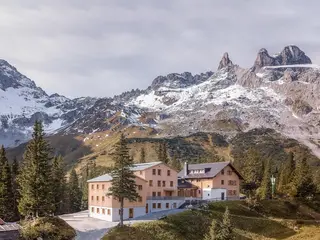
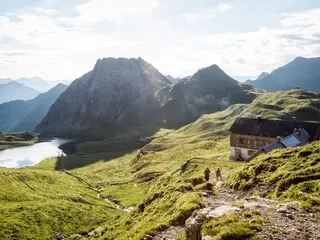
High alpine pastures, clear mountain lakes and more than fifteen hundred kilometres of long-distance trails — Austria is one of the oldest mountaineering and hiking nations in Europe. Tyrol, the Salzkammergut, Carinthia, Styria and Vorarlberg form a mountain world where the tradition of hut keepers has lived on for generations. In summer you find alpine altitudes of up to three thousand metres; in winter snowshoe and winter walking tours open a second season. A short journey from central Europe and a dense railway network reaching into many valley end points make the country a first choice for classic mountain stays.
32 curated retreats 4.9 (11 reviews) from €129

Discover Our Most Popular Offer

View all offers

New retreats straight to your inbox?

So you always stay up to date.

We take data protection very seriously. Further information

Frequently asked questions

What does a hiking holiday in Austria cost?
Prices for a hiking holiday in Austria sit on a broad spectrum, depending on region, accommodation class and service scope. A hut-to-hut hike with shelter stays and half-board sits in the moderate range. Guided trips with a mountain guide, luggage transfer and a mid-comfort valley hotel are noticeably higher. Three factors shape the price particularly. First the region — Tyrol and the Salzkammergut tend to be more expensive than Styria or Carinthia. Second the season — July and August are often fifteen to thirty per cent more expensive than June and September. Third the guide component — guided alpine tours cost significantly more than individual walking on well-marked routes. If you are a member of the Austrian or German Alpine Club, you benefit from reduced overnight prices in the shelters. Membership often pays for itself after a single tour. When comparing offers, it pays to look at the catering and the arrival logistics in addition to the overnight price.
When is the best time to travel for a hiking holiday in Austria?
The best time to travel for high alpine tours is between mid-June and mid-September. In these weeks the mountain huts are continuously staffed, traverses above two thousand five hundred metres are snow-free, and the days long enough for extended stages. Two phases are particularly beautiful. Mid-June to mid-July brings blooming alpine pastures and very long days. Mid-August to mid-September is the quieter, clearer phase, with the heat of high summer broken and visibility across several mountain ranges. Those who want quieter trails benefit noticeably from this late-summer window. For valley and middle-mountain tours — Salzkammergut, Vorarlberg, southern Carinthia — the season is longer: from early May to the end of October. These regions suit hikers who want to travel outside the high-summer window particularly well. Winter opens a second season with snowshoe tours and winter walking paths, available in most hiking areas between December and March. This variant requires additional equipment and shorter daily stages.
Which region in Austria fits me?
The right region depends on fitness, travel style and prior experience. Anyone looking for a classic high-mountain experience — alpine altitudes, demanding stages and a dense hut infrastructure — should choose Tyrol. The Stubai, Zillertal and Oetztal Alps offer multi-day tours above three thousand metres with a rich mountaineering tradition. If you want to combine lakes with middle-mountain altitudes, the Salzkammergut is right. Wolfgangsee, Hallstaettersee and Attersee sit in a landscape with moderate stages and many valley hotels — a good choice for multi-generation stays and for beginners. If you want sun, longer summer evenings and a chance to swim, head to Carinthia. The region also provides serious high-mountain tours in the High Tauern and the Carnic Alps. Anyone looking for calm alpine pasture landscapes and a less tourist-driven atmosphere should choose Styria — Hochschwab, southern Dachstein, Ennstal — or Vorarlberg in the far west. Both regions are less busy than Tyrol and bring their own culinary and cultural notes.
What prior experience do I need for a hiking holiday in Austria?
Requirements differ strongly by region and tour type. Valley and middle-mountain walks in the Salzkammergut, in Vorarlberg or in southern Carinthia are accessible to beginners. Anyone who can walk three to five hours at a stretch is well placed here. Hut hikes at middle altitudes — for example along the Eagle Walk stages or the Salzkammergut Trail — require a solid base level of fitness. Daily stages of five to seven hours with five hundred to a thousand metres of elevation gain, surefootedness on mountain paths and the ability to carry a medium pack are standard. High alpine multi-day tours — stages above two thousand seven hundred metres, via ferrata sections or glacier traverses — require years of mountain experience, a full alpine kit and in many cases a mountain guide. For most guided stays, operators divide tours into multiple difficulty levels and offer parallel tours of different lengths, so groups with mixed levels can travel together. An honest self-assessment in the booking conversation is more important here than any marketing statement.
What is typically included in the price of a hiking holiday in Austria?
Service packages differ by trip type. A guided hut hike typically includes: overnight stays in mountain shelters (often in multi-bed dormitories), half-board with a warm dinner and hut breakfast, a local mountain guide, a detailed tour description and smaller programme items such as a visit to an alpine pasture. For a base-camp hiking holiday in a valley hotel, you add half-board, guided day tours of different difficulty levels and often a spa area for the evening. This format suits beginners or hikers who prefer a fixed base to daily hut changes. For individual, pack-carrying stage tours — for example along the Eagle Walk or the Salzkammergut Trail — the price covers overnight stays in guesthouses or shelters with half-board, optionally a luggage transfer, and a route description. In most cases the price does not include arrival, drinks outside dinner, entrance fees (cable cars, museums) and tips for mountain guides and hut staff. These four points make up a noticeable share of the total budget.
What is the best way to travel to a hiking holiday in Austria?
Arrival by train is almost always the best option in Austria. Innsbruck for Tyrol, Salzburg for the Salzkammergut, Klagenfurt for Carinthia, Graz for Styria, Bregenz or Bludenz for Vorarlberg — all covered by ICE, EuroCity or Railjet. From the stations, postal buses or valley shuttles run into many smaller hiking towns. From the German-speaking countries, almost every Austrian hiking region is reachable within four to eight train hours. From further-away countries you fly into Vienna, Salzburg, Innsbruck or Munich — Munich airport is often the most convenient entry for Tyrol and the Salzkammergut. For point-to-point hikes — meaning tours that do not return to the starting point — the train is much easier than your own car. For base-camp stays in a valley hotel, the car is a convenient option, especially for arrival and departure with larger luggage. On site, most Austrian hiking towns are integrated into the postal bus network and have regional mobility cards, often included in the overnight price — a simple solution for point-to-point hikes without your own vehicle.
Do I have to carry my luggage myself, or is there a luggage transfer?
On a classic hut-to-hut hike you carry your luggage yourself. This is both tradition and practical necessity, because many shelters are only reachable on foot. Experienced hikers travel with a pack of eight to twelve kilograms — clothing, hut sleeping bag, rain protection, food, map. This variant concentrates the alpine experience most intensely. On stage trails through inhabited valley towns — parts of the Salzkammergut Trail or the lower sections of the Eagle Walk — many operators offer an organised luggage transfer. You hand over your main luggage in the morning at the accommodation, walk the stage with a light day pack, and your suitcase is waiting at the next valley base in the evening. For base-camp stays with day tours from a single valley hotel, the question disappears entirely. Main luggage stays at the hotel, you head out daily with a small day pack. This format fits hikers who want to spare their knees. If you are unsure, check altitude difference and the average daily stage before booking. Even one extra kilogram in the pack makes a noticeable difference on a seven-hour mountain stage.